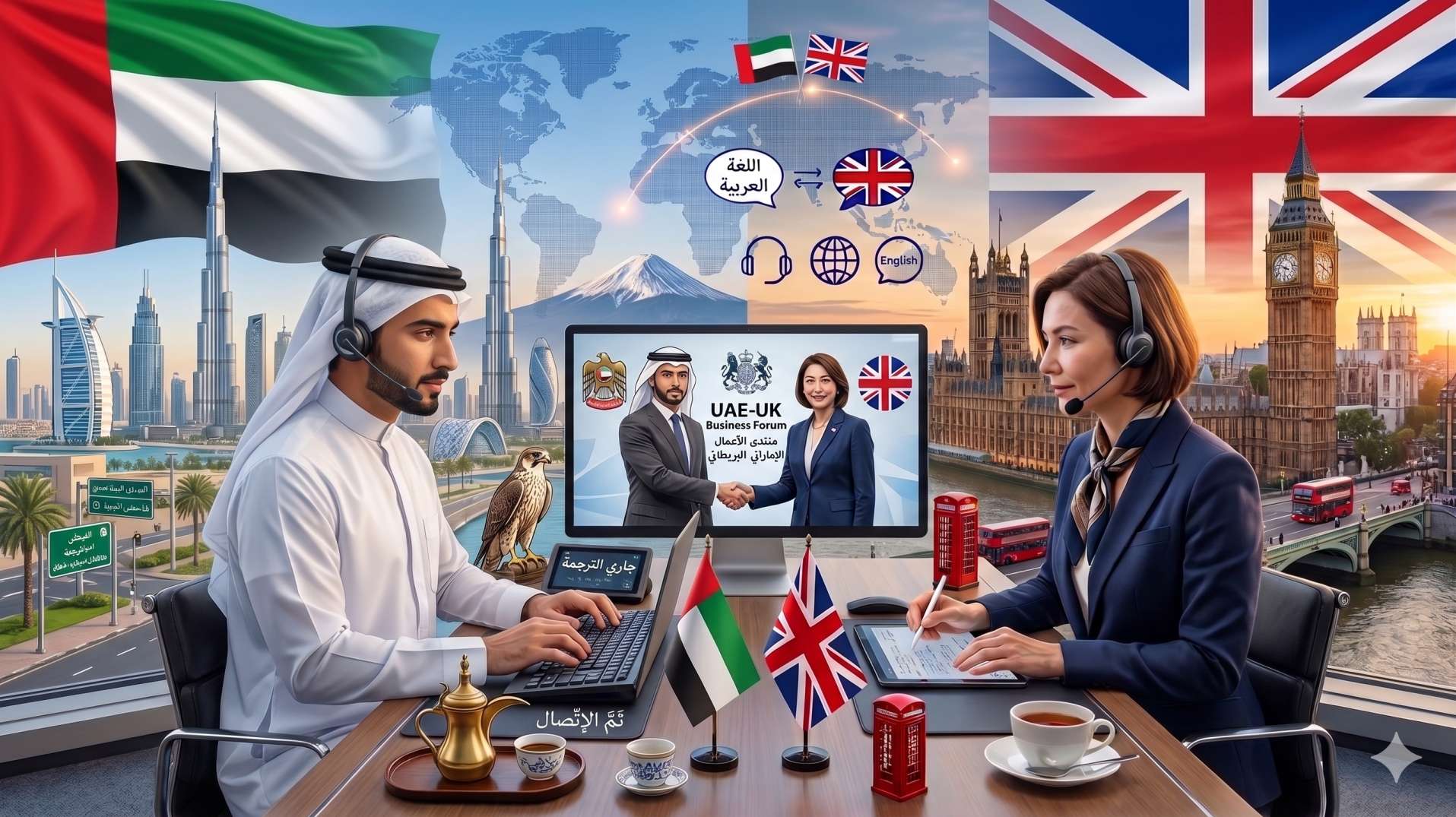

Securing a qualified Arabic interpreter in Neath Port Talbot is paramount for effective communication across diverse sectors, from legal proceedings and healthcare access to business negotiations and public services within the United Kingdom. Neath Port Talbot, a region rich in industrial heritage and evolving economic landscapes, requires specialised linguistic support to bridge communication gaps. This is particularly crucial when engaging with Arabic-speaking communities, ensuring that all parties understand and are understood, upholding the principles of justice, safety, and inclusivity mandated by UK law and professional standards. For residents and businesses in Neath Port Talbot, access to professional interpretation is not merely a convenience but a necessity, especially when dealing with vital services such as those provided by the Swansea Bay University Health Board and the Cardiff and Vale University Health Board, both of which serve the broader South Wales region and interact with Neath Port Talbot residents.
Translation vs Interpretation
While often used interchangeably, translation and interpretation are distinct disciplines, each requiring a unique skill set and adherence to specific professional standards within the UK. Interpretation involves the live, oral conversion of spoken or signed language from one language to another. This is critical in real-time interactions, such as courtroom hearings, medical consultations, or business meetings. An Arabic interpreter in Neath Port Talbot must possess not only fluency in both Arabic and English but also a deep understanding of cultural nuances, legal terminology, and the specific context of the communication. Conversely, translation deals with the written word, converting documents, websites, or other textual materials from one language to another. Both services are vital for the UK’s multicultural society and its global economic engagement. For those seeking written materials converted, a skilled Arabic translator in Neath Port Talbot ensures accuracy and cultural appropriateness, adhering to standards set by bodies like the Chartered Institute of Linguists (CIOL). The distinction is crucial for procuring the correct service, whether for immediate spoken communication or for formal documentation.
Legal Defence, Immigration, and Courtroom Interpretation
The administration of justice in the United Kingdom relies heavily on the principle of equal access to legal representation and fair trial, regardless of a person’s linguistic background. For Arabic speakers involved in legal matters in Neath Port Talbot, access to qualified interpreters is a fundamental right. His Majesty’s Courts and Tribunals Service (HMCTS) mandates the provision of interpreters in criminal and civil proceedings to ensure that all parties, including defendants, witnesses, and victims, can fully understand the proceedings and participate effectively. Professional interpreters working within the UK legal system must be registered with recognised bodies, such as the National Register of Public Service Interpreters (NRPSI), or hold qualifications like the Diploma in Public Service Interpreting (DPSI). This ensures a high standard of accuracy, impartiality, and confidentiality, as required by law. Immigration law, a significant area of practice for many UK law firms, also necessitates expert Arabic interpretation. Whether assisting clients with visa applications, asylum claims, or appeals before the First-tier Immigration Tribunal, interpreters play a critical role in conveying complex legal information accurately. The Home Office and UK Visas and Immigration (UKVI) rely on these services to process applications fairly and efficiently. Solicitors in Neath Port Talbot and across the UK often engage interpreters accredited by the bigword, a major provider of language services to the legal sector, or through approved frameworks that ensure interpreter vetting and competency. The integrity of the legal process, from initial police interviews to final court judgments, hinges on the reliability of these linguistic professionals, ensuring that no individual is disadvantaged due to a language barrier. The Royal Courts of Justice and all HMCTS courts operate under strict protocols for interpreter engagement, underscoring the importance of professional standards.
Healthcare and NHS Patient Safety
Patient safety and equitable access to healthcare are cornerstones of the National Health Service (NHS) in the UK. For Arabic-speaking patients in Neath Port Talbot, effective communication with healthcare professionals is essential for accurate diagnosis, treatment, and informed consent. The Care Quality Commission (CQC), the independent regulator of health and social care services in England, highlights the importance of effective communication in ensuring high-quality care. NHS England’s Language Access guidelines stipulate that healthcare providers must ensure that patients who do not speak English as a first language have access to competent interpreters. This applies to all interactions, from GP appointments and hospital visits to emergency care and mental health services. Interpreters working within the NHS must not only be linguistically proficient in Arabic and English but also understand medical terminology and ethical considerations, including patient confidentiality, which is protected under UK GDPR. Professional bodies like the NRPSI and CIOL provide pathways for interpreters to gain qualifications recognised within the healthcare sector. Many NHS trusts, including those serving Neath Port Talbot, work with accredited agencies or employ in-house interpreters to meet these demands. The Swansea Bay University Health Board, which serves Neath Port Talbot, is committed to providing accessible services, and this includes ensuring that language barriers do not impede patient care. The use of unqualified or inappropriate interpreters can lead to serious misunderstandings, misdiagnoses, and adverse patient outcomes, which is why adherence to professional standards and robust vetting processes are critical. Ensuring clear communication in healthcare settings is a legal and ethical imperative, safeguarding the well-being of all patients.
Technical Interpretation Modalities
The effective delivery of interpretation services in Neath Port Talbot and across the UK depends on selecting the appropriate modality for the specific situation. Several technical methods are employed, each suited to different communication environments and objectives. Consecutive interpretation is commonly used in one-on-one meetings, doctor’s appointments, or smaller group discussions. The interpreter listens to a segment of speech, then renders it into the target language while the speaker pauses. This allows for a natural flow of conversation but can extend the duration of the interaction. Simultaneous interpretation is employed in larger conferences, international meetings, or court proceedings where speed and efficiency are paramount. The interpreter listens to the speaker through a headset and renders the speech into the target language almost instantaneously, often speaking into a microphone in a soundproof booth. This requires highly specialised skills and equipment. Escort interpretation, also known as liaison interpretation, facilitates communication between parties speaking different languages in informal settings, such as business negotiations, site visits, or social events. The interpreter acts as a cultural bridge, ensuring smooth dialogue. Finally, remote interpretation, including telephone interpreting and video remote interpreting (VRI), has become increasingly prevalent, offering flexibility and cost-effectiveness. This modality allows clients to connect with an Arabic interpreter in Neath Port Talbot or globally via phone or video link, ideal for situations where in-person presence is not feasible or necessary. Each modality requires interpreters with specific training and experience, ensuring that the nuances of spoken Arabic are conveyed accurately and professionally, whether in person or remotely, adhering to the standards set by organisations like the International Association of Conference Interpreters (AIIC) for conference settings.
Economic and Social Fabric of Neath Port Talbot
Neath Port Talbot, a local authority area in South Wales, possesses a unique economic and social identity shaped by its industrial past and its ongoing transition towards new opportunities. Understanding this context is vital for providing tailored professional services, including Arabic interpretation and translation. The region’s economy is diverse, encompassing manufacturing, public services, and a growing focus on renewable energy and digital industries. Effective communication, facilitated by skilled linguists, supports the integration of diverse communities and the expansion of local businesses into international markets.
Corporate and Industry
Historically, Neath Port Talbot was a powerhouse of heavy industry, particularly steel production and coal mining. While these sectors have declined, the region continues to host significant industrial and manufacturing operations. Companies operating in these sectors, or those looking to invest, often require professional Arabic translation and interpretation services for international partnerships, supply chain management, technical documentation, and employee training. Engaging with businesses in the Middle East, for instance, necessitates accurate communication that respects cultural business etiquette. The presence of a reliable Arabic interpreter in Neath Port Talbot can facilitate these crucial business interactions, supporting economic growth and diversification. Professional bodies like the Chamber of Commerce Wales often provide resources and networking opportunities for businesses looking to expand internationally, where language services are indispensable.
Tourism
Neath Port Talbot boasts a rich natural landscape, including the scenic Afan Valley, and a heritage of industrial tourism. As the region seeks to attract a broader range of visitors, including those from Arabic-speaking countries, professional translation of tourism materials, websites, and promotional content becomes important. Interpreters can also assist tour operators and hospitality businesses in providing a welcoming and informative experience for Arabic-speaking tourists, enhancing the visitor economy. Ensuring that local attractions and services are accessible through accurate translation and interpretation supports the growth of this sector.
Legal Infrastructure
The legal landscape in Neath Port Talbot is served by local courts and legal practices that operate under the UK’s established legal framework. As previously discussed, HMCTS requires competent interpreters for all proceedings. Law firms in the area that handle immigration, family law, or commercial disputes involving Arabic speakers rely on the availability of accredited interpreters. The presence of a robust legal infrastructure, supported by professional language services, ensures that justice is accessible to all residents, reinforcing the rule of law and community trust. The Law Society provides guidance and resources for legal professionals across the UK, underscoring the importance of client communication.
NHS Healthcare
The National Health Service (NHS) is a critical service for the residents of Neath Port Talbot. The Swansea Bay University Health Board and other regional NHS providers are committed to delivering equitable care. As highlighted, ensuring that Arabic-speaking patients can communicate effectively with doctors and nurses is a priority. This involves providing access to qualified medical interpreters for consultations, hospital admissions, and health education initiatives. The effective functioning of local healthcare services is directly supported by the availability of professional Arabic interpretation, contributing to better health outcomes and patient satisfaction within the community.
Local Infrastructure and Transport
Neath Port Talbot is strategically located in South Wales, with good transport links that facilitate both local and national connectivity. The M4 motorway provides a primary artery for road transport, connecting the region to Swansea, Cardiff, and beyond. This accessibility is crucial for professional service providers, including interpreters and translators, who may need to travel to various locations within Neath Port Talbot and surrounding areas for assignments. Public transport options, including local bus services and rail links operated by companies like Transport for Wales, further enhance mobility. Reliable transport infrastructure ensures that interpreters can reach their destinations promptly, whether for a court hearing at His Majesty’s Courts and Tribunals Service, a consultation at a local NHS clinic, or a business meeting. The efficiency of these services is indirectly supported by the underlying infrastructure, which allows for the seamless movement of people and information across the region, vital for the professional services market.
In conclusion, the demand for a skilled Arabic interpreter in Neath Port Talbot is driven by the region’s diverse economic activities, its commitment to accessible public services, and the presence of a multicultural population. Ensuring access to professional, accredited interpreters and translators is not just a matter of linguistic accuracy but a fundamental requirement for upholding legal rights, ensuring patient safety within the NHS, facilitating business growth, and fostering social cohesion. By engaging qualified professionals who adhere to UK standards, individuals and organisations in Neath Port Talbot can overcome language barriers and achieve their objectives with confidence and clarity. For all your professional Arabic interpretation and translation needs in the UK, securing expert linguistic support is the key to success.