Securing a qualified Arabic interpreter in Rochdale is paramount for effective communication across diverse sectors, from legal proceedings and healthcare access to business and public services. In a dynamic economic landscape like Rochdale, where clarity and precision in language are non-negotiable, engaging with professional interpreters ensures that all parties, regardless of their linguistic background, can fully understand and participate. This is particularly critical when navigating the complexities of the UK’s legal system, the National Health Service (NHS), and the intricacies of immigration law. For residents and businesses in Rochdale, access to reliable Arabic interpretation services is not merely a convenience but a fundamental requirement for upholding rights, ensuring safety, and fostering integration within the community. The local NHS trusts serving Rochdale, such as Bolton NHS Foundation Trust and Salford Royal NHS Foundation Trust (part of Northern Care Alliance NHS Group), rely on skilled interpreters to bridge language barriers and deliver equitable patient care, adhering strictly to NHS England’s Language Access guidelines and UK GDPR principles.
Translation vs Interpretation
Understanding the distinction between translation and interpretation is the first step towards procuring the right linguistic support. While both involve converting meaning from one language to another, they are distinct disciplines requiring different skill sets and methodologies. Interpretation focuses on the spoken word, facilitating real-time communication between individuals or groups who do not share a common language. This is an immediate, dynamic process that demands exceptional listening, memory, and public speaking skills. An Arabic translator in Rochdale, conversely, works with written text, converting documents, websites, or other written materials from Arabic to English or vice versa. The role of a translator allows for more time to ensure accuracy, research terminology, and refine the output. For legal documents, medical records, or official correspondence, professional translation is essential. However, for live interactions, such as court hearings, medical appointments, or business meetings, a professional Arabic interpreter is indispensable. The accuracy and cultural nuance provided by a certified interpreter are vital for preventing misunderstandings that could have significant legal, financial, or personal consequences. The National Register of Public Service Interpreters (NRPSI) sets stringent standards for public service interpreters, ensuring they possess the necessary qualifications and adhere to a strict code of conduct, which is crucial for services operating within the UK’s public sector.
Legal Defence, Immigration, and Courtroom Interpretation
The UK’s legal system is built on principles of justice and fairness, which necessitate that all individuals have access to legal representation and can understand proceedings, regardless of their language. For Arabic speakers involved in legal matters in Rochdale, access to qualified interpreters is a fundamental right. This applies across all levels of the judicial system, from initial police interviews to complex trials in His Majesty’s Courts and Tribunals Service (HMCTS) courts. Professional Arabic interpreters play a critical role in ensuring that evidence is presented accurately, that defendants understand charges against them, and that witnesses can provide testimony without linguistic impediment. The His Majesty’s Courts and Tribunals Service (HMCTS) mandates the use of accredited interpreters for proceedings where a language barrier exists, ensuring compliance with legal standards and human rights legislation. Immigration law, a significant area where Arabic interpretation is frequently required, involves complex procedures managed by the Home Office and the UK Visas and Immigration (UKVI) service. Solicitors and legal professionals specialising in immigration law in Rochdale rely heavily on interpreters to assist clients with visa applications, asylum claims, and appeals before the First-tier Immigration Tribunal. The accuracy of interpretation in these sensitive cases can profoundly impact an individual’s future in the UK. Professional bodies like the National Register of Public Service Interpreters (NRPSI) and the DPS (Diploma in Public Service Interpreting) provide frameworks for qualifying and registering interpreters who meet the rigorous standards required for legal settings. These qualifications ensure interpreters possess not only linguistic proficiency but also a deep understanding of legal terminology, courtroom etiquette, and the ethical obligations inherent in their role, including strict confidentiality and impartiality.
Healthcare and NHS Patient Safety
Patient safety and equitable access to healthcare are cornerstones of the UK’s National Health Service (NHS). For Arabic-speaking patients in Rochdale, effective communication with healthcare professionals is essential for accurate diagnosis, treatment, and overall well-being. The Care Quality Commission (CQC), the independent regulator of health and social care services in England, emphasizes the importance of clear communication in ensuring high-quality care. NHS trusts serving Rochdale, such as Bolton NHS Foundation Trust and Salford Royal NHS Foundation Trust, are committed to providing interpretation services to patients who require them. This commitment is guided by NHS England’s Language Access guidelines, which stipulate that language barriers should not impede access to care. Professional Arabic interpreters facilitate crucial interactions, from consultations with GPs and specialists to hospital admissions and discharge planning. They ensure that patients understand their medical conditions, treatment options, medication instructions, and consent forms, thereby empowering them to make informed decisions about their health. Adherence to UK GDPR is also paramount, ensuring that patient confidentiality is maintained at all times during interpretation sessions. The use of unqualified or informal interpreters can lead to serious misunderstandings, potentially resulting in misdiagnosis, incorrect treatment, or adverse health outcomes. Therefore, engaging with interpreters who are registered with bodies like the NRPSI or hold equivalent qualifications ensures a high standard of professionalism and accuracy, safeguarding patient safety and upholding the principles of the NHS.
Technical Interpretation Modalities
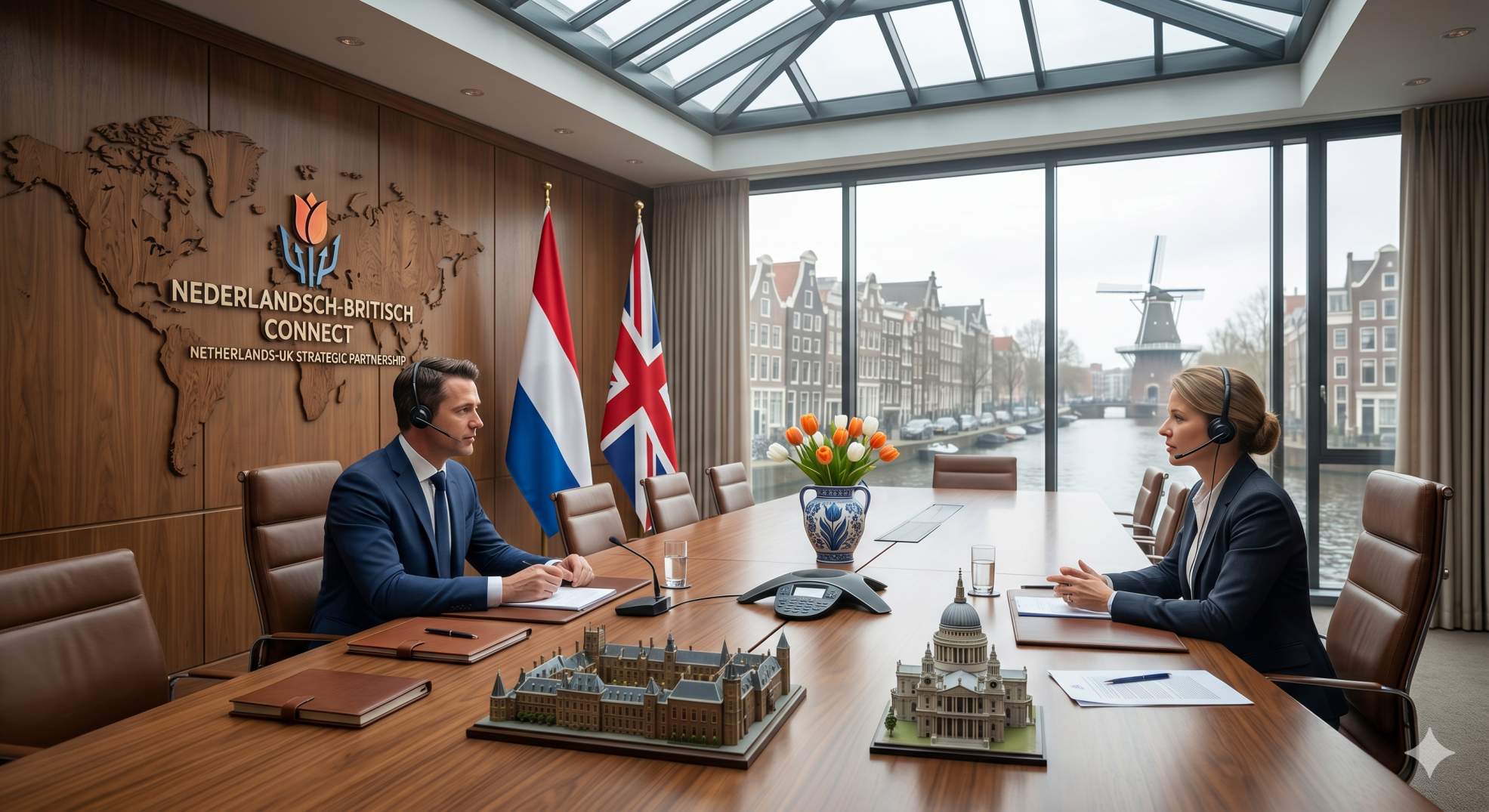
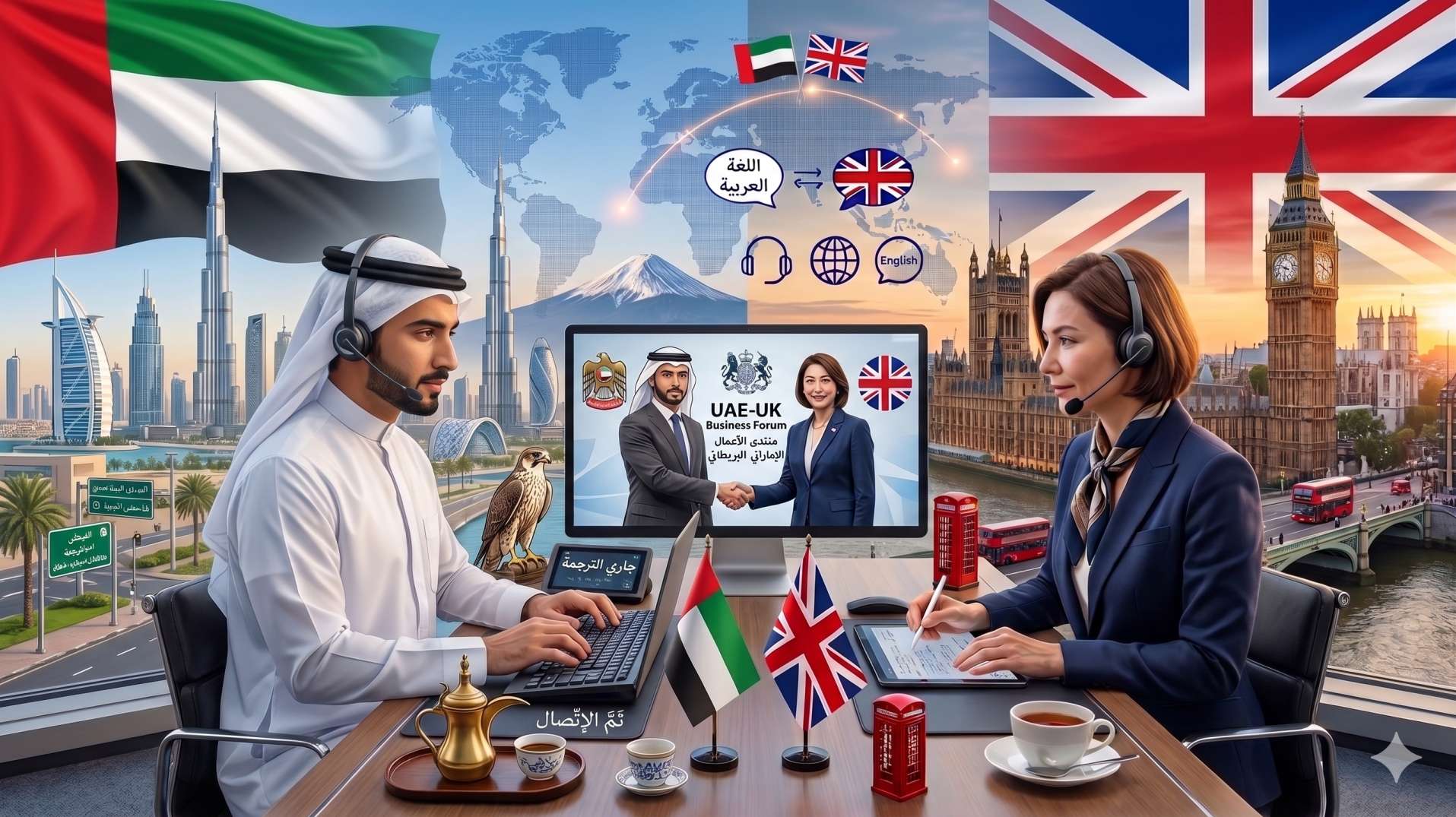
The effectiveness of interpretation hinges on selecting the appropriate modality for the specific context. Professional Arabic interpreters in Rochdale offer a range of services tailored to different communication needs. Consecutive interpretation is commonly used in one-on-one meetings, doctor’s appointments, or small group discussions. The interpreter listens to a segment of speech, then delivers the interpretation in the other language once the speaker has finished. This allows for a natural flow of conversation, albeit with slight pauses. Simultaneous interpretation is employed in larger settings such as conferences, lectures, or formal meetings where immediate understanding is crucial. The interpreter, often working from a soundproof booth with specialised equipment, interprets the speaker’s words almost as they are being spoken, with only a few seconds’ delay. This requires intense concentration and highly developed skills. Escort interpretation, also known as liaison interpretation, is used for business meetings, site visits, or social functions where the interpreter facilitates communication between parties on a more informal, yet professional, basis. They act as a cultural bridge, ensuring smooth interactions. Increasingly, remote interpretation services are becoming vital, offering flexibility and accessibility. This can be conducted via telephone (Video Remote Interpreting – VRI) or video conferencing platforms, allowing clients to connect with qualified Arabic interpreters regardless of geographical location. This modality is particularly useful for urgent consultations or when on-site interpreters are not readily available, ensuring continuity of service and adherence to professional standards, often facilitated by agencies adhering to ISO 24010 standards for remote interpreting.
Economic and Social Fabric of Rochdale
Rochdale, a town with a rich industrial heritage and a forward-looking economy, benefits significantly from the linguistic diversity of its population and the services that support it. The presence of skilled Arabic interpreters is integral to the town’s economic vitality and social cohesion, enabling seamless interaction across various sectors.
Corporate and Industry
Rochdale’s economy is supported by a diverse range of industries, including manufacturing, retail, and professional services. For businesses operating in or engaging with Rochdale, clear communication is key to successful partnerships, client relations, and market expansion. Arabic-speaking business professionals, investors, or clients require accurate interpretation for negotiations, product launches, and international trade. Professional Arabic interpreters facilitate these interactions, ensuring that business objectives are met without the hindrance of language barriers. This supports Rochdale’s ambition to attract foreign investment and foster international trade relationships, aligning with the broader economic strategies of the UK government. The Rochdale Borough Council actively supports local businesses, and access to multilingual communication services is an essential component of this support structure, enabling local enterprises to engage with a global marketplace.
Tourism
While perhaps not a primary international tourist destination, Rochdale and its surrounding areas possess historical and cultural attractions that draw visitors. For Arabic-speaking tourists, having access to interpretation services can enhance their experience, whether it’s understanding local history, navigating services, or engaging with local communities. This contributes to a more welcoming environment and can indirectly support the local tourism economy by encouraging positive word-of-mouth and repeat visits. Ensuring that visitor information and services are accessible through interpretation aligns with the UK’s broader tourism strategy, which aims to attract diverse international visitors.
Legal Infrastructure
Rochdale’s legal infrastructure, like that across the UK, relies on the principle of equal access to justice. The presence of qualified Arabic interpreters is vital for local law firms, legal aid services, and the His Majesty’s Courts and Tribunals Service (HMCTS) facilities serving the area. Solicitors and barristers depend on interpreters to represent clients effectively in civil, criminal, and family courts. The Ministry of Justice oversees the administration of justice, and the availability of accredited interpreters is a critical component in ensuring that all individuals, including Arabic speakers, receive fair treatment under UK law. Professional bodies like the NRPSI and the DPSI play a crucial role in maintaining the quality and integrity of these services.
NHS Healthcare
The National Health Service (NHS) is a vital public service for the residents of Rochdale. The NHS England is committed to providing accessible healthcare for all. For the Arabic-speaking population in Rochdale, this means ensuring that language is not a barrier to receiving timely and effective medical care. Local NHS trusts, including Bolton NHS Foundation Trust and Salford Royal NHS Foundation Trust, work to provide interpretation services for consultations, treatments, and emergency care. The Care Quality Commission (CQC) monitors the quality of care, and effective communication is a key aspect of patient safety. Professional Arabic interpreters ensure that patients understand their health conditions and treatment plans, fostering trust and improving health outcomes in line with UK healthcare standards and UK GDPR.
Local Infrastructure and Transport
Rochdale’s infrastructure, including its transport networks, plays a role in its connectivity and accessibility. The town is served by a range of transport options, including rail, bus, and road networks, facilitating movement within the borough and to surrounding areas like Manchester. For Arabic-speaking residents and visitors, clear communication is essential for navigating these services. Information provided by transport operators, local authorities like the Rochdale Borough Council, and national bodies such as National Rail Enquiries needs to be accessible. Professional interpretation services can assist in ensuring that public transport information, travel advice, and safety instructions are understood by all members of the community. This enhances the usability of local infrastructure and supports the social integration of Arabic speakers within Rochdale, contributing to a more inclusive and functional urban environment. The availability of reliable communication services is a testament to Rochdale’s commitment to serving its diverse population effectively.
Conclusion
In conclusion, the provision of professional Arabic interpreter in Rochdale services is a critical component of the town’s social, legal, and economic infrastructure. From ensuring justice in the courts under the purview of HMCTS, to safeguarding patient well-being within the NHS, and facilitating business interactions, the need for accurate and culturally sensitive interpretation is undeniable. Engaging certified and qualified Arabic interpreters ensures that all individuals can participate fully and equitably in society, upholding the principles of fairness and access that are fundamental to the UK. For any organisation or individual in Rochdale requiring expert linguistic support, seeking out accredited professionals is the surest way to guarantee clarity, compliance, and successful communication.