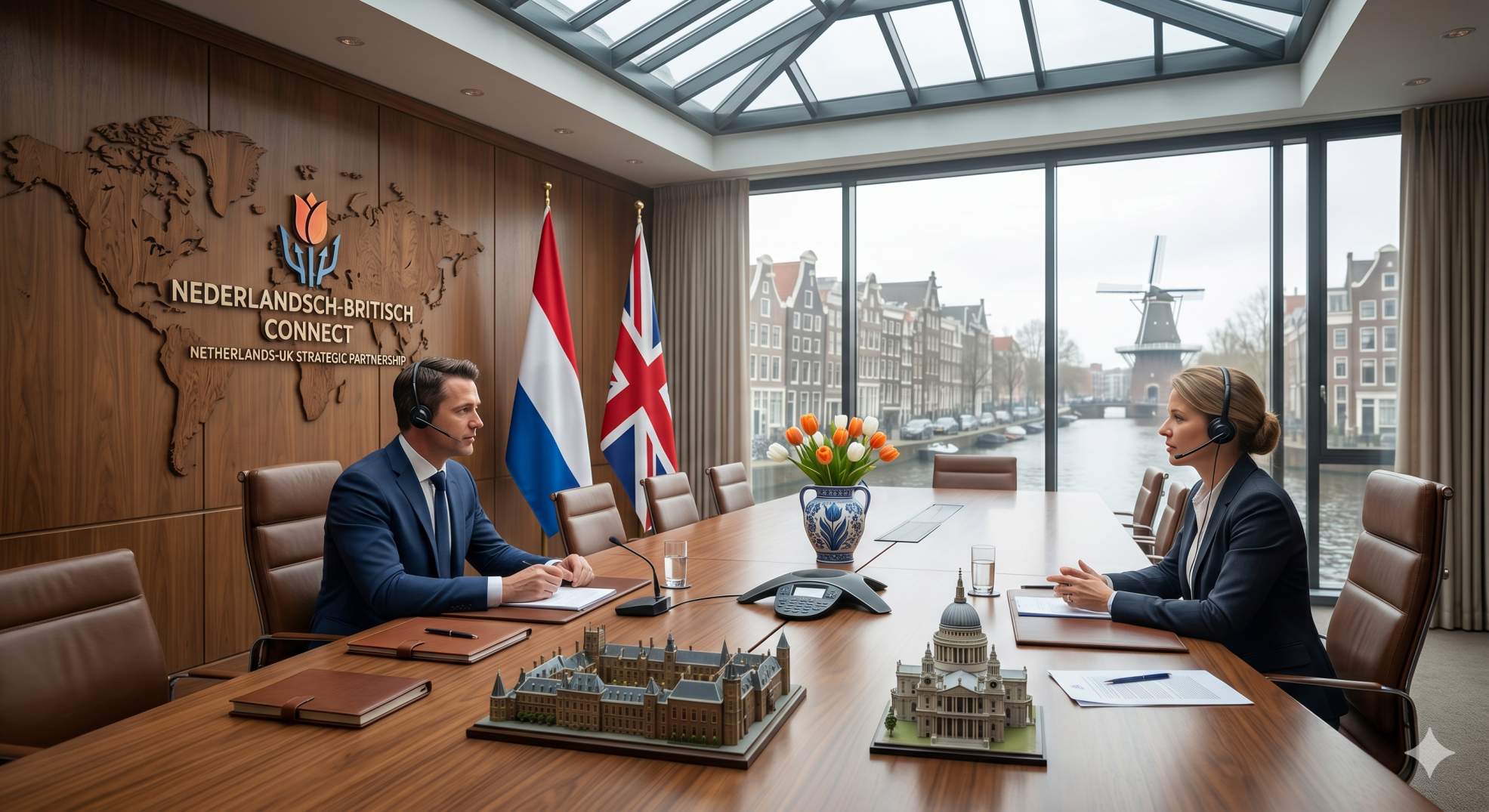
Securing a qualified Danish interpreter in Bedford is paramount for effective communication across vital sectors, from legal proceedings and healthcare to business and immigration. In a diverse UK landscape, access to professional language services ensures that individuals can understand and be understood, upholding legal rights, patient safety, and commercial integrity. For those requiring Danish language support in Bedford, partnering with accredited interpreters is not merely a matter of convenience but a necessity for navigating the complexities of UK institutions and the local economic environment. This guide explores the critical role of Danish interpretation and translation services in Bedford, highlighting their importance within the UK’s legal, healthcare, and commercial frameworks, and the specific needs of the Bedford community. We will delve into the nuances of interpretation versus translation, the stringent requirements for legal and healthcare settings, and the economic significance of robust language access. The local NHS trusts serving Bedford, such as the Bedford Hospital NHS Trust and the Central and North West London NHS Foundation Trust, rely on accurate interpretation to ensure equitable patient care, underscoring the vital need for professional Danish language support.
Translation vs Interpretation
While often used interchangeably, translation and interpretation are distinct disciplines, each requiring specialised skills and adhering to different professional standards within the UK. Understanding this difference is crucial when seeking language assistance, particularly for critical applications such as legal matters or medical consultations. A professional Danish translator in Bedford works with written text, converting documents, contracts, certificates, and other written materials from Danish to English or vice versa. This process requires meticulous attention to detail, an understanding of linguistic nuances, and often, subject-specific knowledge to ensure accuracy and cultural appropriateness. Translators typically work offline, allowing for research and review to produce a polished, precise final document. In contrast, a Danish interpreter in Bedford facilitates spoken communication in real-time. This involves listening to a speaker in one language and rendering their message accurately and fluently in another. Interpretation demands exceptional listening comprehension, immediate recall, and the ability to convey not only the words but also the tone and intent of the speaker. Professional interpreters in the UK are often accredited by bodies such as the National Register of Public Service Interpreters (NRPSI) or hold qualifications like the Diploma in Public Service Interpreting (DPSI), ensuring they meet the rigorous standards required for public service settings. For businesses and individuals in Bedford, choosing between a translator and an interpreter depends entirely on whether the need is for written documents or live spoken communication.
Legal Defence, Immigration, and Courtroom Interpretation
The UK’s justice system, governed by principles of fairness and access to justice, mandates that all individuals, regardless of their language proficiency, have the right to understand proceedings and legal advice. For Danish speakers involved in legal matters in Bedford, this means access to qualified interpreters is a fundamental right. The His Majesty’s Courts and Tribunals Service (HMCTS) operates under strict guidelines to ensure that all parties can participate fully in hearings. This includes providing interpreters for criminal and civil cases heard in courts across England and Wales, as well as for tribunals. Professional Danish interpreters working within the UK legal system must possess not only fluency in both Danish and English but also a deep understanding of legal terminology, courtroom etiquette, and the specific codes of conduct set by regulatory bodies like the NRPSI. Their role is critical in ensuring accurate communication during police interviews, pre-trial consultations with solicitors, and courtroom testimony. Furthermore, for individuals navigating the UK immigration system, the UK Visas and Immigration (UKVI), part of the Home Office, requires clear and accurate documentation and communication. Danish speakers may need interpreters for visa applications, asylum interviews, and appeals heard before the First-tier Immigration Tribunal. The accuracy provided by a certified Danish interpreter is essential for the integrity of these processes and for upholding the rights of individuals. Law firms in Bedford and surrounding areas frequently engage professional interpreters to represent their Danish-speaking clients, ensuring that no detail is lost in translation, thereby strengthening legal defence and facilitating fair outcomes within the UK’s legal framework.
Healthcare and NHS Patient Safety
Patient safety and equitable access to healthcare are cornerstones of the UK’s National Health Service (NHS). For Danish-speaking patients in Bedford, effective communication with healthcare professionals is vital for accurate diagnosis, treatment, and informed consent. The NHS operates under stringent guidelines, including those set by Care Quality Commission (CQC) and NHS England’s Language Access guidelines, to ensure that language barriers do not compromise patient care. Professional Danish interpreters play an indispensable role in various NHS settings, from GP surgeries and community clinics to hospitals like the Bedford Hospital NHS Trust. They facilitate consultations, explain complex medical information, assist during medical examinations, and ensure that patients understand treatment plans and medication instructions. The use of unqualified or informal interpreters, such as family members, can lead to misunderstandings, errors, and potentially serious consequences, undermining patient safety and violating UK GDPR principles regarding the secure handling of sensitive personal data. Professional interpreters are bound by strict confidentiality agreements and ethical codes, ensuring that patient information is protected. Furthermore, their training in medical terminology and cultural sensitivity helps bridge communication gaps, fostering trust and improving the overall patient experience. The NHS England emphasizes the importance of providing language support to ensure that all patients receive high-quality care, irrespective of their linguistic background. For Danish speakers in Bedford, access to accredited medical interpreters is a critical component of their healthcare journey.
Technical Interpretation Modalities
The effectiveness of Danish interpretation in Bedford is significantly enhanced by the deployment of appropriate technical modalities, tailored to the specific context and requirements of the communication. Professional interpreters are skilled in various methods, ensuring seamless interaction in diverse settings:
- Simultaneous Interpretation: This is the most demanding form, where the interpreter speaks almost concurrently with the source speaker, typically used in conferences, large meetings, or live broadcasts. It requires sophisticated equipment (booths, headsets, microphones) and highly skilled interpreters working in pairs. This modality is crucial for international business events or high-level governmental discussions involving Danish delegates.
- Consecutive Interpretation: Here, the interpreter waits for the speaker to pause or finish a segment before rendering the message in the target language. This is common in smaller meetings, legal depositions, medical consultations, and one-on-one discussions where a more deliberate pace is acceptable. It allows for greater accuracy and reflection.
- Escort Interpretation: Often referred to as liaison interpretation, this involves accompanying clients to meetings, site visits, or social functions. The interpreter facilitates communication between parties in a more informal, conversational manner, bridging language gaps in business negotiations, factory tours, or diplomatic engagements.
- Remote Interpretation (Telephone/Video): With advancements in technology, remote interpretation has become increasingly prevalent. Using telephone or video conferencing platforms, interpreters can connect with clients anywhere, providing immediate access to language support. This modality is highly effective for routine calls, quick consultations, or situations where an on-site interpreter is not feasible or cost-effective, while still adhering to professional standards and confidentiality.
Each modality requires a different skill set and often different equipment, but all demand the same level of professionalism, accuracy, and adherence to ethical standards expected of UK-based interpreters, ensuring that Danish speakers in Bedford can engage effectively in any situation.
Economic and Social Fabric of Bedford
Corporate/Industry
Bedford’s economy is a dynamic mix of established industries and emerging sectors. Danish businesses looking to invest in the UK, or UK companies with Danish partners, require robust language support to navigate the commercial landscape. This includes translating marketing materials, contracts, and technical documentation, as well as providing interpreters for business meetings, negotiations, and site visits. The presence of a skilled Danish interpreter in Bedford can facilitate smoother transactions, foster stronger business relationships, and ensure compliance with UK commercial law. Sectors such as manufacturing, logistics, and technology are prominent in the region, offering opportunities for international collaboration where Danish language proficiency can be a significant asset.
Tourism
While perhaps not a primary international tourist hub, Bedford and its surrounding areas attract visitors for historical sites, natural beauty, and cultural events. For Danish tourists or visitors attending events in Bedford, the availability of Danish interpretation services can enhance their experience and ensure they can access local information and services. This can range from providing interpreters for guided tours to translating visitor information materials, contributing to a more welcoming environment for international guests.
Legal Infrastructure
Bedford possesses a well-established legal infrastructure, including local law firms and access to HMCTS facilities. Danish individuals or businesses involved in legal disputes, property transactions, or requiring legal advice within Bedford will necessitate the services of qualified Danish interpreters. These professionals ensure that legal counsel is understood and that court proceedings are accessible, upholding the principles of justice for all residents and visitors within the UK legal system.
NHS Healthcare
As previously detailed, the healthcare sector in Bedford, served by trusts like the Bedford Hospital NHS Trust, relies heavily on effective communication. Danish-speaking patients require access to interpreters to ensure they receive appropriate medical care, understand diagnoses, and can provide informed consent. The availability of professional Danish interpreters is crucial for the equitable delivery of healthcare services within the local NHS framework, ensuring patient safety and adherence to UK healthcare standards.
Local Infrastructure and Transport
Bedford benefits from strategic positioning within the UK, with good transport links facilitating both local and national connectivity. The town is served by major road networks, including the A1 and M1, providing efficient access to London and other key economic centres. Rail services from Bedford station offer direct connections to London St Pancras International, making it accessible for business travellers and commuters. This robust infrastructure supports the flow of goods, services, and people, underpinning the local economy and making Bedford an attractive location for businesses requiring reliable access to language services. For Danish professionals or businesses operating in or visiting Bedford, understanding and navigating these transport links is simplified with the assistance of interpreters if needed, ensuring smooth logistical operations and participation in regional economic activities. The presence of a reliable legal adviser or a GP, supported by professional interpretation, further enhances the town’s appeal and functionality for its diverse population.
Conclusion
In conclusion, the need for a professional Danish interpreter in Bedford extends across critical sectors, underpinning the principles of justice, patient safety, and economic opportunity within the UK. Whether engaging with the His Majesty’s Courts and Tribunals Service (HMCTS), accessing vital NHS healthcare services provided by trusts such as the Bedford Hospital NHS Trust, or participating in international business ventures, accurate and confidential Danish interpretation is indispensable. By engaging accredited interpreters and translators, individuals and organisations in Bedford can ensure effective communication, uphold legal and ethical standards, and foster stronger connections within the local and national community. For reliable and professional Danish interpretation and translation services tailored to the UK context, seeking out NRPSI-qualified professionals is the most assured path to successful communication.