Securing a qualified Danish interpreter in Doncaster is paramount for ensuring clear communication and access to justice, healthcare, and essential services within the UK’s robust professional landscape. Doncaster, a significant economic hub in South Yorkshire, benefits from a diverse population, and for Danish speakers, accessing services often requires specialised linguistic support. This is where the expertise of professional Danish interpreters becomes indispensable, bridging language barriers in critical environments such as His Majesty’s Courts and Tribunals Service (HMCTS), the National Health Service (NHS), and various corporate sectors. Our services are designed to meet the stringent demands of UK professional standards, ensuring accuracy, confidentiality, and cultural sensitivity for all clients, whether they are individuals navigating legal or medical systems or businesses engaging with international partners. We understand the unique linguistic and cultural nuances required for effective communication, particularly when dealing with sensitive matters within the UK’s legal and healthcare frameworks. For residents and visitors in Doncaster, accessing these vital services is facilitated by a network of dedicated professionals who adhere to the highest standards of practice, ensuring that language is never a barrier to receiving comprehensive care or achieving legal recourse. The local NHS trusts serving Doncaster, such as the Doncaster and Bassetlaw Teaching Hospitals NHS Foundation Trust and the NHS Yorkshire and the Humber (covering the Integrated Care System), rely on professional interpretation to uphold patient safety and provide equitable care, adhering to NHS England’s Language Access Guidelines and UK GDPR principles.
Translation vs Interpretation: Understanding the Nuances
While often used interchangeably, translation and interpretation are distinct disciplines, each requiring a unique skill set and adhering to different professional standards. A Danish translator in Doncaster typically works with written documents, converting text from Danish to English or vice versa. This process allows for meticulous review, editing, and proofreading to ensure absolute accuracy, often for legal contracts, technical manuals, academic papers, or marketing materials. Professional translators in the UK often hold qualifications from bodies like the Chartered Institute of Linguists (CIOL), demonstrating their proficiency and adherence to ethical codes. On the other hand, a Danish interpreter facilitates spoken communication in real-time. This requires not only linguistic fluency but also a deep understanding of cultural context, non-verbal cues, and the ability to think quickly and accurately under pressure. Interpreters are crucial in live settings such as courtrooms, medical consultations, business meetings, and conferences. The professional standards for interpreters in the UK are rigorously maintained by organisations like the National Register of Public Service Interpreters (NRPSI) and the Diploma in Public Service Interpreting (DPSI), ensuring that interpreters possess the necessary qualifications and adhere to a strict code of conduct. For a Danish interpreter in Doncaster, this means being equipped to handle the complexities of legal proceedings, healthcare interactions, and business negotiations with precision and integrity, upholding the standards expected by UK professional bodies.
Legal Defence, Immigration, and Courtroom Interpretation
The UK’s legal system is built on principles of fairness and access to justice for all, regardless of their linguistic background. For Danish speakers involved in legal matters in Doncaster, securing a qualified interpreter is not merely a convenience but a fundamental right. His Majesty’s Courts and Tribunals Service (HMCTS) mandates the provision of professional interpreters to ensure that all parties can understand proceedings and present their case effectively. This includes criminal courts, civil courts, family courts, and various tribunals, such as the First-tier Immigration Tribunal. The His Majesty’s Courts and Tribunals Service (HMCTS) works closely with accredited interpreter bodies to ensure that interpreters meet the highest standards of accuracy and impartiality. Professional interpreters registered with the NRPSI or holding the DPSI qualification are essential for these settings. They must possess a comprehensive understanding of legal terminology in both Danish and English, as well as the procedural rules of UK courts. This ensures that evidence is presented accurately, witness testimony is understood, and legal advice is conveyed faithfully. In immigration cases, which often involve complex procedures managed by the UK Visas and Immigration (UKVI), a Danish interpreter facilitates communication during interviews and hearings at the First-tier Immigration Tribunal. The accuracy provided by a professional Danish interpreter in Doncaster is critical for the integrity of the legal process, safeguarding the rights of individuals and upholding the rule of law within the United Kingdom.
Healthcare and NHS Patient Safety
Patient safety and equitable access to healthcare are cornerstones of the UK’s National Health Service (NHS). For Danish-speaking patients in Doncaster, effective communication with healthcare professionals is vital for accurate diagnosis, treatment, and overall well-being. The Care Quality Commission (CQC), the independent regulator of health and social care services in England, emphasises the importance of effective communication in ensuring high-quality care. Professional Danish interpreters play a crucial role in bridging language gaps within NHS trusts such as Doncaster and Bassetlaw Teaching Hospitals NHS Foundation Trust and wider regional services under NHS Yorkshire and the Humber Integrated Care Board. These interpreters ensure that patients understand medical information, consent to procedures, and can articulate their symptoms and concerns clearly. Adherence to NHS England’s Language Access Guidelines and the principles of UK GDPR, particularly regarding data confidentiality and patient privacy, is paramount. A Danish interpreter in Doncaster must not only be linguistically proficient but also culturally aware, understanding the potential impact of cultural beliefs on health perceptions and practices. This ensures that medical consultations are conducted with sensitivity and respect, leading to better patient outcomes and fostering trust between patients and healthcare providers. The professional standards, often aligned with those set by the NRPSI, guarantee that interpreters are qualified to handle the sensitive and often complex nature of medical discussions, ensuring that all patients receive the highest standard of care.
Technical Interpretation Modalities
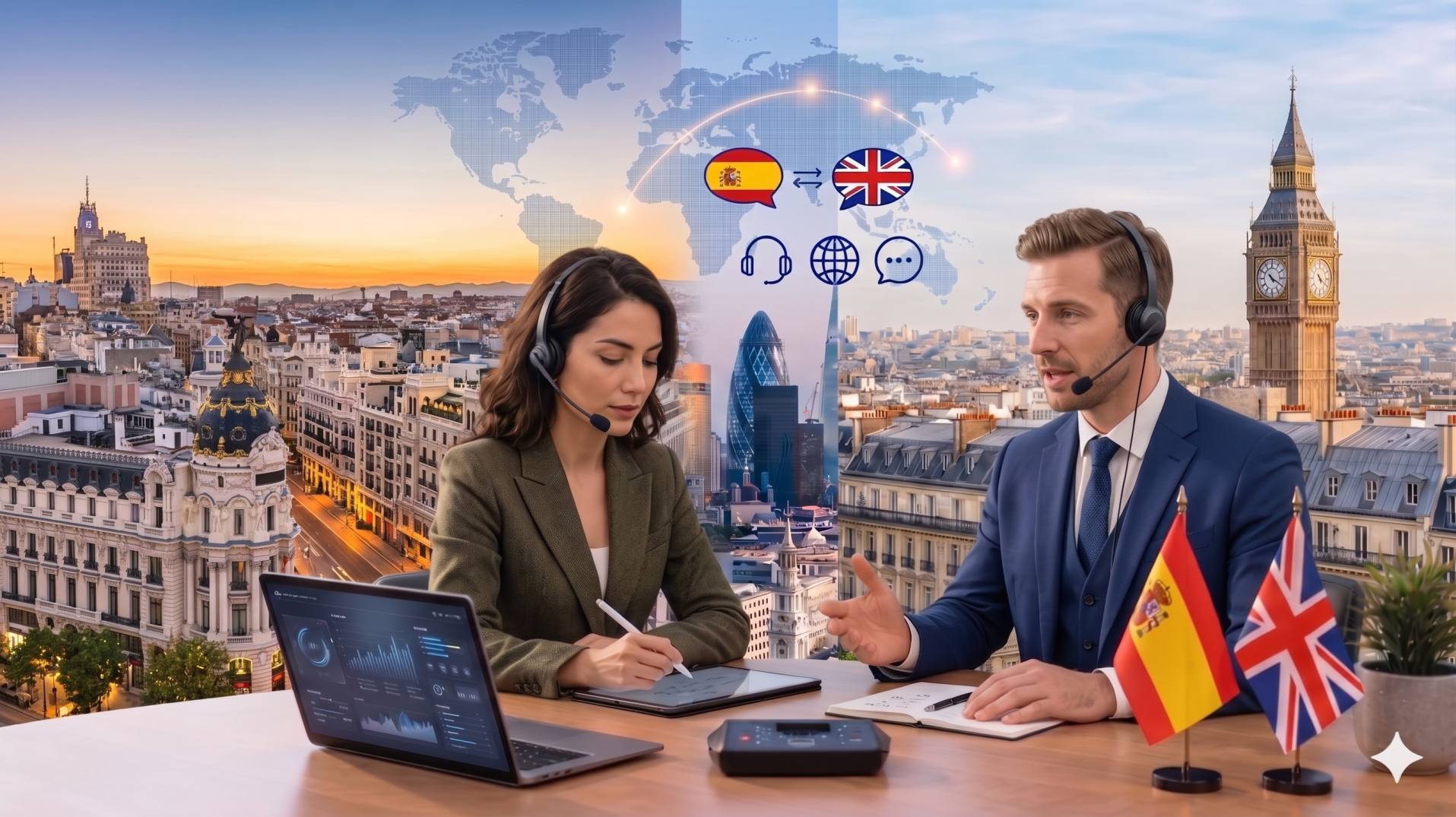
The delivery of professional interpretation services involves various modalities, each suited to different communication contexts. Understanding these technical aspects is crucial for selecting the most effective service for a specific need in Doncaster. Consecutive interpretation is commonly used in one-on-one meetings, doctor’s appointments, or smaller group discussions. The interpreter listens to a segment of speech, then renders it in the target language, allowing for a natural flow of conversation with brief pauses. Simultaneous interpretation is employed in larger settings like conferences, lectures, or formal meetings where time is critical. Here, the interpreter conveys the message almost instantaneously as the speaker talks, often using specialised equipment such as booths and headsets. This requires a high degree of concentration and linguistic agility. Escort interpretation, also known as liaison interpretation, is used for business negotiations, site visits, or social functions. The interpreter acts as a cultural bridge, facilitating communication between parties and providing context. Finally, remote interpretation, including telephone interpreting (OPI) and video remote interpreting (VRI), has become increasingly prevalent. This modality offers flexibility and cost-effectiveness, allowing access to qualified Danish interpreters in Doncaster for situations where physical presence is not feasible or necessary. Regardless of the modality, professional Danish interpreters adhere to the strict ethical codes and standards set by UK professional bodies like the CIOL and the NRPSI, ensuring accuracy, confidentiality, and impartiality across all service types.
Economic and Social Fabric of Doncaster
Doncaster’s economy is a dynamic blend of traditional industries and emerging sectors, supported by a growing population and strategic location. Understanding this local context is vital for businesses and organisations requiring specialised linguistic support. A professional Danish interpreter in Doncaster can facilitate engagement across various facets of the city’s economic and social life.
Corporate and Industry
Doncaster boasts a strong industrial heritage, particularly in manufacturing, engineering, and logistics, with significant recent investment in advanced manufacturing and technology. Companies operating in these sectors, or those looking to expand into the Danish market or attract Danish investment, require precise communication. This includes translating technical documentation, facilitating negotiations with Danish partners, and ensuring smooth integration of international teams. Professional Danish translators and interpreters are essential for maintaining competitive advantage and fostering strong business relationships within the UK and beyond. The Doncaster Chamber of Commerce often supports businesses in international trade, highlighting the need for reliable linguistic services.
Tourism
While perhaps not as prominent as some other UK cities, Doncaster has a growing tourism sector, attracting visitors interested in its historical sites, racecourse, and cultural attractions. For Danish tourists or businesses involved in the hospitality sector catering to international visitors, clear communication is key. This can range from translating marketing materials and website content to providing interpretation services for guided tours or at local events. Ensuring Danish visitors feel welcomed and informed enhances their experience and contributes positively to the local economy.
Legal Infrastructure
Doncaster possesses a well-established legal infrastructure, including local law firms and access to regional courts and tribunals. For Danish nationals residing in or visiting Doncaster, navigating the UK legal system, whether for civil disputes, family matters, or immigration issues, necessitates professional legal interpretation. Law firms in Doncaster, and those serving the region, rely on qualified Danish interpreters to ensure their clients’ rights are protected and that proceedings before HMCTS are conducted with full understanding. The presence of accredited interpreters from bodies like the NRPSI is crucial for maintaining the integrity of justice.
NHS Healthcare
As previously detailed, the healthcare system in Doncaster, primarily served by trusts like Doncaster and Bassetlaw Teaching Hospitals NHS Foundation Trust, is a critical service for all residents. For Danish speakers, accessing timely and effective healthcare depends on the availability of professional interpreters. This ensures that patients can communicate their health concerns accurately to medical professionals, understand diagnoses, and provide informed consent, aligning with CQC standards for patient care and communication. The NHS Yorkshire and the Humber Integrated Care Board oversees regional health strategies, underscoring the importance of accessible language services across all healthcare providers.
Local Infrastructure and Transport
Doncaster’s strategic location in South Yorkshire, with excellent transport links, makes it an accessible city for both domestic and international visitors and businesses. Its position on major road networks, including the M1 and A1(M), and its own international airport, Robin Hood Airport Doncaster Sheffield (DSA), facilitate connectivity. The city also benefits from a well-connected railway station, serving as a hub for national rail services. This robust infrastructure supports the flow of business, tourism, and individuals requiring essential services. For Danish professionals or visitors arriving in Doncaster, understanding local transport regulations, engaging with service providers, or participating in business events is made smoother with the assistance of professional Danish interpreters. Whether it’s navigating public transport, attending industry conferences, or meeting with local authorities, reliable interpretation ensures seamless integration and efficient operations. The city council, Doncaster Council, provides essential public services, and clear communication with all residents, including Danish speakers, is a key objective, supported by professional interpretation where needed.
Conclusion
For any Danish speaker in Doncaster requiring professional linguistic services, whether for legal proceedings, healthcare appointments, business engagements, or any other critical interaction, engaging a qualified Danish interpreter in Doncaster is essential. Our commitment is to provide accurate, confidential, and culturally sensitive interpretation and translation services that meet the rigorous standards of UK professional bodies. We ensure that language barriers are overcome, enabling full participation in the UK’s legal, healthcare, and economic systems. Contact us today to discuss your specific requirements and experience the peace of mind that comes with expert linguistic support.