Securing a qualified Danish interpreter in Southampton is paramount for seamless communication across diverse professional sectors within the city and the wider UK. Whether navigating the complexities of His Majesty’s Courts and Tribunals Service (HMCTS), ensuring patient safety within the National Health Service (NHS), or facilitating international business dealings, the need for precise linguistic support is undeniable. Southampton, a vibrant port city with a significant economic footprint, relies heavily on effective communication to maintain its standing as a hub for commerce, healthcare, and legal services. This is particularly true for organisations interacting with Danish-speaking individuals, requiring interpreters accredited by recognised UK bodies to guarantee accuracy and adherence to professional standards. The local NHS trusts, such as the University Hospital Southampton NHS Foundation Trust and the Solent NHS Trust, exemplify the critical need for language services to ensure equitable access to healthcare for all residents, irrespective of their linguistic background.
Translation vs Interpretation
Understanding the distinction between translation and interpretation is fundamental when seeking linguistic services. While both involve bridging language barriers, they are distinct disciplines requiring different skill sets and methodologies. Interpretation focuses on the real-time, spoken rendition of a message from one language to another. This is crucial in live settings such as court proceedings, medical appointments, or business meetings. A Danish interpreter in Southampton must possess not only fluency in both Danish and English but also an acute understanding of cultural nuances, idiomatic expressions, and the specific terminology relevant to the context. Conversely, translation deals with the written word, converting documents, websites, or other textual materials from one language to another. This process allows for more time to ensure accuracy and polish. For legal documents, medical records, or corporate reports, a Danish translator in Southampton would be engaged. The primary keyword, “Danish interpreter in Southampton,” highlights the immediate need for spoken language services, which are often more time-sensitive and require a higher degree of on-the-spot cognitive processing than written translation. Professional bodies like the Chartered Institute of Linguists (CIOL) and the National Register of Public Service Interpreters (NRPSI) set the standards for both professions, ensuring that practitioners meet rigorous qualification and ethical requirements within the UK.
Legal Defence, Immigration, and Courtroom Interpretation
The legal landscape in the UK demands absolute precision, especially when language barriers exist. For Danish speakers involved in legal proceedings, securing a certified Danish interpreter is not merely a matter of convenience but a fundamental right. His Majesty’s Courts and Tribunals Service (HMCTS) mandates the provision of qualified interpreters to ensure fair trials and due process for all parties. This applies to criminal courts, civil litigation, family law matters, and various tribunals. The HMCTS relies on interpreters registered with bodies like the NRPSI, who adhere to a strict code of conduct. This code guarantees impartiality, confidentiality, and professional competence. Immigration law is another critical area where Danish interpretation services are vital. Individuals seeking to enter, remain, or naturalise in the UK must navigate complex procedures managed by the UK Visas and Immigration (UKVI), part of the Home Office. Accurate interpretation during interviews, appeals, and submissions to the First-tier Immigration Tribunal is essential to prevent misunderstandings that could have severe consequences. Law firms in Southampton and across the UK frequently require Danish interpreters for client consultations, evidence gathering, and court appearances. The DPS (Diploma in Public Service Interpreting) qualification is a benchmark for public service interpreters, demonstrating a high level of proficiency in legal terminology and interpreting techniques. The role of a Danish interpreter in Southampton within the legal sector is therefore indispensable, ensuring that justice is accessible to everyone, regardless of their native tongue.
Healthcare and NHS Patient Safety
Patient safety and effective communication are cornerstones of the UK’s National Health Service (NHS). For Danish-speaking patients in Southampton, accessing healthcare services without a language barrier is crucial for accurate diagnosis, treatment, and overall well-being. The Care Quality Commission (CQC), the independent regulator of health and social care in England, emphasises the importance of effective communication in providing high-quality care. NHS trusts are obligated to provide interpretation services to patients who require them, in line with NHS England’s Language Access guidelines. This includes ensuring that interpreters are qualified, competent, and available when needed. The University Hospital Southampton NHS Foundation Trust and the Solent NHS Trust, serving the Southampton area, both have protocols in place to facilitate access to interpreters for various medical consultations, from routine GP appointments to complex specialist treatments. Data protection under UK GDPR also necessitates that sensitive patient information is handled with the utmost confidentiality, a principle that professional interpreters are bound to uphold. A Danish interpreter in Southampton working within the NHS ensures that patients can fully understand their conditions, treatment options, and medication instructions, thereby empowering them to make informed decisions about their health and fostering a trusting relationship with healthcare providers. The availability of qualified Danish interpreters directly contributes to reducing medical errors and improving patient outcomes, aligning with the core mission of the NHS.
Technical Interpretation Modalities
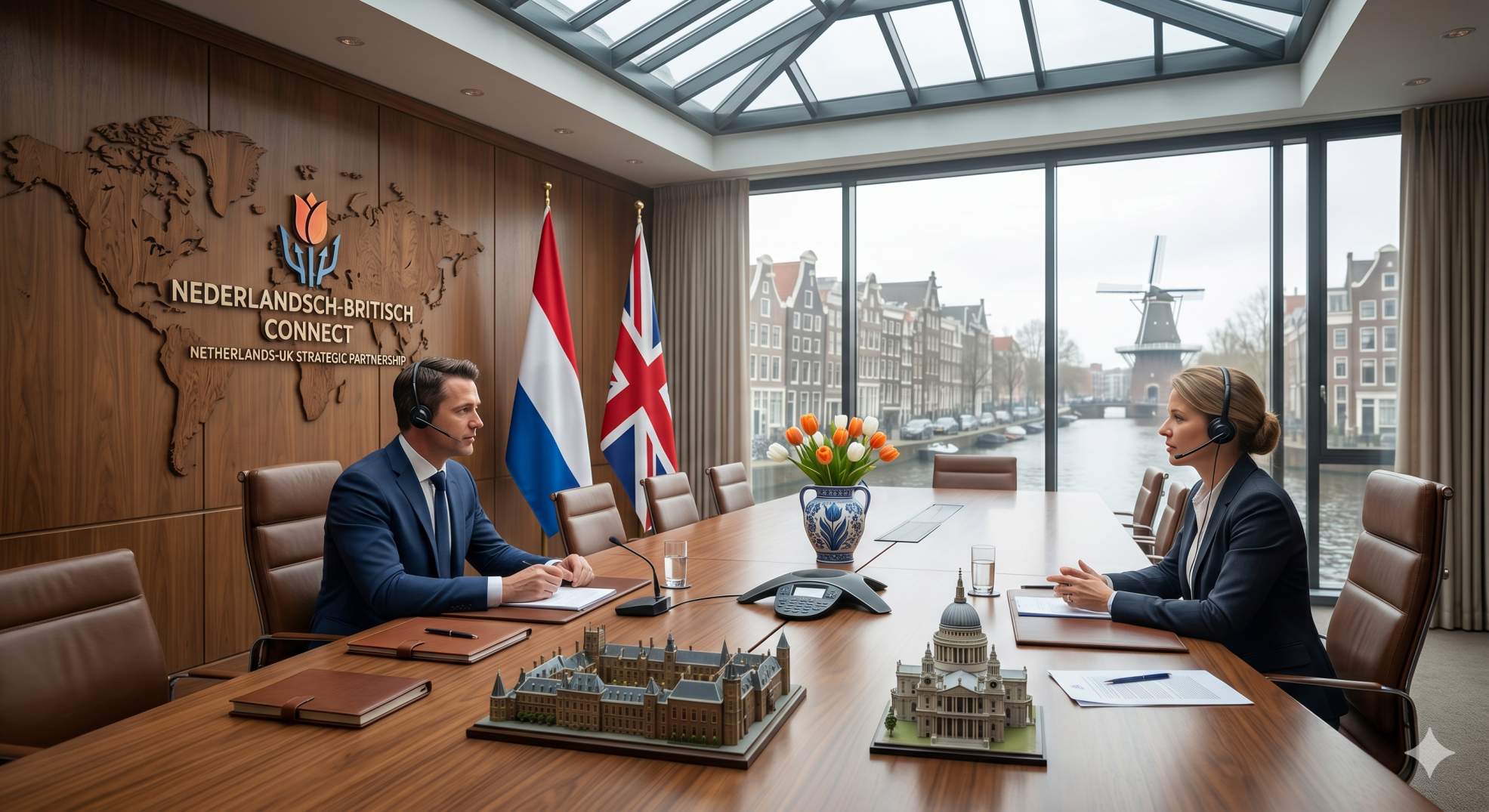
The effectiveness of interpretation hinges on selecting the appropriate modality for the specific situation. Professional Danish interpreters in Southampton are proficient in several techniques, each suited to different environments and communication needs. Simultaneous interpretation is perhaps the most demanding, requiring the interpreter to speak the target language almost concurrently with the source language speaker, often with minimal delay. This is typically used in conferences, large meetings, or parliamentary sessions where efficiency is key. It requires specialised equipment, such as booths and headsets. Consecutive interpretation involves the interpreter listening to a segment of speech, rendering it into the target language, and then pausing while the other party speaks. This is common in smaller meetings, interviews, or one-on-one discussions where direct dialogue is preferred. Escort interpretation, also known as liaison interpretation, facilitates communication between two or more parties who speak different languages. The interpreter acts as a bridge, often accompanying individuals to business meetings, site visits, or social events. This mode requires cultural mediation skills alongside linguistic expertise. Finally, remote interpretation, including telephone interpreting (OPI) and video remote interpreting (VRI), has become increasingly prevalent. This modality allows for rapid deployment of interpreters regardless of geographical location, offering flexibility and cost-effectiveness for situations where an in-person interpreter is not feasible or necessary. For a Danish interpreter in Southampton, mastering these different modalities ensures they can provide optimal linguistic support across a wide spectrum of professional and personal interactions, from urgent medical needs to formal business negotiations.
Economic and Social Fabric of Southampton
Southampton’s dynamic economy and diverse population necessitate robust linguistic support services. As a major port city and a centre for business, tourism, and education, effective communication is vital for its continued growth and prosperity. The presence of Danish businesses, shipping interests, or cultural exchanges means that demand for Danish interpretation and translation services is a consistent feature of the local economic landscape.
Corporate and Industry
Southampton boasts a thriving corporate sector, with strengths in marine, aerospace, and technology industries. International trade is a significant component of the city’s economy, and many local businesses engage with Danish counterparts. This includes supply chain management, manufacturing partnerships, and export/import activities. For these companies, having access to professional Danish interpreters and translators is crucial for negotiating contracts, managing international teams, conducting market research, and ensuring compliance with UK and EU regulations. The Southampton Chamber of Commerce plays a role in fostering these business connections, and linguistic services are an often-unseen but critical enabler of such international commerce.
Tourism
As a gateway to cruise holidays and a destination in its own right, Southampton attracts visitors from around the globe, including Denmark. The hospitality sector, including hotels, restaurants, and cultural attractions, benefits from services that can cater to international guests. While English is widely spoken, providing information and assistance in Danish can enhance the visitor experience, fostering goodwill and encouraging repeat tourism. Interpreters may be needed for specific events, guided tours, or to assist Danish tourists facing unexpected issues.
Legal Infrastructure
Southampton’s legal sector is well-developed, serving both local and national needs. Law firms specialising in commercial law, maritime law, and immigration frequently encounter clients or cases involving Danish speakers. The city’s proximity to major transport links further enhances its role as a centre for legal services. Ensuring access to qualified Danish interpreters through bodies like the NRPSI is fundamental for the fair administration of justice, supporting solicitors and barristers in representing their clients effectively within the UK’s legal framework. The presence of His Majesty’s Courts and Tribunals Service (HMCTS) facilities in the region underscores this need.
NHS Healthcare
The healthcare system in Southampton, primarily served by trusts like the University Hospital Southampton NHS Foundation Trust and Solent NHS Trust, is a major employer and service provider. The commitment to equitable access means that Danish-speaking residents must be able to communicate effectively with medical professionals. This involves interpretation for consultations, diagnoses, treatment plans, and emergency situations. Adherence to NHS England’s Language Access Policy and UK GDPR ensures that patient confidentiality and rights are protected, making qualified Danish interpreters an integral part of delivering safe and effective healthcare.
Local Infrastructure and Transport
Southampton’s robust infrastructure plays a vital role in its economic activity and connectivity. The Port of Southampton is one of the UK’s busiest, facilitating significant international trade and passenger traffic. This constant flow of people and goods necessitates efficient communication channels. Danish shipping companies, logistics providers, and port authorities may require interpretation services for operational coordination, safety briefings, and regulatory compliance. Furthermore, Southampton’s transport network, including its international airport, major railway stations, and extensive road links, ensures accessibility for both Danish business travellers and individuals relocating to the area. The availability of skilled Danish interpreters supports the smooth functioning of these transport hubs and facilitates seamless travel and business operations for Danish-speaking individuals interacting with UK transport services and authorities. The Southampton City Council oversees many aspects of local infrastructure, and ensuring access to language services can support its engagement with all residents and businesses.
Conclusion
In conclusion, the demand for professional linguistic services in Southampton is multifaceted, driven by the city’s vibrant economy, its role as a key transport hub, and its commitment to equitable access to justice and healthcare. For Danish speakers and organisations interacting with the Danish community, securing a qualified Danish interpreter in Southampton is essential. Whether for the courtroom, the hospital ward, or the boardroom, adherence to UK professional standards, as upheld by bodies like the NRPSI and CIOL, ensures accuracy, confidentiality, and ethical conduct. Engaging certified interpreters guarantees that communication barriers are overcome, fostering trust, enabling fair legal processes, and promoting patient safety within the NHS. We provide expert Danish interpretation services tailored to the specific needs of UK professional services markets, ensuring your communication objectives are met with precision and professionalism.