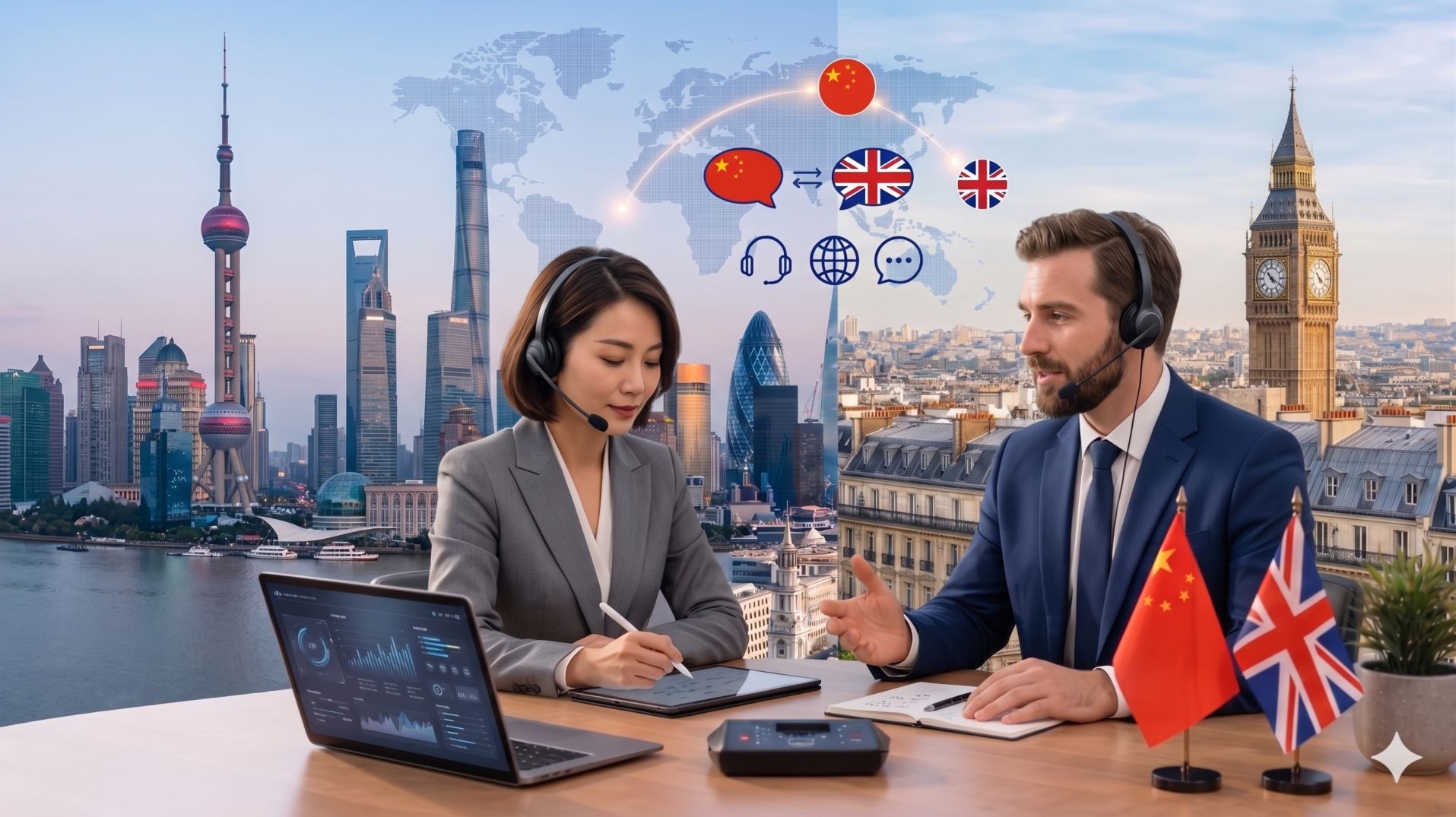
Securing a qualified Dutch interpreter in Bedford is paramount for effective communication across a multitude of sectors within the UK’s professional landscape. Whether navigating the complexities of legal proceedings, ensuring patient safety within the National Health Service (NHS), or facilitating international business transactions, the need for precise and culturally attuned interpretation is undeniable. Bedford, a town with a growing diverse population and a strategic location, requires accessible and reliable Dutch interpretation services to bridge linguistic divides. This is particularly crucial when engaging with key local NHS trusts such as the Bedford Hospital NHS Trust and the Central London Community Healthcare NHS Trust, which serves parts of the region, ensuring that all patients, regardless of their primary language, receive equitable and understandable care.
Translation vs Interpretation
While often used interchangeably, translation and interpretation are distinct disciplines, each requiring a unique skill set and adherence to professional standards. Understanding this difference is the first step in procuring the correct linguistic support. Translation involves the conversion of written text from one language to another. This process allows for meticulous review, editing, and proofreading, ensuring accuracy and fidelity to the source material. Professional translators often specialise in specific fields, such as legal, medical, or technical documentation, and possess a deep understanding of the subject matter and its terminology. For businesses and legal entities in Bedford requiring written documents to be rendered in Dutch, or vice versa, engaging a professional translator is essential. This ensures that contracts, reports, official correspondence, and marketing materials are accurately conveyed, maintaining their intended meaning and impact. The accuracy is vital for compliance with UK regulations and for building trust with Dutch-speaking stakeholders.
Interpretation, on the other hand, deals with the conversion of spoken language in real-time or near real-time. This dynamic process requires not only linguistic proficiency but also exceptional listening skills, memory, and the ability to convey nuances, tone, and intent accurately. A skilled interpreter acts as a conduit between two or more parties speaking different languages, facilitating immediate understanding. The demand for a professional Dutch translator in Bedford often extends to interpretation services, especially in face-to-face interactions, legal consultations, medical appointments, and business meetings. The accuracy and impartiality of the interpreter are critical, particularly in sensitive environments like courtrooms or healthcare settings, where miscommunication can have severe consequences. Professional bodies like the National Register of Public Service Interpreters (NRPSI) set rigorous standards for public service interpreters, ensuring they meet the highest levels of competence and ethical conduct required for UK public services.
Legal Defence, Immigration, and Courtroom Interpretation
The administration of justice in the United Kingdom relies heavily on clear and accurate communication, making the role of a qualified Dutch interpreter indispensable in legal contexts. For individuals facing legal challenges, whether civil or criminal, the right to understand proceedings and to be understood by legal professionals is a fundamental aspect of a fair trial, as enshrined in UK law. This is where the expertise of a Dutch interpreter in Bedford becomes critical. They are essential for consultations between solicitors and their Dutch-speaking clients, ensuring that all details of a case are accurately conveyed and understood. This includes discussions about evidence, legal strategies, and the implications of court decisions.
In the courtroom, the interpreter’s role is to provide verbatim interpretation of statements, testimonies, and legal arguments. This is managed under the strict protocols of His Majesty’s Courts and Tribunals Service (HMCTS). Interpreters must adhere to a strict code of conduct, maintaining impartiality and confidentiality. The NRPSI, along with qualifications like the Diploma in Public Service Interpreting (DPSI), ensures that interpreters working in these sensitive environments possess the necessary linguistic skills and ethical grounding. For immigration matters, which are a significant area of legal work in the UK, Dutch interpreters are vital. They assist individuals navigating the complex processes managed by the Home Office and UK Visas and Immigration (UKVI). This can involve interpreting during interviews with UKVI officials, assisting with the preparation of applications, and supporting clients in hearings before the First-tier Immigration Tribunal. Accurate interpretation ensures that individuals can present their cases effectively and that decisions are made based on a complete understanding of the facts.
The Royal Courts of Justice and various county courts across the UK rely on a pool of accredited interpreters to facilitate proceedings. The integrity of the judicial process depends on the interpreter’s ability to render speech accurately without omission or addition, ensuring that the court record is a true reflection of what was said. For legal professionals in Bedford and beyond, partnering with agencies that provide NRPSI-qualified Dutch interpreters is a mark of commitment to due process and client welfare. The availability of such services ensures that language barriers do not impede access to justice for Dutch speakers within the UK legal system.
Healthcare and NHS Patient Safety
Patient safety and effective healthcare delivery are cornerstones of the NHS. In a multicultural society like the UK, ensuring that all patients can communicate their symptoms, understand diagnoses, and follow treatment plans is a critical responsibility. For Dutch-speaking patients in Bedford, access to a professional Dutch interpreter in Bedford is not merely a matter of convenience but a fundamental requirement for receiving safe and effective medical care. The NHS, guided by principles of equity and accessibility, mandates that healthcare providers take reasonable steps to ensure that patients can understand the information they are given and express their needs clearly.
This is particularly relevant when interacting with local healthcare providers. For instance, at Bedford Hospital NHS Trust, where a diverse patient population is served, the need for qualified interpreters is constant. Similarly, community health services provided by trusts like Central London Community Healthcare NHS Trust, which operates in the wider Bedfordshire area, must also accommodate non-English speakers. The Care Quality Commission (CQC) inspects healthcare providers to ensure they meet essential standards of quality and safety, which includes effective communication with patients. Failure to provide adequate interpretation can lead to misdiagnosis, incorrect treatment, and adverse patient outcomes, directly impacting patient safety and potentially leading to breaches of UK GDPR concerning the processing of sensitive personal data.
NHS England’s Language Access guidelines emphasize the importance of using qualified interpreters rather than relying on family members or untrained staff, who may lack the necessary skills, impartiality, or knowledge of medical terminology. Professional interpreters are trained to handle sensitive medical information with confidentiality and to convey complex medical concepts accurately. They understand the importance of cultural nuances that might affect patient understanding or adherence to treatment. For Dutch-speaking individuals requiring medical attention in Bedford, whether for a routine appointment, a hospital stay, or an emergency, having access to a professional Dutch interpreter ensures they can fully participate in their healthcare decisions and receive the best possible care, in line with the UK’s commitment to patient-centred services.
Technical Interpretation Modalities
The effectiveness of interpretation hinges not only on the interpreter’s skill but also on the modality employed, which must be suited to the specific context and communication needs. Understanding these different modes ensures that the most appropriate service is booked, maximising clarity and efficiency for all parties involved. The primary modalities include simultaneous, consecutive, escort, and remote interpretation.
Simultaneous interpretation is perhaps the most demanding, requiring the interpreter to listen, comprehend, and speak almost concurrently. This is typically used in large conferences, international meetings, or broadcasts where participants need to follow the proceedings in their own language without significant delay. The interpreter usually works from a soundproof booth using specialised equipment, such as headsets and microphones. While less common in day-to-day business in Bedford, it is crucial for international delegations or large-scale corporate events involving Dutch participants.
Consecutive interpretation involves the interpreter speaking after the source speaker has finished a segment of speech. The interpreter listens to a longer passage, takes notes, and then renders the message in the target language. This modality is ideal for smaller meetings, legal consultations, medical appointments, and one-on-one discussions where direct interaction and a slightly slower pace are acceptable. It allows for a more natural flow of conversation compared to simultaneous interpretation and is frequently used by a Dutch interpreter in Bedford for client meetings and legal discussions.
Escort interpretation (also known as liaison interpretation) is a more informal mode, often used for business negotiations, site visits, or social functions. The interpreter travels with the client and facilitates communication between parties in a more conversational manner. This requires the interpreter to be adaptable and to possess strong interpersonal skills, acting as a cultural bridge as well as a linguistic one. For businesses in Bedford looking to build relationships with Dutch partners, this can be invaluable.
Remote interpretation has gained significant traction, especially with advancements in technology. This includes telephone interpreting (Voice over IP) and video remote interpreting (VRI). VRI, in particular, uses video conferencing platforms to connect clients with interpreters, offering a visual cue similar to face-to-face interpretation. This modality is highly flexible, cost-effective, and can provide immediate access to interpreters for urgent situations, such as out-of-hours medical consultations or brief legal discussions, ensuring that language barriers are overcome regardless of geographical location, a key benefit for businesses and public services operating in and around Bedford.
Economic and Social Fabric of Bedford
Bedford, a historic market town with a dynamic present, boasts a diverse economic base and a rich social tapestry. Its strategic location in the East of England, coupled with its transport links, makes it an attractive hub for various industries and a welcoming place for communities from around the world. Understanding the local economic and social landscape is crucial for businesses and organisations seeking to engage effectively with the Dutch-speaking community or leverage international connections.
Corporate and Industry
Bedford’s economy is characterised by a mix of manufacturing, technology, and service industries. Historically, it has been known for its engineering and manufacturing sectors. Today, it continues to attract businesses involved in advanced manufacturing, logistics, and professional services. For Dutch companies looking to establish a presence in the UK or for UK-based firms collaborating with Dutch partners, the need for precise communication is paramount. This includes translating technical specifications, negotiating contracts, and ensuring smooth operational communication. A professional Dutch translator in Bedford can facilitate these cross-border business activities, ensuring compliance with UK regulations and fostering strong commercial relationships. The presence of international businesses in Bedford underscores the demand for specialised linguistic support.
Tourism
While not a primary tourist destination on the scale of some larger cities, Bedford attracts visitors interested in its history, river, and cultural attractions. The town’s heritage sites, parks, and the River Great Ouse offer recreational opportunities. For international visitors from the Netherlands, clear signage, translated promotional materials, and accessible information are essential for a positive experience. Local hospitality providers and tourism bodies can enhance their appeal by offering multilingual services, including Dutch, to cater to this segment of visitors. This can range from translated brochures to having staff who can communicate basic information in Dutch, supported by professional interpreters when needed.
Legal Infrastructure
Bedford possesses a robust legal infrastructure, with numerous law firms serving the local community and beyond. These firms handle a wide range of legal matters, including corporate law, family law, property, and criminal defence. The presence of His Majesty’s Courts and Tribunals Service (HMCTS) facilities in the area means that legal interpretation services are frequently required. For Dutch nationals residing in or interacting with the UK legal system, access to qualified Dutch interpreters is vital. This ensures fair representation and understanding in all legal proceedings, from initial consultations with solicitors to appearances in court. The demand for interpreters certified by bodies like the NRPSI is high within this sector.
NHS Healthcare
As previously detailed, the healthcare sector in Bedford is a significant employer and service provider. The NHS trusts serving the area, such as Bedford Hospital NHS Trust, cater to a diverse population. Ensuring equitable access to healthcare for all residents, including the Dutch-speaking community, is a key objective. This requires a consistent supply of professional medical interpreters. The integration of language services within the healthcare system is crucial for patient safety, effective treatment, and adherence to UK healthcare standards and regulations like UK GDPR. The local NHS trusts and associated community services rely on interpreters to bridge communication gaps, ensuring that all patients receive the highest standard of care.
Local Infrastructure and Transport
Bedford’s strategic location and well-developed infrastructure play a vital role in its economic activity and connectivity. Situated in the East of England, it benefits from excellent transport links, making it an accessible centre for business and residents alike. The town is served by a major railway station offering direct services to London St Pancras International, as well as other key destinations. This rail connectivity is crucial for business travellers and commuters, facilitating easy access to the capital and international travel hubs. For Dutch professionals visiting or working in Bedford, this ease of access to London, a major international gateway, is a significant advantage.
Road networks are also a strong point for Bedford. The A1, a major north-south road, is easily accessible, and the M1 motorway is also within reach, providing excellent links to the rest of the UK. These arterial routes are vital for the logistics and distribution sector, which is prominent in the region. Efficient road transport is essential for businesses operating in Bedford, including those with international supply chains involving the Netherlands. Furthermore, local bus services provide comprehensive coverage within the town and surrounding areas, ensuring that residents and visitors can navigate Bedford effectively. The availability of reliable public transport supports the social integration of diverse communities and ensures that essential services, including healthcare and legal appointments, are accessible to all, regardless of their reliance on private transport. The town’s infrastructure supports a dynamic environment where Dutch language services are increasingly necessary to facilitate seamless communication and integration.
Conclusion
In conclusion, the need for professional and certified Dutch interpreter in Bedford services is multifaceted, spanning critical sectors such as legal, healthcare, and corporate environments. Ensuring accurate and culturally sensitive communication is not merely a matter of convenience but a fundamental requirement for justice, patient safety, and successful business operations within the United Kingdom. Whether you are a legal firm requiring interpretation for court proceedings under HMCTS, an NHS trust aiming to provide equitable care to Dutch-speaking patients, or a business seeking to forge stronger ties with Dutch partners, engaging qualified interpreters is essential. By prioritising professional linguistic support, organisations in Bedford and across the UK can overcome language barriers, foster trust, and achieve their objectives with confidence. Contact us today to secure expert Dutch interpretation services tailored to your specific needs.