
Securing a qualified Dutch interpreter in Huddersfield is paramount for effective communication across vital sectors of the UK economy and public services. Whether navigating the complexities of legal proceedings, ensuring patient safety within the National Health Service (NHS), or facilitating international business transactions, the need for precise and culturally nuanced interpretation is undeniable. Huddersfield, a vibrant West Yorkshire town, is served by several key NHS trusts, including the Calderdale and Huddersfield NHS Foundation Trust and the Mid Yorkshire Teaching NHS Trust, both of which adhere to stringent language access policies to support their diverse patient populations. This page outlines the critical role of professional Dutch interpretation services in Huddersfield, highlighting their application in legal, healthcare, and commercial environments, all within the framework of UK regulations and professional standards.
Translation vs Interpretation: Understanding the Nuances
While often used interchangeably, translation and interpretation are distinct disciplines, each requiring specialised skills and training. Interpretation involves the live, oral conversion of spoken language from one tongue to another, demanding immediate comprehension, accurate recall, and fluent delivery. A professional Dutch translator in Huddersfield, conversely, works with written text, converting documents, websites, or other written materials. The skills required for each are different; interpreters must possess exceptional auditory processing, memory, and public speaking abilities, often under pressure, while translators require strong writing skills, a deep understanding of grammar and syntax in both languages, and meticulous attention to detail in written form. For legal and medical contexts in the UK, the distinction is crucial. For instance, a court document might require translation by a certified translator, while a live hearing necessitates an accredited interpreter. Ensuring the correct service is engaged is the first step towards guaranteeing clarity and compliance with UK professional standards, such as those set by the National Register of Public Service Interpreters (NRPSI).
Legal Defence, Immigration, and Courtroom Interpretation
The UK legal system, governed by His Majesty’s Courts and Tribunals Service (HMCTS), places a high premium on fairness and access to justice for all individuals, regardless of their linguistic background. For Dutch speakers involved in legal matters in Huddersfield, whether as defendants, witnesses, or parties in civil disputes, the provision of qualified interpreters is a fundamental right. This includes proceedings within Magistrates’ Courts, County Courts, the Crown Court, and various tribunals. Professional Dutch interpreters are essential for ensuring that evidence is understood, statements are accurately recorded, and legal arguments are clearly articulated. The His Majesty’s Courts and Tribunals Service (HMCTS) mandates the use of interpreters who meet specific professional standards, often requiring accreditation from bodies like the NRPSI or holding qualifications such as the Diploma in Public Service Interpreting (DPSI). This ensures impartiality and accuracy, safeguarding the integrity of the judicial process. Furthermore, in immigration matters, the UK Visas and Immigration (UKVI) section of the Home Office relies on interpreters for interviews and appeals heard at the First-tier Immigration Tribunal. Accurate interpretation is vital for individuals seeking asylum or other forms of leave to remain in the UK, ensuring their cases are presented fairly and without miscommunication. Solicitors and barristers in Huddersfield routinely engage Dutch interpreters to prepare cases, conduct client interviews, and represent clients in court, ensuring full compliance with legal obligations and professional conduct rules.
Healthcare and NHS Patient Safety
Patient safety and effective communication are cornerstones of the National Health Service (NHS) in the UK. For Dutch-speaking patients in Huddersfield, accessing healthcare services without linguistic barriers is a critical component of equitable care. The NHS has established guidelines, often informed by NHS England’s Language Access Strategy and the Care Quality Commission (CQC), to ensure that all patients can understand their diagnosis, treatment options, and consent forms. Qualified Dutch interpreters play an indispensable role in GP surgeries, hospitals, and community health centres. They facilitate consultations between patients and clinicians, ensuring that medical histories are accurately conveyed, symptoms are precisely described, and treatment plans are fully understood. This is particularly important for complex medical conditions, mental health services, and end-of-life care, where misinterpretation can have severe consequences. The Care Quality Commission (CQC) inspects healthcare providers to ensure they meet essential standards, including those related to communication and accessibility for all patients. Compliance with UK GDPR also necessitates the secure and confidential handling of patient information, a responsibility that extends to interpreters who must adhere to strict professional codes of conduct regarding confidentiality. Professional bodies like the Chartered Institute of Linguists (CIOL) and the NRPSI provide frameworks for interpreter qualifications and ethical practice, ensuring that Dutch interpreters working within the NHS in Huddersfield are competent and trustworthy. The Calderdale and Huddersfield NHS Foundation Trust and Mid Yorkshire Teaching NHS Trust, like all NHS bodies, are committed to providing high-quality care, which inherently includes overcoming language barriers through professional interpretation services.
Technical Interpretation Modalities
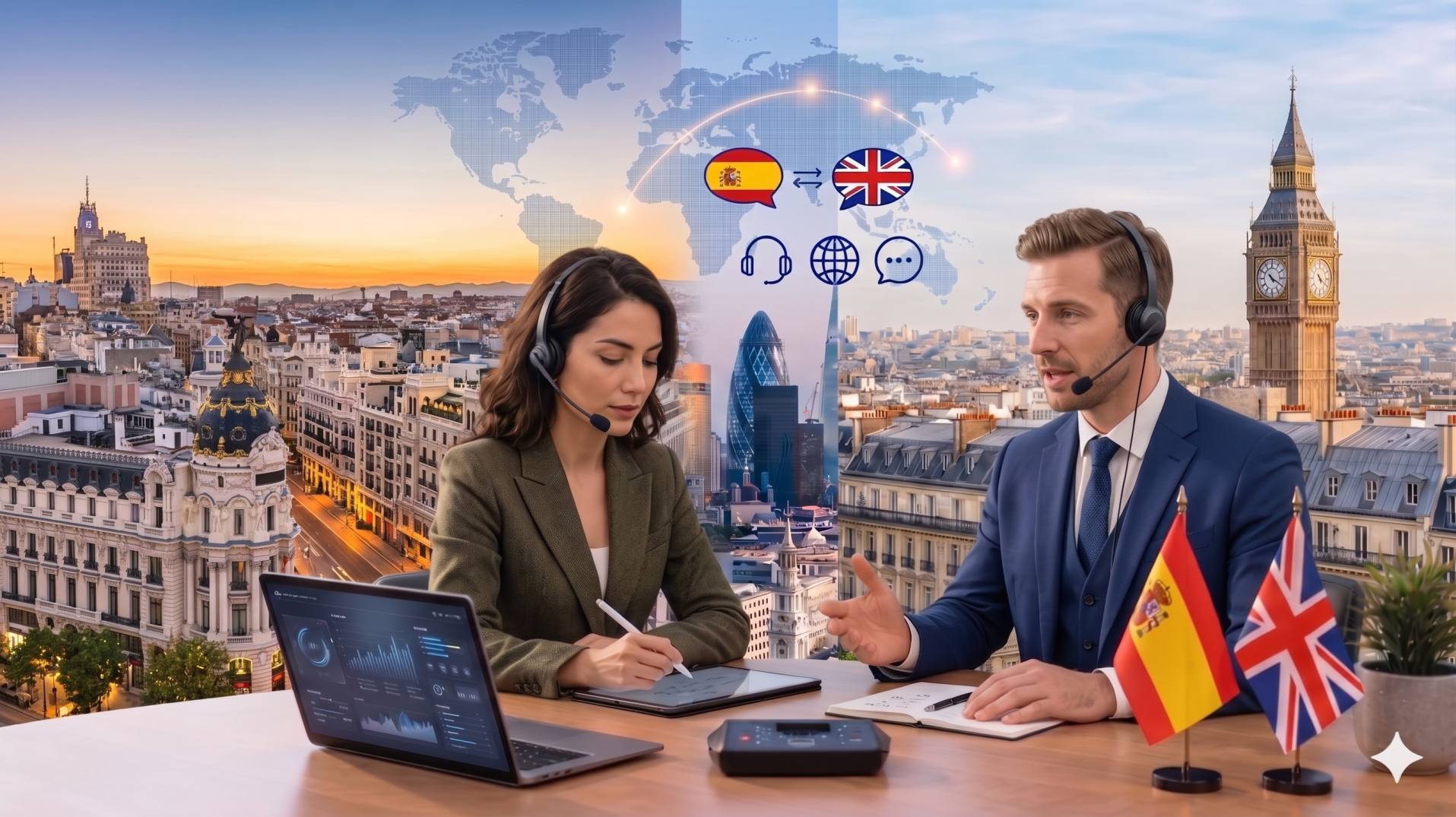
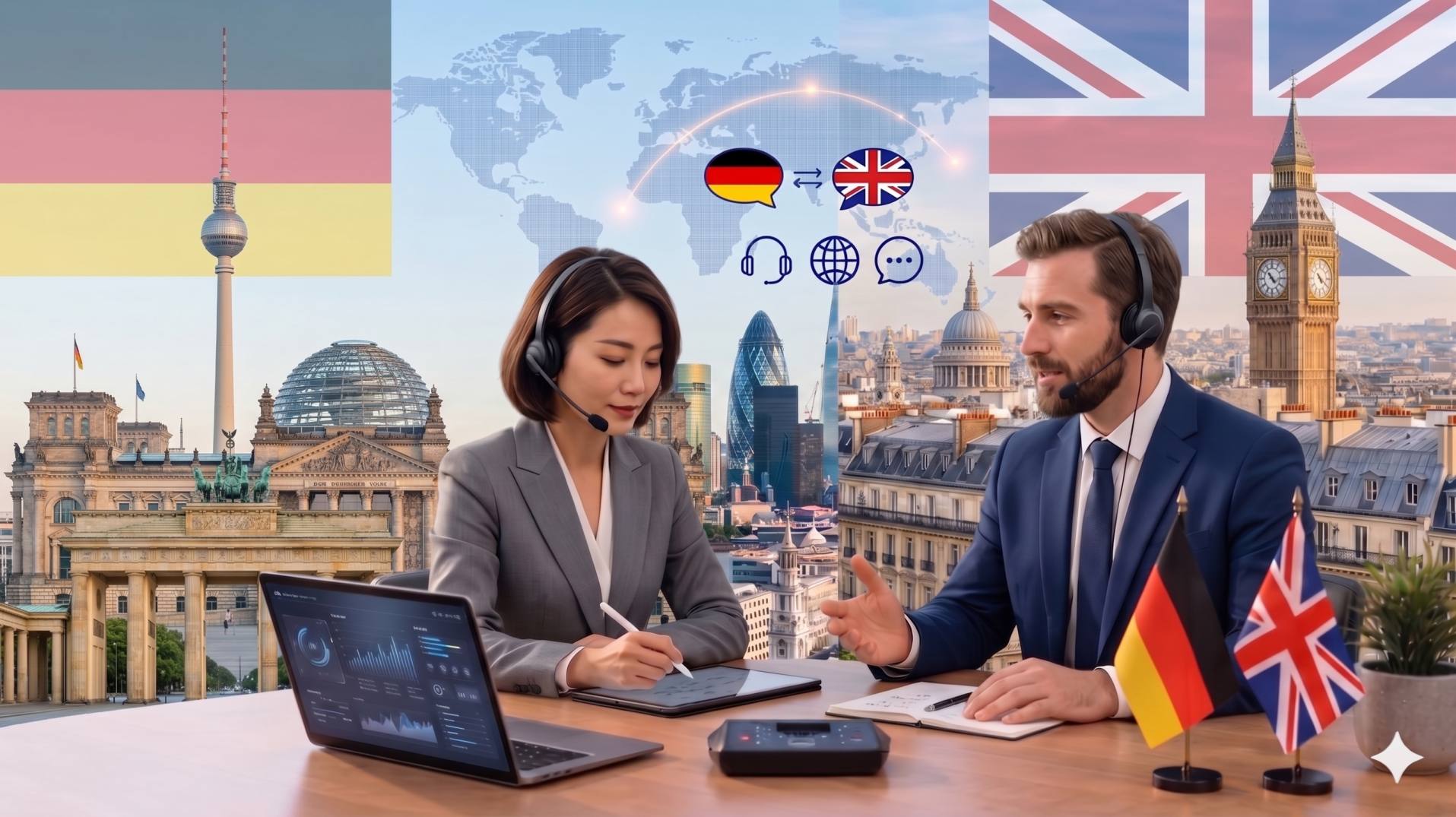
The effective delivery of Dutch interpretation services in Huddersfield relies on understanding and applying various technical modalities, each suited to different contexts and communication needs. Simultaneous interpretation is commonly used in conferences, large meetings, or parliamentary settings where speakers talk continuously, and interpreters, working in booths with specialised equipment, render the speech into the target language with minimal delay. This requires intense concentration and rapid cognitive processing. Consecutive interpretation is more common in smaller meetings, legal depositions, or medical consultations. Here, the interpreter listens to a segment of speech, waits for the speaker to pause, and then renders the message in the target language. This allows for more deliberate phrasing and clarification. Escort interpretation (also known as liaison interpretation) is often employed in business meetings, factory visits, or social gatherings. The interpreter acts as a facilitator, interpreting conversations between two or more parties, often moving with the client. This mode requires a degree of cultural mediation as well as linguistic skill. Finally, remote interpretation, facilitated by advancements in technology, allows interpreters to work from anywhere, connecting via phone or video conferencing platforms. This modality is increasingly used for routine calls, over-the-phone interpretation (OPI), or video remote interpretation (VRI) services, offering flexibility and cost-effectiveness, especially for urgent or infrequent needs. Selecting the appropriate modality ensures that the communication objectives are met efficiently and effectively, whether for a business negotiation or a sensitive patient discussion.
Economic and Social Fabric of Huddersfield
Corporate and Industry
Huddersfield boasts a diverse economic landscape, with strengths in manufacturing, engineering, and the creative industries. For Dutch businesses looking to invest, trade, or collaborate within this region, or for local enterprises engaging with Dutch partners, professional interpretation services are indispensable. Accurate communication facilitates smoother negotiations, builds stronger business relationships, and ensures compliance with UK commercial law and international trade agreements. The presence of a skilled Dutch interpreter can bridge cultural divides, foster trust, and unlock new market opportunities. This is crucial for sectors ranging from advanced manufacturing, where technical specifications must be precise, to the burgeoning digital and creative sectors, where nuanced communication is key to project success.
Tourism
As a gateway to the Pennines and with its own rich industrial heritage, Huddersfield attracts tourists from across the globe. While English is the primary language, providing Dutch-speaking visitors with access to information, guided tours, and hospitality services can significantly enhance their experience. Professional interpreters can assist hotels, heritage sites, and local businesses in catering to Dutch tourists, ensuring they feel welcome and well-informed. This not only improves visitor satisfaction but also supports the local tourism economy, encouraging repeat visits and positive word-of-mouth referrals.
Legal Infrastructure
Huddersfield is supported by a robust legal infrastructure, including local law firms, legal aid services, and access to His Majesty’s Courts and Tribunals Service (HMCTS) facilities. For Dutch nationals residing in or visiting Huddersfield, or for UK legal professionals dealing with Dutch clients or cases involving Dutch law, the availability of accredited Dutch interpreters is vital. This ensures that legal advice is understood, court proceedings are accessible, and justice is served equitably. The reliance on qualified interpreters from bodies like the NRPSI underpins the UK’s commitment to a fair and transparent legal system for all.
NHS Healthcare
The healthcare provision in Huddersfield, primarily through the Calderdale and Huddersfield NHS Foundation Trust and the Mid Yorkshire Teaching NHS Trust, serves a diverse population. The commitment to providing accessible and high-quality care means that language barriers must be overcome. Professional Dutch interpreters are integral to ensuring that Dutch-speaking patients receive accurate medical information, can express their concerns clearly, and provide informed consent. This directly impacts patient outcomes and satisfaction, aligning with the NHS’s core values and the regulatory requirements set by the CQC and NHS England.
Local Infrastructure and Transport
Huddersfield benefits from well-developed local infrastructure and transport links, connecting it to the wider West Yorkshire region and beyond. The town is served by a main railway station offering services across the UK, and a network of bus routes managed by local authorities and transport operators. For businesses and individuals requiring interpretation services, this connectivity ensures that interpreters can readily travel to various locations, including business premises, legal offices, healthcare facilities, and transport hubs. The availability of reliable transport infrastructure supports the seamless deployment of professional Dutch interpreters, whether for a one-off meeting or ongoing project requirements. Understanding the local transport network is also beneficial for remote interpretation services, as it indicates the ease with which clients can access technology or physical locations if needed.
Conclusion
In conclusion, the demand for a professional Dutch interpreter in Huddersfield spans critical sectors, from the courtroom and the hospital ward to the boardroom and beyond. Ensuring access to justice, safeguarding patient well-being, and fostering robust economic ties all hinge on the availability of highly skilled and accredited interpreters. By engaging with professionals who adhere to UK standards, such as those certified by the NRPSI or holding DPSI qualifications, organisations and individuals can be assured of accurate, confidential, and culturally sensitive communication. For any organisation or individual in Huddersfield requiring expert Dutch interpretation services, seeking out accredited professionals is not merely a matter of convenience, but a necessity for effective communication and compliance with UK legal and professional frameworks. Contacting a reputable interpreting agency or directly engaging with certified interpreters is the first step towards ensuring your communication needs are met with the highest degree of professionalism and accuracy.