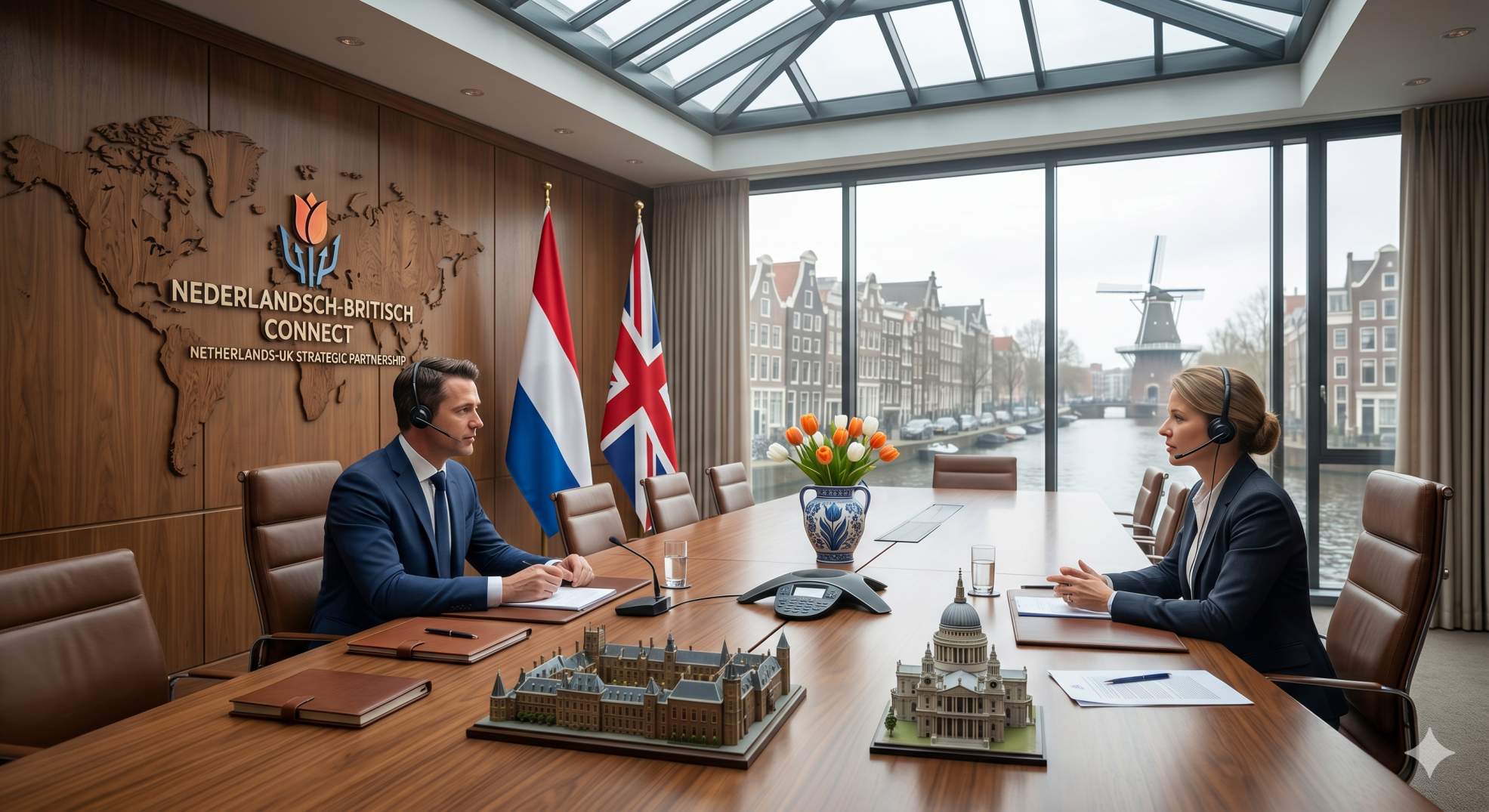
Securing a qualified Dutch interpreter in Oxford is paramount for seamless communication across critical sectors, from legal proceedings and healthcare consultations to business negotiations and academic collaborations. Oxford, a city renowned for its prestigious university and thriving professional services sector, necessitates a high calibre of linguistic support to bridge cultural and linguistic divides. For organisations operating within this dynamic environment, access to accredited interpreters is not merely a convenience but a fundamental requirement for compliance, patient safety, and effective justice. This is particularly true when dealing with sensitive matters that fall under the purview of UK institutions, such as His Majesty’s Courts and Tribunals Service (HMCTS), the National Health Service (NHS), and various government bodies. The Oxford Health NHS Foundation Trust and the Oxford University Hospitals NHS Foundation Trust, two cornerstones of healthcare provision in the region, rely heavily on accurate interpretation to ensure all patients, regardless of their linguistic background, receive equitable and safe care, adhering to stringent NHS England Language Access guidelines and UK GDPR principles.
Translation vs Interpretation
Understanding the distinction between translation and interpretation is the first step in procuring the right linguistic service. While both involve the transfer of meaning from one language to another, they are distinct disciplines requiring different skill sets and methodologies. Interpretation focuses on the spoken word, conveying messages in real-time or near real-time. This is crucial for live interactions such as court hearings, medical appointments, or business meetings. A Dutch interpreter in Oxford must possess not only fluency in both Dutch and English but also a deep understanding of cultural nuances, idiomatic expressions, and the specific terminology relevant to the context. They must be adept at listening, processing, and rendering information accurately and instantaneously, often under pressure. Conversely, translation deals with the written word, converting documents, websites, or other textual materials from one language to another. This process allows for more deliberation, research, and revision to ensure precision and fidelity. For legal documents, medical records, or corporate reports, a skilled Dutch translator in Oxford is essential to maintain the integrity of the original text. Professional bodies like the Chartered Institute of Linguists (CIOL) and the National Register of Public Service Interpreters (NRPSI) set the standards for both professions, ensuring practitioners meet rigorous qualification and ethical requirements.
Legal Defence, Immigration, and Courtroom Interpretation
The UK’s legal system is built on principles of fairness and access to justice for all. For individuals who do not speak English fluently, this principle can only be upheld through the provision of qualified interpreters. In Oxford, as across the UK, His Majesty’s Courts and Tribunals Service (HMCTS) mandates the use of accredited interpreters in all legal proceedings where a party’s understanding of the language is in question. This includes criminal trials, civil litigation, family law matters, and immigration tribunals. The HM Courts and Tribunals Service operates under strict protocols to ensure impartiality and accuracy. Dutch interpreters working within this domain must be registered with the NRPSI or hold equivalent qualifications, such as the Diploma in Public Service Interpreting (DPSI), demonstrating their competence in legal terminology and procedures. Failure to provide adequate interpretation can lead to miscarriages of justice, with profound consequences for individuals involved. The Home Office and UK Visas and Immigration (UKVI) also require certified Dutch interpreters for asylum claims, visa applications, and other immigration-related interviews. The First-tier Immigration Tribunal, a key judicial body, relies on these professionals to ensure that the evidence and arguments presented are fully understood by all parties, upholding the integrity of the UK’s immigration system. Law firms in Oxford specialising in criminal defence, immigration law, and international private law frequently engage Dutch interpreters to represent their clients effectively in matters before HMCTS and the Royal Courts of Justice.
Healthcare and NHS Patient Safety
Patient safety and effective communication are cornerstones of the National Health Service (NHS). In Oxford, the Oxford Health NHS Foundation Trust and the Oxford University Hospitals NHS Foundation Trust serve a diverse population, and ensuring that all patients can communicate their symptoms, concerns, and medical history accurately is critical. The NHS England Language Access guidelines explicitly state the right of patients to access interpretation services when needed. A Dutch interpreter in Oxford plays a vital role in GP appointments, hospital consultations, diagnostic procedures, and mental health assessments. Misunderstandings arising from language barriers can lead to misdiagnosis, incorrect treatment, delayed care, and significant patient distress. Professional interpreters ensure that medical professionals receive accurate information and that patients fully comprehend their diagnosis, treatment options, and post-care instructions. This adherence to clear communication is not only a matter of patient well-being but also a legal and ethical imperative, governed by UK law and the Care Quality Commission (CQC)‘s standards for safe and effective care. Furthermore, compliance with UK GDPR requires that all personal health information, including that shared during interpretation sessions, is handled with the utmost confidentiality and security. Professional interpreters are bound by strict codes of conduct, often verified by bodies like the NRPSI, ensuring their impartiality and discretion.
Technical Interpretation Modalities
The nature of the communication dictates the interpretation modality required. For a Dutch interpreter in Oxford, proficiency in various techniques is essential to meet the diverse needs of clients. Simultaneous interpretation is used in conferences, large meetings, or broadcasts where the interpreter speaks almost concurrently with the speaker, often using specialised equipment like booths and headsets. This requires intense concentration and rapid processing. Consecutive interpretation is more common in smaller settings such as legal depositions, business negotiations, or one-on-one meetings. Here, the interpreter listens to a segment of speech, then renders it in the target language, pausing to allow for this translation. Escort interpretation (also known as liaison interpretation) facilitates communication between parties who speak different languages in informal settings, such as site visits, factory tours, or social events. The interpreter acts as a bridge, ensuring smooth dialogue. In recent years, remote interpretation services have become increasingly prevalent, utilising telephone or video conferencing platforms. This modality requires interpreters to adapt their skills to a virtual environment, maintaining clarity and engagement without physical presence. Regardless of the modality, the core requirement remains the same: accurate, culturally sensitive, and contextually appropriate communication. Professional organisations like the International Association of Conference Interpreters (AIIC) and the NRPSI provide frameworks for training and certification across these different specialisms.
Economic and Social Fabric of Oxford
Oxford’s unique economic landscape, shaped by its world-leading university, burgeoning technology sector, and established professional services, creates a constant demand for high-quality linguistic support. Dutch businesses looking to invest, collaborate, or trade within the UK will find Oxford a strategic hub. The city’s economic vitality is underpinned by several key areas where Dutch interpretation and translation services are indispensable.
Corporate/Industry
Oxford is a significant centre for research and development, particularly in life sciences, biotechnology, and advanced manufacturing. Companies operating in these fields, including those with Dutch origins or partnerships, require interpreters for R&D collaborations, joint ventures, patent filings, and international conferences. The Local Enterprise Partnership (LEP) for Oxfordshire actively promotes economic growth and international trade, highlighting the need for seamless communication. Dutch professionals engaging with UK counterparts in sectors like advanced engineering, software development, and scientific research will benefit from interpreters who understand the technical jargon and business etiquette specific to these industries. Professional standards set by bodies like the Chartered Institute of Linguists (CIOL) ensure that interpreters possess the necessary subject matter expertise.
Tourism
As a global tourist destination, Oxford attracts millions of visitors annually. While English is the primary language, a significant number of tourists and visiting academics come from the Netherlands. Dutch-speaking guides, hotel staff, and customer service representatives are invaluable for enhancing the visitor experience. Furthermore, Dutch cultural institutions or businesses involved in heritage and tourism promotion may require translation of marketing materials, websites, and informational brochures to cater to the Dutch market. Ensuring that Dutch visitors feel welcomed and can navigate the city and its attractions with ease contributes positively to Oxford’s reputation as an international city.
Legal Infrastructure
Oxford boasts a robust legal sector, with numerous law firms serving both local and international clients. The presence of the University of Oxford’s Faculty of Law and the city’s role as a centre for legal scholarship means that complex legal matters are frequently handled here. Dutch individuals or companies involved in litigation, contract disputes, or property transactions within the UK jurisdiction will require the services of qualified Dutch interpreters. These professionals are essential for ensuring that all parties understand proceedings before His Majesty’s Courts and Tribunals Service (HMCTS), including the County Court and Family Court in Oxford, and for the accurate translation of legal documents. The Law Society and the Bar Council represent legal professionals in the UK, underscoring the importance of clear communication within this regulated environment.
NHS Healthcare
The healthcare system in Oxford, led by the Oxford University Hospitals NHS Foundation Trust and Oxford Health NHS Foundation Trust, provides vital services to residents and visitors. For the Dutch community in Oxford, or Dutch nationals requiring medical attention, access to competent interpreters is non-negotiable. Whether for routine check-ups with a GP, specialist consultations, or emergency care, accurate interpretation ensures that patients can articulate their needs and that healthcare providers can deliver the best possible care, adhering to NHS England Language Access guidelines and UK GDPR. The Care Quality Commission (CQC) monitors the quality and safety of these services, with effective communication being a key performance indicator.
Local Infrastructure and Transport
Oxford’s infrastructure supports its role as a national centre for education, research, and professional services. The city is well-connected by road and rail, facilitating business travel and the movement of goods. Major transport links include the M40 motorway, providing direct access to London and Birmingham, and regular train services from Oxford station to major UK cities. For businesses requiring Dutch interpreters for site visits, logistics planning, or discussions with transport providers, the availability of local linguistic support is crucial. The Oxfordshire County Council oversees local infrastructure development and transport services, ensuring that the city remains accessible and functional for its diverse economic base. Understanding the specific requirements of local transport authorities and adhering to UK transport regulations are also areas where precise communication, facilitated by professional interpreters, is vital.
Conclusion
In conclusion, the demand for professional Dutch interpreter in Oxford services is driven by the city’s vibrant economic activity, its status as a global academic centre, and the fundamental right to access justice and healthcare for all residents. Whether you are a law firm preparing for a case before HMCTS, an NHS trust committed to patient safety, a multinational corporation forging new partnerships, or an individual navigating the UK’s immigration system, engaging a certified and experienced Dutch interpreter is essential. We provide expert linguistic solutions tailored to the specific needs of Oxford’s professional landscape, ensuring clarity, accuracy, and compliance with all UK standards. Contact us today to discuss your requirements for a Dutch interpreter in Oxford and ensure your communication objectives are met with the highest degree of professionalism and expertise.