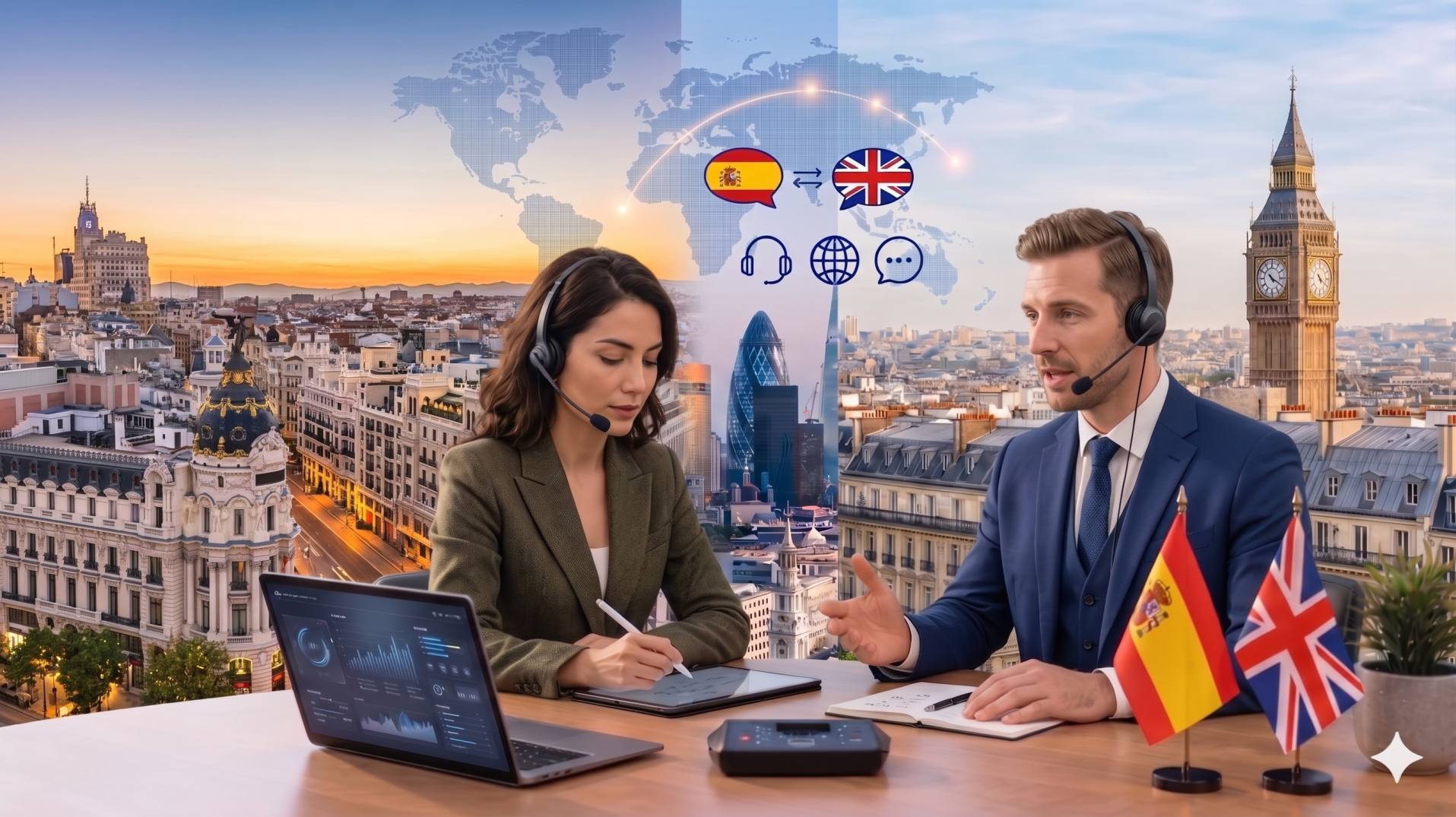
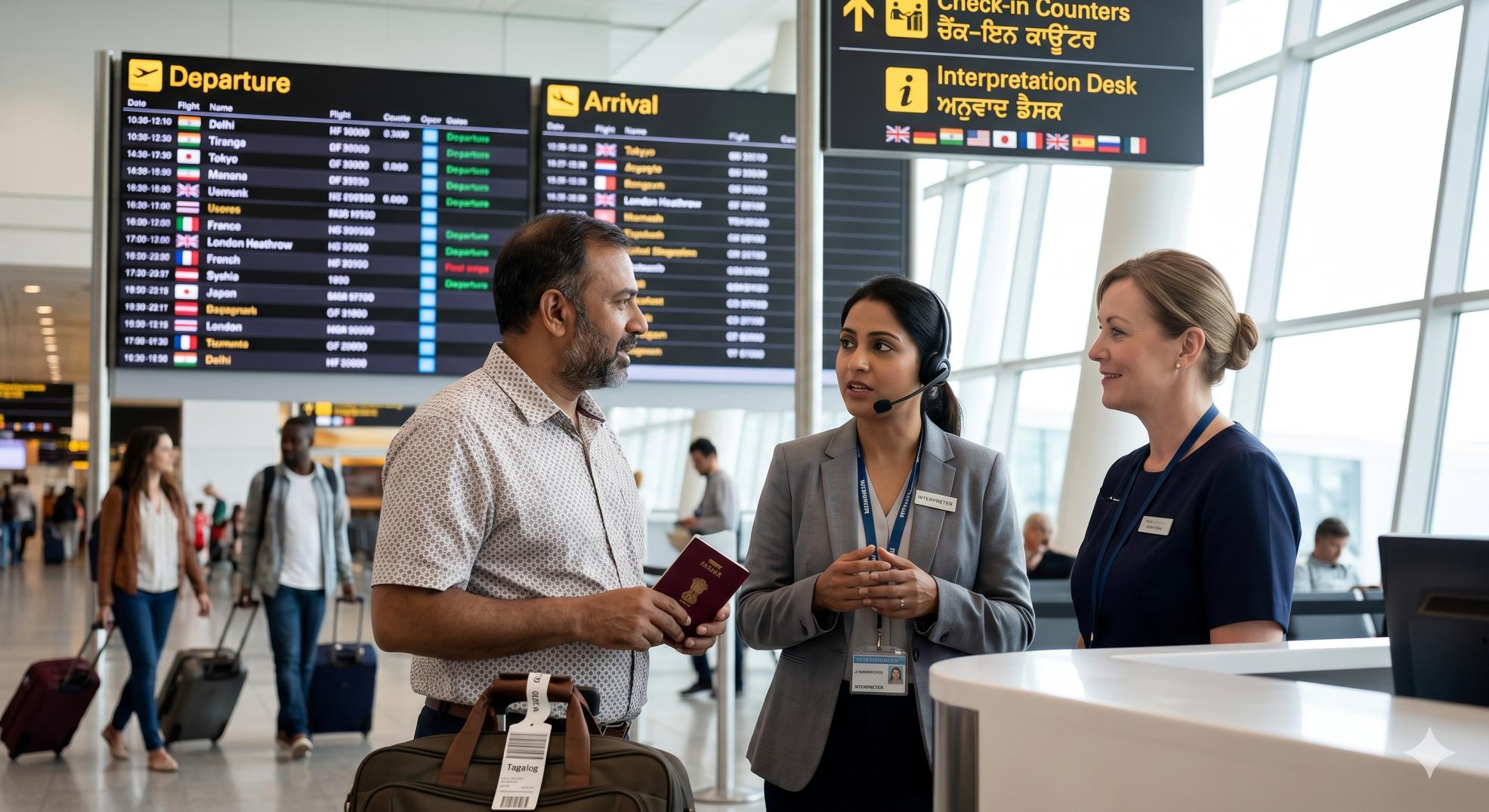
Securing a qualified French interpreter in Aberdeenshire is paramount for effective communication across diverse sectors, from legal proceedings and healthcare access to vital business interactions within the UK. Aberdeenshire, a region rich in history and economic activity, relies on seamless linguistic bridges to ensure all residents and visitors can access essential services and participate fully in civic life. For those requiring French language support, particularly within critical public services, engaging with accredited professionals is not merely a matter of convenience but a necessity for upholding standards of justice, safety, and inclusivity. The region is served by key NHS trusts, including NHS Lothian and NHS Grampian, both of which operate under stringent UK healthcare regulations that mandate accessible communication for all patients, irrespective of their linguistic background. This commitment extends to ensuring that specialist services, such as those provided by a professional French interpreter, are readily available when needed.
Translation vs Interpretation
While often used interchangeably, translation and interpretation are distinct linguistic disciplines, each requiring specialised skills and adhering to different professional standards within the UK. Interpretation involves the real-time, oral conversion of spoken or signed language from one language to another. This is a dynamic process demanding not only fluency in both the source and target languages but also an acute understanding of cultural nuances, context, and the ability to think quickly under pressure. Professional interpreters in the UK, particularly those working in sensitive fields like law or healthcare, must adhere to strict codes of conduct, often regulated by bodies such as the National Register of Public Service Interpreters (NRPSI) or the Diploma in Public Service Interpreting (DPSI) qualification. These qualifications ensure interpreters possess the necessary linguistic proficiency and ethical grounding to operate within the UK’s public service framework. A skilled French translator in Aberdeenshire, conversely, focuses on the written word, converting documents, texts, and other written materials from one language to another. This process allows for more time for research, editing, and ensuring accuracy, often leading to a more polished final product. For legal documents, medical records, or corporate literature, professional translation services are essential to maintain fidelity and legal compliance within the UK. The distinction is critical when engaging linguistic support; for live communication needs, such as court hearings or medical appointments, a qualified interpreter is indispensable, whereas for written materials, a professional translator is required.
Legal Defence, Immigration, and Courtroom Interpretation
Navigating the UK’s complex legal system requires absolute clarity, especially for individuals who do not speak English as their first language. For French speakers in Aberdeenshire, access to qualified legal interpreters is a fundamental right, ensuring fair trial principles are upheld. The His Majesty’s Courts and Tribunals Service (HMCTS) mandates the provision of interpreters in criminal and civil proceedings where a party’s understanding of the language is impaired. This is crucial for everything from initial police interviews conducted by the Police Service of Scotland to appearances before magistrates, Crown Courts, and various tribunals. Professional interpreters working within the legal sphere must be registered with recognised bodies like the NRPSI or hold qualifications such as the DPSI. This ensures they are vetted for their linguistic competence, ethical conduct, and understanding of legal terminology and procedures specific to the UK. The Home Office and its UK Visas and Immigration (UKVI) department also rely heavily on accurate interpretation during asylum claims, visa applications, and interviews. Ensuring a French speaker can fully articulate their case or understand the proceedings before the First-tier Immigration Tribunal is vital for a just outcome. Legal professionals, including solicitors and barristers in Aberdeenshire, must engage interpreters who meet these stringent UK standards to avoid miscarriages of justice and ensure compliance with legal aid requirements. The integrity of the UK justice system depends on clear communication, and professional French interpreters are the key facilitators.
Healthcare and NHS Patient Safety
Patient safety within the National Health Service (NHS) is a cornerstone of UK healthcare policy, and effective communication is integral to achieving this. For French-speaking patients in Aberdeenshire, accessing healthcare services without linguistic barriers is essential for accurate diagnosis, informed consent, and appropriate treatment. NHS trusts, including NHS Grampian, are obligated under UK law and NHS England’s Language Access guidelines to provide interpretation services for patients who require them. This ensures that vital medical information is conveyed accurately, and that patients can express their symptoms and concerns clearly to clinicians. The Care Quality Commission (CQC), the independent regulator of health and social care in England, also emphasises the importance of effective communication in its inspections and ratings, indirectly influencing standards across the UK. Interpreters engaged in healthcare settings must possess not only linguistic skills but also a deep understanding of medical terminology and the ethical considerations surrounding patient confidentiality, as mandated by UK GDPR and professional codes of conduct. Professional bodies like the NRPSI and qualifications such as the DPSI (Health option) are benchmarks for healthcare interpreters. Engaging a qualified French interpreter in Aberdeenshire for NHS appointments, hospital visits, or mental health consultations ensures that patients receive equitable care and that healthcare providers can fulfil their duty of care effectively. Misunderstandings due to language barriers can have severe consequences, making professional interpretation a critical component of patient safety and a legal requirement under UK regulations.
Technical Interpretation Modalities
The effective delivery of interpretation services in Aberdeenshire, particularly for professional and corporate clients, hinges on selecting the appropriate modality. Each method is designed to suit different communication scenarios and objectives, ensuring clarity and efficiency. Simultaneous interpretation is perhaps the most technically demanding, where the interpreter conveys the message almost instantaneously as the speaker talks, typically using specialised equipment such as booths and headsets. This is ideal for large conferences, international meetings, or parliamentary sessions where time is critical and participants need to follow proceedings in real-time. Consecutive interpretation involves the interpreter speaking after the original speaker has finished a segment of their talk, often with the aid of detailed note-taking. This is commonly used in smaller meetings, one-on-one discussions, or legal depositions where a more deliberate pace is acceptable and equipment is not feasible. Escort interpretation, also known as liaison interpretation, facilitates communication between two or more parties who speak different languages in informal settings, such as business meetings, site visits, or social events. The interpreter acts as a cultural bridge, ensuring smooth dialogue and understanding. Finally, remote interpretation has become increasingly prevalent, leveraging technology to connect interpreters with clients via telephone or video conferencing. This modality offers flexibility and cost-effectiveness, particularly for situations where an on-site interpreter is not readily available or practical. For businesses and organisations in Aberdeenshire, understanding these modalities allows for the strategic deployment of French interpretation services, ensuring that the chosen method aligns with the specific communication needs, budget, and desired outcome, all while adhering to UK professional standards.
Economic and Social Fabric of Aberdeenshire
Aberdeenshire’s economy is a dynamic blend of traditional industries and emerging sectors, creating a rich tapestry of opportunities and challenges for communication. The region’s economic vitality is underpinned by a diverse range of activities, from its historical roots in agriculture and fishing to its significant role in the energy sector and a growing presence in technology and tourism. Ensuring seamless communication through professional French interpretation and translation services is crucial for fostering international collaboration, attracting investment, and supporting the well-being of its diverse population.
Corporate and Industry
The North East of Scotland, with Aberdeenshire at its heart, has long been a hub for the oil and gas industry. Many international companies operate in this sector, requiring regular communication with French-speaking partners, suppliers, or employees. Professional French interpretation services are essential for board meetings, technical consultations, contract negotiations, and health and safety briefings, ensuring that all parties understand critical information and that UK regulatory compliance is maintained. Beyond energy, Aberdeenshire’s economy includes significant agricultural land, food processing, and a growing technology sector. Businesses in these areas also benefit from French language support for market expansion, client relations, and international partnerships. Adherence to UK business law and professional standards is paramount in all these interactions, making accurate linguistic services indispensable.
Tourism
Aberdeenshire boasts stunning landscapes, from the Cairngorms National Park to its dramatic coastline, attracting tourists from across the globe. French visitors represent a significant demographic, and providing them with accessible information and services in their native language enhances their experience and supports the local tourism economy. This includes translated visitor guides, multilingual signage at attractions, and interpretation services for tour operators and hospitality staff. Ensuring that French-speaking tourists can fully engage with the region’s heritage, attractions, and services contributes to Aberdeenshire’s reputation as a welcoming destination, aligning with UK tourism standards for visitor experience.
Legal Infrastructure
The legal landscape in Aberdeenshire, as across the UK, requires precise communication. Law firms, legal aid services, and government agencies frequently encounter French-speaking clients or individuals involved in legal matters. Whether it’s for immigration cases, family law, or criminal defence, the availability of certified French interpreters is vital. These services ensure that individuals understand their rights, can effectively communicate with legal professionals, and participate fully in proceedings before His Majesty’s Courts and Tribunals Service (HMCTS). Professional interpreters adhere to strict codes of conduct, ensuring confidentiality and accuracy, which are critical for the integrity of the UK justice system.
NHS Healthcare
The National Health Service (NHS) in Aberdeenshire, primarily delivered through NHS Grampian, serves a diverse population. For French-speaking residents and visitors, accessing healthcare requires reliable interpretation services. This is crucial for doctor’s appointments, hospital admissions, and emergency situations, ensuring patient safety and informed consent, in line with UK healthcare regulations and the Care Quality Commission (CQC)‘s emphasis on communication. Professional interpreters facilitate clear communication between patients and medical staff, preventing misunderstandings and ensuring equitable access to care, adhering to UK GDPR principles for data protection.
Local Infrastructure and Transport
Aberdeenshire benefits from a developing infrastructure that supports its economic and social functions. Key transport links include the Aberdeen International Airport, providing international connectivity, and a network of roads and railways serving the region. For French-speaking business travellers, tourists, or residents, clear communication is essential when navigating these systems. This can involve understanding travel information, booking services, or interacting with transport personnel. Professional interpretation and translation services can bridge linguistic gaps, ensuring smooth travel experiences and facilitating business operations. Local authorities and transport providers in Aberdeenshire are increasingly recognising the need for multilingual support to cater to a diverse user base, aligning with the UK’s commitment to inclusivity and accessibility. The availability of qualified French interpreters and translators ensures that all individuals can access and utilise local services effectively, contributing to the region’s overall connectivity and economic integration within the broader UK context.
Conclusion
In conclusion, the need for professional linguistic services in Aberdeenshire is multifaceted, driven by the region’s economic diversity, legal requirements, and commitment to public service accessibility. Whether you require a certified French interpreter in Aberdeenshire for critical legal proceedings at His Majesty’s Courts and Tribunals Service (HMCTS), essential healthcare consultations within the NHS, or nuanced business negotiations, engaging accredited professionals is non-negotiable. Adherence to UK standards, regulated by bodies like the NRPSI and DPSI, ensures accuracy, confidentiality, and ethical conduct. For businesses and public sector organisations in Aberdeenshire and across the UK, investing in high-quality French interpretation and translation services is an investment in clarity, compliance, and successful outcomes. Contact us today to discuss your specific requirements and ensure seamless communication.