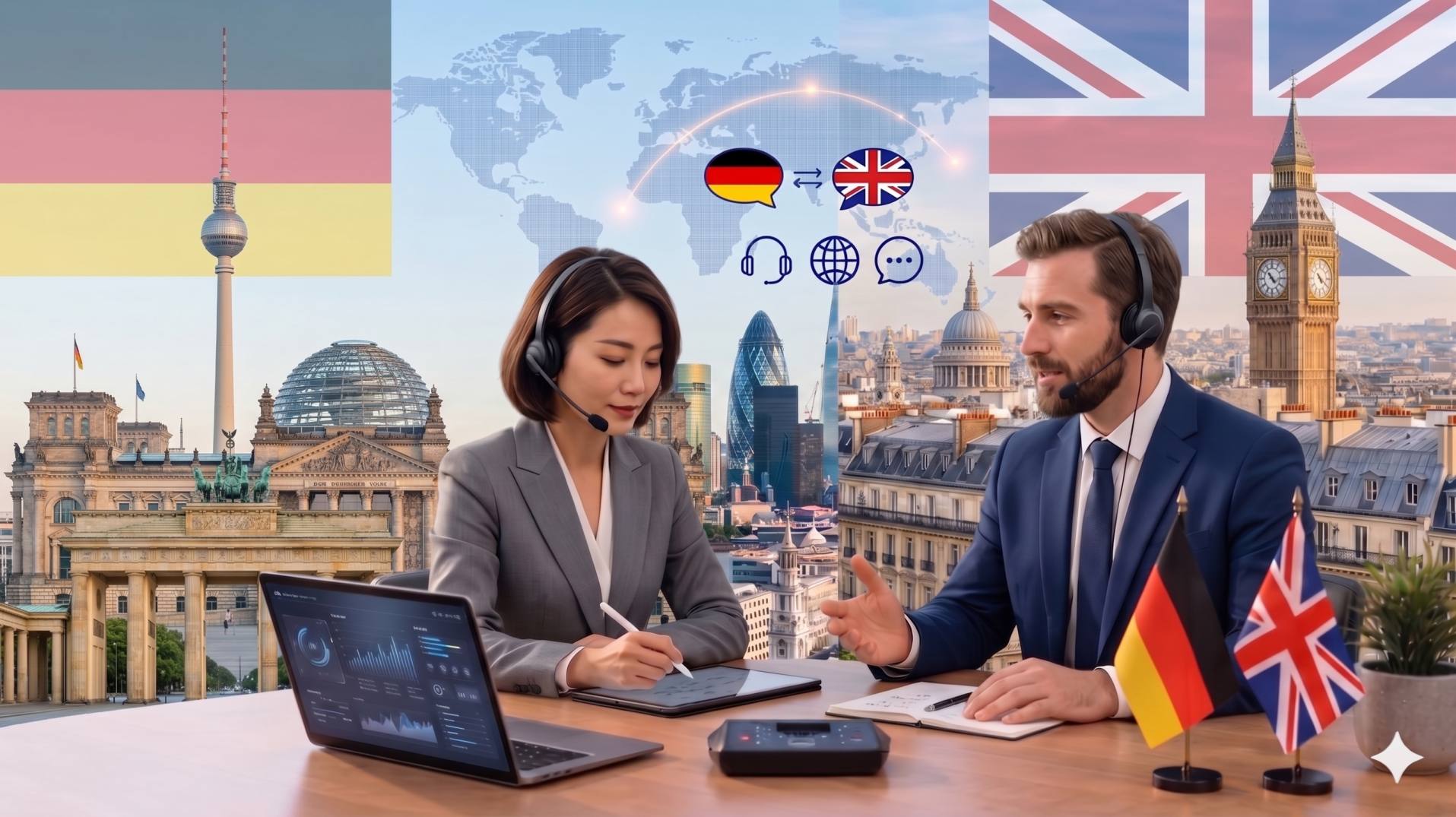
Securing a qualified French interpreter in St Helens is paramount for effective communication across vital sectors, from legal proceedings and healthcare to business and immigration. In a globalised economy, the need for precise and culturally nuanced language services is more critical than ever. This is particularly true within the UK’s robust professional services landscape, where adherence to strict legal and ethical standards is non-negotiable. For residents and businesses in St Helens, accessing professional French interpretation ensures that language barriers do not impede access to justice, essential healthcare, or commercial opportunities. The local NHS trusts, such as St Helens and Knowsley Teaching Hospitals NHS Trust and the broader Cheshire and Merseyside Integrated Care Board, rely on skilled interpreters to provide equitable care to all patients, regardless of their linguistic background, adhering strictly to NHS England’s Language Access guidelines and UK GDPR principles.
Translation vs Interpretation
While often used interchangeably, translation and interpretation are distinct linguistic disciplines, each requiring specialised skills and qualifications. Understanding this difference is crucial when seeking language support for professional purposes. Interpretation involves the real-time, oral conversion of spoken or signed language from one language to another. This requires not only fluency in both French and English but also a deep understanding of cultural nuances, idiomatic expressions, and the specific terminology relevant to the context, be it a legal deposition, a medical consultation, or a business negotiation. A professional French translator in St Helens, conversely, focuses on the written word, converting documents, contracts, websites, and other written materials from French to English or vice versa. Both services are vital, but the urgency and dynamic nature of interpretation demand a unique skill set. For instance, a solicitor in St Helens might require an interpreter for a client interview, whereas a local manufacturing firm might need a translator for product manuals. The accuracy and professionalism of both services are governed by stringent UK professional bodies, ensuring that clients receive high-quality, reliable language support that meets the exacting standards of the UK’s professional services market.
Legal Defence, Immigration, and Courtroom Interpretation
The UK’s legal system, administered by His Majesty’s Courts and Tribunals Service (HMCTS), places a profound emphasis on the right to a fair trial and access to justice for all. For individuals who do not speak English as a first language, this necessitates the provision of qualified interpreters. In St Helens, as across the UK, French-speaking individuals involved in legal matters – whether civil, criminal, or family law – require interpreters who are not only linguistically proficient but also accredited by recognised professional bodies. The National Register of Public Service Interpreters (NRPSI) and the Diploma in Public Service Interpreting (DPSI) are key benchmarks for interpreters working within the justice system. These qualifications ensure that interpreters understand the legal framework, ethical codes of conduct, and the specific demands of courtroom environments. This includes adhering to the principles of impartiality, confidentiality, and accuracy, as mandated by UK law and professional standards. Whether appearing before magistrates at St Helens Magistrates’ Court, or dealing with complex cases at higher tribunals, the presence of a certified French interpreter is indispensable for ensuring that evidence is understood, statements are accurately recorded, and legal arguments are presented effectively. Furthermore, for immigration matters handled by the Home Office and the UK Visas and Immigration (UKVI) department, and subsequently reviewed by the First-tier Immigration Tribunal, precise interpretation is critical. Solicitors specialising in immigration law in St Helens frequently engage French interpreters to assist clients with applications, appeals, and interviews, ensuring that all parties fully comprehend the proceedings and can articulate their case without linguistic impediment. The integrity of the UK’s legal and immigration processes relies heavily on the availability of competent public service interpreters.
Healthcare and NHS Patient Safety
Patient safety and equitable access to healthcare are cornerstones of the National Health Service (NHS) in the UK. For French-speaking patients in St Helens, effective communication with healthcare professionals is not merely a matter of convenience but a critical component of receiving safe and effective medical care. The St Helens and Knowsley Teaching Hospitals NHS Trust, along with other NHS providers, is committed to upholding the principles outlined in NHS England’s Language Access guidelines. These guidelines mandate that NHS bodies take all reasonable steps to ensure that patients who do not speak English are provided with appropriate language support. This includes access to qualified French interpreters for consultations, diagnostic procedures, treatment explanations, and emergency care. The role of the interpreter in a healthcare setting is multifaceted: they facilitate understanding between patient and clinician, ensure that medical histories are accurately conveyed, and help patients make informed decisions about their health. Misunderstandings due to language barriers can lead to diagnostic errors, incorrect treatment, and adverse patient outcomes, underscoring the vital importance of professional interpretation. The Care Quality Commission (CQC) also plays a role in ensuring that healthcare providers meet the needs of all patients, including those with communication needs. Compliance with UK GDPR is also paramount, ensuring that patient confidentiality is maintained at all times during interpretation sessions. Professional interpreters working within the NHS must adhere to strict codes of conduct, prioritising patient well-being and confidentiality above all else. The availability of a reliable French interpreter in St Helens is therefore essential for the St Helens and Knowsley Teaching Hospitals NHS Trust and any other healthcare provider serving the local community, ensuring that all patients receive the highest standard of care, irrespective of their language proficiency.
Technical Interpretation Modalities
The effective delivery of interpretation services in professional settings, particularly in St Helens, often depends on selecting the appropriate modality. Different situations call for different approaches, and understanding these technical aspects ensures optimal communication outcomes. Consecutive interpretation is commonly used in one-on-one settings, such as medical consultations or legal interviews, where the interpreter speaks after the source speaker has finished their segment. This allows for a more relaxed pace and detailed exchanges. Simultaneous interpretation, on the other hand, is employed in high-pressure environments like conferences, large meetings, or court proceedings where a near-instantaneous rendering of speech is required. This demanding skill requires interpreters to listen, process, and speak concurrently, often using specialised equipment like soundproof booths and headsets. Escort interpretation, also known as liaison interpretation, facilitates communication in more informal settings, such as business meetings, site visits, or social events, where the interpreter acts as a cultural bridge and ensures smooth dialogue between parties. For remote services, remote simultaneous interpretation (RSI) platforms have become increasingly prevalent, allowing interpreters to work from anywhere in the world while providing live interpretation for virtual or hybrid events. This modality requires robust technology and highly skilled interpreters adept at working with digital tools. The choice of modality depends on factors such as the number of participants, the formality of the setting, the technical requirements, and the budget. For businesses and organisations in St Helens, understanding these options ensures they can leverage the most effective interpretation solution for their specific needs, whether for a crucial business negotiation or a multi-lingual conference.
Economic and Social Fabric of St Helens
St Helens, a vibrant town in Merseyside, possesses a dynamic economic and social fabric that benefits significantly from robust communication channels. The presence of professional language services, including skilled French interpreters and translators, plays a crucial role in fostering local and international business relationships, supporting community integration, and ensuring access to essential public services. The town’s economic landscape is diverse, with established industries and emerging sectors contributing to its growth. Ensuring seamless communication is vital for all these areas.
Corporate and Industry
The industrial heritage of St Helens, historically known for its glass manufacturing, has evolved into a modern economy with strengths in advanced manufacturing, logistics, and digital technologies. For local businesses looking to engage with French-speaking markets or attract French investment, professional interpretation and translation services are indispensable. This includes facilitating negotiations, translating technical documentation, supporting international marketing efforts, and ensuring compliance with UK and EU regulations. The ability to communicate effectively in French can open doors to new supply chains, partnerships, and customer bases, thereby enhancing the competitiveness of St Helens-based enterprises on a global stage. Professional bodies like the Chartered Institute of Linguists (CIOL) and the Institute of Translation and Interpreting (ITI) set high standards for professionals operating in this sector, ensuring quality and reliability for corporate clients.
Tourism
While perhaps not a primary international tourist destination, St Helens does attract visitors and has potential for growth in this sector, particularly through its cultural attractions and sporting events, such as those associated with St Helens R.F.C. For French-speaking tourists, having access to local information and services in their language enhances their experience. This can involve providing translated visitor guides, ensuring hotel staff can communicate effectively, or offering interpretation services for guided tours. A welcoming linguistic environment can encourage repeat visits and positive word-of-mouth, contributing to the local tourism economy. Ensuring that key information is accessible in French supports the town’s efforts to be an inclusive and attractive destination for a wider range of visitors.
Legal Infrastructure
St Helens is served by a network of legal professionals and institutions that are integral to the town’s functioning. This includes solicitors’ firms, legal aid agencies, and local branches of His Majesty’s Courts and Tribunals Service (HMCTS). For French-speaking residents or businesses interacting with the UK legal system, access to qualified French interpreters is a fundamental requirement. This ensures that legal advice is understood, court proceedings are followed accurately, and legal documents are correctly interpreted. The NRPSI and DPSI qualifications are particularly relevant here, assuring clients and legal professionals that interpreters possess the necessary expertise and ethical grounding to operate within the sensitive and high-stakes environment of the UK justice system. The availability of these services supports the principle of equal access to justice for all members of the community.
NHS Healthcare
As previously detailed, the healthcare sector in St Helens, primarily represented by the St Helens and Knowsley Teaching Hospitals NHS Trust, relies heavily on effective communication. French-speaking patients must be able to communicate their symptoms, understand diagnoses, and follow treatment plans without linguistic barriers. This requires a consistent supply of qualified French interpreters within local GP practices, hospitals, and community health services. Adherence to NHS England’s Language Access guidelines and UK GDPR ensures that patient care is safe, effective, and confidential. The CQC’s oversight further reinforces the need for providers to meet the communication needs of all patients, making professional interpretation a critical element of healthcare delivery in St Helens.
Local Infrastructure and Transport
St Helens benefits from a well-developed local infrastructure and transport network, connecting it to the wider North West region and beyond. The town is served by major road networks, including the M62 motorway, facilitating the movement of goods and people. Public transport options include local bus services and rail links, providing access to nearby cities like Liverpool and Manchester. For businesses requiring interpretation services, the accessibility of St Helens is a key advantage. Whether for on-site meetings, client visits, or attending conferences in the region, reliable transport links ensure that interpreters can reach their destinations efficiently. Furthermore, the increasing adoption of remote interpretation technologies means that even if an interpreter is based elsewhere in the UK, they can seamlessly connect to provide services in St Helens, supported by the town’s robust digital infrastructure. This combination of physical and digital connectivity ensures that professional language support is readily available to meet the diverse needs of the St Helens business community and its residents.
In conclusion, the demand for a skilled French interpreter in St Helens is driven by the town’s engagement with national and international professional services, its commitment to equitable access to justice and healthcare, and its evolving economic landscape. Ensuring access to accredited, professional interpreters is not just a matter of language proficiency; it is fundamental to upholding UK legal standards, ensuring patient safety within the NHS, and fostering economic growth. Organisations and individuals in St Helens requiring French interpretation services can be assured that adherence to UK professional standards and regulatory requirements guarantees the highest levels of accuracy, confidentiality, and ethical conduct.