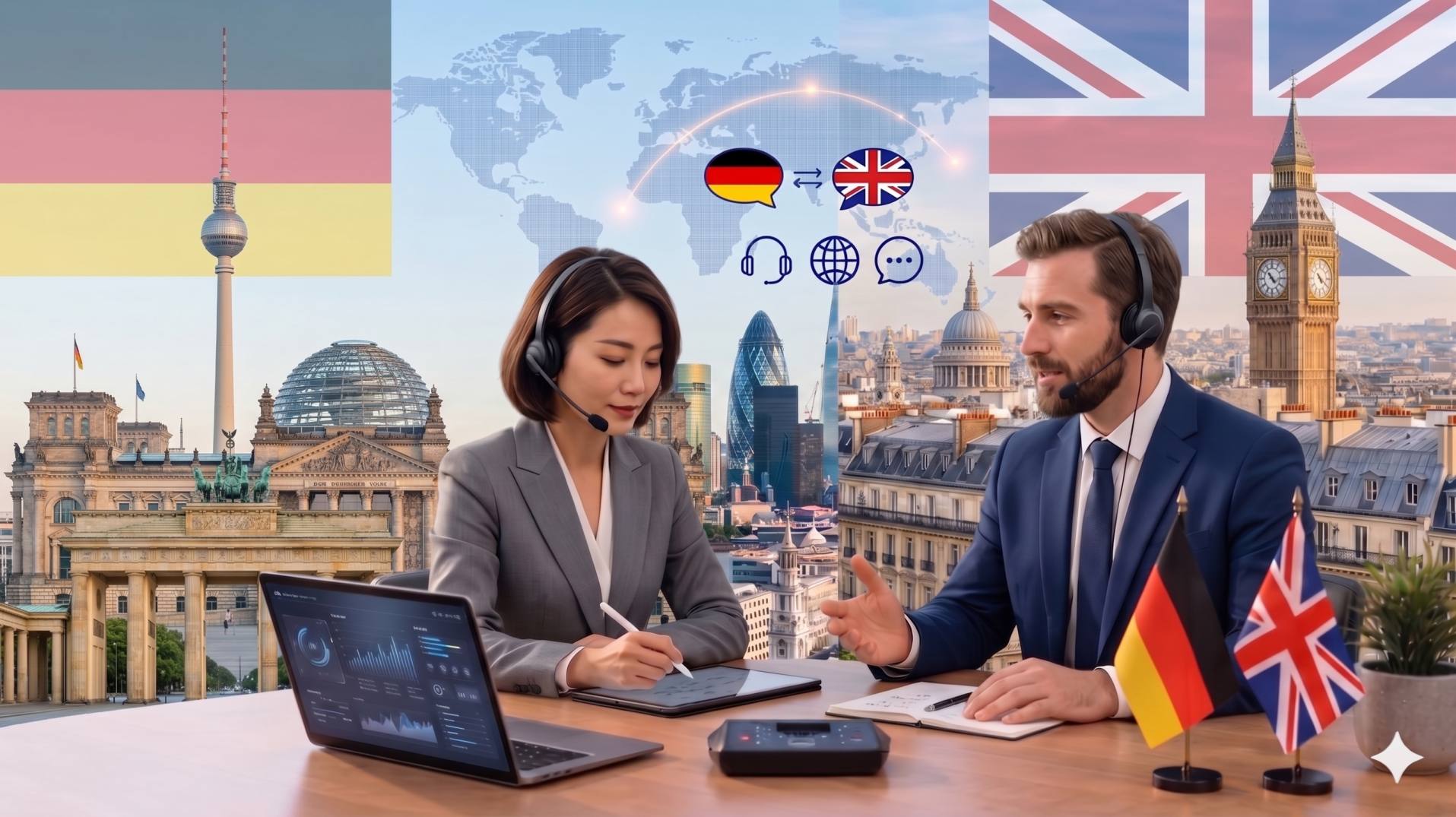
Securing a qualified German interpreter in Armagh is paramount for effective communication across diverse sectors within the United Kingdom. Whether engaging with His Majesty’s Courts and Tribunals Service (HMCTS), navigating the complexities of the National Health Service (NHS), or facilitating international business dealings, the need for precise and culturally nuanced interpretation cannot be overstated. For residents and businesses in Armagh, accessing these vital linguistic services ensures that legal, medical, and commercial interactions are conducted with the utmost clarity and adherence to UK professional standards. This is particularly crucial for individuals who may not be fluent in English, ensuring their rights and understanding are fully protected. The Southern Health and Social Care Trust, serving Armagh, alongside the Northern Health and Social Care Trust, are committed to providing accessible healthcare, and professional interpreters are integral to this commitment, ensuring patient safety and adherence to NHS England’s Language Access guidelines. Similarly, legal proceedings within the jurisdiction of Armagh rely heavily on the accuracy provided by accredited interpreters to uphold the principles of justice under UK law.
Translation vs Interpretation
Understanding the distinction between translation and interpretation is fundamental when seeking linguistic support. While both involve the transfer of meaning from one language to another, they are distinct disciplines requiring different skill sets and methodologies. Translation typically involves the written word, converting documents, websites, or other textual materials from one language to another. This process allows for careful review, editing, and refinement to ensure accuracy and stylistic fidelity. A German translator in Armagh, for instance, would be responsible for rendering legal contracts, medical reports, or marketing collateral into precise German or English. This requires not only linguistic proficiency but also a deep understanding of the subject matter and the cultural context of both the source and target languages. Professional translators often specialise in specific fields, such as legal, medical, technical, or financial translation, to guarantee the highest level of accuracy. The Chartered Institute of Linguists (CIOL) and the Institute of Translation and Interpreting (ITI) are key professional bodies that set standards for translators in the UK, ensuring a high calibre of service.
Interpretation, on the other hand, deals with the spoken word in real-time or near real-time. This can occur in various settings, from face-to-face meetings and conferences to telephone calls and video conferences. Interpreters must possess exceptional listening skills, a strong command of both languages, and the ability to process and convey information instantaneously and accurately. The pressure of live communication means interpreters must be highly adaptable and possess excellent memory recall. Professional interpreters in the UK are often accredited by bodies such as the National Register of Public Service Interpreters (NRPSI) or hold qualifications like the Diploma in Public Service Interpreting (DPSI). These accreditations signify that an interpreter has met rigorous standards of competence and ethical conduct, essential for sensitive environments like courts, hospitals, and government agencies. The demand for a skilled German interpreter in Armagh is driven by the need for immediate, accurate communication in situations where written translation is impractical or impossible.
Legal Defence, Immigration, and Courtroom Interpretation
The administration of justice in the United Kingdom relies on the principle that all individuals, regardless of their linguistic background, have access to fair legal proceedings. For German speakers involved in legal matters in or around Armagh, the availability of qualified interpreters is not merely a convenience but a fundamental right. His Majesty’s Courts and Tribunals Service (HMCTS) mandates the provision of interpreters in criminal, civil, and family courts to ensure that all parties understand the proceedings and can present their case effectively. This includes everything from initial police interviews conducted under caution, through to appearances before magistrates in the Magistrates’ Courts, and potentially more complex cases heard in the Crown Court or civil courts. The accuracy and impartiality of the interpreter are critical to the integrity of the legal process. Misunderstandings can have severe consequences, impacting bail decisions, sentencing, or the outcome of civil disputes.
Immigration law is another area where expert German interpretation is indispensable. The Home Office and UK Visas and Immigration (UKVI) handle a vast array of applications and appeals, many of which require detailed personal information and legal arguments to be presented. German nationals seeking to live, work, or study in the UK, or those facing deportation proceedings, will require interpreters for interviews, tribunal hearings before the First-tier Tribunal (Immigration and Asylum Chamber), and consultations with immigration solicitors. The professional standards for public service interpreters, as overseen by the NRPSI, ensure that interpreters working in this sensitive field are not only linguistically competent but also adhere to a strict code of conduct, including confidentiality and impartiality. This is vital for building trust and ensuring that the information presented to UKVI is accurate and complete, thereby facilitating fair decision-making.
Law firms in Armagh and across the UK often engage professional German interpreters to assist their clients. This can range from advising on contractual disputes, property transactions, or personal injury claims, to preparing for court appearances. The interpreter acts as a bridge, enabling clear communication between the solicitor and the client, ensuring that legal advice is understood and that the client’s instructions are accurately conveyed. Professional bodies like the NRPSI and the DPSI (Diploma in Public Service Interpreting) qualification are benchmarks for competence in this field. The Royal Courts of Justice in London, while a higher court, sets precedents and standards that filter down through the entire UK legal system, underscoring the importance of accurate interpretation at all levels.
Healthcare and NHS Patient Safety
Patient safety is a cornerstone of the National Health Service (NHS) in the UK. For German-speaking patients receiving care within the Armagh catchment area, effective communication with healthcare professionals is essential for accurate diagnosis, treatment, and overall well-being. The NHS England Language Access guidelines stipulate that healthcare providers must ensure that patients have access to appropriate language support when needed. This means that hospitals and clinics must provide qualified interpreters for consultations, diagnostic procedures, and any medical interventions where a language barrier exists. The Southern Health and Social Care Trust, which serves Armagh, and other NHS trusts, are obligated to meet these standards. Failure to do so can lead to medical errors, patient dissatisfaction, and potential legal challenges under UK law, including breaches of data protection under the UK GDPR.
The role of a German interpreter in an NHS setting is multifaceted. They are not merely relaying words but ensuring that complex medical terminology, treatment options, and post-care instructions are understood by the patient. This requires a specialised vocabulary and an understanding of medical ethics and confidentiality, which are paramount in healthcare. Interpreters must be able to convey empathy and ensure that the patient feels heard and understood, fostering a trusting relationship with their medical team. The Care Quality Commission (CQC) inspects healthcare services across England and Wales, and their assessments often consider how effectively providers communicate with patients, including those with limited English proficiency. Therefore, engaging professional interpreters is a critical component of maintaining high standards of care and patient safety within the NHS.
For German patients undergoing treatment, whether for routine appointments or complex surgeries, having a professional interpreter present ensures they can ask questions, express concerns, and provide informed consent. This is particularly important in areas such as mental health services, where nuanced communication is vital for therapeutic progress. The UK GDPR also mandates that personal data, including sensitive health information, must be processed lawfully and transparently. For patients with limited English, this includes ensuring they understand how their data is being used, which is facilitated by professional interpretation. The commitment to providing equitable healthcare access means that NHS trusts must have robust systems in place for booking and utilising qualified interpreters, ensuring that language is never a barrier to receiving quality medical care.
Technical Interpretation Modalities
The effectiveness of interpretation hinges on selecting the appropriate modality for the specific situation. Different settings and communication needs call for distinct approaches, each with its own set of skills and equipment requirements. Understanding these modalities is crucial for corporate clients, legal professionals, and healthcare providers in Armagh when arranging German interpretation services.
Simultaneous Interpretation is perhaps the most demanding form of interpretation, commonly used in international conferences, large meetings, and live broadcasts. The interpreter, often working from a soundproof booth with specialised equipment (microphones, headsets), listens to the speaker through headphones and interprets into the target language with minimal delay – typically only a few seconds behind the original speaker. This requires intense concentration, rapid processing, and a comprehensive understanding of the subject matter. It allows for a continuous flow of communication without significant pauses, making it ideal for large, multilingual audiences.
Consecutive Interpretation is more suited for smaller meetings, legal consultations, or medical appointments. In this mode, the interpreter listens to a segment of speech (a sentence or a few sentences), takes notes using a specialised system of symbols and abbreviations, and then renders the entire segment into the target language once the speaker has finished. This allows for a more deliberate and often more detailed interpretation, as the interpreter has time to formulate their response accurately. It requires excellent memory, note-taking skills, and the ability to maintain the speaker’s tone and intent.
Escort Interpretation, also known as liaison interpretation, is used for informal settings, business meetings, site visits, or social events. The interpreter travels with the client and facilitates communication between parties who do not share a common language. This role often involves a degree of cultural mediation, helping to navigate social nuances and build rapport. The interpreter acts as a facilitator, ensuring smooth and effective interaction in a less formal context.
Remote Interpretation has become increasingly prevalent, especially following global events. This can encompass various forms, including telephone interpreting (over-the-phone interpretation, OPI) and video remote interpreting (VRI). OPI is suitable for brief, straightforward interactions where immediate access is needed, such as quick medical queries or simple business calls. VRI uses video conferencing technology, allowing for a more visual and engaging experience than OPI, bridging the gap between face-to-face and telephone interpretation. This modality is particularly useful for situations where an on-site interpreter is not readily available or cost-effective, offering flexibility for NHS trusts, legal firms, and businesses across the UK.
Economic and Social Fabric of Armagh
Armagh, a city steeped in history and culture, possesses a unique economic and social landscape that benefits from robust connections both locally within Northern Ireland and internationally. Understanding this fabric is key to appreciating the demand for professional German language services. The city’s economic vitality is supported by a diverse range of sectors, and effective communication is essential for fostering growth and maintaining strong relationships.
Corporate and Industry
While Armagh may not be a major industrial hub, it benefits from the broader economic strengths of Northern Ireland, which include a growing technology sector, advanced manufacturing, and a strong agri-food industry. Businesses operating in or trading with Germany, or those with German stakeholders, require reliable German interpretation and translation services. This can range from facilitating negotiations for export contracts, managing joint ventures, providing customer support, or ensuring compliance with German business regulations. Professional German interpreters and translators play a vital role in enabling these cross-border commercial activities, contributing to the economic prosperity of the region. The presence of professional bodies like the Association of Translation Companies (ATC) in the UK highlights the structured approach to linguistic services supporting commerce.
Tourism
Armagh is renowned for its rich ecclesiastical heritage, with St Patrick’s Cathedral and the historic Armagh Observatory attracting visitors from around the globe. As tourism continues to be a significant contributor to the local economy, providing services in multiple languages becomes increasingly important. German tourists represent a notable segment of international visitors to the UK. Therefore, having access to German-speaking guides, information materials, and customer service personnel, supported by professional interpretation and translation, enhances the visitor experience. This not only benefits the tourism sector directly but also enhances Armagh’s reputation as a welcoming and accessible destination on the international stage. The professional standards upheld by interpreters ensure that cultural exchanges are respectful and informative.
Legal Infrastructure
Armagh hosts local courts and legal services that are part of the wider HMCTS framework. The presence of legal professionals, including solicitors and barristers, means that German speakers who require legal assistance – whether for civil matters, criminal defence, or family law – can access justice. The need for certified German interpreters is therefore a consistent requirement within the local legal infrastructure. This ensures that all parties, including witnesses, defendants, and victims, can fully participate in legal proceedings, upholding the principles of fairness and due process as enshrined in UK law. The NRPSI plays a crucial role in ensuring the availability of qualified interpreters for these sensitive legal contexts.
NHS Healthcare
As previously detailed, the NHS provides essential healthcare services to the residents of Armagh. The Southern Health and Social Care Trust is responsible for delivering a wide range of medical services. For the German-speaking population, whether they are long-term residents, recent arrivals, or visitors, access to healthcare is facilitated by professional interpreters. This ensures that patients can communicate effectively with doctors, nurses, and other healthcare professionals, leading to better health outcomes and adherence to treatment plans. The commitment of the NHS to equitable care means that language barriers must be overcome, making German interpreters a vital part of the local healthcare infrastructure.
Local Infrastructure and Transport
Armagh’s infrastructure and transport links are crucial for its connectivity and accessibility, impacting everything from business logistics to personal mobility. The city is served by a network of roads, including the A28, which connects it to other key towns and cities in Northern Ireland, such as Newry and Portadown, and further afield to Belfast. While Armagh does not have its own major airport, it benefits from proximity to major transport hubs like Belfast International Airport and George Best Belfast City Airport, facilitating international travel for business and leisure. Public transport within the city and surrounding areas is primarily managed by Translink, offering bus services that connect communities and provide access to regional transport networks.
For businesses requiring the services of a German interpreter or translator in Armagh, the transport infrastructure ensures that professionals can reach meeting venues, client offices, or courtrooms efficiently. Whether it’s an interpreter travelling from another part of Northern Ireland or a client arriving from Great Britain, the connectivity supports the seamless delivery of linguistic services. Furthermore, the increasing adoption of remote interpretation technologies means that geographical location is less of a barrier. However, for essential face-to-face services, reliable local transport links remain important. The availability of skilled German interpreters, supported by efficient local logistics, ensures that Armagh remains an accessible and functional centre for professional services, catering to both domestic and international needs.
Conclusion
In conclusion, the need for professional German interpretation and translation services in Armagh is multifaceted, underpinning effective communication across critical sectors including legal, healthcare, and commerce. Whether you require a certified German interpreter in Armagh for court proceedings with HMCTS, a sensitive medical consultation within the NHS, or a skilled translator for business documentation, engaging accredited professionals is essential. These experts ensure adherence to UK legal and professional standards, safeguarding rights and facilitating understanding. By prioritising accurate and culturally sensitive linguistic support, individuals and organisations in Armagh can navigate complex interactions with confidence, fostering stronger relationships and achieving successful outcomes within the United Kingdom’s framework.