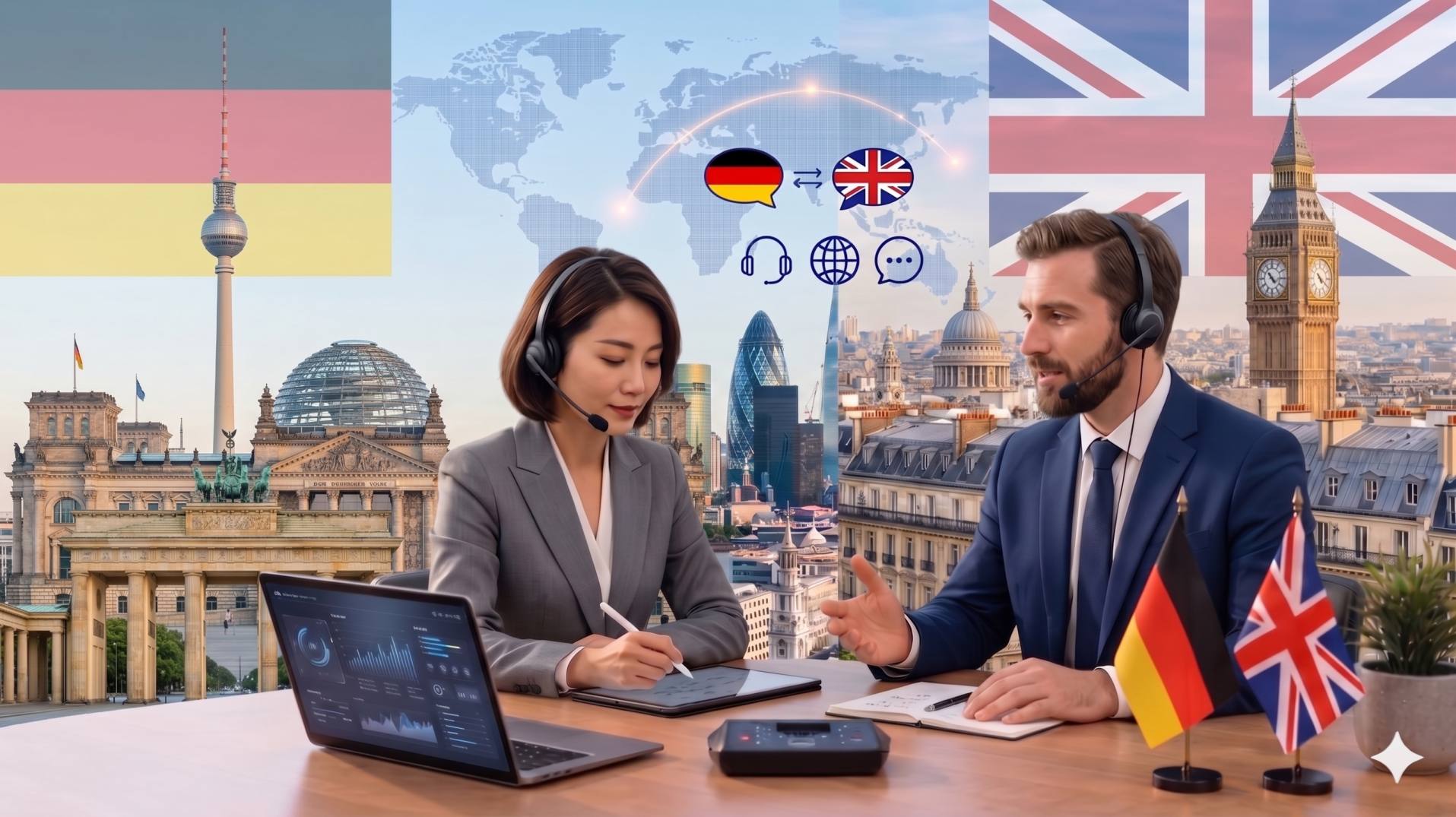
Securing a qualified German interpreter in Bangor NI is paramount for effective communication across diverse sectors, from legal proceedings and healthcare consultations to vital business interactions. In a region served by key NHS trusts such as the Northern Health and Social Care Trust and the South Eastern Health and Social Care Trust, the need for accurate language services is not merely a convenience but a critical component of service delivery, patient safety, and legal compliance. This page outlines the essential considerations for engaging professional German interpretation and translation services within the specific context of Bangor NI and the broader UK economic landscape, ensuring adherence to UK professional standards and legal frameworks.
Translation vs Interpretation
While often used interchangeably, translation and interpretation are distinct linguistic disciplines, each requiring specialised skills and qualifications. Understanding this difference is the first step in procuring the right service for your needs. Interpretation involves the real-time, oral conversion of spoken language from one language to another. This can occur simultaneously (during a speech or meeting) or consecutively (after a speaker pauses). A professional German interpreter in Bangor NI must possess not only fluency in both German and English but also a deep understanding of cultural nuances, subject-specific terminology, and the ability to convey meaning accurately and impartially under pressure. This is particularly crucial in high-stakes environments like legal consultations or medical appointments.
Translation, conversely, deals with the written word. It involves converting written documents, such as contracts, reports, websites, or patient information leaflets, from one language to another. A skilled German translator in Bangor NI will ensure that the translated text is not only linguistically accurate but also culturally appropriate and legally sound, adhering to UK standards for documentation. The accuracy of both interpretation and translation is governed by professional bodies and standards within the UK, ensuring a high level of service quality. For instance, the Chartered Institute of Linguists (CIOL) and the National Register of Public Service Interpreters (NRPSI) set benchmarks for professional conduct and competence in the UK.
Legal Defence, Immigration, and Courtroom Interpretation
The UK’s legal system is built on principles of justice and fairness, which necessitate clear communication for all parties involved, regardless of their language proficiency. For individuals requiring German interpretation in legal settings in Bangor NI, access to qualified professionals is a fundamental right. This includes interactions with the police, solicitors, barristers, and crucially, proceedings within His Majesty’s Courts and Tribunals Service (HMCTS). HMCTS mandates the provision of interpreters to ensure that defendants, witnesses, and victims can fully understand and participate in legal processes. Failure to provide adequate interpretation can lead to miscarriages of justice.
Professional German interpreters working in the UK legal sector must often meet stringent qualification requirements. Many are registered with the NRPSI or hold qualifications such as the Diploma in Public Service Interpreting (DPSI), which is recognised by the Home Office and various public sector bodies. These qualifications ensure interpreters have the necessary linguistic skills, ethical understanding, and knowledge of legal terminology and procedures specific to the UK. For immigration matters, which often involve complex documentation and interviews with the UK Visas and Immigration (UKVI) section of the Home Office, a German interpreter is essential for applicants and legal representatives alike. The First-tier Immigration Tribunal also relies heavily on accurate interpretation to ensure fair hearings.
The role of an interpreter in a courtroom or during a police interview is multifaceted. They are not merely conduits of language but are expected to maintain strict impartiality, confidentiality, and accuracy. They must understand the legal context, including the specific terminology used in UK law, and be able to interpret not just words but also tone and intent where appropriate, without adding their own interpretation or opinion. This is a skill honed through rigorous training and adherence to codes of conduct set by bodies like the NRPSI. Engaging an interpreter who is not adequately qualified or registered can have severe repercussions for legal cases, potentially leading to appeals or the quashing of convictions. Therefore, legal professionals and individuals in Bangor NI should always verify the credentials of their German interpreters, ensuring they meet the standards expected by HMCTS and the wider UK legal profession.
Healthcare and NHS Patient Safety
Patient safety and effective communication are cornerstones of the National Health Service (NHS) in the UK. For German-speaking patients in Bangor NI, accessing healthcare services without a language barrier is critical for accurate diagnosis, treatment, and overall well-being. The NHS has a legal and ethical obligation to provide interpretation services to ensure that all patients, regardless of their linguistic background, receive equitable care. This obligation is reinforced by guidelines from NHS England and the Care Quality Commission (CQC), which emphasise the importance of language access in maintaining high standards of care and patient safety.
When a German-speaking patient interacts with healthcare professionals within the Northern Health and Social Care Trust or the South Eastern Health and Social Care Trust, or any other NHS provider, the need for a qualified German interpreter is paramount. This applies to GP appointments, hospital visits, A&E consultations, mental health services, and any other medical interaction. The interpreter must not only be fluent in German and English but also possess an understanding of medical terminology and the sensitive nature of healthcare discussions. Adherence to UK data protection laws, including the UK General Data Protection Regulation (UK GDPR), is also crucial, ensuring patient confidentiality is maintained at all times.
The CQC, which regulates and inspects health and social care services across England (and influences standards across the UK), expects providers to have robust systems in place for accessing language services. This includes ensuring that interpreters are appropriately qualified, vetted, and trained in the specific context of healthcare. Professional bodies like the NRPSI and CIOL provide registers of interpreters who have met these standards. For NHS trusts, the process of booking a German interpreter should be streamlined and reliable, ensuring that appointments are not delayed and that patients do not feel isolated or misunderstood. Remote interpreting services, using telephone or video conferencing, can also be a valuable tool for accessing specialist medical advice or for situations where an in-person interpreter is not readily available, provided that the technology and the interpreter’s skills meet the required standards for effective communication and data security under UK GDPR.
Technical Interpretation Modalities
The effectiveness of interpretation hinges on selecting the appropriate modality for the specific situation. Professional German interpreters in Bangor NI offer a range of services tailored to different communication needs:
- Simultaneous Interpretation: This is often used in conferences, large meetings, or parliamentary settings where the interpreter translates the speaker’s words in real-time, with only a few seconds’ delay. It requires sophisticated equipment (booths, headsets, microphones) and highly skilled interpreters working in pairs.
- Consecutive Interpretation: Here, the interpreter listens to a segment of speech, notes it down, and then delivers the interpretation after the speaker has finished. This is common in smaller meetings, legal depositions, or one-on-one discussions where direct conversation flow is desired.
- Escort Interpretation (Liaison Interpretation): This involves an interpreter accompanying a client to meetings, site visits, or social events, facilitating communication between parties who do not share a common language. The interpreter acts as a bridge, ensuring smooth dialogue in less formal settings.
- Remote Interpretation (Telephone/Video): Increasingly popular, this modality allows for interpretation services to be delivered via phone or video conferencing platforms. It offers flexibility and cost-effectiveness, especially for urgent or infrequent needs, but requires reliable technology and careful consideration of privacy and security in line with UK GDPR.
The choice of modality depends on factors such as the number of participants, the formality of the setting, the technical infrastructure available, and the desired pace of communication. Professional interpretation agencies and freelance interpreters in Bangor NI can advise on the most suitable option, ensuring that the chosen method aligns with the professional standards expected in the UK.
Economic and Social Fabric of Bangor NI
Bangor, a vibrant city in Northern Ireland, contributes significantly to the regional economy. Its diverse economic landscape, coupled with its growing international connections, creates a consistent demand for professional language services, including German interpretation and translation.
Corporate and Industry
Northern Ireland, and Bangor specifically, is home to a growing number of businesses engaged in international trade, technology, and manufacturing. Companies operating within or looking to engage with German-speaking markets require accurate communication for everything from contract negotiations and technical documentation to marketing materials and client relations. Professional German interpreters and translators are vital for fostering these cross-border business relationships, ensuring that UK companies can compete effectively on a global stage and that foreign investment is facilitated smoothly. The presence of skilled linguists supports the region’s economic development by bridging linguistic and cultural divides.
Tourism
Bangor’s appeal as a tourist destination, with its coastal location and rich history, attracts visitors from across the globe. While English is the primary language, providing information and services in German can enhance the experience for German-speaking tourists. This includes translated signage, brochures, website content, and on-site interpretation services for tour guides or hospitality staff. Facilitating a welcoming environment for international visitors not only benefits the tourism sector but also enhances Bangor’s reputation as an accessible and cosmopolitan city within the UK.
Legal Infrastructure
As mentioned previously, the legal sector in Bangor NI, like elsewhere in the UK, relies on the availability of qualified interpreters. This includes local law firms, legal aid services, and interactions with His Majesty’s Courts and Tribunals Service (HMCTS). German nationals or businesses involved in legal matters within the UK require interpreters who understand the intricacies of UK law and can provide accurate, confidential services. The presence of a reliable pool of German interpreters supports the accessibility of justice for all residents and visitors.
NHS Healthcare
The healthcare system in Bangor NI, managed by the Northern Health and Social Care Trust and the South Eastern Health and Social Care Trust, serves a diverse population. Ensuring that German-speaking residents and visitors can access healthcare without language barriers is a critical aspect of public health and patient welfare. This requires readily available German interpreters for consultations, hospital stays, and emergency services, ensuring that the principles of equitable care and patient safety, as overseen by the CQC, are upheld.
Local Infrastructure and Transport
Bangor NI benefits from a well-developed local infrastructure that supports both residents and businesses. Its transport links, including road and public transport networks, connect it efficiently to Belfast and other major hubs within Northern Ireland and beyond. For businesses requiring German interpretation services, the accessibility of Bangor makes it feasible to deploy interpreters for on-site meetings, conferences, or client visits. The city’s infrastructure supports the seamless integration of professional language services into the operational fabric of local enterprises and public services. Reliable transport ensures that interpreters can reach their assignments punctually, whether it’s for a court hearing at HMCTS, a consultation at a local NHS facility, or a business meeting in the city centre.
The availability of modern communication infrastructure, including high-speed internet, also supports the growing trend of remote interpretation. This allows for immediate access to German interpreters for urgent needs, regardless of geographical location within Bangor or its surrounding areas. This technological integration, combined with robust physical infrastructure, ensures that businesses and public services in Bangor NI can access the language support they need to operate effectively within the UK’s legal, economic, and social frameworks.
Conclusion
For any organisation or individual in Bangor NI requiring precise and professional communication, engaging a qualified German interpreter in Bangor NI is an indispensable requirement. Whether navigating the complexities of UK legal proceedings with HMCTS, ensuring patient safety within the NHS, or fostering international business relationships, the accuracy and cultural competency of an interpreter are non-negotiable. By adhering to UK professional standards, understanding the different interpretation modalities, and leveraging local resources, you can ensure effective communication that uphms upholds legal compliance, enhances service delivery, and supports economic growth. Do not compromise on clarity; secure expert German interpretation services today to bridge language divides and achieve your objectives within the United Kingdom.