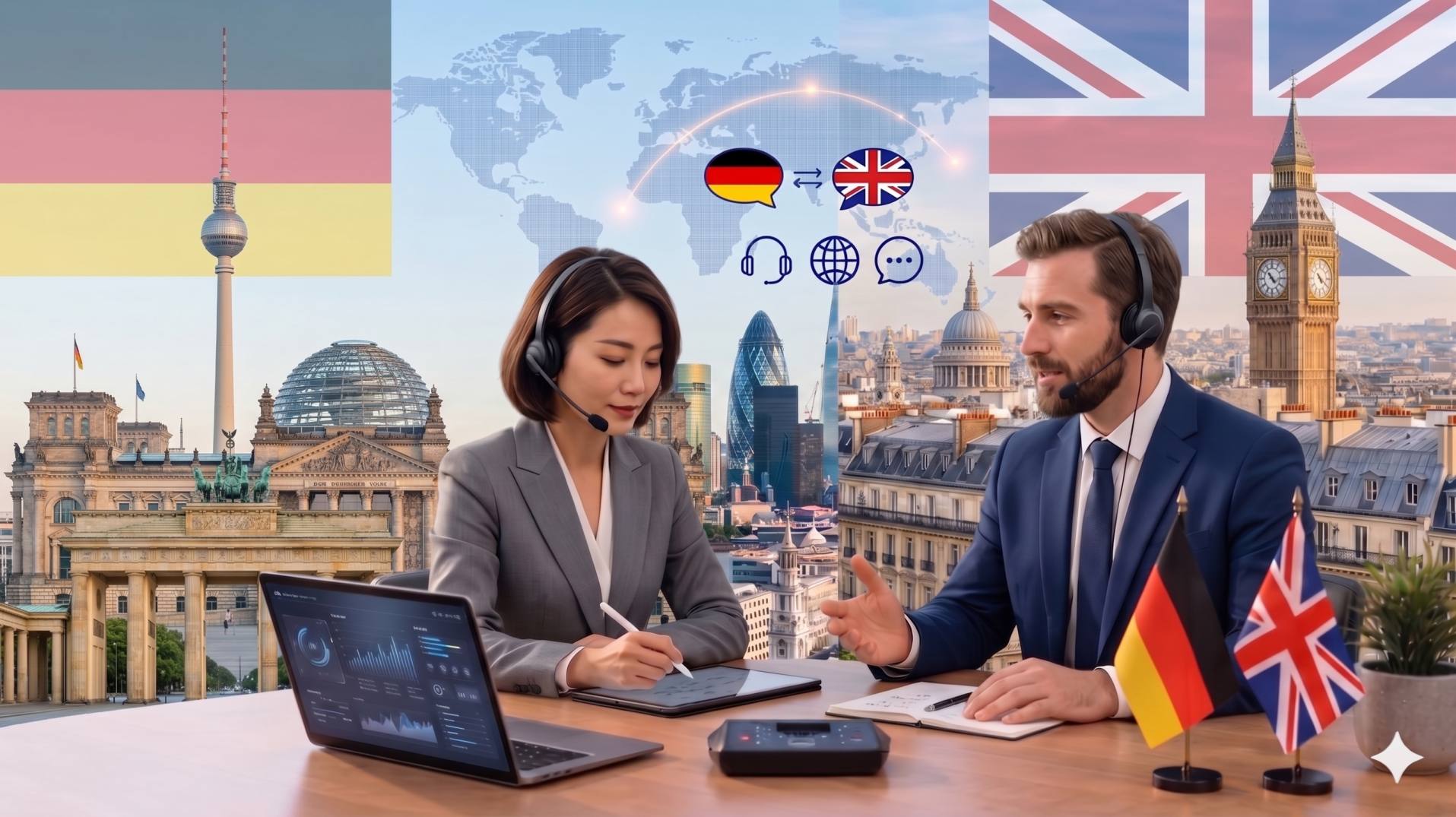

Securing a qualified German interpreter in Bury town is paramount for effective communication across a multitude of critical sectors within the United Kingdom. Whether navigating the complexities of the UK legal system, ensuring patient safety within the National Health Service (NHS), or facilitating international business dealings, the need for precise and culturally nuanced interpretation cannot be overstated. Bury town, with its dynamic economic landscape and diverse population, relies on a robust network of professional interpreters to bridge language barriers. This is particularly vital when interacting with key NHS providers such as the Bolton NHS Foundation Trust and the Salford Royal NHS Foundation Trust, both of which serve the wider Bury area and are committed to providing accessible healthcare for all residents, irrespective of their linguistic background. The demand for skilled German language professionals underscores the interconnectedness of local communities with national and international spheres, requiring adherence to stringent UK professional standards and regulatory frameworks.
Understanding the Nuances: Translation vs. Interpretation
While often used interchangeably, translation and interpretation are distinct disciplines, each requiring a unique skill set and adherence to specific professional standards. A German translator in Bury town typically works with written documents, converting text from German to English or vice versa. This process allows for meticulous review, editing, and research, ensuring accuracy and fidelity to the original meaning. Professional translators often specialise in specific fields, such as legal, medical, technical, or literary translation, and may hold qualifications from bodies like the Chartered Institute of Linguists (CIOL). The output of a translator is a written document that can be proofread and finalised. In contrast, an interpreter works with spoken language, facilitating real-time communication between individuals or groups who do not share a common language. This requires not only linguistic proficiency but also exceptional listening skills, memory, cultural awareness, and the ability to think quickly under pressure. Professional interpreters in the UK are often accredited by organisations such as the National Register of Public Service Interpreters (NRPSI) or hold qualifications like the Diploma in Public Service Interpreting (DPSI). The role of a German interpreter in Bury town is therefore dynamic and immediate, demanding a high level of performance in live interactions.
Legal Defence, Immigration, and Courtroom Interpretation
The UK justice system operates on the principle of fairness and equal access to justice for all. For individuals who do not speak English, this principle is upheld through the provision of qualified interpreters. In Bury town, as across the UK, legal proceedings that involve German speakers necessitate the engagement of interpreters accredited by recognised bodies. This is crucial for ensuring that all parties, including defendants, witnesses, and legal professionals, can fully understand and participate in proceedings. The His Majesty’s Courts and Tribunals Service (HMCTS) mandates the use of qualified interpreters to maintain the integrity of the legal process. This applies to a wide range of hearings, from preliminary appearances to full trials, in both criminal and civil courts. Furthermore, immigration law is a significant area where German interpretation services are indispensable. Individuals seeking to live, work, or study in the UK, or those facing deportation proceedings, will interact with the UK Visas and Immigration (UKVI), part of the Home Office. Accurate interpretation during interviews, appeals, and tribunal hearings before the First-tier Immigration Tribunal is vital for the fair adjudication of cases. Professional interpreters must adhere to strict codes of conduct, ensuring impartiality, confidentiality, and accuracy, as outlined by bodies like the NRPSI. Their role is to facilitate understanding, not to translate legal advice, thereby upholding the principles of natural justice and the rule of law within the UK.
Healthcare and NHS Patient Safety
Patient safety and effective communication are cornerstones of the NHS. For German-speaking patients in Bury town, accessing healthcare services without a language barrier is a fundamental right, supported by NHS England’s Language Access guidelines. The presence of a qualified German interpreter is essential during consultations with GPs, specialists, diagnostic procedures, and hospital stays. Misunderstandings can lead to incorrect diagnoses, medication errors, and a breakdown in the patient-clinician relationship, with potentially severe consequences. NHS trusts are legally obligated to provide interpretation services to ensure that patients understand their conditions, treatment options, and consent forms. This obligation is reinforced by the UK General Data Protection Regulation (UK GDPR), which mandates the protection of personal data and the right to receive information in an understandable format. Regulatory bodies such as the Care Quality Commission (CQC) monitor the quality of care provided by NHS services, including the effectiveness of communication with patients from diverse linguistic backgrounds. Professional interpreters working within the NHS must possess not only linguistic skills but also a thorough understanding of medical terminology and the sensitive nature of healthcare interactions. They are bound by codes of ethics that prioritise patient well-being and confidentiality, ensuring that every patient receives clear, accurate, and empathetic communication, thereby contributing to equitable healthcare outcomes across Bury town and beyond.
Technical Interpretation Modalities
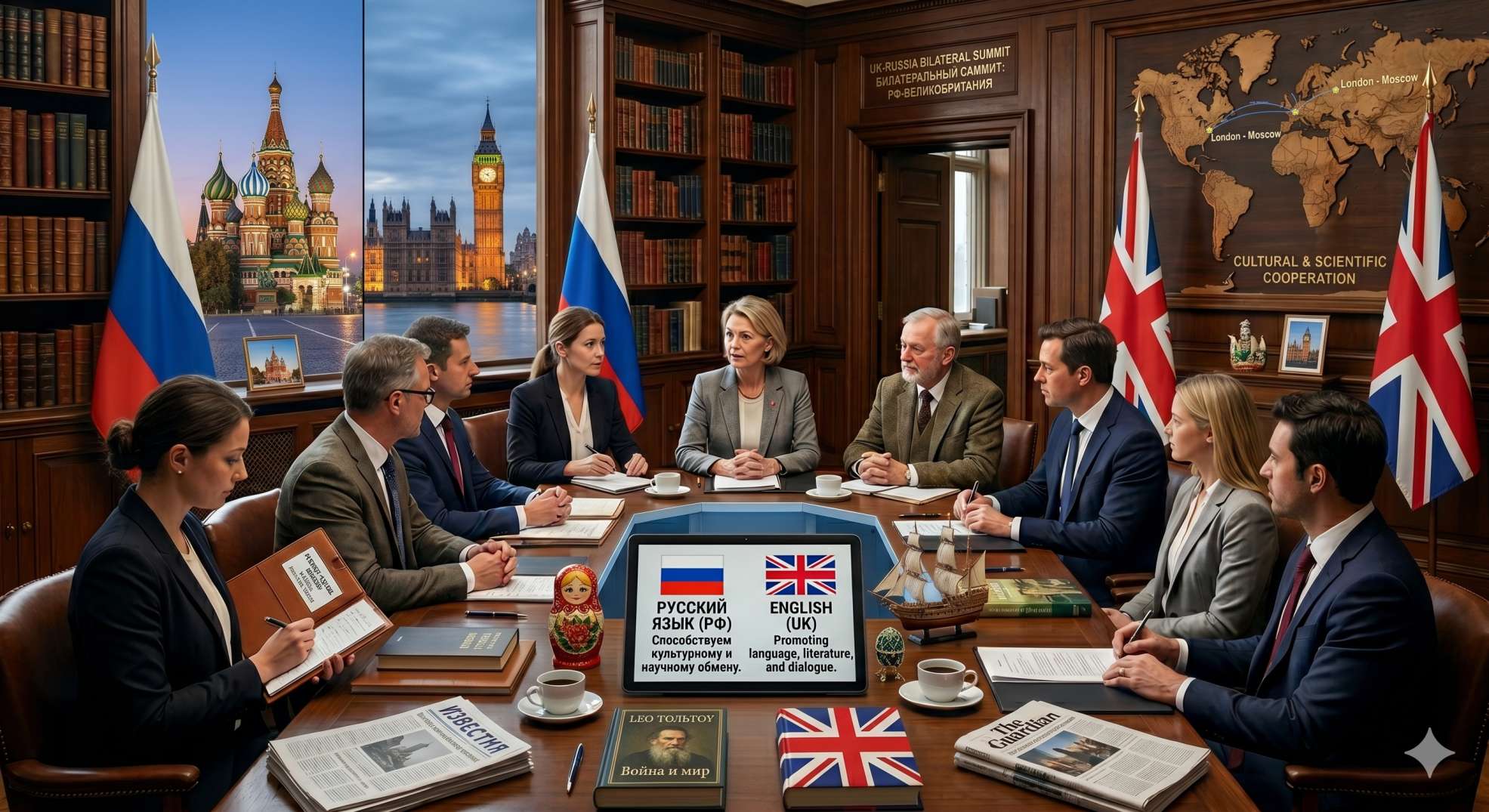
The effective delivery of interpretation services in Bury town, particularly for professional and corporate clients, often depends on selecting the appropriate modality. Each type of interpretation serves a different purpose and requires specific skills and equipment. Simultaneous interpretation is perhaps the most demanding, where the interpreter speaks almost concurrently with the speaker, often using specialised booths and audio equipment. This is ideal for large conferences, international meetings, and broadcasts where time is critical and a continuous flow of information is required. Consecutive interpretation involves the interpreter listening to a segment of speech, then rendering it in the target language after the speaker has finished. This is commonly used in smaller meetings, negotiations, and one-on-one discussions where a more natural conversational flow is desired. Escort interpretation, also known as liaison interpretation, facilitates communication between two or more parties who speak different languages, often accompanying clients to business meetings, site visits, or social functions. The interpreter acts as a bridge, ensuring smooth interaction and understanding. In recent years, remote interpretation has gained prominence, utilising technology to connect interpreters with clients via telephone or video conferencing platforms. This modality offers flexibility and cost-effectiveness, particularly for situations where an on-site interpreter is not feasible or necessary. For businesses and organisations in Bury town, understanding these different modalities allows for the strategic deployment of German interpretation services to meet specific communication objectives, ensuring clarity and efficiency in all interactions.
Economic and Social Fabric of Bury town
Bury town, situated within Greater Manchester, boasts a rich industrial heritage and a forward-looking economy. Its strategic location and developing infrastructure make it an attractive hub for various businesses and a desirable place to live. The presence of a skilled German-speaking workforce and the availability of professional interpretation services are increasingly important factors in its continued economic and social development.
Corporate and Industry
Bury’s economy is diverse, encompassing manufacturing, retail, and a growing service sector. For businesses in Bury town engaged in international trade or collaborating with German partners, reliable German interpretation and translation services are essential. This includes facilitating negotiations, technical discussions, marketing efforts, and customer support. Companies may require interpreters for site visits, factory tours, or to assist German-speaking employees. The ability to communicate effectively in German can open up new markets and strengthen existing business relationships, contributing to the economic vitality of the region. Professional bodies like the International Association of Conference Interpreters (AIIC) provide resources and standards that underpin the quality of services available to the corporate sector.
Tourism
While perhaps not as prominent as some neighbouring cities, Bury town and its surrounding areas attract visitors interested in its historical sites, markets, and cultural attractions. For German tourists visiting Bury, the availability of German-speaking assistance, whether through hotel staff, information centres, or readily accessible interpreters for guided tours, enhances their experience. This contributes to the local tourism economy by making the area more welcoming and accessible to international visitors. Ensuring that local businesses and attractions can cater to German-speaking visitors through professional interpretation services can lead to increased visitor numbers and positive word-of-mouth referrals.
Legal Infrastructure
Bury town is served by a network of legal professionals, including solicitors and barristers who handle a range of civil, criminal, and family law matters. For law firms in Bury town, the ability to engage qualified German interpreters is critical when representing German-speaking clients. This ensures that clients fully understand legal advice, court procedures, and documentation, upholding their rights within the UK legal framework. The Royal Courts of Justice, though located in London, sets precedents and standards that influence legal practice nationwide, underscoring the importance of accurate interpretation in all UK courts, including those serving Bury. The NRPSI plays a vital role in ensuring that interpreters working within the legal sector meet rigorous standards of competence and ethical conduct.
NHS Healthcare
As previously mentioned, the NHS is a critical service provider in Bury town. The local NHS trusts, such as the aforementioned Bolton NHS Foundation Trust and Salford Royal NHS Foundation Trust, serve a diverse population. The availability of professional German interpreters ensures that German-speaking residents can access timely and effective medical care. This includes understanding diagnoses, treatment plans, and post-operative instructions, which is crucial for patient recovery and well-being. The NHS England framework for language services highlights the commitment to providing equitable care, and qualified interpreters are key to achieving this goal within the Bury community.
Local Infrastructure and Transport
Bury town benefits from its strategic position within Greater Manchester, offering good transport links that facilitate both local and national connectivity. The town is served by a comprehensive public transport network, including Metrolink trams, buses, and nearby rail services, connecting it efficiently to Manchester city centre and other surrounding areas. For businesses requiring the services of a German interpreter, these transport links ensure that interpreters can reach meeting venues, courts, or hospitals across Bury and the wider North West region with relative ease. The accessibility provided by Bury’s infrastructure supports the seamless integration of professional language services into the daily operations of local organisations, whether they are engaging with international clients, serving diverse communities, or participating in national networks. Reliable transport ensures that critical communication needs are met promptly and efficiently, reinforcing Bury’s role as a connected and accessible economic centre within the UK.
Conclusion
In conclusion, the need for a professional German interpreter in Bury town extends far beyond simple language conversion; it is a critical component of ensuring justice, safety, and economic prosperity within the UK’s regulatory and social framework. From the courtroom to the hospital ward, and from the boardroom to international business negotiations, the services of a qualified German interpreter are indispensable. Adherence to UK professional standards, accreditation by recognised bodies, and a deep understanding of the specific contexts in which they operate are hallmarks of effective interpretation. For businesses, legal firms, and healthcare providers in Bury town seeking to overcome language barriers and foster clear, accurate communication, engaging a certified German interpreter is a strategic investment in reliability, compliance, and successful outcomes. We are committed to providing expert German interpretation services that meet the highest professional standards, ensuring that all your communication needs in Bury town and across the UK are met with precision and confidence.