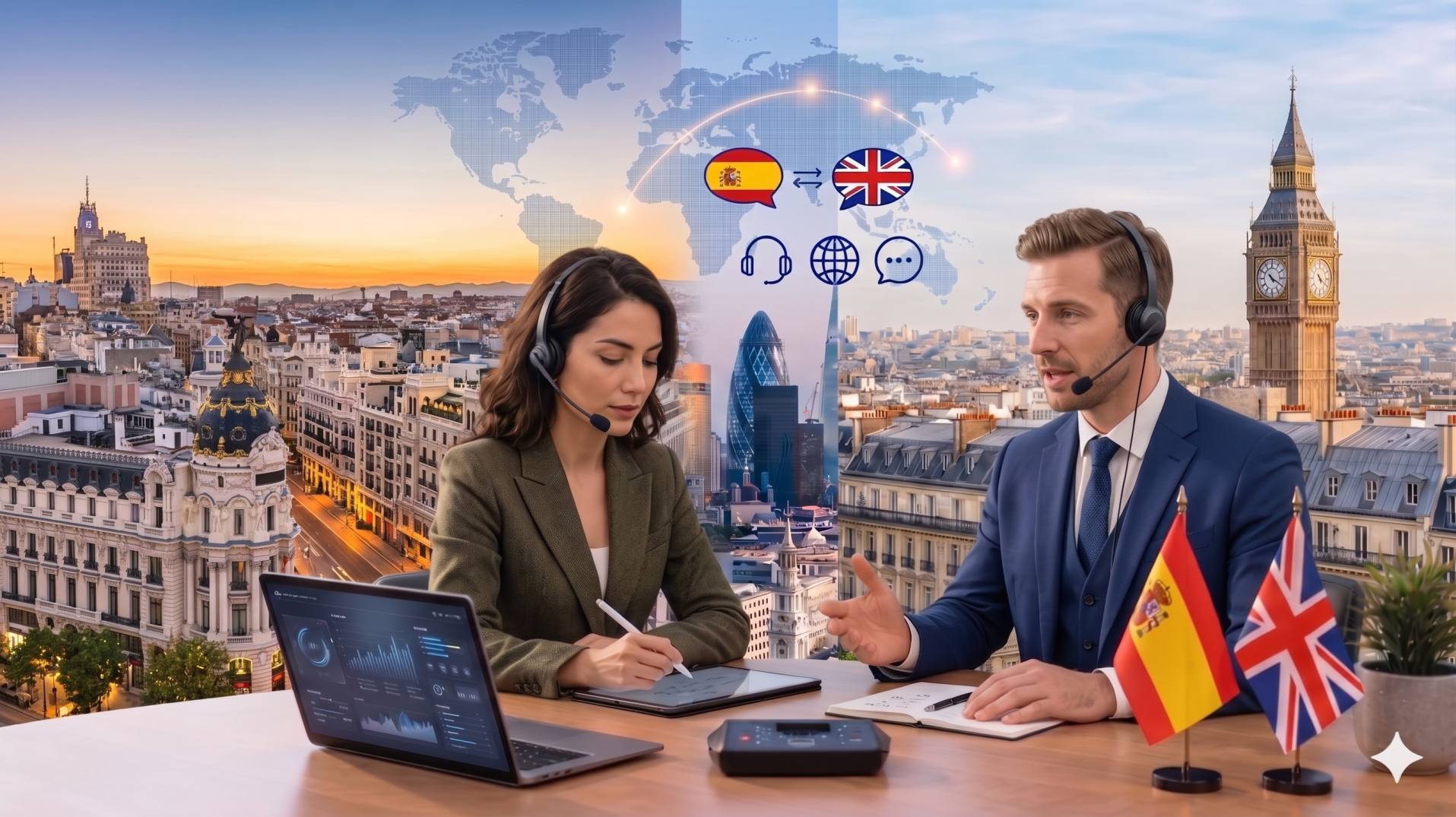
Securing a qualified Spanish interpreter in Swansea is paramount for effective communication across diverse sectors, from legal proceedings and healthcare appointments to business negotiations and public services. In a city like Swansea, with its growing international connections and vibrant community, the need for accurate, culturally sensitive interpretation is more critical than ever. Professional interpreters bridge language barriers, ensuring clarity, precision, and adherence to UK legal and professional standards. This is particularly vital when interacting with key public services such as Swansea Bay University Health Board and Hywel Dda University Health Board, both of which serve the wider region and rely on language services to uphold patient safety and equitable access to care under NHS guidelines. The demand for skilled Spanish language professionals extends to various official capacities, including those mandated by His Majesty’s Courts and Tribunals Service (HMCTS), the Home Office, and numerous private sector organisations operating within the United Kingdom.
Translation vs Interpretation
While often used interchangeably, translation and interpretation are distinct linguistic disciplines, each requiring a unique skill set and adherence to specific professional standards. Interpretation involves the real-time, oral conversion of spoken language from one language to another, demanding immediate comprehension, accurate rendering, and cultural nuance. This is the service required for live interactions, such as courtroom testimonies, medical consultations, or business meetings. A proficient Spanish interpreter in Swansea must possess not only fluency in both Spanish and English but also a deep understanding of the subject matter and the specific context of the communication. Conversely, translation deals with the written word, converting documents, websites, or other textual materials from one language to another. This process allows for more deliberation, research, and refinement to ensure accuracy and fidelity to the original text. For businesses and legal entities in Swansea, understanding this distinction is crucial when procuring language services. For instance, a legal firm might require a certified Spanish translator in Swansea for contracts and affidavits, while a hospital will need a qualified interpreter for patient-doctor discussions. Both services are governed by professional bodies in the UK, such as the Chartered Institute of Linguists (CIOL), which sets standards for professional linguists, including interpreters and translators, ensuring a high level of competence and ethical practice across the industry.
Legal Defence, Immigration, and Courtroom Interpretation
The administration of justice in the UK relies heavily on the principle of fairness and equal access to legal representation, regardless of a person’s linguistic background. For individuals who speak Spanish and are involved in legal matters within Swansea, the availability of qualified interpreters is not merely a convenience but a fundamental right. His Majesty’s Courts and Tribunals Service (HMCTS) mandates the provision of interpreters for criminal and civil proceedings to ensure that all parties can understand the proceedings and present their cases effectively. This includes appearances before magistrates’ courts, the Crown Court, and various tribunals. Professional interpreters working in this domain must meet stringent criteria, often requiring accreditation from bodies like the National Register of Public Service Interpreters (NRPSI) or holding qualifications such as the Diploma in Public Service Interpreting (DPSI). These qualifications ensure a high level of linguistic proficiency, ethical conduct, and an understanding of legal terminology and procedures specific to the UK legal system. Immigration law is another critical area where Spanish interpretation services are indispensable. Individuals navigating the complexities of visa applications, asylum claims, and appeals before the First-tier Immigration Tribunal must communicate accurately with UK Visas and Immigration (UKVI) officials and their legal representatives. A failure to provide adequate interpretation can have severe consequences, impacting the outcome of immigration cases. Law firms in Swansea specialising in immigration law frequently engage professional interpreters to facilitate client interviews, prepare documentation, and represent clients effectively. The His Majesty’s Courts and Tribunals Service (HMCTS) provides guidance on the use of interpreters, underscoring the importance of impartiality and accuracy. Furthermore, interpreters may be called upon to assist in police interviews conducted under caution, ensuring that suspects understand their rights and the charges against them, as governed by UK police and criminal evidence legislation. The integrity of the legal process hinges on the reliability of these language services, making the engagement of NRPSI-registered or DPSI-qualified interpreters a non-negotiable requirement for legal professionals and public bodies.
Healthcare and NHS Patient Safety
Patient safety and equitable access to healthcare are cornerstones of the National Health Service (NHS) in the UK. For Spanish-speaking patients in Swansea, effective communication with healthcare professionals is vital for accurate diagnosis, treatment, and overall well-being. The Care Quality Commission (CQC), the independent regulator of health and social care services in England, emphasises the importance of effective communication in ensuring high-quality care. NHS trusts serving Swansea, such as Swansea Bay University Health Board, are committed to providing language support to patients who require it. This includes offering access to qualified medical interpreters who can facilitate consultations, explain medical conditions, discuss treatment options, and obtain informed consent. Interpreters working within the NHS must possess not only linguistic skills but also a thorough understanding of medical terminology, ethical considerations, and the specific protocols of UK healthcare settings. They must adhere to the principles of confidentiality, impartiality, and accuracy, as outlined in NHS England’s Language Access guidelines and the overarching requirements of UK GDPR for data protection. The use of untrained or unqualified interpreters, or reliance on family members, can lead to misunderstandings, misdiagnoses, and potentially serious adverse events. Therefore, engaging professional medical interpreters is essential for upholding patient rights and ensuring the delivery of safe and effective care. The City and County of Swansea Council also plays a role in supporting community health initiatives, often working in conjunction with the NHS to ensure that vulnerable populations, including those with limited English proficiency, have access to necessary health information and services. Professional interpreters facilitate this access, ensuring that Spanish-speaking residents can fully engage with their healthcare providers and make informed decisions about their health, thereby contributing to better health outcomes and reducing health inequalities within the Swansea community.
Technical Interpretation Modalities
The effective delivery of interpretation services in Swansea requires an understanding of various modalities, each suited to different communication scenarios. The choice of modality depends on the context, the number of participants, and the desired level of immediacy. Consecutive interpretation is commonly used in one-on-one settings, such as medical appointments or legal interviews, where the interpreter listens to a segment of speech, conveys the message in the target language, and then waits for the speaker to continue. This allows for a natural flow of conversation, albeit with pauses. Simultaneous interpretation is employed in larger settings like conferences, meetings, or court hearings where speed and efficiency are paramount. Here, the interpreter speaks almost concurrently with the speaker, using specialised equipment such as booths and headsets. This requires a high degree of concentration and linguistic agility. Escort interpretation, also known as liaison interpretation, facilitates communication between parties speaking different languages in social or business settings, such as factory tours, business meetings, or diplomatic visits. The interpreter acts as a cultural bridge, ensuring smooth interaction. In recent years, remote interpretation (also known as telephonic or video remote interpretation – VRI) has become increasingly prevalent, offering flexibility and accessibility. This modality allows interpreters to connect with clients via phone or video conferencing platforms, making it ideal for situations where in-person interpretation is not feasible or cost-effective. For businesses and public services in Swansea, understanding these technical modalities is key to selecting the most appropriate service for their specific needs. Whether it’s a complex legal deposition requiring simultaneous interpretation or a routine GP appointment needing consecutive interpretation, the right modality ensures that communication is clear, accurate, and efficient, upholding the professional standards expected within the UK.
Economic and Social Fabric of Swansea
Swansea, a vibrant coastal city in Wales, possesses a dynamic economic and social landscape that increasingly benefits from robust linguistic support. The city’s evolution from its industrial past to a modern hub for technology, education, and tourism necessitates effective communication across diverse communities and business sectors. The presence of skilled Spanish interpreters and translators plays a crucial role in fostering these connections and ensuring inclusivity.
Corporate and Industry
Swansea’s economy is diversifying, with growing sectors in technology, advanced manufacturing, and professional services. International trade and collaboration are becoming more common, requiring businesses to engage with Spanish-speaking partners, suppliers, or clients. Professional Spanish interpretation services facilitate these crucial business interactions, from negotiating contracts and managing supply chains to marketing products and services in Spanish-speaking markets. The City and County of Swansea Council actively supports local businesses, and access to professional language services can enhance their competitiveness on a global scale. This includes providing Spanish translation for marketing materials, websites, and technical documentation, as well as interpretation for international business meetings and conferences held in Swansea. Adherence to UK business standards and legal frameworks is paramount, and accurate language services ensure that all parties understand their obligations and agreements.
Tourism
As a popular tourist destination, Swansea attracts visitors from across the globe, including a significant number from Spanish-speaking countries. The tourism sector, encompassing hotels, restaurants, attractions, and visitor information centres, benefits immensely from the availability of Spanish-speaking staff or professional interpretation services. Providing information in Spanish, whether through translated brochures, multilingual signage, or interpreter assistance, enhances the visitor experience, encouraging repeat visits and positive word-of-mouth referrals. The Visit Swansea Bay tourism board can leverage professional language services to promote the region effectively to Spanish-speaking travellers, highlighting the city’s attractions, from the Gower Peninsula to its vibrant cultural scene. Ensuring that tourist information is accessible and accurate in Spanish contributes to Swansea’s reputation as a welcoming and internationally-oriented destination.
Legal Infrastructure
Swansea’s legal infrastructure, serving both the local population and the wider South West Wales region, requires reliable language support. Law firms, legal aid services, and His Majesty’s Courts and Tribunals Service (HMCTS) facilities within the city depend on qualified Spanish interpreters to ensure justice is accessible to all. This includes assisting individuals involved in criminal proceedings, family law matters, civil disputes, and immigration cases. The presence of accredited interpreters, such as those registered with the NRPSI, ensures that legal professionals can communicate effectively with Spanish-speaking clients and witnesses, upholding the principles of natural justice and the rule of law as enshrined in UK legal practice. The His Majesty’s Courts and Tribunals Service (HMCTS) relies on a network of qualified interpreters to facilitate proceedings across all levels of the UK court system.
NHS Healthcare
The provision of healthcare services in Swansea is primarily managed by the Swansea Bay University Health Board. Ensuring that Spanish-speaking patients receive the highest standard of care requires seamless communication between patients and medical staff. Professional medical interpreters are essential for consultations, explaining diagnoses, discussing treatment plans, and obtaining informed consent, thereby adhering to the CQC’s standards for patient safety and communication. The NHS Language Access policy mandates that language support be provided to ensure equitable access to healthcare for all individuals, regardless of their primary language. This commitment is vital for building trust within the Spanish-speaking community and ensuring that health outcomes are not compromised by language barriers. The UK GDPR also governs the handling of sensitive patient information, underscoring the need for professional interpreters who understand and uphold strict confidentiality protocols.
Local Infrastructure and Transport
Swansea’s infrastructure and transport networks are crucial for its economic vitality and the daily lives of its residents. The city is served by a network of roads, including the M4 motorway, providing connectivity to the rest of South Wales and beyond. Public transport options include local bus services operated by various companies, and a railway station offering services to major UK cities. For businesses requiring the services of a Spanish interpreter in Swansea, the city’s transport links facilitate easy access for interpreters travelling to client sites or for clients visiting interpreter agencies. The City and County of Swansea Council is responsible for managing local transport infrastructure, aiming to improve accessibility and sustainability. Efficient transport is also vital for the delivery of public services, including healthcare and legal services, where timely access to interpreters can be critical. Whether it’s an interpreter needing to reach Morriston Hospital or a legal professional requiring an interpreter at Swansea Crown Court, the city’s transport infrastructure supports the seamless operation of these essential services. Furthermore, the growing adoption of remote interpretation technologies means that geographical location is less of a barrier, but reliable internet connectivity, supported by the city’s digital infrastructure, remains important for these services to function effectively.
Conclusion
In conclusion, the demand for professional Spanish interpreter in Swansea services is intrinsically linked to the city’s economic dynamism, its commitment to public service provision, and its diverse community. From ensuring fair access to justice within HMCTS proceedings and safeguarding patient well-being within the NHS, to facilitating international business and enhancing the tourism experience, the role of qualified Spanish interpreters is indispensable. Adherence to UK professional standards, accreditation by bodies like the NRPSI, and a deep understanding of the local context are hallmarks of effective interpretation. For any organisation or individual in Swansea requiring accurate and reliable Spanish language support, engaging certified professionals is not just a matter of convenience, but a necessity for upholding legal rights, ensuring patient safety, and fostering robust economic and social connections. Contacting a reputable agency or directly engaging accredited interpreters ensures that language barriers are overcome with precision and cultural sensitivity, contributing to the continued growth and inclusivity of Swansea.