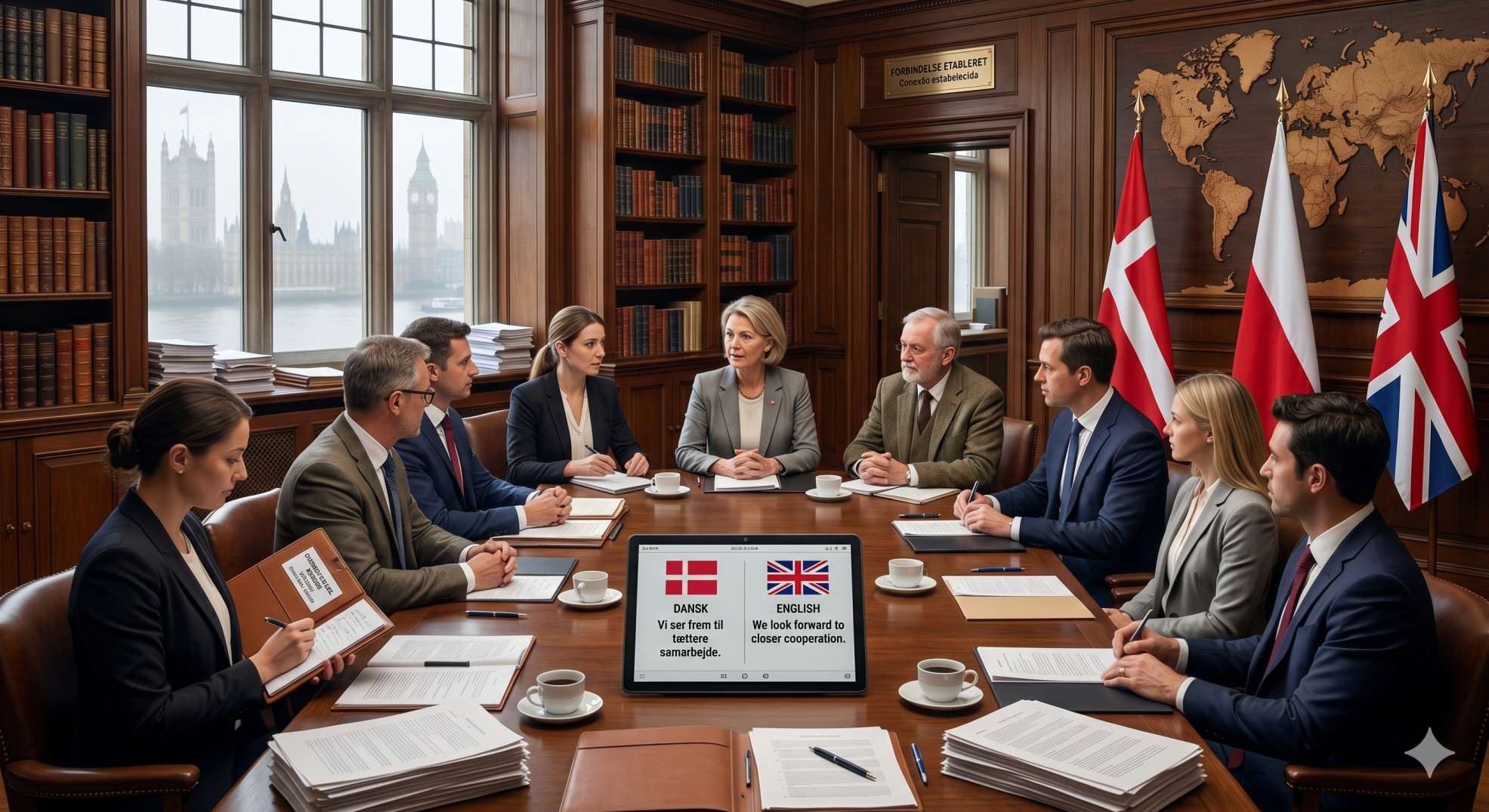
Securing a qualified German interpreter in Central Bedfordshire is paramount for effective communication across a multitude of critical sectors within the UK. Whether navigating the complexities of His Majesty’s Courts and Tribunals Service (HMCTS), ensuring patient safety within the National Health Service (NHS), or facilitating international business dealings, the need for precise and culturally nuanced interpretation is undeniable. Central Bedfordshire, a region experiencing dynamic economic growth and diverse community needs, relies heavily on professional language services to bridge communication gaps. This includes vital interactions with NHS trusts such as the Bedfordshire Hospitals NHS Foundation Trust and the Cambridgeshire Community Services NHS Trust, both of which serve the local population and require robust language support to uphold patient rights and ensure equitable access to care under UK law and NHS England’s Language Access guidelines.
Translation vs Interpretation: Understanding the Nuances
While often used interchangeably, translation and interpretation are distinct disciplines, each requiring specialised skills and adherence to professional standards. Interpretation involves the live, oral conversion of spoken or signed language from one language to another. This is a dynamic process that demands not only linguistic proficiency but also cultural understanding, rapid cognitive processing, and the ability to convey tone, intent, and nuance accurately in real-time. A professional German translator in Central Bedfordshire, conversely, works with written text, converting documents, websites, and other written materials from German to English or vice versa. The skills required for translation include meticulous attention to detail, in-depth knowledge of subject matter, and the ability to produce polished, grammatically correct written output. For legal proceedings, medical consultations, or business negotiations in Central Bedfordshire, the distinction is critical. Misunderstandings arising from inadequate interpretation can have severe consequences, impacting legal outcomes, patient well-being, and commercial agreements. Professional bodies such as the National Register of Public Service Interpreters (NRPSI) and the Chartered Institute of Linguists (CIOL) set rigorous standards for both interpreters and translators, ensuring competence and ethical practice within the UK.
Legal Defence, Immigration, and Courtroom Interpretation
The administration of justice in the UK is built upon the principle of fairness and equal access to legal processes. For individuals who do not speak English fluently, this principle hinges on the availability of qualified interpreters. In Central Bedfordshire, as across the nation, His Majesty’s Courts and Tribunals Service (HMCTS) mandates the provision of professional interpreters for all court and tribunal hearings where a party’s understanding of English is limited. This includes criminal trials, civil litigation, family law proceedings, and immigration appeals heard before the First-tier Immigration Tribunal. A certified German interpreter in Central Bedfordshire plays a crucial role in ensuring that defendants, witnesses, and litigants can fully understand the proceedings, present their case effectively, and receive a fair trial under UK law. The NRPSI maintains a register of qualified public service interpreters, and many legal professionals also hold qualifications such as the Diploma in Public Service Interpreting (DPSI), ensuring a high standard of competence. Law firms in Central Bedfordshire, immigration solicitors dealing with cases before the UK Visas and Immigration (UKVI) department of the Home Office, and barristers appearing before HMCTS rely on these professionals to uphold due process. Accurate interpretation is not merely a procedural requirement; it is fundamental to the integrity of the justice system, preventing miscarriages of justice and ensuring that all individuals, regardless of their linguistic background, have their voices heard and understood within the UK’s legal framework. The Royal Courts of Justice and other judicial centres across the UK expect the highest standards of impartiality and accuracy from all interpreters engaged in legal matters.
Healthcare and NHS Patient Safety
Patient safety and equitable access to healthcare are cornerstones of the National Health Service (NHS) in the UK. For German-speaking patients in Central Bedfordshire, effective communication with healthcare professionals is vital for accurate diagnosis, informed consent, and adherence to treatment plans. The Care Quality Commission (CQC), the independent regulator of health and social care services in England, emphasises the importance of effective communication in ensuring high-quality care. NHS England’s Language Access guidelines stipulate that providers must ensure that patients who do not speak English as a first language have access to appropriate language support. This is particularly critical when dealing with complex medical information, sensitive discussions about health conditions, or emergency situations. A professional German interpreter in Central Bedfordshire, experienced in medical terminology and the specific cultural considerations of German speakers, is indispensable. They facilitate clear communication between patients and clinicians, ensuring that patients understand their conditions, treatment options, and the risks and benefits involved, thereby enabling informed consent. This also extends to mental health services, where nuanced understanding and trust are paramount. Adherence to UK GDPR principles also means that patient confidentiality must be maintained by all language service providers. The use of unqualified or untrained interpreters, or relying on family members, can lead to serious misunderstandings, diagnostic errors, and a breakdown in the patient-clinician relationship, jeopardising patient safety and potentially leading to legal challenges under UK law. Professional medical interpreters adhere to strict codes of conduct, ensuring confidentiality and accuracy, thereby supporting the mission of trusts like Bedfordshire Hospitals NHS Foundation Trust and Cambridgeshire Community Services NHS Trust to provide safe and effective care to all residents.
Technical Interpretation Modalities
The effectiveness of interpretation hinges not only on the interpreter’s skill but also on the appropriate selection of the interpretation modality for the specific context. In Central Bedfordshire, various scenarios necessitate different approaches. Consecutive interpretation is commonly used in one-on-one meetings, doctor’s appointments, or small group discussions. The interpreter listens to a segment of speech, then renders it into the target language once the speaker has finished. This allows for a more relaxed pace and detailed understanding. Simultaneous interpretation, often employed in conferences, large meetings, or court proceedings, involves the interpreter speaking almost concurrently with the source speaker, typically using specialised equipment like soundproof booths and headsets. This is crucial for maintaining the flow of fast-paced events and maximising audience engagement. Escort interpretation (also known as liaison interpretation) is used for informal settings, tours, or business meetings where the interpreter acts as a cultural bridge, facilitating communication between parties. Finally, remote interpretation (also called telephonic or video interpretation) has become increasingly prevalent, allowing for immediate access to interpreters via phone or video conferencing platforms. This modality is invaluable for urgent situations or when on-site interpreters are not readily available, ensuring continuity of service across the UK. Each modality requires specific training and equipment, and professional interpreters, often certified by bodies like the NRPSI or CIOL, are adept at selecting and executing the most suitable method to ensure clarity and accuracy, whether for legal, medical, or business purposes within Central Bedfordshire and beyond.
Economic and Social Fabric of Central Bedfordshire
Central Bedfordshire is a region characterised by a diverse and evolving economic landscape, a growing population, and a rich cultural tapestry. Understanding its local context is essential for tailoring professional language services to meet the specific needs of its residents and businesses. The presence of a skilled German interpreter can significantly contribute to the region’s prosperity and social cohesion.
Corporate and Industry Presence
The area boasts a mix of established industries and emerging sectors, including advanced manufacturing, logistics, and technology. Businesses operating in Central Bedfordshire with international ties, particularly those with German parent companies, subsidiaries, or significant trade relationships, require seamless communication for operations, negotiations, and internal collaboration. Professional German interpretation and translation services are vital for facilitating mergers and acquisitions, technical training, client presentations, and maintaining strong corporate governance in line with UK business practices. The ability to conduct business in German can unlock new market opportunities and strengthen existing partnerships, contributing to the local economy.
Tourism and Hospitality
While perhaps not as prominent as some other UK regions, Central Bedfordshire offers attractions and experiences that draw visitors from across the UK and internationally. German-speaking tourists and business travellers may require assistance with accommodation, transport, and local services. Providing multilingual support, including German-speaking staff or readily available interpretation services, enhances the visitor experience, encourages repeat visits, and supports the local hospitality sector. This contributes to the region’s reputation as a welcoming destination.
Legal Infrastructure
Central Bedfordshire is served by a network of legal professionals and courts, including those under the purview of His Majesty’s Courts and Tribunals Service (HMCTS). The presence of German nationals or businesses involved in legal matters necessitates the availability of qualified German interpreters. This ensures that individuals can access justice, understand their rights and obligations under UK law, and participate fully in legal proceedings. Law firms and legal aid providers in the area benefit from having access to accredited interpreters to serve their diverse clientele, upholding the principles of fairness and due process.
NHS Healthcare Services
As previously highlighted, the National Health Service (NHS) is a critical service provider in Central Bedfordshire. The demographic makeup of the region means that German speakers may require medical attention. Ensuring that healthcare providers, such as those within Bedfordshire Hospitals NHS Foundation Trust and Cambridgeshire Community Services NHS Trust, can communicate effectively with German-speaking patients is a matter of patient safety and equitable care. Professional interpreters bridge this gap, ensuring that medical information is conveyed accurately and that patients can make informed decisions about their health, in line with CQC standards and NHS England’s Language Access guidelines.
Local Infrastructure and Transport
Central Bedfordshire benefits from strategic positioning within the UK, with good transport links that facilitate both local connectivity and wider national access. Major road networks, including proximity to the M1 motorway, connect the region to London and the Midlands, while the presence of railway stations provides efficient passenger services. This infrastructure is crucial for the movement of goods, services, and people, underpinning the region’s economic activity. For businesses requiring German interpretation services, the accessibility of Central Bedfordshire means that interpreters can readily travel to client sites, attend meetings, or provide services remotely. The efficient transport network ensures that professional German interpreters can reach locations across the region, from the market towns to the more rural areas, providing essential language support for legal, medical, and commercial engagements. This connectivity is a key asset for businesses operating in or considering establishing themselves within Central Bedfordshire, ensuring that language barriers do not impede growth or access to essential services.
Conclusion
In conclusion, the demand for a professional German interpreter in Central Bedfordshire is multifaceted, driven by the region’s dynamic economy, diverse population, and the critical need for accurate communication in legal, healthcare, and business settings. Upholding the standards set by UK institutions such as HMCTS, the NHS, and professional bodies like the NRPSI is paramount. Engaging certified and experienced German interpreters ensures that justice is accessible, patient safety is maintained, and commercial opportunities are maximised. For any organisation or individual in Central Bedfordshire requiring expert German language services, partnering with qualified professionals is not just a matter of convenience, but a necessity for effective operation and compliance within the UK’s regulatory framework. Contacting a reputable language service provider specialising in UK professional markets is the essential first step towards bridging any linguistic divide.