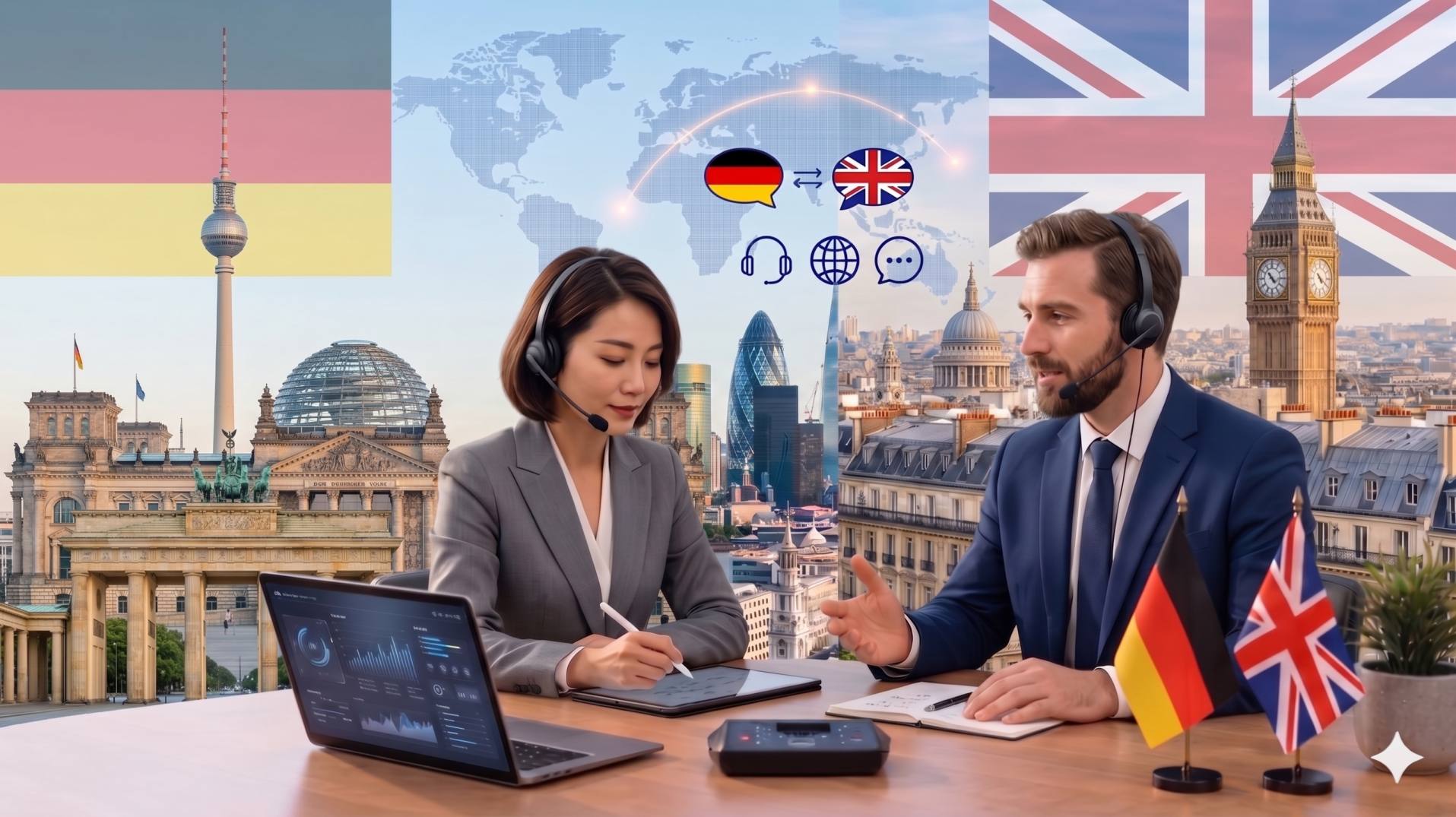
Securing a qualified German interpreter in Exeter is paramount for effective communication across various critical sectors within the UK’s professional landscape. Whether navigating the complexities of His Majesty’s Courts and Tribunals Service (HMCTS) proceedings, ensuring patient safety within the National Health Service (NHS), or facilitating international business dealings, the need for precise and culturally attuned linguistic support cannot be overstated. Exeter, a city rich in history and a growing hub for professional services, requires interpreters who not only possess linguistic fluency but also a deep understanding of UK legal, medical, and business protocols. This is particularly vital when dealing with sensitive matters that fall under the purview of UK institutions such as the Home Office, UK Visas and Immigration (UKVI), and the Care Quality Commission (CQC). Our services connect you with accredited German interpreters who are adept at handling the nuances of these environments, ensuring clarity, accuracy, and adherence to professional standards. For those requiring medical interpretation, the Royal Devon University Healthcare NHS Foundation Trust and the Northern Devon Healthcare Trust, both serving the Exeter region, rely on professional language services to uphold patient rights and safety, in line with NHS England’s Language Access guidelines.
Translation vs Interpretation: Bridging the Linguistic Divide
While often used interchangeably, translation and interpretation are distinct disciplines, each requiring a unique skill set and approach. Understanding this difference is crucial when seeking linguistic assistance, especially when engaging a German translator in Exeter for written documents versus a German interpreter for spoken communication. Translation involves the conversion of written text from one language to another. This process allows for meticulous review, editing, and proofreading, ensuring accuracy and stylistic fidelity. Professional translators often specialise in specific fields, such as legal, medical, or technical documentation, bringing subject matter expertise to their work. In contrast, interpretation is the real-time, spoken rendition of communication from one language to another. This demands not only linguistic proficiency but also exceptional listening skills, memory, cultural awareness, and the ability to think on one’s feet. The stakes are often higher in interpretation, particularly in live settings like courtrooms, medical consultations, or business negotiations, where immediate understanding is critical. For legal and professional contexts in the UK, interpreters must often be accredited by bodies such as the National Register of Public Service Interpreters (NRPSI) or hold qualifications like the Diploma in Public Service Interpreting (DPSI), ensuring they meet rigorous standards of competence and ethical conduct. Engaging a qualified German translator in Exeter for your written materials ensures that contracts, reports, and official documents are accurately rendered, while a certified German interpreter guarantees seamless verbal communication in face-to-face or remote interactions.
Legal Defence, Immigration, and Courtroom Interpretation
The administration of justice in the United Kingdom relies heavily on the principle of fairness and equal access to legal processes for all individuals, regardless of their language proficiency. For German speakers involved in legal matters in Exeter, the availability of qualified legal interpreters is not merely a convenience but a fundamental right. His Majesty’s Courts and Tribunals Service (HMCTS) mandates the provision of interpreters in criminal and civil proceedings to ensure that defendants, witnesses, and victims can fully understand the proceedings and participate effectively. This includes cases heard in Magistrates’ Courts, the Crown Court, and various tribunals under the HMCTS umbrella. Immigration law is another area where expert German interpretation is indispensable. Individuals navigating the complexities of visa applications, asylum claims, or appeals before the First-tier Immigration Tribunal require interpreters who understand the specific terminology and procedures governed by the Home Office and UK Visas and Immigration (UKVI). The NRPSI sets the benchmark for professional public service interpreters in the UK, ensuring that those listed have met stringent criteria for accuracy, impartiality, and ethical conduct. Firms of solicitors in Exeter and across the UK often require interpreters for client consultations, police station interviews, and court appearances. The DPSI qualification is a widely recognised standard for interpreters working in legal settings, demonstrating a comprehensive understanding of legal terminology and procedures within the UK context. Engaging an interpreter who is not only fluent in German and English but also holds recognised qualifications ensures that legal proceedings are conducted with integrity and that all parties have a fair opportunity to present their case or understand the proceedings against them. The Royal Courts of Justice, while a London institution, sets precedents and standards that apply across all UK courts, underscoring the importance of professional interpretation nationwide.
Healthcare and NHS Patient Safety
Patient safety and equitable access to healthcare are cornerstones of the National Health Service (NHS) in the UK. For German-speaking patients in Exeter, effective communication with healthcare professionals is crucial for accurate diagnosis, treatment, and overall well-being. The Royal Devon University Healthcare NHS Foundation Trust and other local NHS providers are committed to adhering to NHS England’s Language Access guidelines, which stipulate the need for professional interpretation services when patients cannot communicate effectively in English. This is not limited to doctor’s appointments but extends to hospital admissions, emergency care, mental health services, and discussions about treatment plans. The Care Quality Commission (CQC), the independent regulator of health and social care in England, also emphasises the importance of effective communication in ensuring high-quality care. Misunderstandings arising from language barriers can lead to serious consequences, including medication errors, delayed diagnoses, and patient dissatisfaction. Therefore, utilising accredited German interpreters who understand medical terminology and the sensitive nature of healthcare interactions is vital. Compliance with UK GDPR is also essential, ensuring that patient confidentiality is maintained at all times during interpretation sessions. Professional interpreters working within the NHS are trained to be impartial and to convey information accurately, without adding or omitting details, thereby safeguarding patient rights and promoting trust in the healthcare system. The use of unqualified interpreters or family members can compromise accuracy and confidentiality, potentially leading to adverse outcomes. Therefore, for any NHS trust or healthcare provider in Exeter requiring German interpretation, partnering with agencies that provide NRPSI-qualified or similarly accredited professionals is the most responsible approach to ensuring patient safety and upholding the standards of the NHS.
Technical Interpretation Modalities
The effectiveness of interpretation hinges not only on the interpreter’s skill but also on the appropriate modality chosen for the specific situation. In Exeter, as elsewhere in the UK, various interpretation techniques are employed to suit different contexts and communication needs. Simultaneous interpretation is often used in conferences, large meetings, or parliamentary settings where speakers talk continuously, and interpreters render the speech into another language with minimal delay, typically using specialised equipment like booths and headsets. This requires immense concentration and rapid processing. Consecutive interpretation is more common in smaller settings such as legal consultations, business negotiations, or medical appointments. Here, the interpreter listens to a segment of speech, pauses, and then renders it into the target language. This allows for a more deliberate and detailed rendition. Escort interpretation, also known as liaison interpretation, facilitates communication between two or more parties speaking different languages in informal settings, such as factory tours, site visits, or social events. The interpreter acts as a bridge, ensuring smooth conversational flow. In recent years, remote interpretation (also known as Video Remote Interpreting – VRI, or Over-the-Phone Interpreting – OPI) has gained significant traction, especially for situations where face-to-face interpretation is not feasible or cost-effective. This modality leverages technology to connect interpreters with clients via video conferencing or telephone. While offering flexibility, it requires reliable internet connectivity and appropriate technology. For legal and medical settings in the UK, the choice of modality must always prioritise accuracy, confidentiality, and compliance with professional standards. For instance, while remote interpretation can be efficient, a face-to-face consecutive interpreter might be preferred for complex legal depositions or sensitive patient consultations to ensure the highest level of clarity and rapport. Understanding these different modes allows organisations in Exeter to select the most suitable and effective interpretation service for their specific requirements, ensuring clear communication and successful outcomes.
Economic and Social Fabric of Exeter
Exeter, the historic capital of Devon, possesses a dynamic and evolving economic and social landscape. Understanding this local context is crucial for professional service providers, including German interpreters and translators, aiming to serve the city’s diverse needs. The city benefits from a strong presence in sectors ranging from professional services and technology to tourism and public administration, all of which can require specialised linguistic support.
Corporate and Industry
Exeter is home to a growing number of businesses, including established firms and innovative startups, particularly in the professional services, digital, and advanced manufacturing sectors. Many of these organisations engage in international trade or collaborate with German companies, necessitating clear communication for contracts, negotiations, technical documentation, and marketing materials. A professional German interpreter in Exeter can facilitate these crucial business interactions, ensuring that agreements are precise and that collaborations run smoothly. The presence of institutions like the University of Exeter, a Russell Group university, also fosters a vibrant research and development environment, often leading to international partnerships that require expert translation and interpretation services.
Tourism
As a significant tourist destination, attracting visitors from across the globe, Exeter’s economy is substantially supported by its vibrant tourism sector. German tourists represent a notable segment of international visitors. While many tourism businesses cater to English speakers, providing multilingual information and services can enhance the visitor experience and attract more German-speaking travellers. German translation services can be applied to websites, brochures, and signage, while interpreters can assist tour operators, hotels, and visitor attractions in providing a more personalised service to their German clientele, thereby boosting the local tourism economy.
Legal Infrastructure
Exeter boasts a well-established legal infrastructure, including numerous law firms, legal aid services, and local branches of national legal organisations. These entities frequently encounter cases involving individuals who require German interpretation, particularly in areas such as family law, criminal defence, and civil litigation. The city’s courts, operating under the umbrella of HMCTS, require certified interpreters to ensure fair trials and adherence to UK legal standards. Immigration solicitors in Exeter also rely heavily on qualified German interpreters to assist their clients with applications and appeals managed by the Home Office and UKVI. The availability of accredited interpreters is therefore integral to the functioning of justice and the provision of legal services within the city.
NHS Healthcare
The healthcare system in Exeter, primarily served by the Royal Devon University Healthcare NHS Foundation Trust, is a critical public service. Ensuring that all residents, including the German-speaking population, have access to timely and effective medical care is a priority. Language barriers can pose significant risks in healthcare settings, leading to misdiagnoses or treatment errors. Professional German interpreters are essential for consultations, patient information sessions, and emergency care, ensuring that patients understand their conditions and treatment options. This commitment to accessible healthcare aligns with national NHS guidelines and CQC standards, reinforcing the importance of professional linguistic support within the local health economy.
Local Infrastructure and Transport
Exeter’s infrastructure plays a vital role in its connectivity and accessibility, impacting both residents and businesses. The city is served by a robust transport network, including major road links such as the M5 motorway, providing efficient access to the rest of the UK. Exeter St Davids station is a key railway hub, offering direct services to London Paddington, the South West, and other major cities, facilitating business travel and commuting. For international connections, Exeter Airport provides services to various European destinations, including Germany, which can be crucial for businesses engaged in international trade or requiring the swift movement of personnel. The local public transport system, comprising buses and a park and ride service, ensures mobility within the city and its surrounding areas. Reliable public transport and accessible infrastructure are essential for the smooth operation of businesses and public services, including the ability for interpreters and translators to reach their clients efficiently across Exeter and the wider Devon region. Ensuring that key transport hubs and services are well-communicated, potentially through multilingual information, further enhances Exeter’s appeal as a business and tourist destination.
In conclusion, securing professional and accredited linguistic services is fundamental for navigating the diverse professional and public service sectors in Exeter. Whether you require a German interpreter in Exeter for critical legal proceedings at HMCTS, sensitive medical consultations within the NHS, or nuanced business negotiations, our network provides access to highly qualified professionals. We understand the importance of accuracy, cultural competency, and adherence to UK professional standards, ensuring that your communication needs are met with the utmost integrity and efficiency. For all your German interpretation and translation requirements in Exeter, contact us to connect with certified experts who uphold the highest standards of service.