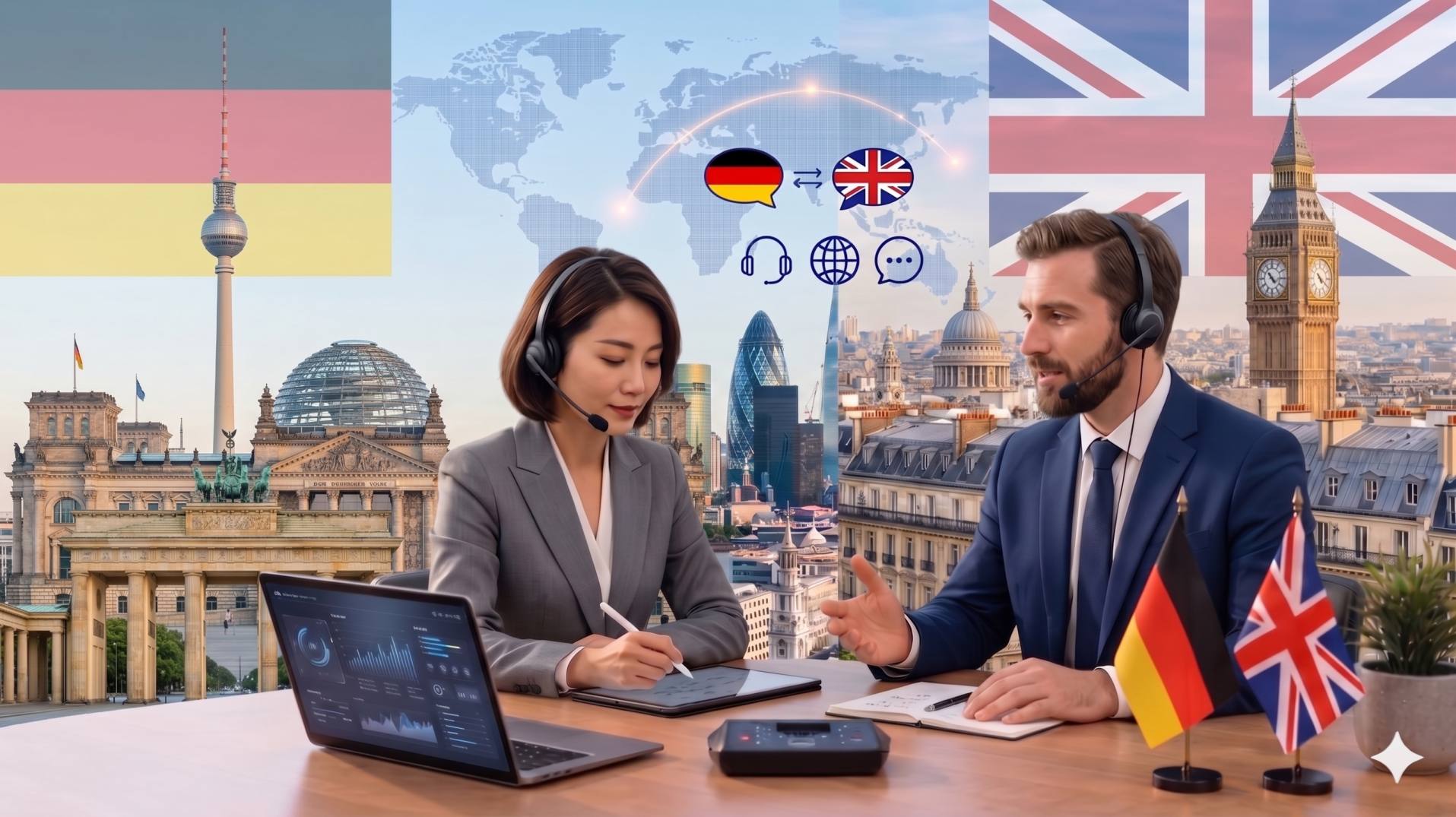
Securing a qualified German interpreter in Fife is paramount for effective communication across a spectrum of critical sectors within the United Kingdom. Whether engaging with His Majesty’s Courts and Tribunals Service (HMCTS), navigating complex immigration procedures with the Home Office, or ensuring patient safety within the National Health Service (NHS), the need for precise and culturally nuanced interpretation cannot be overstated. Fife, a region rich in history and economic activity, relies on robust communication channels to foster understanding and uphold legal and medical standards. This service ensures that individuals who speak German can fully participate in legal proceedings, access healthcare services without barriers, and engage with the broader UK economy. For residents and businesses in Fife, access to professional German interpretation is a vital component of the region’s integration into the wider UK professional landscape. The NHS Fife and the Forth Valley Royal Hospital, part of NHS Forth Valley, are key institutions where language access is critical for patient care, underscoring the importance of reliable German interpretation services.
Translation vs Interpretation
While often used interchangeably, translation and interpretation are distinct disciplines, each requiring specialised skills and adherence to professional standards. Interpretation involves the real-time, oral conversion of spoken or signed language from one language to another. This demands not only linguistic proficiency but also exceptional listening skills, memory recall, cultural awareness, and the ability to think quickly under pressure. A German translator in Fife, conversely, works with written text, converting documents, websites, and other written materials from German to English or vice versa. The nuances of written language, including tone, style, and context, are central to the translator’s craft. For professional services in Fife, understanding this distinction is crucial when procuring language support. Legal documents require meticulous translation, while courtroom proceedings or medical consultations necessitate skilled interpretation. Professional bodies such as the National Register of Public Service Interpreters (NRPSI) and the Chartered Institute of Linguists (CIOL) set the standards for both professions, ensuring quality and ethical practice across the UK.
Legal Defence, Immigration, and Courtroom Interpretation
The UK’s legal system, governed by principles of natural justice and fairness, mandates that all individuals have access to justice, regardless of their language proficiency. For German speakers involved in legal matters in Fife, this means access to qualified interpreters is not a luxury but a necessity. His Majesty’s Courts and Tribunals Service (HMCTS) requires interpreters to possess specific qualifications, often accredited by the NRPSI or holding a Diploma in Public Service Interpreting (DPSI) with a relevant specialism. These interpreters play a critical role in ensuring that defendants, witnesses, and victims can understand proceedings and express themselves clearly. This includes cases heard in Sheriff Courts, Justice of the Peace Courts, and potentially higher courts within the UK jurisdiction. Immigration law is another area where expert German interpretation is vital. Individuals seeking to live, work, or study in the UK, or those navigating asylum processes, will interact with the Home Office and UK Visas and Immigration (UKVI). Accurate interpretation during interviews and appeals is essential for the fair processing of applications. The First-tier Tribunal (Immigration and Asylum Chamber) also relies heavily on qualified interpreters to ensure due process. A failure in interpretation can lead to miscarriages of justice, incorrect decisions, and significant distress for individuals. Professional interpreters must maintain strict impartiality and confidentiality, adhering to codes of conduct established by bodies like the NRPSI. Their role extends beyond mere word-for-word conversion; they must convey the full meaning, tone, and intent of the speakers, ensuring that legal professionals and their German-speaking clients can communicate effectively and that justice is served.
Healthcare and NHS Patient Safety
Patient safety within the NHS is a cornerstone of healthcare delivery across the United Kingdom. For German-speaking patients in Fife, effective communication with healthcare professionals is fundamental to receiving appropriate care, understanding diagnoses, and consenting to treatments. NHS trusts, including those serving Fife, are legally and ethically obliged to provide language support to ensure equitable access to services. This obligation is reinforced by guidance from NHS England and the Care Quality Commission (CQC), which inspects healthcare providers on their adherence to standards, including language access. Interpreters working within the NHS must not only be linguistically competent but also understand medical terminology and the sensitive nature of healthcare interactions. They must adhere to strict confidentiality agreements, in line with UK GDPR regulations, ensuring that patient information remains private. The NRPSI and other professional bodies offer specific qualifications for medical interpreters, demonstrating their readiness to work in this demanding environment. The presence of a qualified German interpreter in Fife ensures that patients can articulate their symptoms, understand treatment plans, and ask questions, thereby fostering a trusting relationship with their healthcare providers. This is crucial for accurate diagnosis, effective treatment, and overall patient well-being, preventing potential misunderstandings that could have serious health consequences. The commitment to language access by NHS Fife and other regional health boards reflects the UK’s dedication to inclusive healthcare for all residents.
Technical Interpretation Modalities
The effectiveness of interpretation hinges on selecting the appropriate modality for the specific context. Professional German interpreters in Fife are proficient in various techniques to meet diverse communication needs:
- Simultaneous Interpretation: This is the most demanding form, where the interpreter speaks the target language almost concurrently with the source language speaker, typically using specialised equipment (booths, headsets). It is common in large conferences, international meetings, and parliamentary sessions where real-time communication is essential.
- Consecutive Interpretation: Here, the interpreter speaks after the source language speaker has finished a segment of speech. This requires excellent memory and note-taking skills. It is frequently used in smaller meetings, legal depositions, medical consultations, and one-on-one discussions where the flow of conversation is important.
- Escort (Liaison) Interpretation: This involves facilitating communication between two or more parties speaking different languages in informal settings, such as business meetings, site visits, or social events. The interpreter acts as a bridge, ensuring smooth dialogue and cultural understanding.
- Remote Interpretation (RSI): With advancements in technology, remote interpretation has become increasingly prevalent. Using secure platforms, interpreters can provide simultaneous or consecutive interpretation via telephone or video conferencing. This modality offers flexibility and cost-effectiveness, particularly for situations where an on-site interpreter is not feasible or necessary, while still adhering to professional standards and data protection requirements under UK law.
The choice of modality depends on factors such as the number of participants, the setting, the technical requirements, and the desired pace of communication. Professional interpretation agencies in the UK will advise clients on the most suitable option to ensure clarity and efficiency.
Economic and Social Fabric of Fife
Fife’s economy is diverse, blending traditional industries with emerging sectors, and its social fabric is enriched by a multicultural population. Professional language services are integral to the region’s continued prosperity and inclusivity.
Corporate and Industry
Fife hosts a range of businesses, from established manufacturing firms to innovative technology start-ups. For companies operating internationally or engaging with German markets, precise German interpretation and translation are crucial for negotiations, client relations, technical support, and marketing. This facilitates smoother business operations, builds stronger international partnerships, and enhances the region’s attractiveness for foreign investment. Adherence to UK corporate law and professional standards ensures that all business dealings are conducted with integrity and transparency.
Tourism
With its historic towns, scenic coastline, and renowned golf courses, Fife is a significant tourist destination. German-speaking tourists contribute to the local economy, and providing them with accessible information and services in their language enhances their experience. This includes translated visitor guides, multilingual signage, and interpretation services for guided tours or at heritage sites. Supporting tourism through language services aligns with the UK’s broader strategy to promote cultural exchange and economic growth.
Legal Infrastructure
Fife’s legal sector, like the rest of the UK, operates under strict regulatory frameworks. The presence of qualified German interpreters ensures that German-speaking individuals involved in legal disputes, property transactions, or requiring legal advice can access the services of local solicitors and barristers. This strengthens the accessibility of justice and supports the efficient functioning of the legal system, overseen by His Majesty’s Courts and Tribunals Service (HMCTS).
NHS Healthcare
As previously highlighted, the National Health Service (NHS) in Fife provides essential healthcare services to all residents. The availability of professional German interpreters is vital for ensuring that German-speaking patients receive equitable care. This supports the CQC’s mandate for high-quality, accessible healthcare and upholds the UK’s commitment to patient safety and non-discrimination within the NHS framework. The integration of language services into healthcare delivery is a key aspect of modern public service provision in the UK.
Local Infrastructure and Transport
Fife benefits from a well-developed infrastructure that supports its economic and social activities. The region is connected by road and rail networks, facilitating the movement of goods and people. For professional interpreters and their clients, understanding the local transport links is important for efficient scheduling and travel. Major routes like the M90 motorway provide access to Edinburgh and beyond, while train services connect key towns within Fife and to major cities. For business travel or attending court hearings, reliable transport is essential. The availability of professional German interpretation services ensures that these logistical aspects are complemented by seamless communication, whether for business delegations arriving at Edinburgh Airport, legal professionals travelling between Fife and London, or healthcare providers coordinating patient transfers. The efficiency of the UK’s transport network, combined with expert language support, ensures that Fife remains a connected and accessible region for all its residents and visitors.
In conclusion, the provision of expert German interpreter in Fife services is indispensable for upholding legal standards, ensuring patient safety within the NHS, facilitating international business, and fostering social cohesion. By engaging certified and experienced interpreters, individuals and organisations in Fife can navigate the complexities of communication with confidence, secure in the knowledge that they are adhering to the highest professional and legal standards recognised across the United Kingdom. For all your professional German interpretation needs in Fife and beyond, seek out accredited professionals who understand the critical importance of accuracy, confidentiality, and cultural sensitivity.