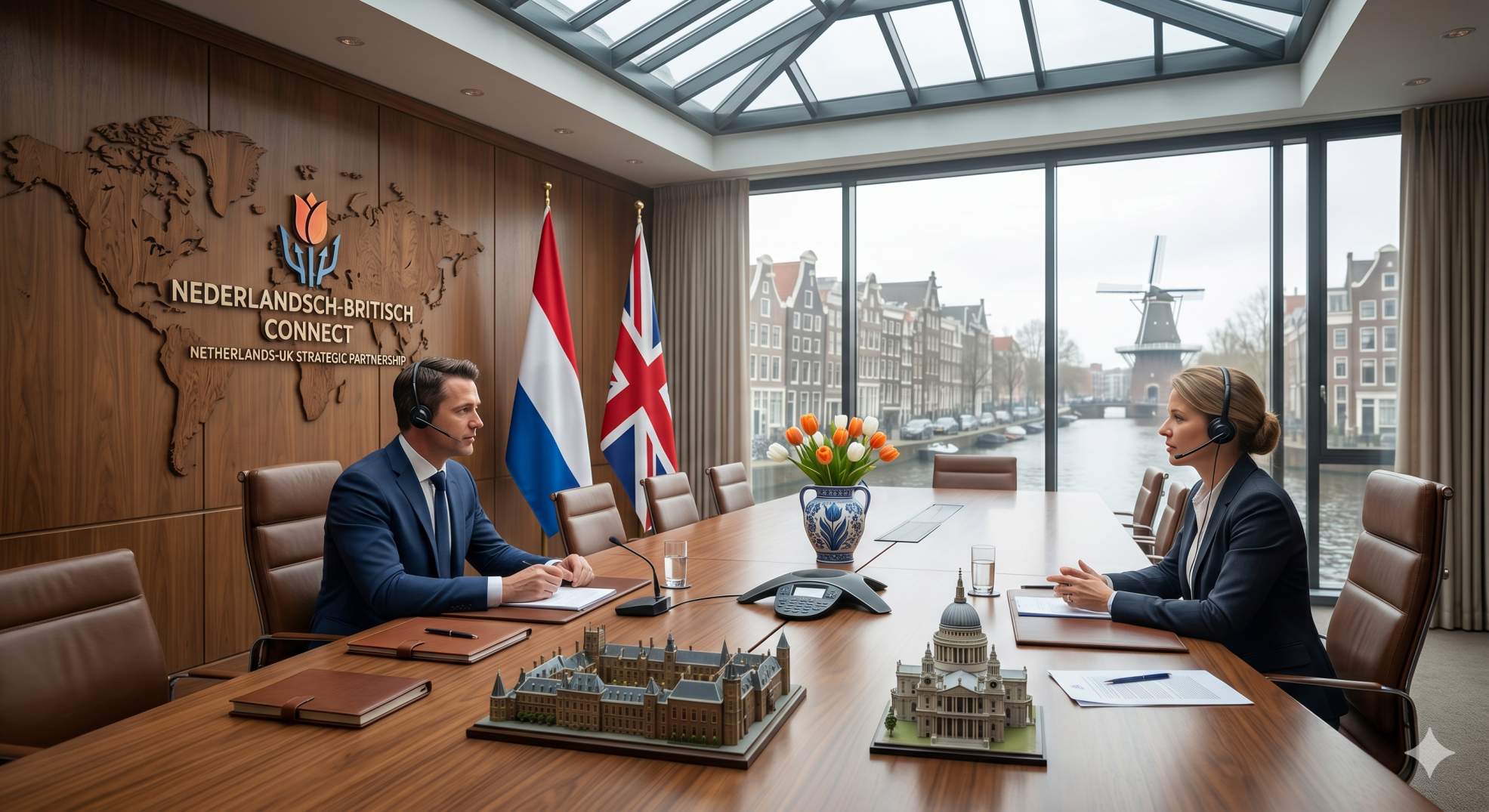
Securing a qualified Italian interpreter in Manchester is paramount for effective communication across a multitude of critical sectors within the UK. Whether navigating the complexities of His Majesty’s Courts and Tribunals Service (HMCTS), ensuring patient safety within the National Health Service (NHS) by engaging with trusts such as Manchester University NHS Foundation Trust and Salford Royal NHS Foundation Trust, or facilitating international business dealings, the need for precise and culturally attuned linguistic support cannot be overstated. This service is essential for upholding legal standards, guaranteeing equitable access to healthcare, and fostering robust economic ties, all within the stringent regulatory framework of the United Kingdom.
Translation vs Interpretation
While often used interchangeably, translation and interpretation are distinct linguistic disciplines, each requiring specialised skills and adherence to professional standards. Interpretation involves the real-time, oral conversion of spoken language from one tongue to another. This demands not only a profound understanding of both the source and target languages but also exceptional listening comprehension, memory recall, and the ability to convey meaning, nuance, and tone instantaneously. For professionals seeking an Italian translator in Manchester for written documents, the process is different. Translation focuses on rendering written text accurately, allowing for more time for research, editing, and ensuring stylistic consistency. However, for immediate, face-to-face or remote spoken interactions, professional interpretation is indispensable. The distinction is critical in legal, medical, and business contexts where miscommunication can have severe consequences. For instance, in legal proceedings, an interpreter must capture the exact legal terminology, while a translator might have more leeway in adapting it for written legal documents, always within the bounds of UK legal practice.
Legal Defence, Immigration, and Courtroom Interpretation
The administration of justice in the UK relies heavily on the principle of fairness and equal access to legal representation. For individuals who do not speak English as a first language, the provision of competent interpreters is a fundamental right, particularly within proceedings managed by His Majesty’s Courts and Tribunals Service (HMCTS). This includes criminal trials, civil litigation, family law matters, and immigration hearings before the First-tier Immigration Tribunal. Professional Italian interpreters play a vital role in ensuring that defendants, witnesses, and litigants can fully understand the proceedings and express themselves without impediment. They must adhere to strict codes of conduct, often certified by bodies such as the National Register of Public Service Interpreters (NRPSI) or holding qualifications like the Diploma in Public Service Interpreting (DPSI). These qualifications signify a commitment to impartiality, confidentiality, and accuracy, which are non-negotiable in legal settings. The Home Office, through UK Visas and Immigration (UKVI), also requires certified interpreters for various application processes and interviews, ensuring that all parties understand the requirements and implications of immigration law. Failure to provide adequate interpretation can lead to miscarriages of justice, appeals, and significant delays within the legal system. Professional bodies like the Chartered Institute of Linguists (CIOL) also set high standards for linguistic professionals operating in the UK.
Healthcare and NHS Patient Safety
Patient safety and equitable access to healthcare are cornerstones of the UK’s National Health Service (NHS). For Italian-speaking patients in Manchester, accessing medical advice, diagnoses, and treatment plans requires clear and accurate communication. Professional Italian interpreters are indispensable in ensuring that patients understand their conditions, treatment options, and consent forms, thereby upholding their rights and promoting informed decision-making. This is particularly crucial in sensitive areas such as mental health, oncology, and emergency care. The Care Quality Commission (CQC) mandates that healthcare providers ensure effective communication for all patients, regardless of their language proficiency. NHS England’s Language Access guidelines stipulate the need for qualified interpreters, not just bilingual staff, to avoid conflicts of interest and ensure professional standards. Interpreters working within the NHS must be familiar with medical terminology and adhere to strict confidentiality requirements, in line with UK GDPR principles. Trusts serving Manchester, such as Manchester University NHS Foundation Trust and Salford Royal NHS Foundation Trust, rely on professional interpretation services to bridge language barriers and ensure that all patients receive the highest standard of care. The Integrated Care System for Greater Manchester, NHS Greater Manchester Integrated Care, also champions accessible healthcare for all residents.
Technical Interpretation Modalities
The effectiveness of interpretation hinges on selecting the appropriate modality for the specific context. For Italian interpretation in Manchester, several techniques are employed:
- Simultaneous Interpretation: This is commonly used in conferences, large meetings, and court proceedings where the interpreter speaks almost concurrently with the speaker, often using specialised equipment like booths and headsets. It requires intense concentration and is the most demanding form of interpretation.
- Consecutive Interpretation: Here, the interpreter speaks after the original speaker has finished a segment of speech. This is suitable for smaller meetings, one-on-one discussions, and medical consultations where direct interaction is key. It allows for more reflection and precise delivery.
- Escort Interpretation: Also known as liaison interpretation, this is used for informal settings, business meetings, site visits, or social events. The interpreter facilitates communication between parties, often acting as a cultural bridge.
- Remote Interpretation (ROH): With advancements in technology, remote simultaneous interpretation (RSI) and remote consecutive interpretation are increasingly common. This allows clients to connect with interpreters via video or telephone conferencing platforms, offering flexibility and cost-effectiveness, while still adhering to professional standards and data protection regulations like UK GDPR.
The choice of modality depends on factors such as the number of participants, the formality of the setting, the technical requirements, and the urgency of the communication. Professional interpreting agencies will advise on the most suitable approach.
Economic and Social Fabric of Manchester
Manchester is a dynamic and diverse city with a thriving economy and a rich cultural heritage. Its status as a major UK hub necessitates robust linguistic support for its international connections and diverse population.
Corporate and Industry
Manchester boasts a strong presence in sectors such as advanced manufacturing, digital and creative industries, financial services, and research and development. International businesses operating in or trading with Italy require professional Italian interpretation and translation services to facilitate negotiations, client meetings, technical exchanges, and market entry strategies. This ensures seamless communication with Italian partners, suppliers, and customers, fostering stronger business relationships and driving economic growth within the region. Professional bodies like the International Association of Conference Interpreters (AIIC), though international, set benchmarks for quality that are reflected in UK professional standards.
Tourism
As a popular tourist destination, Manchester attracts visitors from across the globe, including a significant number from Italy. The hospitality sector, including hotels, restaurants, attractions, and cultural institutions, benefits from Italian-speaking staff or readily available interpretation services to enhance the visitor experience. This contributes to Manchester’s reputation as a welcoming and accessible city for international travellers, boosting the local tourism economy.
Legal Infrastructure
Manchester possesses a well-developed legal sector, with numerous law firms, barristers’ chambers, and corporate legal departments. These entities frequently engage with Italian clients or deal with cross-border legal matters. The demand for qualified Italian interpreters and translators is high, particularly for areas such as contract law, intellectual property, and international arbitration. The presence of HMCTS facilities in the city further underscores the need for certified legal interpreters.
NHS Healthcare
The extensive healthcare network in Manchester, encompassing major NHS trusts and numerous clinics, serves a diverse population. Ensuring that Italian-speaking residents can access and understand healthcare services is a priority. Professional interpreters are crucial for consultations, patient education, and emergency situations, supporting the delivery of high-quality, patient-centred care across all NHS facilities in the city and surrounding areas, including those managed by Northern Care Alliance NHS Group, which manages Salford Royal and other facilities.
Local Infrastructure and Transport
Manchester’s robust infrastructure, including its international airport, extensive public transport network (Metrolink trams, buses, and trains), and major road links, facilitates both domestic and international connectivity. For business travellers and visitors requiring Italian interpretation services, the ease of access to and within the city is enhanced by clear communication. Interpreters often assist in navigating transport hubs, business districts, and various service points, ensuring that language is never a barrier to engaging with Manchester’s extensive facilities. The city council, Manchester City Council, plays a key role in maintaining and developing this infrastructure, ensuring accessibility for all residents and visitors.
In conclusion, the demand for a skilled Italian interpreter in Manchester is driven by the city’s vibrant economy, diverse population, and its critical role within the UK’s legal and healthcare systems. Engaging professional, certified interpreters ensures compliance with UK standards, upholds fundamental rights, and fosters effective communication in all essential sectors. For businesses, legal firms, healthcare providers, and public sector organisations in Manchester and across the UK, investing in high-quality interpretation services is an investment in clarity, accuracy, and successful outcomes.