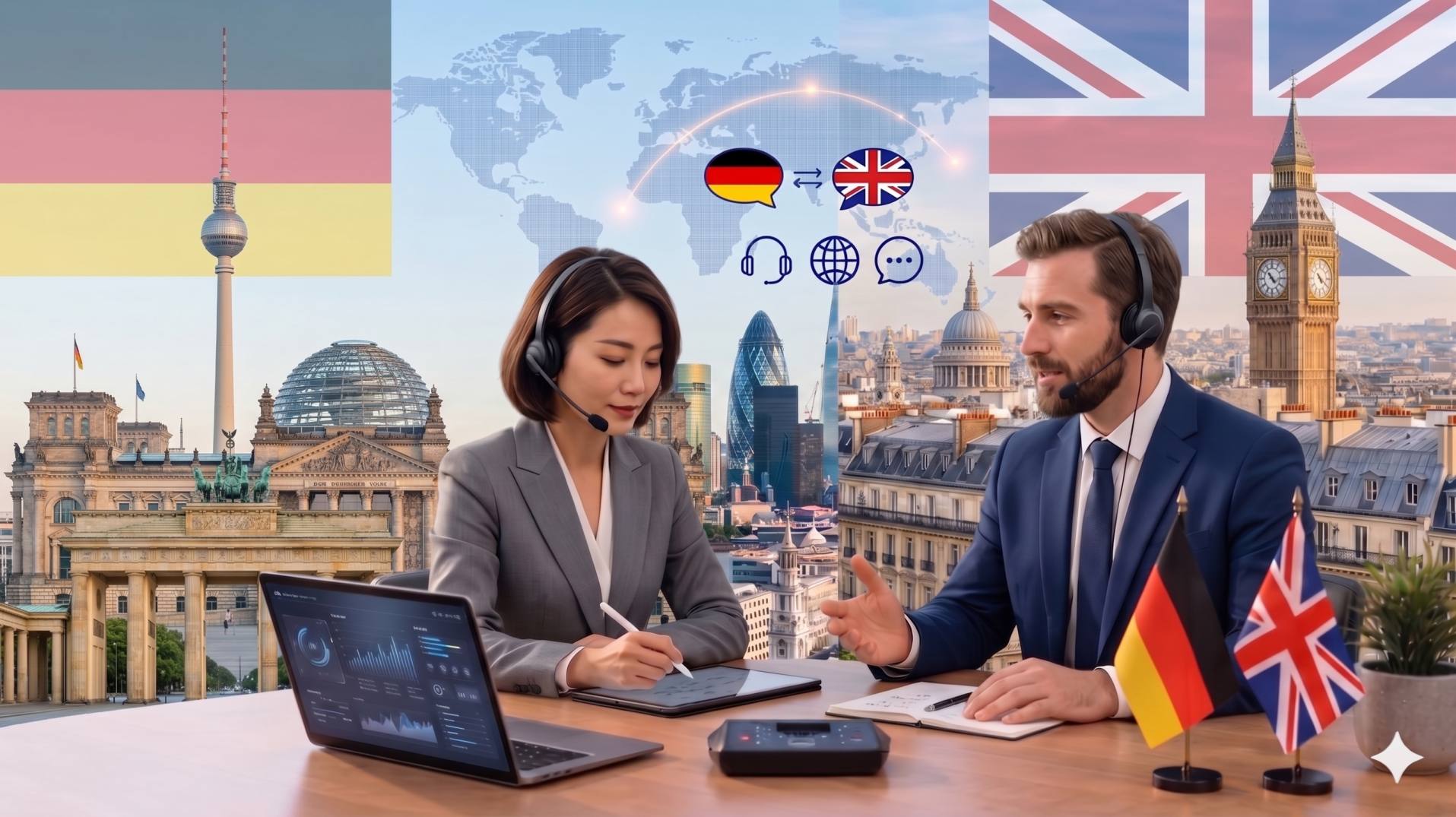
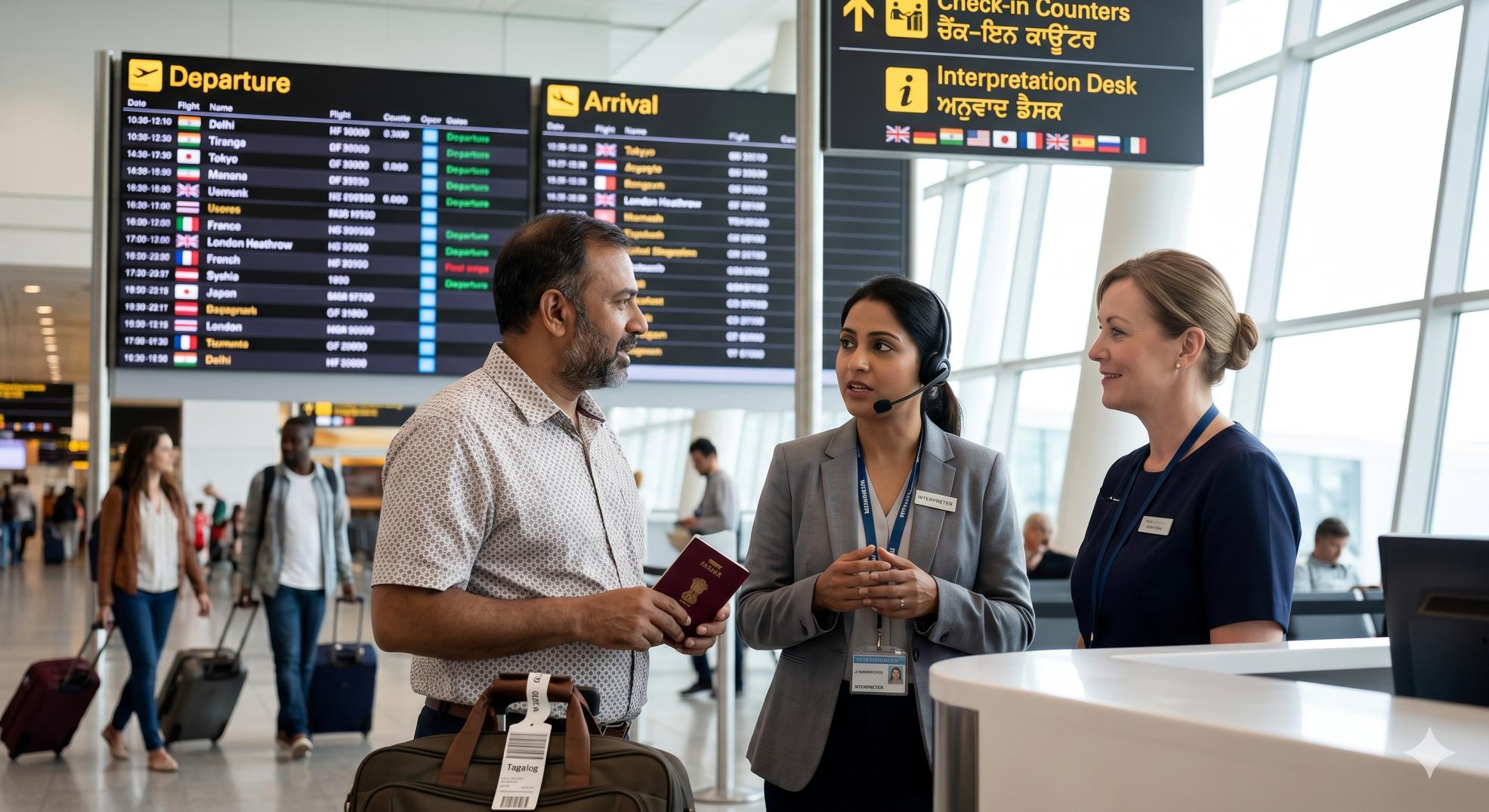
Securing a qualified German interpreter in Greenwich is paramount for effective communication across a multitude of critical sectors within the UK’s professional landscape. Whether navigating the complexities of His Majesty’s Courts and Tribunals Service (HMCTS), ensuring patient safety within the National Health Service (NHS), or facilitating international business dealings, the need for precise and culturally nuanced interpretation is non-negotiable. Greenwich, with its rich history and burgeoning economic activity, demands a high standard of linguistic support. This is particularly true for individuals and organisations requiring German language expertise, whether for legal proceedings, healthcare appointments, or commercial ventures. The Guy’s and St Thomas’ NHS Foundation Trust and the Kingston Hospital NHS Foundation Trust, both serving the wider London area and potentially interacting with Greenwich residents, highlight the critical role of language services in patient care, underscoring the necessity for professional interpreters.
Translation vs Interpretation
While often used interchangeably, translation and interpretation are distinct linguistic disciplines, each requiring specific skill sets and methodologies. Understanding this difference is fundamental when seeking linguistic support, especially when engaging a German translator in Greenwich or requiring interpretation services. Translation involves the conversion of written text from one language to another. This process allows for meticulous review, editing, and refinement to ensure accuracy and fidelity to the source material. Professional translators adhere to stringent quality standards, often specialising in specific fields such as legal, medical, or technical documentation. In the UK, professional bodies like the Chartered Institute of Linguists (CIOL) set benchmarks for translation quality and professional conduct. Conversely, interpretation is the real-time, spoken conversion of one language to another. This requires not only linguistic proficiency but also exceptional listening skills, memory retention, cultural awareness, and the ability to think quickly under pressure. Interpreters work with live speech, whether in face-to-face meetings, telephone calls, or video conferences. The accuracy and immediacy demanded in interpretation are crucial in high-stakes environments such as courtrooms, hospitals, and business negotiations. For legal and public service settings in the UK, interpreters must often meet specific certification requirements, such as those mandated by the National Register of Public Service Interpreters (NRPSI), ensuring they possess the necessary skills and ethical grounding to operate effectively and impartially within the UK’s diverse linguistic landscape.
Legal Defence, Immigration, and Courtroom Interpretation
The administration of justice in the United Kingdom relies heavily on the principle of fairness and equal access to legal processes for all individuals, regardless of their linguistic background. For German speakers involved in legal matters in Greenwich, securing a qualified German interpreter in Greenwich is not merely a convenience but a fundamental right. His Majesty’s Courts and Tribunals Service (HMCTS) mandates the provision of interpreters in proceedings where a party does not understand English sufficiently to participate effectively. This includes criminal trials, civil litigation, family law cases, and various tribunal hearings. The accuracy of interpretation in these settings is critical, as miscommunication can have profound consequences, impacting the outcome of cases and individual liberties. Professional interpreters working within the UK legal system must adhere to strict codes of conduct, often requiring accreditation from bodies like the NRPSI or holding qualifications such as the Diploma in Public Service Interpreting (DPSI). These qualifications ensure interpreters possess the specialised vocabulary and understanding of legal terminology required for proceedings before HMCTS, including the Crown Court and Magistrates’ Courts. Furthermore, for individuals seeking to enter or remain in the UK, immigration law presents a complex web of procedures. The Home Office and UK Visas and Immigration (UKVI) require clear and accurate communication throughout the application and interview process. German speakers interacting with UKVI or appealing decisions at the First-tier Immigration Tribunal will require interpreters who can facilitate precise understanding of questions, evidence, and legal arguments. The role of the interpreter extends to assisting solicitors and barristers in preparing their cases, ensuring that all evidence and client instructions are accurately conveyed. The integrity of the UK’s legal system is upheld by the impartiality and professionalism of its interpreters, who act as vital conduits for justice.
Healthcare and NHS Patient Safety
Patient safety and effective healthcare delivery are cornerstones of the National Health Service (NHS) in the UK. For German-speaking patients in Greenwich, accessing healthcare services without a language barrier is essential for receiving accurate diagnoses, appropriate treatment, and informed consent. The NHS has a legal and ethical obligation to provide language assistance to patients who do not speak English as a first language. This is governed by national guidelines, including those set by NHS England, which emphasise the importance of using qualified interpreters to ensure patient understanding and safety. The Care Quality Commission (CQC), the independent regulator of health and social care services in England, inspects providers to ensure they meet fundamental standards of quality and safety, which includes effective communication with patients. Failure to provide adequate language support can lead to medical errors, delayed treatment, and compromised patient outcomes. Therefore, NHS trusts and healthcare providers serving Greenwich must ensure access to professional German interpreters. These interpreters must not only possess linguistic fluency but also a thorough understanding of medical terminology and the sensitive nature of healthcare interactions. Adherence to the UK General Data Protection Regulation (UK GDPR) is also paramount, ensuring patient confidentiality is maintained at all times. Professional interpreters working within the NHS are expected to uphold the highest standards of confidentiality and impartiality, as outlined by professional bodies like the NRPSI. The use of unqualified or informal interpreters, such as family members, is strongly discouraged due to potential conflicts of interest, emotional involvement, and lack of specialised training, which can jeopardise patient safety and the integrity of medical records. Ensuring a German interpreter in Greenwich is readily available for NHS appointments, hospital admissions, and consultations is a critical component of equitable healthcare provision.
Technical Interpretation Modalities
The effective delivery of interpretation services in Greenwich, particularly for professional and technical contexts, requires an understanding of different interpretation modalities. The choice of modality depends on the specific situation, the number of participants, the setting, and the desired level of immediacy and interaction. Consecutive interpretation is commonly used in one-on-one meetings, doctor’s appointments, or smaller business discussions. The interpreter listens to a segment of speech, then renders it into the target language while the speaker pauses. This allows for a natural flow of conversation but introduces a delay. Simultaneous interpretation is employed in larger conferences, international meetings, or parliamentary sessions where immediate understanding is crucial. The interpreter, typically working from a soundproof booth with specialised equipment, listens to the speaker through headphones and interprets almost concurrently into a microphone. This requires highly skilled interpreters and sophisticated technology. Escort interpretation, also known as liaison interpretation, is used for business meetings, site visits, or social functions where the interpreter acts as a cultural and linguistic bridge between parties. The interpreter is often physically present with the client, facilitating communication in a more informal, yet professional, manner. In recent years, remote interpretation (also known as telephonic or video interpretation) has become increasingly prevalent. This modality allows for instant access to interpreters via phone or video conferencing platforms, offering flexibility and cost-effectiveness for situations where face-to-face interpretation is not feasible or necessary. For businesses and public services in Greenwich, understanding these technical modalities ensures they can select the most appropriate and efficient interpretation solution to meet their specific communication needs, whether for legal proceedings, healthcare consultations, or international business negotiations.
Economic and Social Fabric of Greenwich
Greenwich, a borough rich in history and culture, possesses a dynamic economic and social fabric that necessitates robust linguistic support. Its unique blend of heritage sites, educational institutions, and developing commercial sectors creates a diverse demand for professional services, including German interpretation and translation.
Corporate and Industry
Greenwich and its surrounding areas host a growing number of businesses, from established corporations to innovative start-ups. Many of these entities engage in international trade or collaborate with German-speaking partners. This requires seamless communication for contract negotiations, product development, marketing, and client relations. Professional German interpreters and translators are vital for ensuring that business dealings are conducted with clarity and precision, fostering strong international partnerships and contributing to the local economy. The ability to access expert linguistic services supports foreign direct investment and enhances the competitiveness of businesses operating within the UK market.
Tourism
As a UNESCO World Heritage site and a major tourist destination, Greenwich attracts visitors from across the globe, including a significant number of German-speaking tourists. The tourism sector, encompassing hotels, attractions, and hospitality services, benefits immensely from the availability of German language support. Whether it’s providing information at the Royal Observatory, guiding tours of the Cutty Sark, or assisting visitors in hotels and restaurants, professional interpreters and multilingual staff enhance the visitor experience, encouraging repeat visits and positive word-of-mouth recommendations. This linguistic accessibility is crucial for maintaining Greenwich’s status as a premier global tourist destination.
Legal Infrastructure
The legal landscape in Greenwich, as part of the wider London legal hub, includes numerous law firms, legal aid centres, and access to HMCTS facilities. German-speaking individuals involved in legal disputes, property transactions, or requiring legal advice within the UK jurisdiction depend on accurate interpretation services. This ensures they can fully understand legal proceedings, communicate effectively with their legal representatives, and receive fair treatment under UK law. The presence of accredited German interpreters is a critical component of the borough’s legal infrastructure, supporting both residents and businesses engaged in cross-border legal matters.
NHS Healthcare
The National Health Service (NHS) provides essential healthcare services to the residents of Greenwich. For the German-speaking community, accessing these services requires reliable language support. As previously highlighted, ensuring that patients can communicate their symptoms, understand treatment plans, and provide informed consent is a priority for NHS trusts serving the area. The availability of qualified German interpreters within local NHS facilities, such as those potentially affiliated with Guy’s and St Thomas’ or Kingston Hospital NHS Foundation Trusts, is fundamental to delivering equitable and safe patient care, adhering to the rigorous standards set by the CQC and NHS England.
Local Infrastructure and Transport
Greenwich benefits from a well-developed local infrastructure and transport network, facilitating the movement of people and goods, and supporting the delivery of professional services. Its strategic location within London provides excellent connectivity via the London Underground (Jubilee Line at North Greenwich), Docklands Light Railway (DLR), National Rail services, and extensive bus routes. This connectivity is vital for professional interpreters and translators based in or travelling to Greenwich to efficiently reach their assignments, whether they are at HMCTS courts, NHS facilities, corporate offices, or private residences. The accessibility afforded by Greenwich’s transport links ensures that critical services, such as legal interpretation and medical interpretation, can be delivered promptly and reliably. Furthermore, the presence of modern business centres and conference facilities within the borough supports the hosting of international events and meetings, further increasing the demand for high-quality German interpretation services. The ongoing development and maintenance of this infrastructure underscore Greenwich’s commitment to being a well-connected and accessible hub for both its residents and the businesses that operate within it, reinforcing the need for comprehensive linguistic support to serve its diverse population and international connections.
Conclusion
For any individual or organisation in Greenwich requiring precise and professional linguistic support, engaging a qualified German interpreter in Greenwich is essential. From the critical demands of UK legal proceedings under HMCTS and immigration matters handled by the Home Office, to ensuring patient safety and understanding within the NHS, and facilitating seamless international business transactions, the role of expert interpreters cannot be overstated. Adherence to UK professional standards, as set by bodies like the NRPSI and CIOL, guarantees the impartiality, accuracy, and confidentiality required in these sensitive environments. By prioritising certified linguistic professionals, businesses, legal firms, and healthcare providers in Greenwich can ensure effective communication, uphold legal and ethical obligations, and foster stronger relationships within the diverse communities they serve. If you require expert German interpretation services in Greenwich, seek out accredited professionals who understand the nuances of UK law, healthcare, and business practices.