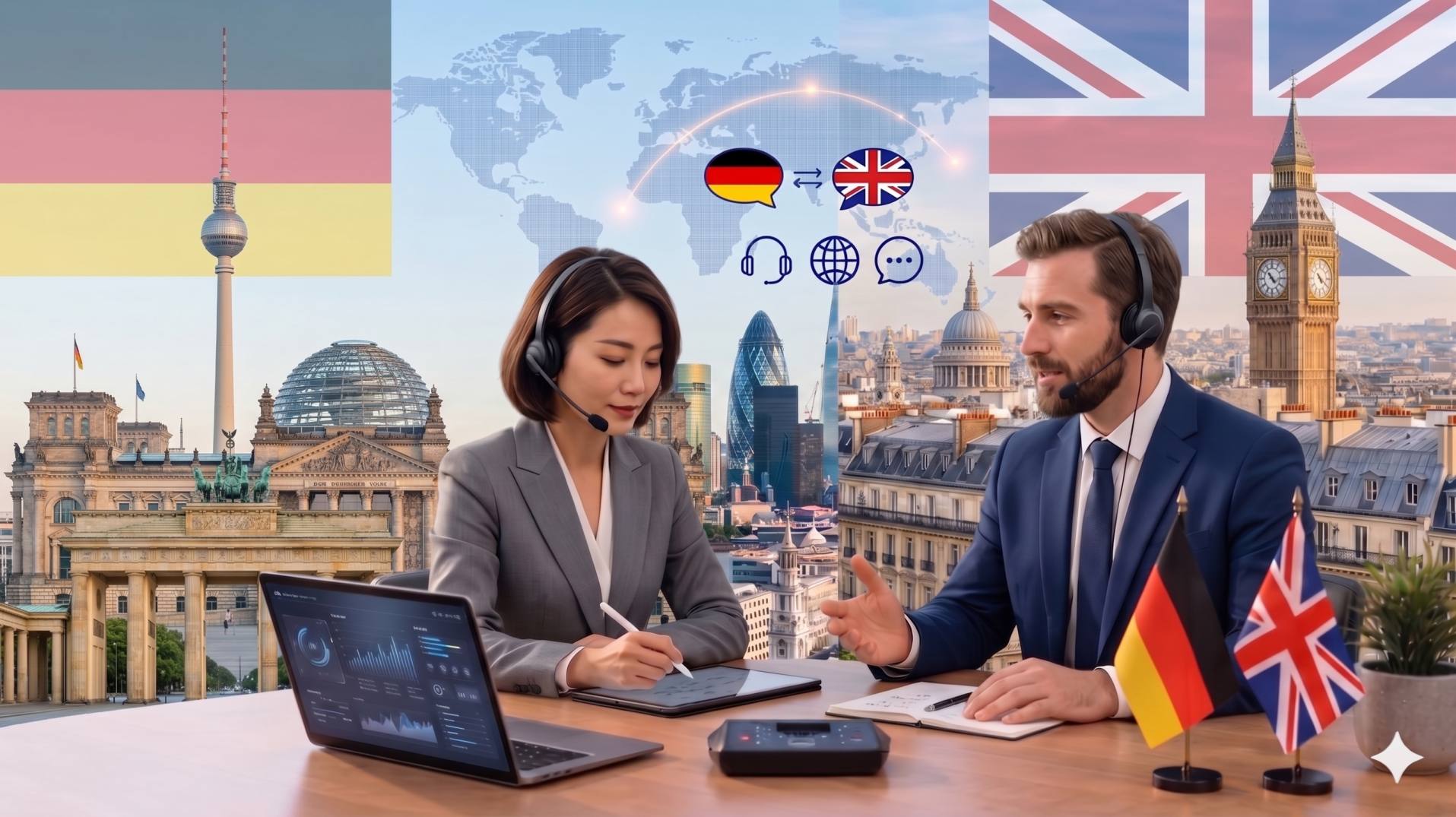
Securing a qualified German interpreter in Leeds is paramount for effective communication across diverse professional sectors within the United Kingdom. Whether engaging with His Majesty’s Courts and Tribunals Service (HMCTS), navigating complex healthcare scenarios within the National Health Service (NHS), or facilitating international business transactions, the need for precise and culturally nuanced interpretation is undeniable. Leeds, a vibrant economic hub in West Yorkshire, serves a significant population and hosts numerous businesses that require seamless linguistic support. This includes crucial interactions with institutions such as the Leeds Teaching Hospitals NHS Trust (https://www.leedsth.nhs.uk/) and the Yorkshire and the Humber NHS Commissioning Board (https://www.yhahcsu.nhs.uk/), where clear communication can directly impact patient safety and outcomes. Professional interpreters bridge linguistic divides, ensuring that legal proceedings, medical consultations, and business negotiations are conducted with accuracy, integrity, and adherence to UK professional standards.
Translation vs Interpretation: Understanding the Nuances
While often used interchangeably, translation and interpretation are distinct linguistic disciplines, each requiring specialised skills and methodologies. A professional German translator in Leeds works with written text, converting documents, reports, and correspondence from German to English or vice versa. This process demands meticulous attention to detail, a deep understanding of subject-specific terminology, and the ability to convey meaning accurately in a static format. Conversely, interpretation deals with spoken language in real-time. A skilled German interpreter in Leeds facilitates live communication, whether in face-to-face meetings, telephone calls, or video conferences. This requires not only linguistic proficiency but also exceptional listening skills, rapid processing, cultural awareness, and the ability to manage the flow of conversation effectively. The choice between translation and interpretation depends entirely on the context and the nature of the communication required. For legal depositions, medical appointments, or business negotiations, live interpretation is essential, whereas for contracts, official documentation, or marketing materials, translation is the appropriate service. Professional bodies such as the Chartered Institute of Linguists (CIOL) (https://www.ciol.org.uk/) and the National Register of Public Service Interpreters (NRPSI) (https://www.nrpsi.uk/) set rigorous standards for both professions, ensuring that practitioners possess the necessary qualifications and adhere to strict ethical codes.
Legal Defence, Immigration, and Courtroom Interpretation
The UK legal system, governed by principles of natural justice and due process, mandates that all individuals, regardless of their linguistic background, have access to fair legal proceedings. For German speakers involved in any aspect of the UK legal framework, the availability of a qualified German interpreter in Leeds is not merely a convenience but a fundamental right. This is particularly critical in matters involving His Majesty’s Courts and Tribunals Service (HMCTS), where miscommunication can have severe consequences. Interpreters are essential in various legal settings, including criminal courts, civil litigation, family law proceedings, and administrative hearings before tribunals. The Ministry of Justice (https://www.gov.uk/government/organisations/ministry-of-justice) oversees the operation of HMCTS, and its guidelines emphasise the need for impartiality and accuracy in all court-related interpretation. Professional interpreters often hold qualifications recognised by the NRPSI or the Diploma in Public Service Interpreting (DPSI), ensuring they meet the high standards required for legal work. In immigration matters, German nationals interacting with the UK Visas and Immigration (UKVI) (https://www.gov.uk/government/organisations/uk-visas-and-immigration) or seeking asylum must have access to interpreters. The First-tier Immigration Tribunal also relies heavily on these services to ensure all parties understand the proceedings. Law firms in Leeds specialising in criminal defence, immigration law, and civil disputes frequently engage professional German interpreters to represent their clients effectively, ensuring that evidence is presented accurately and that clients fully comprehend their legal rights and obligations. The Royal Courts of Justice in London, as the ultimate appellate court, also requires the highest calibre of interpreters for its proceedings.
Healthcare and NHS Patient Safety
Patient safety within the NHS is a cornerstone of healthcare delivery in the UK, and effective communication is intrinsically linked to it. For German-speaking patients in Leeds, accessing healthcare services without a language barrier is crucial for accurate diagnosis, informed consent, and appropriate treatment. The Care Quality Commission (CQC) (https://www.cqc.org.uk/), the independent regulator of health and social care services in England, mandates that providers ensure patients can communicate effectively with healthcare professionals. This includes providing access to qualified interpreters when needed. Leeds is served by several key NHS trusts, including Leeds Teaching Hospitals NHS Trust and Leeds and York Partnership NHS Foundation Trust (https://www.leedsth.nhs.uk/, https://www.nhs.uk/services/hospital/nhs-foundation-trusts/leeds-and-york-partnership-nhs-foundation-trust/998/), both of which must adhere to NHS England’s Language Access guidelines. These guidelines stress the importance of using professional, impartial interpreters rather than relying on family members or untrained staff, who may lack the necessary skills or introduce bias. A professional German interpreter in Leeds ensures that medical histories are accurately recorded, treatment options are clearly explained, and patients can express their concerns and preferences without misunderstanding. Compliance with UK General Data Protection Regulation (UK GDPR) is also paramount, ensuring patient confidentiality is maintained throughout the interpretation process. The use of qualified interpreters supports the NHS’s commitment to providing equitable care to all members of the community, regardless of their primary language.
Technical Interpretation Modalities
The effectiveness of interpretation hinges on selecting the appropriate modality for the specific situation. A professional German interpreter in Leeds can offer a range of services tailored to different communication needs. Simultaneous interpretation is employed in settings where rapid, continuous communication is required, such as conferences, large meetings, or live broadcasts. The interpreter renders the speech into the target language almost instantaneously, typically using specialised equipment like booths and headsets. This is ideal for situations where participants need to understand the speaker in real-time without significant delay. Consecutive interpretation is used in smaller gatherings, interviews, or one-on-one discussions. The interpreter listens to a segment of speech, then delivers the interpretation in the target language once the speaker pauses. This allows for more detailed and nuanced communication, suitable for legal consultations or medical appointments where precision is key. Escort interpretation (also known as liaison interpretation) facilitates communication between parties speaking different languages in social or business settings, such as factory tours, site visits, or informal business meetings. The interpreter acts as a cultural bridge, ensuring smooth interaction. Increasingly, remote interpretation services are becoming vital. Utilising telephone or video conferencing platforms, interpreters can connect with clients regardless of geographical location. This modality offers flexibility and cost-effectiveness, particularly for urgent requests or when in-person interpreters are not readily available. Professional organisations like the International Association of Conference Interpreters (AIIC) (https://www.aiic.net/) provide guidance on best practices for various interpretation modes.
Economic and Social Fabric of Leeds
Leeds stands as a prominent centre for commerce, culture, and public services in the North of England. Its dynamic economy and diverse population necessitate robust linguistic support, making the role of a professional German interpreter in Leeds increasingly significant.
Corporate and Industry
Leeds boasts a thriving business landscape, with strengths in financial services, digital technology, advanced manufacturing, and retail. International companies operating in or trading with Germany require German interpreters for a multitude of purposes, including contract negotiations, mergers and acquisitions, client meetings, product launches, and internal communications. The presence of German subsidiaries or significant German investment in the region further amplifies this need. Professional interpreters ensure that business dealings are conducted with clarity and cultural sensitivity, fostering strong international partnerships and facilitating market entry. The Leeds Chamber of Commerce (https://www.yourchamber.org.uk/) often supports businesses with international trade, highlighting the importance of effective cross-cultural communication.
Tourism
As a major tourist destination, Leeds attracts visitors from across the globe, including a notable number from German-speaking countries. The hospitality sector, including hotels, restaurants, museums, and cultural attractions, benefits from having access to German-speaking staff or, at minimum, the ability to engage professional interpreters for specific guest interactions. This enhances the visitor experience, promotes repeat business, and contributes to Leeds’ reputation as a welcoming city. Interpreters can assist tour operators, event organisers, and visitor information centres in providing comprehensive services to German tourists.
Legal Infrastructure
Leeds possesses a well-established legal sector, with numerous law firms, barristers’ chambers, and legal support services. The city’s courts, including those managed by His Majesty’s Courts and Tribunals Service (HMCTS), handle a diverse caseload. German nationals involved in legal matters in Leeds, whether as defendants, plaintiffs, witnesses, or parties to civil disputes, require qualified interpreters to ensure their rights are protected and that they fully understand court proceedings. This is crucial for maintaining the integrity of the justice system and upholding principles of fairness. The Leeds Law Society (https://www.thelegal500.com/firms/10551-womble-bond-sophie/10551-womble-bond-sophie) can provide insights into the local legal landscape.
NHS Healthcare
The National Health Service (NHS) in Leeds serves a multicultural population. For German-speaking residents, patients, or visitors, accessing healthcare services requires clear communication. NHS trusts and healthcare providers in Leeds are committed to providing equitable care, which includes offering professional interpretation services for medical consultations, hospital admissions, and emergency treatments. This ensures that patients can provide accurate medical histories, understand diagnoses, give informed consent for procedures, and adhere to treatment plans, thereby improving health outcomes and patient satisfaction. The Leeds and York Partnership NHS Foundation Trust plays a vital role in mental health services, where sensitive and accurate communication is paramount.
Local Infrastructure and Transport
Leeds is well-connected, with a robust public transport network and excellent road and rail links. Leeds Bradford Airport facilitates international travel, including direct and connecting flights to Germany. The city’s public transport system, managed by organisations like West Yorkshire Combined Authority (https://www.westyorks-ca.gov.uk/), includes extensive bus routes and a central train station serving national rail networks. For German visitors or business professionals navigating the city, access to interpreters can be invaluable for understanding transport information, purchasing tickets, and seeking assistance. This seamless integration into the local infrastructure enhances the overall experience for German speakers in Leeds, whether for business, leisure, or essential services.
Conclusion
In conclusion, the demand for professional German interpreter in Leeds services is substantial and multifaceted, underpinning critical functions across legal, healthcare, business, and public service sectors. Adherence to UK professional standards, as set by bodies like the NRPSI and CIOL, ensures that interpreters provide accurate, impartial, and confidential services. For UK corporate buyers, law firms, NHS trusts, and government departments, engaging qualified German interpreters is not merely a matter of compliance but a strategic imperative for effective communication, operational efficiency, and the upholding of fundamental rights. Ensuring access to skilled linguistic professionals guarantees that all individuals, including German speakers, can fully participate in and benefit from the services and opportunities available within Leeds and the wider United Kingdom. For your organisation’s critical communication needs, secure the expertise of a certified German interpreter in Leeds today.