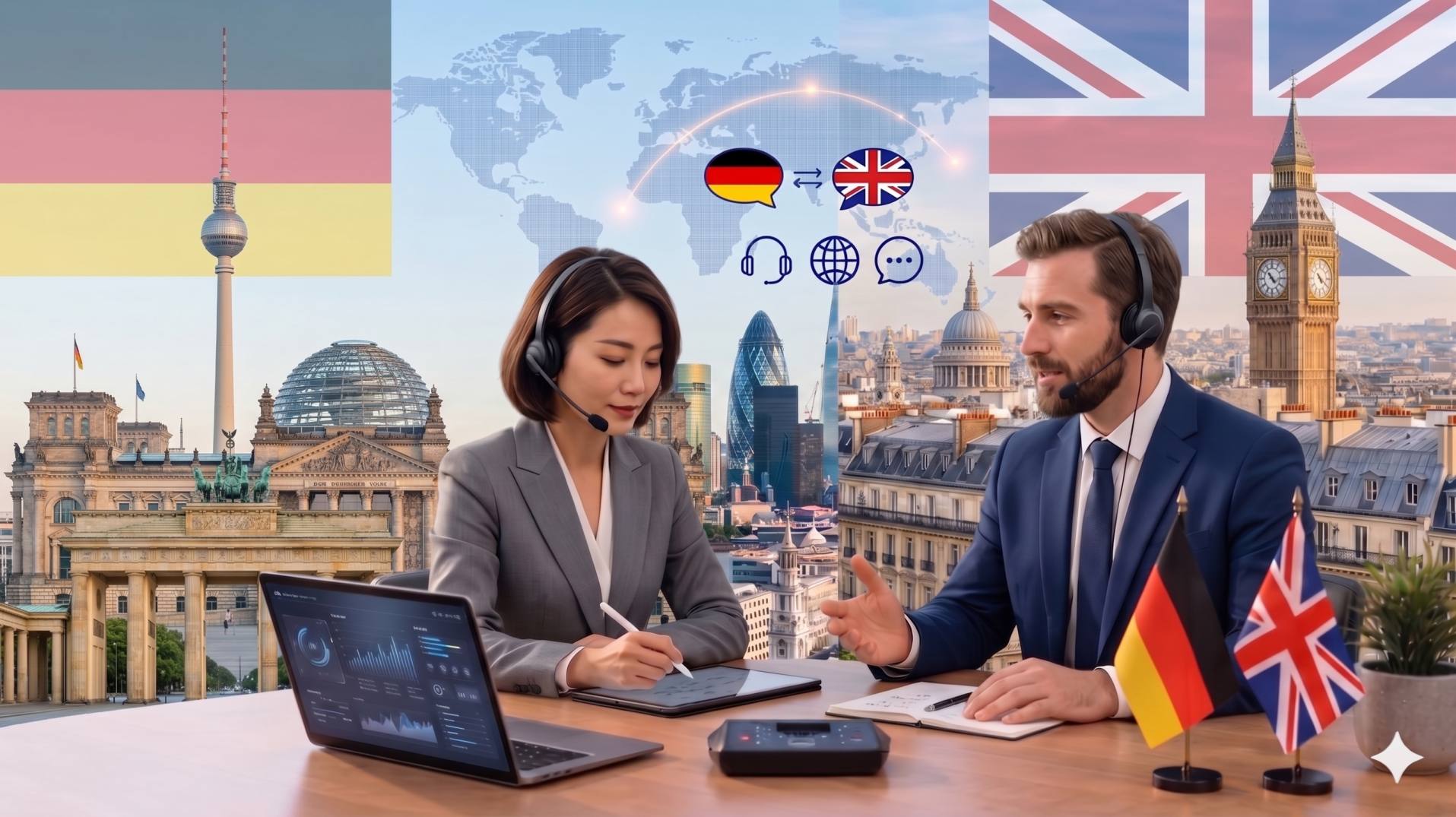
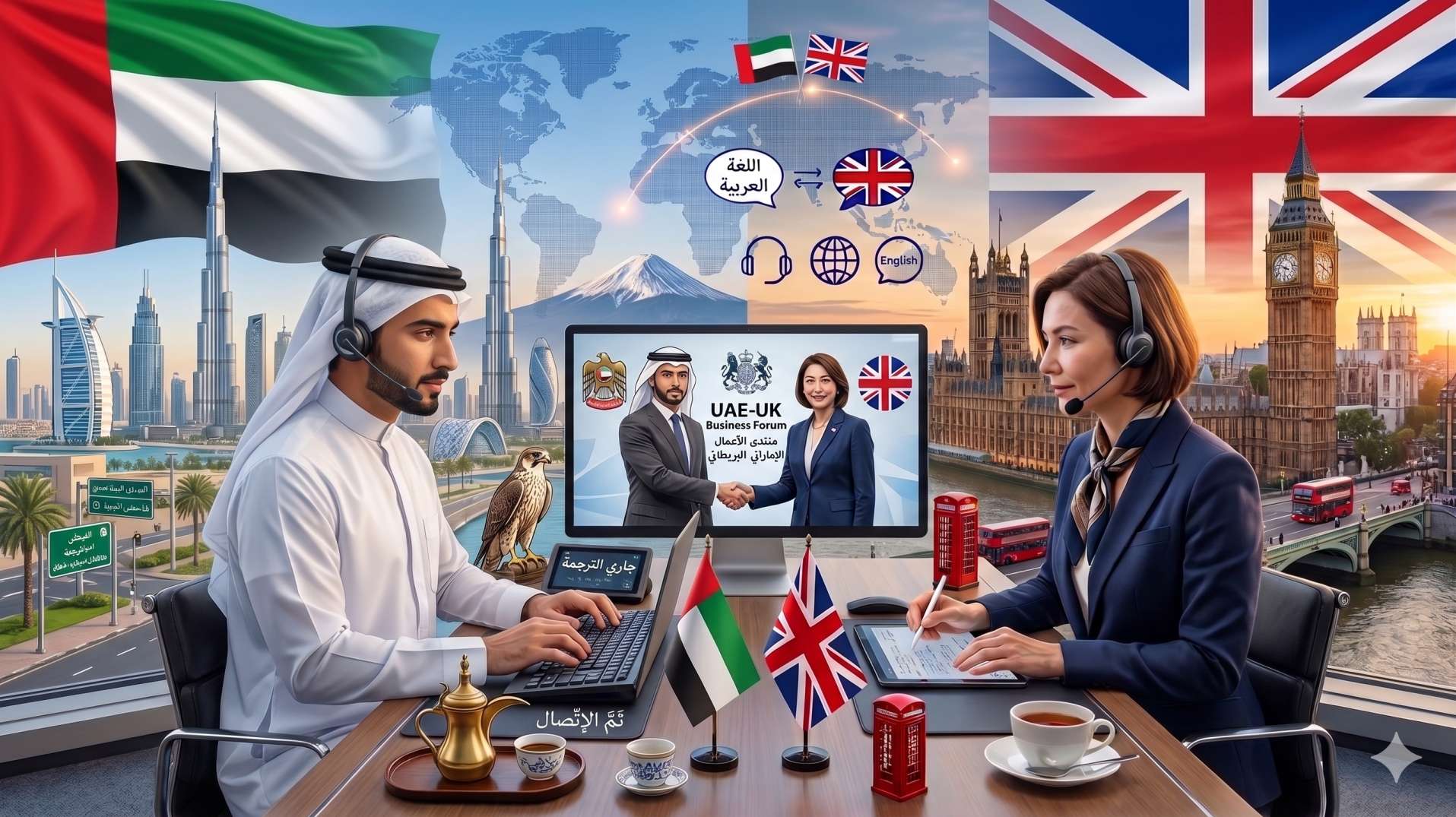
Securing a qualified German interpreter in Powys is paramount for effective communication across a multitude of critical sectors within the United Kingdom. Whether engaging with His Majesty’s Courts and Tribunals Service (HMCTS), navigating the complexities of the National Health Service (NHS), or facilitating international business dealings, the need for precise and culturally nuanced interpretation cannot be overstated. For residents and businesses in Powys, accessing professional German interpretation ensures that language barriers do not impede access to justice, healthcare, or economic opportunities. This is particularly vital when considering the diverse linguistic needs within the UK’s public services, where adherence to stringent professional standards is mandated. For instance, in Powys, individuals may require interpretation services facilitated by trusts such as Powys Teaching Health Board, ensuring that communication with healthcare professionals is clear and accurate, upholding patient safety and dignity. Similarly, understanding the legal landscape requires interpreters accredited by bodies like the National Register of Public Service Interpreters (NRPSI), ensuring compliance with UK legal standards and the integrity of proceedings within His Majesty’s Courts and Tribunals Service (HMCTS).
Translation vs Interpretation: Precision in Communication
While often used interchangeably, translation and interpretation are distinct disciplines, each requiring specialised skills and adhering to different professional standards. Translation involves the conversion of written text from one language to another, demanding meticulous attention to detail, grammatical accuracy, and an understanding of the nuances of written communication. This is crucial for legal documents, business contracts, technical manuals, and official correspondence. A professional German translator in Powys, for example, would ensure that all written materials are rendered accurately, maintaining the original intent and legal standing of the document. This process often involves in-depth research into specific terminology, whether legal, medical, or technical, to ensure the translated output is not only linguistically correct but also contextually appropriate for the UK legal and corporate environment. Professional bodies like the Chartered Institute of Linguists (CIOL) set high standards for translators, ensuring competence and ethical practice. Conversely, interpretation deals with the spoken word, converting spoken language in real-time or near real-time. This requires not only linguistic proficiency but also exceptional listening skills, memory retention, cultural awareness, and the ability to think quickly under pressure. The role of an interpreter is dynamic, demanding adaptability to different communication styles and environments, from formal courtrooms to informal business meetings. The distinction is critical for service providers and clients alike, ensuring that the correct linguistic service is engaged for the specific need, thereby guaranteeing the efficacy and integrity of the communication.
Legal Defence, Immigration, and Courtroom Interpretation
The administration of justice in the UK relies heavily on the principle of equal access, which necessitates effective communication for all parties, regardless of their language proficiency. For individuals involved in legal proceedings in Powys or elsewhere in the UK who speak German, the provision of qualified interpreters is a fundamental right. His Majesty’s Courts and Tribunals Service (HMCTS) mandates the use of accredited interpreters to ensure fairness and transparency in all court matters, from preliminary hearings to full trials. These interpreters must meet rigorous standards, often holding qualifications such as the Diploma in Public Service Interpreting (DPSI) or being registered with the NRPSI. This ensures they possess the necessary legal terminology, ethical understanding, and impartiality required for courtroom environments. The Home Office and UK Visas and Immigration (UKVI) also require certified German interpreters for immigration applications, asylum interviews, and appeals heard before the First-tier Immigration Tribunal. Accurate interpretation in these contexts is vital for individuals to present their cases effectively and for the authorities to make informed decisions based on clear communication. Failure to provide adequate interpretation can lead to miscarriages of justice, prolonged legal processes, and significant distress for individuals. Professional interpreters working within the UK legal framework operate under strict codes of conduct, ensuring confidentiality, accuracy, and professional demeanour at all times. Their role extends beyond mere word-for-word conversion; they act as conduits of meaning, ensuring that cultural nuances and legal implications are conveyed appropriately, upholding the integrity of the UK’s legal system. The Royal Courts of Justice and all other judicial bodies across the UK depend on this professional infrastructure to function equitably.
Healthcare and NHS Patient Safety
Patient safety and effective healthcare delivery within the NHS are critically dependent on clear communication between healthcare professionals and patients. In Powys, where diverse communities may reside, the availability of professional German interpreters is essential for ensuring that all patients, including those with limited English, receive appropriate care and understand their medical conditions, treatment plans, and consent forms. The NHS, guided by NHS England’s Language Access guidelines and the Care Quality Commission (CQC), places a strong emphasis on providing accessible healthcare for all. This includes adhering to UK GDPR principles regarding the secure and confidential handling of patient information, even when interpreted. Professional interpreters working within the NHS must not only be linguistically competent but also possess an understanding of medical terminology and the sensitive nature of healthcare interactions. They are bound by strict confidentiality agreements and ethical codes, ensuring patient privacy is maintained. The use of unqualified or informal interpreters can lead to serious misunderstandings, diagnostic errors, and adverse patient outcomes. Therefore, NHS trusts, including those serving Powys such as Powys Teaching Health Board, are committed to engaging interpreters who meet recognised professional standards, often through frameworks that ensure quality and reliability. This commitment safeguards patient rights, enhances the patient experience, and upholds the high standards of care expected within the UK’s public healthcare system. Ensuring that German-speaking patients can communicate freely and accurately with their doctors and nurses is a fundamental aspect of equitable healthcare provision.
Technical Interpretation Modalities
The effectiveness of interpretation services hinges on selecting the appropriate modality for the specific context. Professional German interpreters in Powys offer a range of services tailored to diverse needs. Simultaneous interpretation is commonly used in conferences, large meetings, and parliamentary settings, where the interpreter conveys the speaker’s message with minimal delay, often using specialised equipment like booths and headsets. This modality requires intense concentration and rapid processing. Consecutive interpretation is more suited for smaller meetings, one-on-one discussions, or legal depositions, where the interpreter speaks after the source speaker has finished a segment of their speech. This allows for more detailed and considered delivery. Escort interpretation, also known as liaison interpretation, facilitates communication in social or business settings, such as factory tours, site visits, or informal business negotiations, where the interpreter acts as a cultural bridge between parties. For situations where face-to-face interaction is not feasible, remote interpretation services, including telephone interpreting and video remote interpreting (VRI), have become increasingly vital. These services leverage technology to connect interpreters with clients across geographical distances, offering flexibility and rapid response. Professional bodies like the Association of Interpreters and Translators (AIIC) provide guidance on best practices for all these modalities, ensuring that whether the need is for a high-profile international conference or a routine medical appointment, the interpretation provided is of the highest professional standard, adhering to UK best practices and client requirements.
Economic and Social Fabric of Powys
Powys, a county renowned for its stunning natural landscapes and rural character, possesses a diverse economic and social fabric that increasingly benefits from professional linguistic services. The integration of German speakers and businesses into this fabric necessitates reliable communication channels, underscoring the importance of German interpretation and translation services. The economic landscape of Powys is multifaceted, encompassing traditional industries alongside emerging sectors, all of which can benefit from expert linguistic support.
Corporate and Industry
While Powys may not be a major industrial hub, it hosts various businesses, including agricultural enterprises, manufacturing firms, and growing tech start-ups. For companies engaged in international trade, seeking foreign investment, or collaborating with German partners, accurate communication is key. Professional German interpreters and translators can facilitate business negotiations, assist in drafting contracts compliant with UK law, and ensure marketing materials resonate with target audiences. The presence of skilled linguists supports the growth of local businesses by enabling them to compete on a global stage and attract international talent. Adherence to UK corporate governance and legal standards is paramount, and linguistic services play a crucial role in ensuring all documentation and communication meet these requirements.
Tourism
Powys is a significant tourist destination, attracting visitors from across the UK and internationally. German-speaking tourists contribute to the local economy, and providing them with accessible information and services in their native language enhances their experience. This can range from translated visitor guides and signage to interpretation services for guided tours or at local attractions. Businesses in the hospitality sector, such as hotels, restaurants, and activity providers, can benefit from German language support to cater to this demographic, fostering goodwill and encouraging repeat visits. Ensuring that tourism-related information is accurately translated and culturally appropriate is vital for maintaining Powys’s reputation as a welcoming destination.
Legal Infrastructure
The legal landscape in Powys, as across the UK, requires robust interpretation services. Local solicitors, legal aid agencies, and HMCTS facilities may encounter German-speaking individuals involved in civil disputes, criminal proceedings, or family law matters. The availability of NRPSI-qualified German interpreters ensures that all parties understand proceedings, can present their case effectively, and receive fair treatment under UK law. This is particularly important for vulnerable individuals who may be unfamiliar with the UK legal system. The integrity of the justice system depends on clear communication, and professional interpreters are indispensable in upholding this principle within Powys.
NHS Healthcare
As previously detailed, the NHS is a cornerstone of public service in Powys. The Powys Teaching Health Board serves a diverse population, and the need for German interpretation in healthcare settings is a critical component of patient care. Whether for routine consultations, emergency treatments, or discussions about complex medical conditions, ensuring German-speaking patients can communicate their symptoms and understand medical advice is vital for positive health outcomes. Professional interpreters facilitate adherence to UK medical standards and patient rights, ensuring equitable access to healthcare services for all residents.
Local Infrastructure and Transport
Effective communication is also essential for navigating the local infrastructure and transport networks within Powys. While Powys is a large, predominantly rural county, its transport links, local government services, and community facilities are vital for residents and visitors alike. For German speakers, understanding public transport information, road signage, and accessing local council services can be challenging without adequate linguistic support. Professional German interpreters and translators can assist in making these essential services more accessible. This might involve translating information from Powys County Council regarding local amenities, planning applications, or community events. Furthermore, for businesses operating within Powys, understanding local regulations, engaging with local authorities, and communicating with transport providers requires clarity. The availability of professional German language services ensures that language barriers do not hinder participation in local life or the smooth operation of businesses within the county’s unique geographical and administrative context. Reliable interpretation ensures that all residents, regardless of their primary language, can fully engage with and benefit from the services and infrastructure available in Powys.
Conclusion
In conclusion, the demand for professional German interpreter in Powys services is multifaceted, spanning critical areas such as legal proceedings, healthcare, business, and community engagement. Ensuring access to qualified, accredited interpreters is not merely a matter of convenience but a fundamental requirement for upholding justice, patient safety, and economic opportunity within the UK. By engaging professional linguistic services, individuals and organisations in Powys can overcome language barriers, foster understanding, and ensure compliance with stringent UK professional and legal standards. For all your German interpretation needs in Powys and across the United Kingdom, seeking out NRPSI-certified professionals or linguists with DPSI qualifications guarantees the accuracy, confidentiality, and impartiality essential for critical communications. Contacting a reputable agency or directly engaging with accredited interpreters will ensure your communication objectives are met with the highest degree of professionalism and linguistic precision.