Securing a qualified German interpreter in Wakefield is paramount for effective communication across critical sectors, from legal proceedings and healthcare appointments to business negotiations within the UK’s dynamic economic landscape. Wakefield, a city with a rich industrial heritage and a forward-looking approach to development, requires specialised linguistic support to bridge cultural and language divides. This is particularly true when engaging with German-speaking individuals or businesses, necessitating a deep understanding of both the nuances of the German language and the specific regulatory and institutional frameworks of the United Kingdom. Our services ensure that all parties, whether interacting with the Mid Yorkshire Hospitals NHS Trust or the Calderdale and Huddersfield NHS Foundation Trust, receive accurate, confidential, and culturally sensitive interpretation. The integrity of communication in sensitive areas like legal defence, immigration, and patient care hinges on the expertise of professional interpreters who adhere to the highest UK standards.
Translation vs Interpretation
While often used interchangeably, translation and interpretation are distinct linguistic disciplines, each requiring a unique skill set and adhering to different professional standards within the UK. Interpretation involves the real-time, spoken rendering of a message from one language to another. This can occur simultaneously, where the interpreter speaks concurrently with the source speaker, or consecutively, where the interpreter speaks after the source speaker has finished their utterance. A skilled German translator in Wakefield, conversely, works with written texts, converting documents, reports, and correspondence from German to English or vice versa. Both professions are vital for businesses and public services operating in a globalised environment. In the UK, professional bodies such as the Chartered Institute of Linguists (CIOL) and the National Register of Public Service Interpreters (NRPSI) set rigorous standards for both translators and interpreters, ensuring quality, ethics, and competence. For legal and public service contexts, adherence to these standards is not merely a matter of professionalism but often a legal requirement. The distinction is crucial for procurement; a legal firm requiring a certified German interpreter in Wakefield for a court case needs a different specialist than a manufacturing company seeking to translate technical manuals for export to Germany. Understanding this difference ensures that the correct linguistic support is engaged, safeguarding accuracy and compliance with UK regulations.
Legal Defence, Immigration, and Courtroom Interpretation
The UK’s justice system, governed by His Majesty’s Courts and Tribunals Service (HMCTS), relies heavily on accurate interpretation to ensure fairness and due process for all individuals, regardless of their language proficiency. For German speakers involved in legal matters in Wakefield, whether as defendants, witnesses, or parties to a civil dispute, the presence of a qualified German interpreter in Wakefield is indispensable. This is particularly critical in criminal proceedings heard at the Magistrates’ Courts or Crown Court, where misunderstandings can have profound consequences. The Home Office and its UK Visas and Immigration (UKVI) department also require certified interpreters for asylum claims, visa applications, and other immigration-related interviews. The First-tier Immigration Tribunal often necessitates interpreters to ensure applicants fully understand proceedings and can present their cases effectively. Professional interpreters working in these sensitive areas must be registered with bodies like the NRPSI or hold qualifications such as the Diploma in Public Service Interpreting (DPSI). This ensures they possess not only linguistic fluency but also a comprehensive understanding of legal terminology, courtroom etiquette, and the strict ethical codes governing impartiality and confidentiality under UK law. The integrity of the UK legal system depends on the reliability of these services, ensuring that justice is accessible to everyone.
Healthcare and NHS Patient Safety
Patient safety and effective communication are cornerstones of the National Health Service (NHS) in the UK. For German-speaking patients in Wakefield, accessing healthcare services without barriers is a fundamental right, supported by NHS England’s Language Access guidelines. When a patient cannot communicate effectively in English, the provision of a qualified German interpreter in Wakefield is essential for accurate diagnosis, treatment, and informed consent. This is particularly vital when dealing with complex medical histories, sensitive diagnoses, or intricate treatment plans. The Care Quality Commission (CQC), the independent regulator of health and social care in England, emphasises effective communication as a key aspect of quality care. Misunderstandings arising from language barriers can lead to medication errors, delayed treatment, or patient dissatisfaction, all of which compromise patient safety and can have serious repercussions. Interpreters working within the NHS must adhere to strict confidentiality protocols, aligning with UK GDPR regulations and NHS trust policies. Trusts serving Wakefield, such as the Mid Yorkshire Hospitals NHS Trust and Calderdale and Huddersfield NHS Foundation Trust, have established procedures for booking interpreters, often working with agencies that supply NRPSI-qualified professionals. Ensuring that medical professionals have access to these services is not just a matter of good practice but a critical component of delivering equitable and safe healthcare to all residents of Wakefield and beyond.
Technical Interpretation Modalities
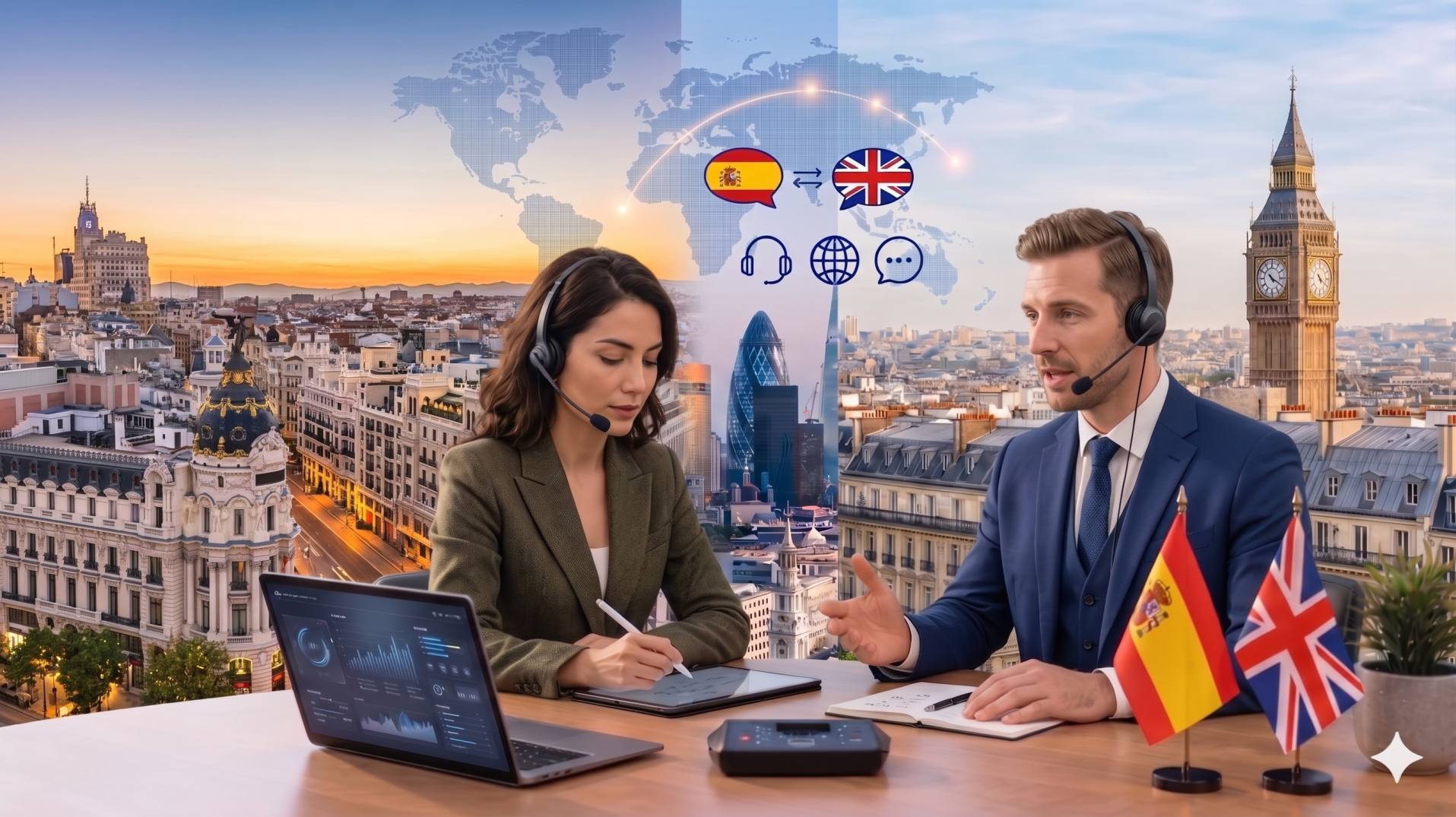
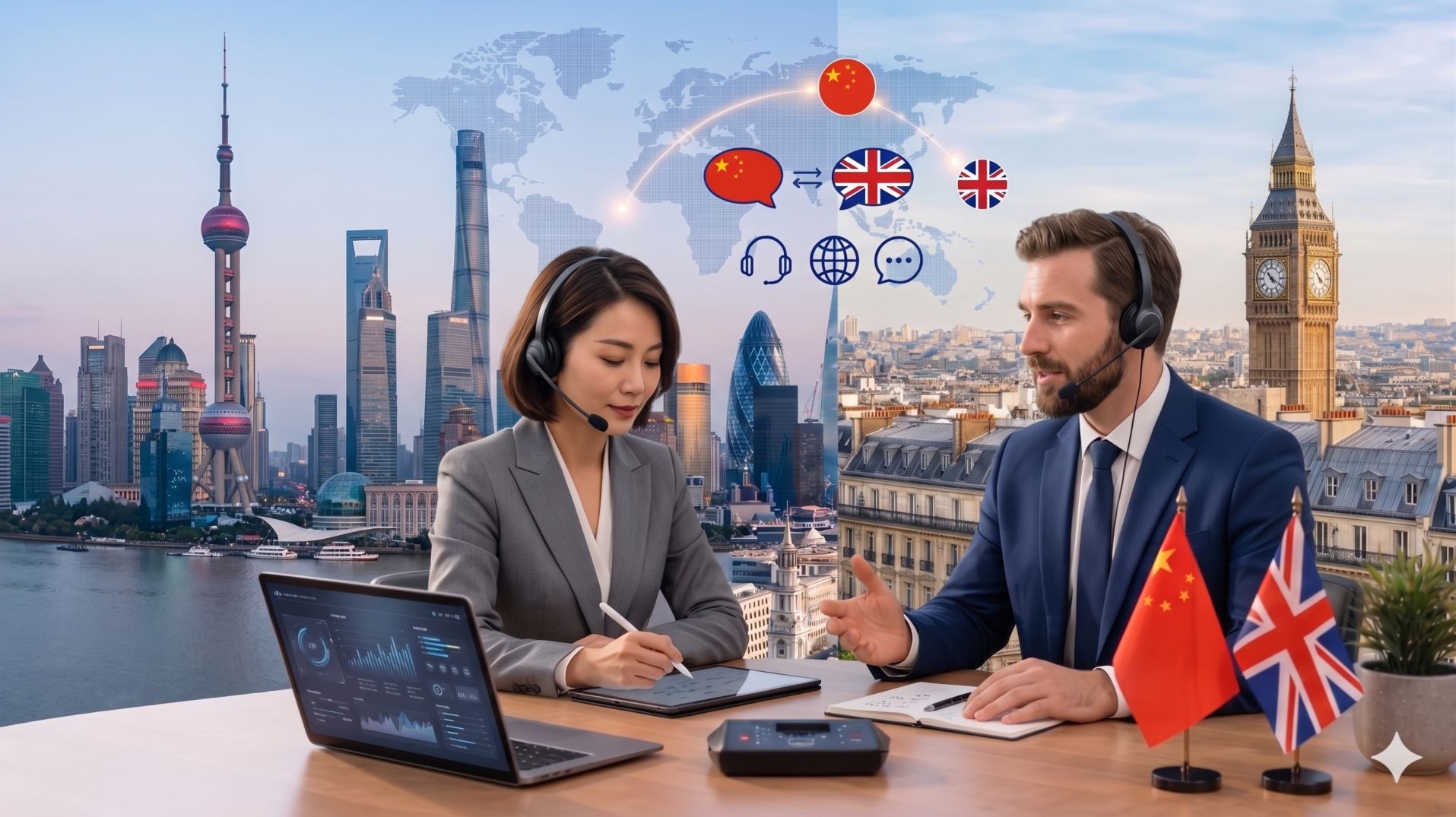
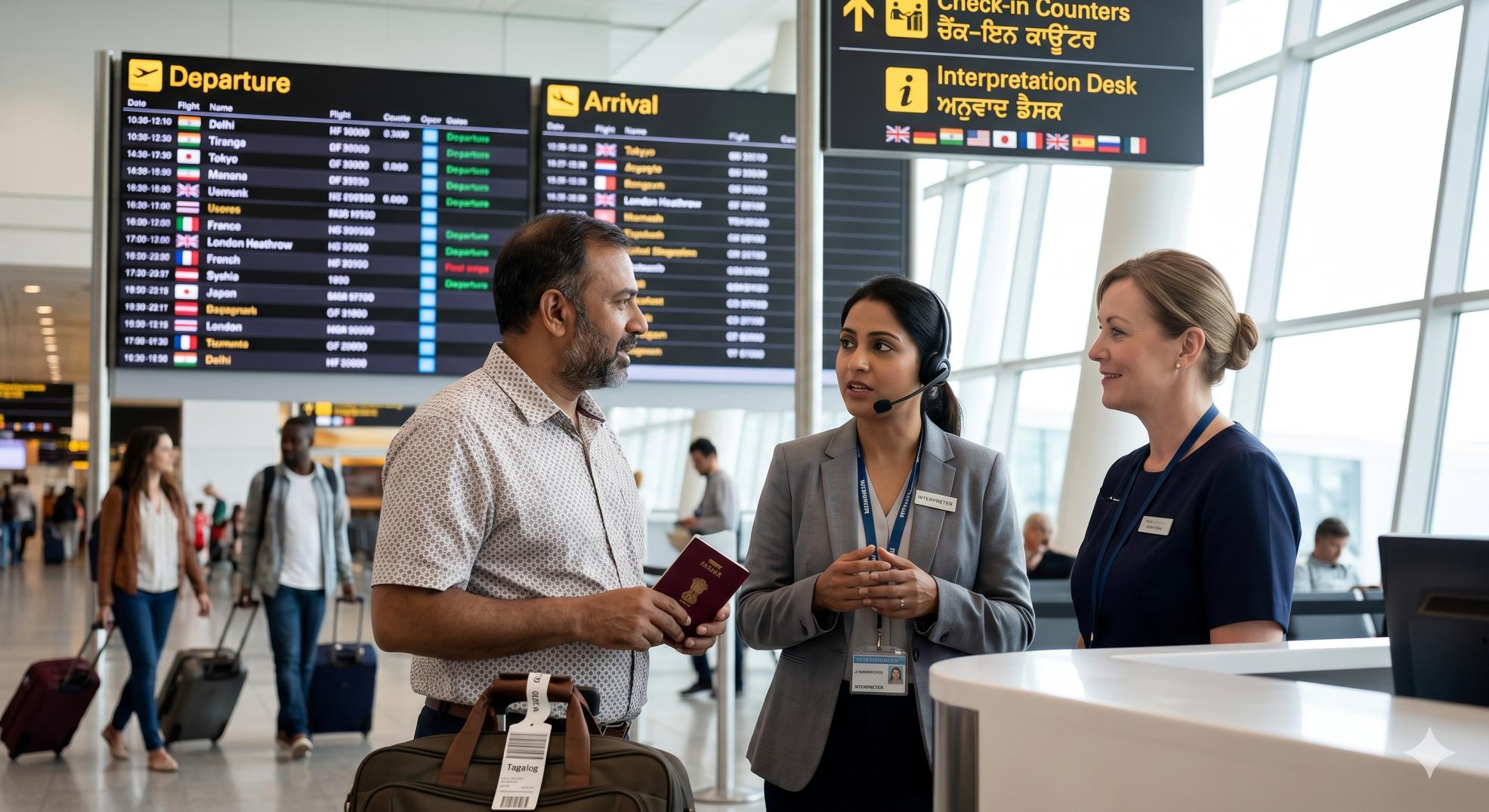
Effective communication in professional settings often requires specific interpretation modalities tailored to the context and desired outcome. For German-speaking professionals interacting within the UK, understanding these modalities is key to selecting the right service. Simultaneous interpretation is commonly used in conferences, large meetings, or parliamentary sessions, where the interpreter conveys the message in German almost instantaneously as the speaker talks, often using specialised equipment like booths and headsets. This is ideal for maintaining the flow of fast-paced discussions. Consecutive interpretation, on the other hand, is employed in smaller meetings, one-on-one discussions, or legal depositions, where the interpreter listens to a segment of speech and then renders it in the target language. This allows for more detailed and precise communication, often without technical equipment. Escort interpretation, also known as liaison interpretation, facilitates communication between two or more parties who speak different languages during business meetings, site visits, or social functions. The interpreter acts as a cultural bridge, ensuring smooth interaction. Finally, remote interpretation, including telephone interpreting (OPI) and video remote interpreting (VRI), has become increasingly prevalent, offering flexibility and cost-effectiveness for situations where face-to-face interpretation is not feasible or necessary. This modality is particularly useful for quick consultations or when a German interpreter in Wakefield is needed urgently. Each modality requires specific skills and training, and professional interpreters, often certified by bodies like the CIOL or NRPSI, are adept at deploying the appropriate technique to ensure clarity and accuracy.
Economic and Social Fabric of Wakefield
Wakefield’s economy is a blend of its historical industrial strengths and a growing modern service sector, creating a diverse environment where linguistic services are increasingly valuable. The city’s strategic location in West Yorkshire provides excellent connectivity, fostering business growth and international engagement. Understanding the local economic and social context is crucial for tailoring interpretation and translation services effectively.
Corporate and Industry
Wakefield has a strong industrial base, particularly in manufacturing, engineering, and logistics, sectors that often engage with German companies for supply chains, technology transfer, or export markets. Businesses in these fields require precise technical interpretation and translation to navigate complex contracts, specifications, and negotiations. The presence of a reliable German interpreter in Wakefield facilitates smoother business dealings, fostering stronger international partnerships and supporting the region’s export ambitions. Professional bodies like the International Association of Conference Interpreters (AIIC), while international, uphold standards that are directly applicable to UK corporate needs, ensuring high levels of professionalism and accuracy in business contexts.
Tourism
Wakefield boasts significant cultural and historical attractions, including the Hepworth Wakefield art gallery and the National Coal Mining Museum for England. As tourism recovers and grows, attracting international visitors, including those from Germany, becomes a priority. German-speaking tourists require accessible information and services, from hotel bookings and museum guides to restaurant menus. Professional translation of marketing materials and interpretation services for tourism operators can significantly enhance the visitor experience, boosting the local tourism economy and reinforcing Wakefield’s appeal as a destination.
Legal Infrastructure
The city is served by a network of legal professionals, including solicitors and barristers who handle a wide range of cases. The presence of German-speaking individuals involved in legal matters, whether civil disputes, family law, or criminal defence, necessitates the availability of qualified interpreters. Law firms in Wakefield often partner with agencies that provide NRPSI-registered interpreters to ensure compliance with HMCTS requirements and to guarantee the integrity of legal proceedings. The Law Society, representing solicitors in England and Wales, promotes access to justice, which inherently includes language access for all.
NHS Healthcare
Wakefield is primarily served by the Mid Yorkshire Hospitals NHS Trust and the Calderdale and Huddersfield NHS Foundation Trust, both of which are committed to providing equitable care. German-speaking residents and visitors rely on these services, making the availability of competent medical interpreters crucial. Accurate communication between patients and healthcare providers is vital for diagnosis, treatment, and patient well-being, directly impacting the quality of care delivered and patient outcomes, in line with CQC standards.
Local Infrastructure and Transport
Wakefield’s strategic location and well-developed infrastructure are key assets. Situated near major motorways like the M1 and M62, it offers excellent road connectivity across the North of England and beyond. The city also benefits from a robust public transport network, including regular train services connecting it to Leeds, Manchester, London, and other major UK cities. For businesses and individuals requiring German interpretation services, this connectivity ensures that interpreters can readily travel to various locations within Wakefield and the wider Yorkshire region. Furthermore, the availability of remote interpretation services complements the physical infrastructure, allowing for seamless communication regardless of geographical constraints. The Wakefield Council actively supports infrastructure development, aiming to enhance the city’s economic vitality and accessibility. This focus on connectivity underpins the ability of professional linguistic services to support the diverse needs of the local and regional economy, ensuring that German speakers can fully participate in and benefit from Wakefield’s opportunities.
In conclusion, the need for professional linguistic services, particularly a skilled German interpreter in Wakefield, is deeply intertwined with the city’s economic, legal, and social landscape. From ensuring justice in the courts under HMCTS, to safeguarding patient health within the NHS, and facilitating international business, the role of expert interpreters is indispensable. We provide certified, reliable, and confidential German interpretation and translation services tailored to the specific requirements of UK professional services, ensuring clarity, accuracy, and compliance with all relevant UK standards. Contact us today to discuss your specific needs and experience the difference that professional linguistic support can make.