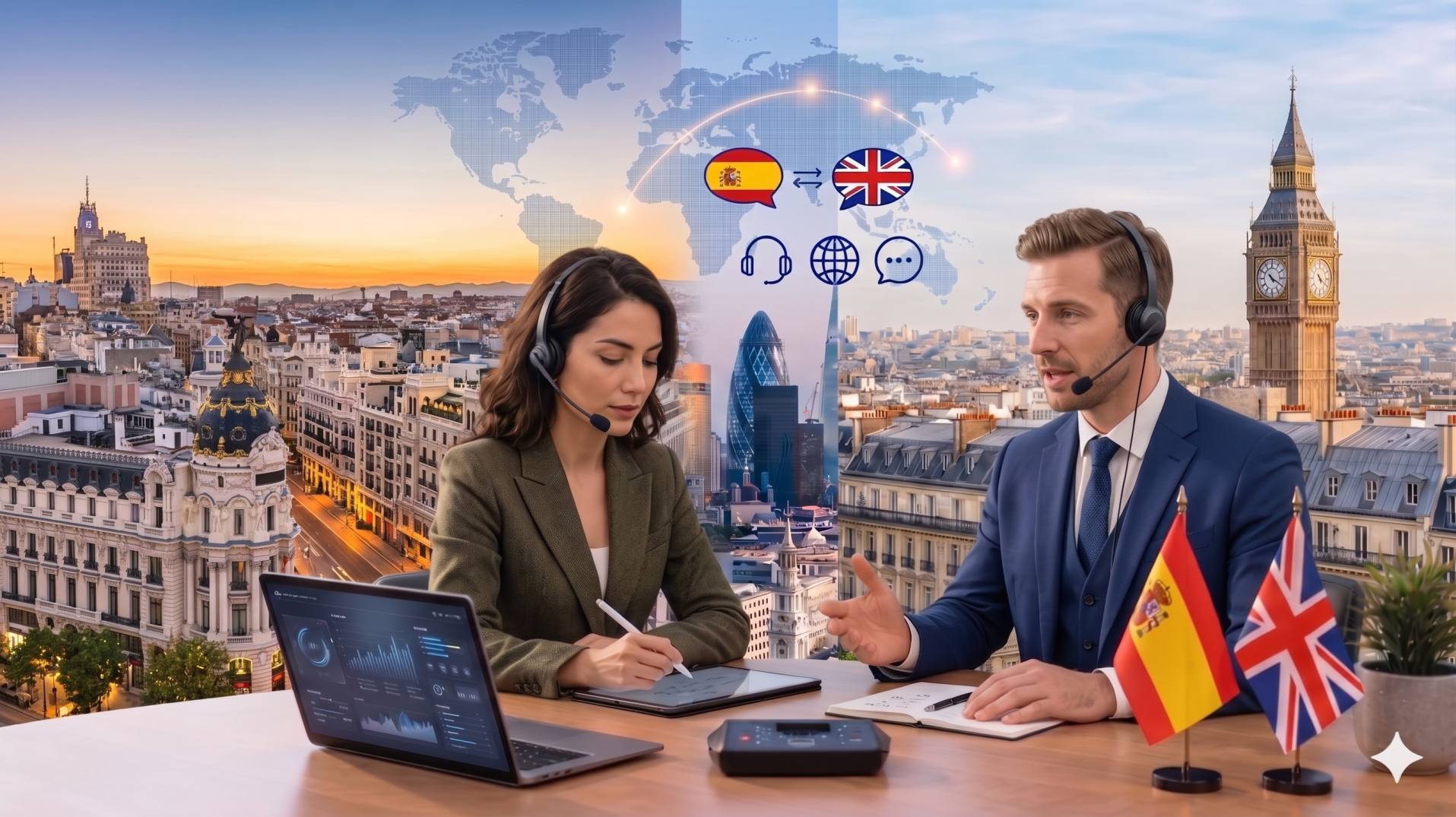
Securing a qualified German interpreter in Walsall is paramount for effective communication across a multitude of critical sectors within the UK. Whether engaging with His Majesty’s Courts and Tribunals Service (HMCTS), navigating the complexities of the National Health Service (NHS), or facilitating international business dealings, precise linguistic support ensures clarity, compliance, and successful outcomes. For residents and businesses in Walsall, access to professional German interpretation is not merely a convenience but a necessity for engaging with essential public services. This includes vital healthcare interactions, such as those facilitated by the University Hospitals Birmingham NHS Foundation Trust and the Midlands Partnership University NHS Foundation Trust, both of which serve the Walsall area and adhere to stringent NHS England Language Access guidelines to ensure all patients receive equitable care, regardless of their linguistic background. The demand for skilled German interpreters underscores the interconnectedness of local communities with national and international frameworks, requiring a deep understanding of both cultural nuances and UK legal and professional standards.
Translation vs Interpretation
While often used interchangeably, translation and interpretation are distinct linguistic disciplines, each requiring specialised skills and qualifications. Interpretation involves the real-time, oral conversion of spoken or signed language from one language to another. This is a dynamic process demanding immediate comprehension, accurate rendering of meaning, and the ability to convey tone and intent. A German translator in Walsall, conversely, works with written text, converting documents, websites, or other written materials from German to English or vice versa. This process allows for more deliberation, research, and refinement to ensure accuracy and fidelity to the source text. For legal proceedings, medical consultations, or business negotiations, the distinction is crucial. In a courtroom setting, for instance, an interpreter must provide instantaneous interpretation, ensuring that every word spoken by witnesses, legal counsel, or judges is accurately conveyed to the German-speaking party, and vice versa. Similarly, in a medical context, a misinterpretation can have severe consequences for patient safety and diagnosis. Professional interpreters often hold qualifications recognised by bodies such as the National Register of Public Service Interpreters (NRPSI) or the Diploma in Public Service Interpreting (DPSI), attesting to their proficiency and adherence to ethical codes of conduct. The ability to accurately interpret complex legal terminology, medical jargon, or nuanced business discussions is a hallmark of a professional interpreter, ensuring that communication barriers are effectively overcome in high-stakes environments across the UK.
Legal Defence, Immigration, and Courtroom Interpretation
The UK’s justice system relies heavily on the principle of access to justice for all, irrespective of language. For German speakers involved in legal matters in Walsall and beyond, access to qualified interpreters is a fundamental right. His Majesty’s Courts and Tribunals Service (HMCTS) mandates the provision of interpreters in criminal and civil proceedings where a language barrier exists. This ensures that defendants, witnesses, and victims can fully understand the proceedings and participate effectively. Professional interpreters working within the legal sphere must possess a deep understanding of legal terminology and procedures, often holding qualifications such as the DPSI or being registered with the NRPSI. These accreditations signify a commitment to impartiality, confidentiality, and accuracy, which are non-negotiable in legal contexts. Immigration law is another area where precise interpretation is critical. The UK Visas and Immigration (UKVI) section of the Home Office requires accurate documentation and communication throughout the application and appeals process. German nationals applying for visas, seeking asylum, or facing deportation proceedings will require certified interpreters for interviews, tribunal hearings before the First-tier Immigration Tribunal, and for the translation of supporting documents. The Royal Courts of Justice and other judicial centres across the UK depend on a cadre of skilled interpreters to uphold the integrity of the legal process. Failure to provide adequate interpretation can lead to miscarriages of justice, underscoring the vital role of professional German interpreters in upholding the rule of law and ensuring fairness within the UK’s legal infrastructure. The His Majesty’s Courts and Tribunals Service (HMCTS) provides guidance on the use of interpreters, emphasising the need for qualified professionals who adhere to strict codes of conduct, ensuring that all parties can understand and be understood.
Healthcare and NHS Patient Safety
Patient safety and effective communication are cornerstones of the National Health Service (NHS) in the UK. For German-speaking patients in Walsall, accessing healthcare services without linguistic barriers is essential for receiving accurate diagnoses, appropriate treatment, and informed consent. NHS trusts are legally and ethically obligated to provide interpretation services to ensure that all patients, regardless of their primary language, can fully participate in their care. This commitment is reinforced by NHS England’s Language Access guidelines and the principles of the UK General Data Protection Regulation (UK GDPR), which mandate the protection of patient confidentiality and the right to accessible information. The Care Quality Commission (CQC) also inspects healthcare providers on their ability to meet the diverse needs of their patient population, including those with limited English proficiency. Professional German interpreters working within the NHS must not only be linguistically competent but also possess an understanding of medical terminology, cultural sensitivities, and the ethical framework governing healthcare. They play a crucial role in facilitating consultations between doctors and patients, explaining treatment options, obtaining consent for procedures, and ensuring that patients understand post-discharge instructions. The University Hospitals Birmingham NHS Foundation Trust and the Midlands Partnership University NHS Foundation Trust, serving Walsall, employ various methods to provide language support, including booking professional interpreters for appointments and utilising multilingual communication tools. The accuracy and impartiality of these interpreters are vital to prevent medical errors, improve patient outcomes, and build trust between patients and healthcare providers. The Care Quality Commission (CQC) monitors and rates health and social care services, including their effectiveness in providing accessible communication for all patients.
Technical Interpretation Modalities
The effective delivery of interpretation services hinges on selecting the appropriate modality to suit the specific context and requirements of the situation. For a German interpreter in Walsall, proficiency across various modes is essential. Simultaneous interpretation is commonly used in conferences, large meetings, or parliamentary settings where speakers address a large audience. The interpreter, working from a soundproof booth, listens to the speaker through headphones and renders the speech into the target language in real-time, with only a few seconds’ delay. This requires intense concentration and rapid cognitive processing. Consecutive interpretation is more suited for smaller meetings, one-on-one discussions, or legal depositions. Here, the interpreter listens to a segment of speech, pauses, and then renders it into the target language. This allows for greater accuracy and the opportunity for clarification if needed. Escort interpretation, also known as liaison interpretation, facilitates communication between parties speaking different languages in informal settings, such as business negotiations, site visits, or social events. The interpreter acts as a cultural bridge, ensuring smooth and effective dialogue. Increasingly, remote interpretation services are becoming prevalent, utilising technology to connect interpreters with clients via phone or video conferencing platforms. This modality offers flexibility and cost-effectiveness, particularly for situations where on-site presence is not feasible or necessary. Regardless of the modality, professional interpreters adhere to strict ethical codes, ensuring confidentiality, impartiality, and accuracy, as governed by professional bodies like the Chartered Institute of Linguists (CIOL).
Economic and Social Fabric of Walsall
Walsall, a market town in the West Midlands, possesses a rich industrial heritage and a dynamic contemporary economy. Understanding the local economic landscape is crucial for businesses and service providers operating within or engaging with the region. The presence of a skilled German interpreter can significantly enhance business operations, legal compliance, and access to essential services for both the local community and external stakeholders.
Corporate and Industry
Walsall has a diverse industrial base, historically known for its leather goods manufacturing, but now encompassing a range of sectors including advanced manufacturing, logistics, and retail. For German companies looking to invest in the UK, establish partnerships, or manage supply chains involving Walsall-based businesses, professional German interpretation and translation services are indispensable. This facilitates smoother negotiations, clearer contract agreements, and effective communication with local workforce and management. The Growth Hub for the West Midlands provides resources for businesses in the region, and effective cross-lingual communication can be a key enabler for accessing these support networks and fostering international collaboration.
Tourism
While not a primary tourist destination, Walsall does attract visitors interested in its industrial heritage, such as the Walsall Museum, and its cultural offerings. For German tourists or business visitors, having access to German-speaking guides or information can enhance their experience. While direct interpretation services might be less common in day-to-day tourism, the availability of translated materials or the option to book interpreters for specific business-related visits contributes to Walsall’s appeal as a destination for international engagement.
Legal Infrastructure
Walsall is served by a network of legal professionals and courts, including facilities managed by HMCTS. German nationals or businesses involved in legal disputes, property transactions, or other legal matters within Walsall require access to qualified German interpreters. This ensures they can fully understand legal advice, court proceedings, and documentation, upholding their rights within the UK legal system. The Ministry of Justice oversees the administration of justice across England and Wales, and the availability of language services is a critical component of this framework.
NHS Healthcare
As previously detailed, the NHS trusts serving Walsall, such as the University Hospitals Birmingham NHS Foundation Trust and the Midlands Partnership University NHS Foundation Trust, are committed to providing accessible healthcare. For German-speaking residents, the availability of professional interpreters is vital for accessing primary care, hospital services, and mental health support. This ensures equitable treatment and adherence to UK healthcare standards and patient rights, as overseen by bodies like the NHS Business Services Authority, which plays a role in the operational aspects of the NHS.
Local Infrastructure and Transport
Walsall benefits from its strategic location within the West Midlands conurbation, offering good transport links. The town is served by a network of roads, including proximity to major motorways like the M6, facilitating national connectivity. Public transport includes local bus services and a railway station providing connections to Birmingham and other regional centres. For businesses and individuals requiring interpretation services, these transport links ensure that professional German interpreters can readily travel to and from various locations within Walsall and the wider West Midlands region. The Transport for West Midlands (TfWM) authority coordinates transport services across the region, aiming to improve accessibility and connectivity for all residents and visitors. Efficient transport infrastructure supports the seamless deployment of essential services, including professional language support, ensuring that communication needs are met efficiently across the area.
Conclusion
In conclusion, the need for a professional German interpreter in Walsall is multifaceted, extending across the legal, healthcare, and commercial sectors. Ensuring access to qualified and accredited interpreters is not merely a matter of convenience but a fundamental requirement for upholding justice, ensuring patient safety, and fostering economic prosperity within the UK. Whether you are a legal professional requiring services for HMCTS proceedings, an NHS trust aiming to provide equitable patient care, or a business seeking to engage with German-speaking partners, investing in professional interpretation services is essential. We are committed to providing high-quality, reliable German interpretation services that meet the stringent standards expected by UK institutions and professional bodies. Contact us today to discuss your specific requirements and ensure clear, accurate, and confidential communication for your critical needs in Walsall and across the United Kingdom.