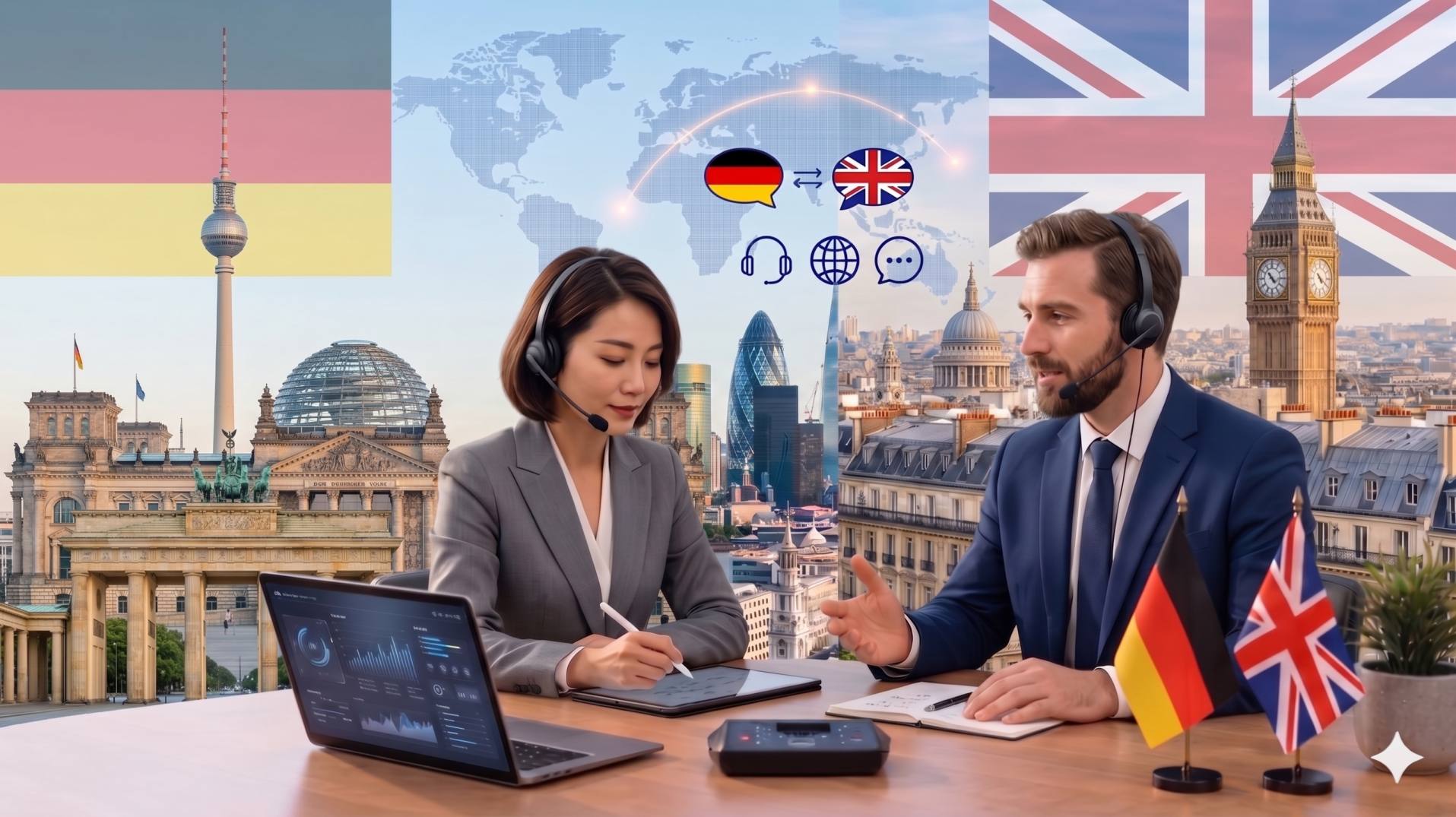
Securing a qualified German interpreter in Wigan is paramount for effective communication across diverse sectors, from legal proceedings and healthcare appointments to vital business interactions. In a region like Wigan, which is increasingly integrated into the national and international economic landscape, the need for precise and culturally nuanced language services cannot be overstated. Whether you are a legal professional requiring an interpreter for a case before His Majesty’s Courts and Tribunals Service (HMCTS), a healthcare provider ensuring patient safety within the National Health Service (NHS) — specifically serving the communities under the purview of the Wrightington, Wigan and Leigh Teaching Hospitals NHS Foundation Trust and Bolton NHS Foundation Trust, or a business engaging with German-speaking partners, the availability of professional interpreters is critical. These professionals bridge linguistic divides, ensuring clarity, accuracy, and adherence to the stringent standards expected within UK professional environments. This guide explores the multifaceted role of German interpreters in Wigan, highlighting their importance in legal, medical, and commercial contexts, and underscoring the professional standards they uphold.
Translation vs Interpretation
While often used interchangeably, translation and interpretation are distinct linguistic disciplines, each requiring a unique skill set and adherence to specific professional standards. Understanding this difference is crucial when seeking language support, particularly for critical applications. Interpretation involves the real-time, oral conversion of spoken or signed language from one language to another. This demands not only fluency in both German and English but also exceptional listening comprehension, memory recall, and the ability to convey meaning, tone, and nuance instantaneously. A German translator in Wigan, conversely, works with written text, converting documents, websites, or other written materials from German to English or vice versa. This process allows for more deliberation, research, and editing to ensure accuracy and stylistic fidelity. For legal and medical settings in the UK, where precise communication can have profound consequences, professional interpreters are indispensable. They must be registered with bodies like the National Register of Public Service Interpreters (NRPSI) or hold qualifications such as the Diploma in Public Service Interpreting (DPSI), ensuring their competence and adherence to a strict code of conduct. The role of a German translator in Wigan is equally vital for businesses looking to expand their reach into German-speaking markets, requiring accurate translation of marketing materials, technical manuals, and legal contracts.
Legal Defence, Immigration, and Courtroom Interpretation
The UK’s legal system, governed by principles of natural justice and fairness, mandates that all individuals, regardless of their linguistic background, have access to justice. This principle is particularly relevant in proceedings before His Majesty’s Courts and Tribunals Service (HMCTS). For German speakers involved in criminal or civil litigation, family law matters, or administrative appeals, the presence of a qualified German interpreter is not merely a convenience but a legal necessity. These interpreters ensure that defendants, witnesses, and parties to a case can fully understand the proceedings, articulate their statements, and present their defence effectively. The Home Office and its UK Visas and Immigration (UKVI) departments also rely heavily on professional interpreters for interviews and asylum claims, where accurate communication is critical for fair decision-making. Professional interpreters working in this domain must possess a deep understanding of legal terminology and procedures, often holding qualifications like the DPSI or being accredited by the NRPSI. Their impartiality and adherence to confidentiality are paramount, ensuring the integrity of the judicial process. The Royal Courts of Justice and all HMCTS venues across the UK depend on the availability of such skilled professionals to uphold the rule of law.
Healthcare and NHS Patient Safety
Patient safety and effective care within the NHS are cornerstones of the UK’s healthcare system. For German-speaking patients in Wigan, accessing these services without linguistic barriers is essential for receiving appropriate diagnosis, treatment, and ongoing care. The NHS is committed to providing language support to ensure that all patients can understand their medical conditions, treatment options, and discharge instructions. This commitment is guided by NHS England’s Language Access guidelines, which stipulate the need for qualified interpreters in clinical settings. Interpreters working within the NHS must not only be fluent in German and English but also possess a strong understanding of medical terminology and the sensitive nature of healthcare interactions. They must adhere to strict codes of confidentiality, in line with UK data protection laws such as the UK GDPR, and maintain professional conduct as overseen by bodies like the Care Quality Commission (CQC). The Wrightington, Wigan and Leigh Teaching Hospitals NHS Foundation Trust and other local NHS providers work to ensure that German-speaking patients receive the highest standard of care, facilitated by professional interpreters who can bridge the communication gap effectively and empathetically. This ensures that treatment decisions are informed and that patients feel heard and understood, contributing to better health outcomes.
Technical Interpretation Modalities
The effectiveness of interpretation hinges on selecting the appropriate modality for the specific context. German interpreters in Wigan employ several techniques, each suited to different situations:
- Simultaneous Interpretation: This is the most demanding form, where the interpreter speaks the target language almost concurrently with the source speaker, typically requiring specialised equipment like soundproof booths and headsets. It is commonly used in large conferences, international meetings, and high-stakes legal proceedings where real-time communication is essential.
- Consecutive Interpretation: Here, the interpreter waits for the speaker to pause before rendering the message in the target language. This is suitable for smaller meetings, medical consultations, and legal interviews where direct dialogue and interaction are key. It requires excellent memory and note-taking skills.
- Escort Interpretation (Liaison Interpretation): This involves facilitating communication in informal settings, such as business meetings, factory tours, or social events. The interpreter acts as a bridge between parties, often moving with them and interpreting short segments of conversation.
- Remote Interpretation (Video/Telephone): With advancements in technology, remote interpretation has become increasingly prevalent. This allows clients to connect with interpreters via video conferencing or telephone, offering flexibility and cost-effectiveness, especially for less critical or geographically dispersed interactions. This modality is subject to stringent data security protocols to comply with UK GDPR.
The choice of modality significantly impacts the flow of communication and the overall success of the interaction. Professional interpreters, often members of organisations like the Chartered Institute of Linguists (CIOL) or the International Association of Conference Interpreters (AIIC), can advise on the most suitable method.
Economic and Social Fabric of Wigan
Wigan, a town with a rich industrial heritage, is evolving into a dynamic economic hub within Greater Manchester. Its strategic location and developing infrastructure make it an attractive base for businesses, and its diverse population necessitates robust language support services. The presence of skilled German interpreters is integral to fostering economic growth and social cohesion.
Corporate and Industry
Wigan’s economy is diversifying beyond its traditional manufacturing base. With sectors like advanced manufacturing, digital technology, and logistics growing, there are increasing opportunities for international collaboration. German companies looking to invest in the UK, or UK-based firms seeking to export to Germany, require professional German interpretation and translation services. This includes facilitating negotiations, technical discussions, site visits, and contract finalisation. Adherence to UK business law and professional standards is crucial in these interactions, and interpreters play a key role in ensuring clear communication and avoiding misunderstandings that could lead to costly disputes. The ability to conduct business smoothly with German partners, supported by expert linguists, can be a significant competitive advantage for Wigan-based enterprises.
Tourism
While perhaps not as globally renowned as some other UK destinations, Wigan possesses unique cultural and historical attractions, including its famous pies and rugby league heritage. As international tourism gradually recovers, attracting visitors from German-speaking countries requires accessible information and services. German interpreters can assist tour operators, hotels, and cultural institutions in providing a welcoming experience for German tourists. This can range from translating visitor information and promotional materials to providing guided tours or facilitating communication at local events. Enhancing the visitor experience through effective language support can boost the local tourism economy and promote Wigan as a desirable destination.
Legal Infrastructure
Wigan benefits from a well-established legal infrastructure, including local law firms and access to regional courts. For these legal professionals, engaging with German-speaking clients or witnesses is a common requirement. Whether it’s a solicitor in Wigan needing to consult with a German national regarding a property transaction, an immigration lawyer assisting a client with visa applications to the UK Visas and Immigration (UKVI), or a defence solicitor preparing for a case at His Majesty’s Courts and Tribunals Service (HMCTS), the availability of qualified German interpreters is vital. These interpreters ensure that all parties understand their rights, obligations, and the legal processes involved, upholding the principles of justice and fairness within the UK legal framework. Professional bodies like the NRPSI and the DPSI provide benchmarks for the qualifications required in this sensitive field.
NHS Healthcare
The provision of accessible and high-quality healthcare is a priority for Wigan. The local NHS trusts, such as the Wrightington, Wigan and Leigh Teaching Hospitals NHS Foundation Trust, serve a diverse population. For German-speaking residents, accessing medical advice, consultations, and treatments requires effective communication. Professional German interpreters are crucial in ensuring that patients can accurately convey their symptoms, understand diagnoses, and follow treatment plans. This not only improves patient outcomes but also enhances patient satisfaction and trust in the NHS. Compliance with NHS England’s Language Access guidelines and UK GDPR is paramount, ensuring patient confidentiality and the integrity of medical communication. The availability of qualified interpreters supports the NHS’s commitment to equitable healthcare for all.
Local Infrastructure and Transport
Wigan’s strategic location within the North West of England, with excellent connectivity via road and rail, facilitates both business and personal interactions. Its proximity to major cities like Manchester and Liverpool, coupled with its own developing infrastructure, makes it an accessible location for meetings, conferences, and legal or medical appointments. The availability of reliable public transport, including bus services and train links operated by entities like Northern Rail, ensures that individuals can reach their destinations efficiently. For German-speaking visitors or residents, navigating these transport systems and accessing services is made easier with the support of professional interpreters, whether for initial arrival, onward travel, or accessing local amenities. The efficiency of the local infrastructure indirectly supports the need for seamless communication, underscoring the value of readily available German interpretation services.
Conclusion
In conclusion, the demand for a skilled German interpreter in Wigan is multifaceted, driven by the town’s economic development, its integration into the UK’s legal and healthcare systems, and its growing social diversity. From the critical requirements of HMCTS and the Home Office to the patient-centric approach of the NHS trusts serving Wigan, such as the Wrightington, Wigan and Leigh Teaching Hospitals NHS Foundation Trust, professional interpretation ensures clarity, accuracy, and compliance with UK standards. Whether you require a German translator in Wigan for business documentation or an interpreter for a live event, engaging certified professionals who adhere to the rigorous standards set by bodies like the NRPSI and CIOL is essential. For any organisation or individual in Wigan requiring expert German language services, seeking out accredited interpreters ensures that communication barriers are overcome, facilitating justice, promoting health, and fostering successful business relationships within the United Kingdom.