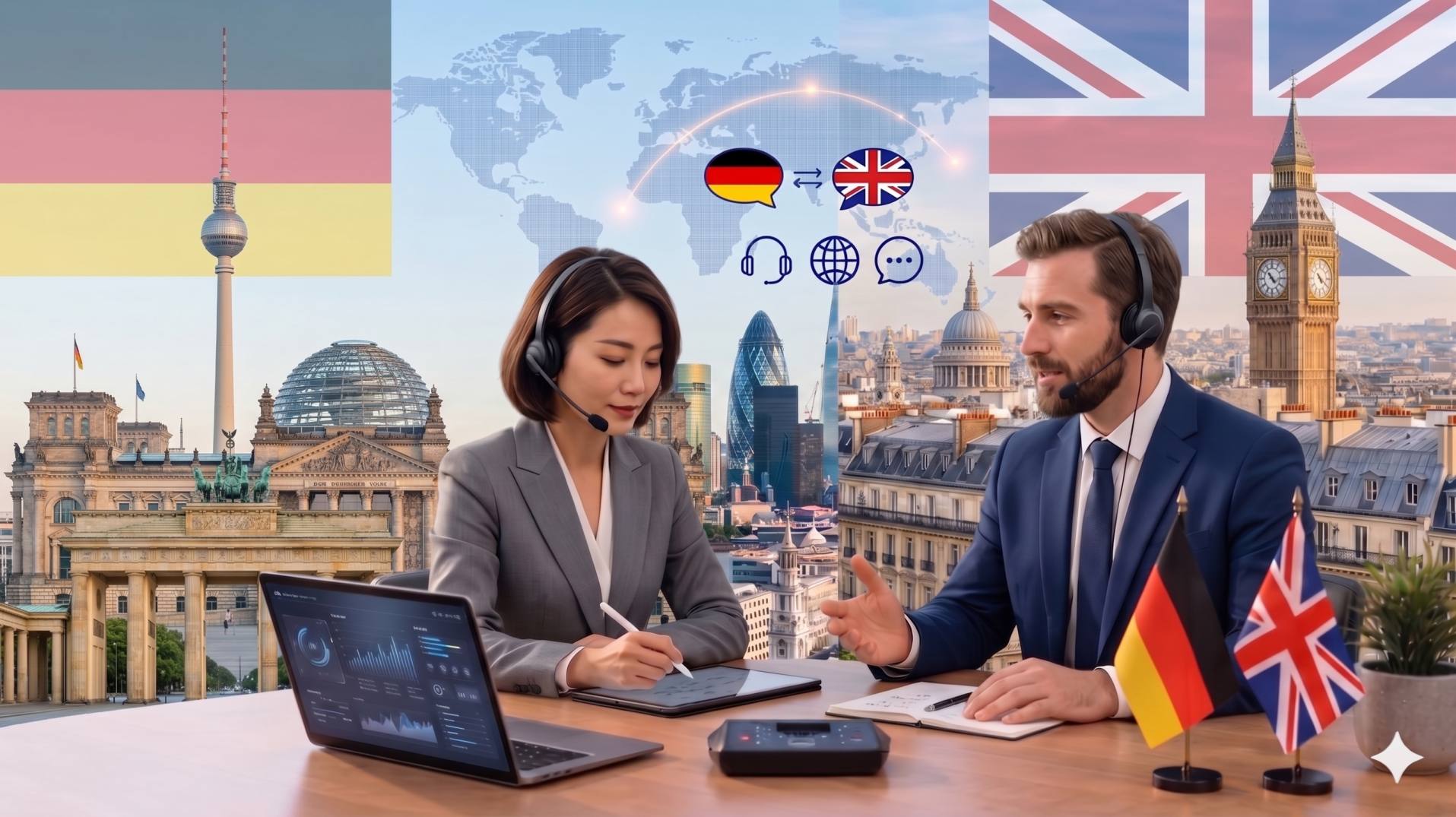

Securing a qualified Italian interpreter in Glasgow is paramount for effective communication across vital sectors of the UK economy and public services. Whether navigating the complexities of His Majesty’s Courts and Tribunals Service (HMCTS), ensuring patient safety within the National Health Service (NHS) by engaging with trusts such as NHS Greater Glasgow and Clyde and NHS 24, or facilitating international business dealings, the need for precise and culturally sensitive linguistic support cannot be overstated. This guide explores the critical role of professional Italian interpretation and translation services within Glasgow’s dynamic environment, adhering strictly to UK professional standards and legal frameworks.
Translation vs Interpretation: Understanding the Nuances
While often used interchangeably, translation and interpretation are distinct linguistic disciplines, each requiring specialised skills and adherence to different professional standards. Understanding this difference is crucial for corporate buyers, legal professionals, and healthcare providers when sourcing linguistic support. An Italian translator in Glasgow works with written text, converting documents, reports, contracts, and other written materials from Italian to English or vice versa. This process demands meticulous attention to detail, a deep understanding of subject-specific terminology, and often involves research to ensure accuracy and fidelity to the original meaning. Professional translators in the UK typically adhere to standards set by bodies like the Chartered Institute of Linguists (CIOL), ensuring a high level of quality and professionalism. The secondary keyword, Italian translator in Glasgow, highlights the demand for these written communication experts.
Conversely, an Italian interpreter in Glasgow facilitates spoken communication in real-time. This involves listening to a speaker in one language and rendering their message orally in another. Interpretation requires not only linguistic fluency but also exceptional short-term memory, the ability to think quickly under pressure, and a keen awareness of cultural nuances and non-verbal cues. Professional interpreters in the UK are often accredited by organisations such as the National Register of Public Service Interpreters (NRPSI) or hold qualifications like the Diploma in Public Service Interpreting (DPSI). The choice between a translator and an interpreter depends entirely on whether the communication is written or spoken, and the context in which it occurs.
Legal Defence, Immigration, and Courtroom Interpretation
The UK legal system, including its operations within Glasgow, relies heavily on the accurate interpretation of proceedings to ensure justice is served. For individuals who do not speak English as a first language, access to qualified legal representation and fair trial rights are contingent upon the availability of professional interpreters. His Majesty’s Courts and Tribunals Service (HMCTS) mandates the provision of interpreters in various legal settings, from criminal trials in the Sheriff Courts to civil disputes heard in the Court of Session or the First-tier Immigration Tribunal. An Italian interpreter in Glasgow is essential for defendants, witnesses, and legal counsel to fully understand and participate in proceedings. This includes everything from initial police interviews conducted under caution, to bail hearings, plea discussions, and full trials.
Immigration law is another critical area where expert Italian interpretation is indispensable. Individuals seeking to enter or remain in the UK, or those involved in asylum claims, will interact with the Home Office and UK Visas and Immigration (UKVI). Accurate interpretation during interviews with UKVI officials, and in subsequent appeals lodged with the First-tier Tribunal (Immigration and Asylum Chamber), is vital. The His Majesty’s Courts and Tribunals Service (HMCTS) operates a rigorous framework for interpreter accreditation, with the NRPSI being a key body for public service interpreters. Professionals registered with the NRPSI, or holding equivalent qualifications, demonstrate a commitment to ethical standards, confidentiality, and professional competence, ensuring that the nuances of legal discourse are conveyed accurately, upholding the principles of natural justice and the rule of law within the UK.
Healthcare and NHS Patient Safety
Patient safety within the NHS is a cornerstone of healthcare delivery in the UK, and effective communication is fundamental to achieving this. For Italian-speaking patients in Glasgow, accessing healthcare services without linguistic barriers is a right, not a privilege. NHS trusts, including NHS Greater Glasgow and Clyde, are obligated to provide interpretation services to ensure patients understand their diagnosis, treatment options, and care plans. The Care Quality Commission (CQC), the independent regulator of health and social care in England, also sets standards for patient experience, which implicitly includes effective communication. While the CQC primarily regulates services in England, its principles and the underlying legal frameworks are influential across the UK.
Adherence to UK GDPR (General Data Protection Regulation) is also paramount. Patient confidentiality must be maintained, and interpreters are bound by strict codes of conduct regarding the sensitive personal information they encounter. NHS England’s Language Access guidelines, which are mirrored in principles across the devolved nations, outline the requirements for providing language services. These guidelines emphasize the need for qualified interpreters, not family members or untrained staff, to ensure accuracy, impartiality, and patient autonomy. Engaging a professional Italian interpreter in Glasgow for medical appointments, hospital admissions, or consultations with specialists ensures that patients can actively participate in their healthcare decisions, leading to better health outcomes and a more positive patient experience, fully compliant with UK healthcare standards.
Technical Interpretation Modalities
The effective delivery of interpretation services in Glasgow requires understanding the various modalities available, each suited to different contexts and communication needs. The choice of modality significantly impacts the flow of conversation and the level of engagement. Consecutive interpretation is perhaps the most common in one-on-one settings, such as medical consultations or legal interviews. The interpreter listens to a segment of speech, then delivers the interpretation while the speaker pauses. This allows for a natural conversational flow, albeit with slight delays.
Simultaneous interpretation is employed in more formal settings like conferences, large meetings, or court proceedings where speed and efficiency are critical. Interpreters, typically working in soundproof booths with specialised equipment, interpret the speaker’s words almost as they are being uttered. This requires immense concentration and skill, often performed in pairs to manage fatigue. Escort interpretation, also known as liaison interpretation, is used in more informal, social, or business settings, such as factory tours, site visits, or business negotiations. The interpreter acts as a cultural and linguistic bridge, facilitating smooth communication between parties. Finally, remote interpretation, including telephone interpreting (OPI) and video remote interpreting (VRI), has become increasingly prevalent. This modality offers flexibility and rapid access to interpreters, particularly useful for urgent situations or when on-site availability is limited, though it requires reliable technology and a suitable environment to ensure clarity and confidentiality, aligning with UK data protection regulations.
Economic and Social Fabric of Glasgow
Glasgow, a city renowned for its industrial heritage and vibrant cultural scene, possesses a diverse economic landscape where linguistic services play a crucial role. The presence of a skilled Italian interpreter in Glasgow supports the city’s engagement with international markets and its diverse population.
Corporate and Industry
Glasgow’s economy is increasingly driven by sectors such as financial services, life sciences, and advanced manufacturing. International companies operating in or trading with Italy require seamless communication for business meetings, contract negotiations, technical training, and product launches. Professional Italian interpretation and translation services ensure that these interactions are conducted efficiently and accurately, fostering strong business relationships and facilitating market entry or expansion within the UK. The Glasgow Chamber of Commerce actively supports businesses in their international endeavours, highlighting the importance of overcoming language barriers.
Tourism
As a major tourist destination, Glasgow attracts visitors from across the globe, including Italy. The hospitality sector, including hotels, restaurants, museums, and cultural attractions, benefits from Italian-speaking staff or the availability of interpretation services. This enhances the visitor experience, encouraging repeat tourism and positive word-of-mouth referrals. Accurate translation of marketing materials, websites, and visitor information further supports the city’s appeal to Italian-speaking tourists.
Legal Infrastructure
Glasgow boasts a robust legal sector, with numerous law firms, barristers’ chambers, and legal aid organisations serving a diverse clientele. The need for Italian interpretation and translation arises in various legal contexts, from commercial disputes involving Italian companies to family law matters and criminal defence. Ensuring access to justice for Italian speakers requires accredited interpreters who understand the intricacies of the UK legal system, as managed by HMCTS and regulated by bodies like the NRPSI.
NHS Healthcare
The National Health Service in Glasgow, primarily delivered by NHS Greater Glasgow and Clyde, serves a multicultural population. Providing high-quality, accessible healthcare to Italian-speaking residents necessitates professional interpretation services. This ensures that patients can communicate effectively with doctors, nurses, and other healthcare professionals, leading to accurate diagnoses, appropriate treatment, and improved patient outcomes, all within the framework of UK healthcare regulations and patient rights.
Local Infrastructure and Transport
Glasgow’s well-developed infrastructure supports its economic and social functions, including the provision of essential services. The city’s transport network, encompassing extensive bus routes, a subway system, and proximity to major road and rail links, facilitates the movement of people and goods. For professional interpreters and translators, this means accessibility to various locations across the city and beyond for assignments in legal offices, hospitals, corporate headquarters, or conference venues. The availability of reliable transport is crucial for ensuring that interpreters can reach their appointments punctually, a non-negotiable requirement in sensitive fields like legal and medical interpretation. Furthermore, Glasgow Airport provides direct and indirect connections to international destinations, including Italy, underscoring the city’s global connectivity and the ongoing need for skilled Italian language professionals to bridge communication gaps.
The city’s commitment to digital infrastructure also supports the growing demand for remote interpretation services. High-speed internet connectivity across Glasgow enables seamless video and audio communication, allowing for efficient remote interpretation sessions. This technological integration ensures that linguistic support can be provided flexibly and cost-effectively, meeting the dynamic needs of businesses, legal firms, and healthcare providers in the region. The presence of numerous public and private sector organisations within Glasgow, all operating under UK regulations, creates a consistent demand for these specialised linguistic services.
Conclusion
In conclusion, the demand for a professional Italian interpreter in Glasgow is robust and multifaceted, underpinning the city’s engagement with legal, healthcare, and commercial sectors. Adherence to UK professional standards, accreditation by recognised bodies such as the NRPSI, and a deep understanding of the local economic and social context are essential for delivering high-quality interpretation and translation services. Whether you are a law firm requiring certified interpretation for court proceedings, an NHS trust ensuring patient safety, or a business seeking to expand its international reach, partnering with qualified Italian language professionals is a strategic imperative. Ensuring accurate, confidential, and culturally sensitive communication is not merely a service; it is a fundamental requirement for upholding justice, promoting health, and fostering economic growth within Glasgow and across the United Kingdom.