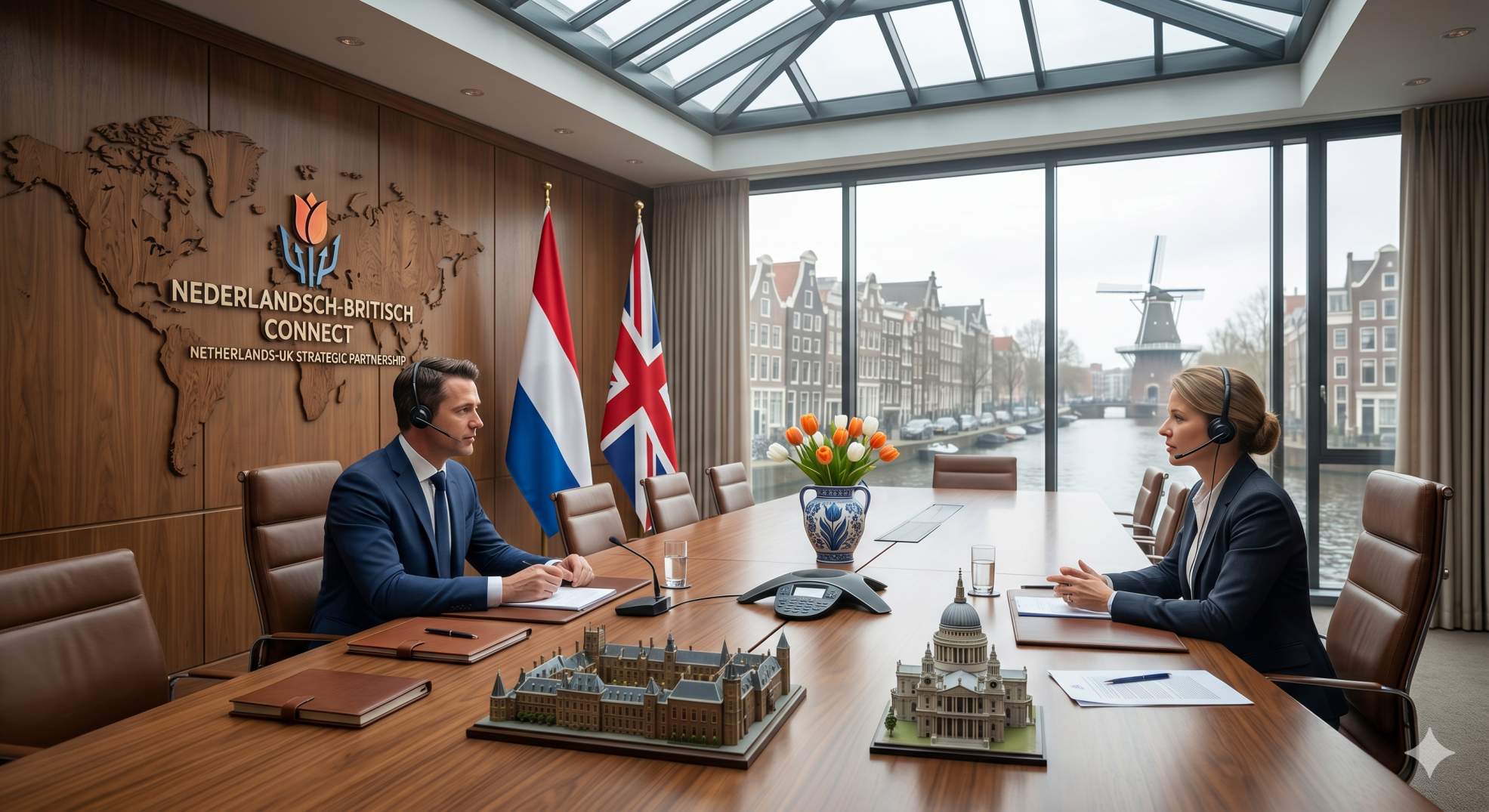
Mandarin Interpreter in Wolverhampton: Bridging Communication in the UK’s Economic Landscape
Securing a highly qualified Mandarin interpreter in Wolverhampton is paramount for businesses, legal professionals, and healthcare providers operating within the UK’s dynamic economic and social framework. Wolverhampton, a city with a rich industrial heritage and a growing diverse population, requires specialised linguistic support to ensure seamless communication. This is particularly true when engaging with the Mandarin-speaking community, whether for legal proceedings, critical healthcare appointments, or international business ventures. Our services provide access to accredited interpreters who understand the nuances of both Mandarin dialects and the complexities of UK professional standards, ensuring accuracy and cultural sensitivity. For residents and institutions in Wolverhampton, access to reliable Mandarin interpretation is facilitated through dedicated NHS trusts such as the University Hospitals Birmingham NHS Foundation Trust and the Midlands Partnership University NHS Foundation Trust, both of which serve the wider region and are committed to equitable patient care, including language access.
Translation vs. Interpretation: Precision in Language Services
While often used interchangeably, translation and interpretation are distinct linguistic disciplines, each requiring specialised skills and qualifications. Understanding this difference is crucial when seeking professional language support in Wolverhampton. Interpretation involves the real-time, spoken rendition of a message from one language to another. This demands not only fluency in both Mandarin and English but also exceptional listening comprehension, memory recall, and the ability to convey meaning accurately and instantaneously. A Mandarin translator in Wolverhampton, conversely, works with written texts, converting documents, websites, or other written materials from one language to another. This process allows for more time for research, editing, and ensuring stylistic consistency. For legal documents, medical records, or business contracts, professional translation is essential. However, for live interactions such as court hearings, medical consultations, or business meetings, a skilled Mandarin interpreter is indispensable. Professional bodies like the Chartered Institute of Linguists (CIOL) and the National Register of Public Service Interpreters (NRPSI) set rigorous standards for both translators and interpreters, ensuring that practitioners possess the necessary linguistic proficiency and ethical understanding to operate within the UK’s demanding professional sectors.
Legal Defence, Immigration, and Courtroom Interpretation
The UK’s legal system is built on principles of fairness and access to justice for all. For individuals who do not speak English fluently, including Mandarin speakers in Wolverhampton, this necessitates the provision of qualified interpreters. His Majesty’s Courts and Tribunals Service (HMCTS) mandates the use of professional interpreters in proceedings where a party’s understanding of the language is compromised. This is vital in criminal courts, civil litigation, family law cases, and various tribunals. Failure to provide adequate interpretation can lead to miscarriages of justice. Professional interpreters working within the legal sphere must adhere to strict codes of conduct, often requiring registration with bodies like the NRPSI or holding qualifications such as the Diploma in Public Service Interpreting (DPSI). These qualifications ensure interpreters are not only linguistically competent but also understand the legal terminology, courtroom etiquette, and ethical obligations, including impartiality and confidentiality, as stipulated by UK law. The Home Office and UK Visas and Immigration (UKVI) also rely heavily on accurate interpretation and translation for visa applications, asylum claims, and other immigration matters. Ensuring that Mandarin-speaking individuals can fully participate in these processes through professional interpretation is a cornerstone of the UK’s commitment to a just and equitable immigration system. The First-tier Immigration Tribunal, for instance, regularly requires skilled interpreters to ensure applicants can present their cases effectively. The Royal Courts of Justice and other judicial centres across the UK depend on a network of accredited interpreters to uphold these standards.
Healthcare and NHS Patient Safety
Effective communication is fundamental to patient safety and quality of care within the National Health Service (NHS). For Mandarin-speaking patients in Wolverhampton, accessing healthcare services without a language barrier is a critical requirement. The NHS is committed to providing equitable care to all patients, regardless of their linguistic background, as outlined in NHS England’s Language Access guidelines. This commitment is reinforced by the Care Quality Commission (CQC), which inspects healthcare providers to ensure they meet essential standards, including effective communication. Professional Mandarin interpreters play a vital role in ensuring that patients understand diagnoses, treatment options, consent forms, and post-operative instructions. Misunderstandings can lead to medication errors, delayed treatment, and significant patient distress. Interpreters working within the NHS must possess not only linguistic skills but also a deep understanding of medical terminology and the sensitive nature of healthcare interactions. They are bound by strict confidentiality agreements, adhering to the principles of UK GDPR. Wolverhampton is served by various NHS services, and ensuring these services are accessible to Mandarin speakers relies on the availability of qualified interpreters. Trusts like the University Hospitals Birmingham NHS Foundation Trust and Midlands Partnership University NHS Foundation Trust are integral to the local healthcare provision, and their commitment to language access is crucial. The NHS Business Services Authority also plays a role in supporting national frameworks for language services. Ensuring that every Mandarin-speaking patient can communicate effectively with their healthcare providers is not just a matter of good practice; it is a legal and ethical imperative within the UK’s healthcare system.
Technical Interpretation Modalities
The effectiveness of Mandarin interpretation in Wolverhampton hinges on selecting the appropriate modality for the specific context. Different situations call for different techniques, and professional interpreters are skilled in all of them. Consecutive interpretation is commonly used in one-on-one settings, such as medical consultations or interviews, where the interpreter listens to a segment of speech, waits for the speaker to pause, and then renders the message in the target language. This allows for a natural flow of conversation, albeit with slight delays. Simultaneous interpretation is employed in more formal settings like conferences, large meetings, or court proceedings. Here, the interpreter speaks almost concurrently with the source speaker, using specialised equipment such as soundproof booths and headsets. This requires intense concentration and rapid processing. Escort interpretation, also known as liaison interpretation, facilitates communication between two or more parties who speak different languages during business meetings, site visits, or social functions. The interpreter acts as a bridge, ensuring smooth dialogue and cultural understanding. In recent years, remote interpretation (also known as telephonic or video interpretation) has become increasingly prevalent. This modality allows clients to connect with interpreters via phone or video conferencing platforms, offering flexibility and rapid access to services, particularly useful for urgent situations or when in-person interpreters are not readily available. The choice of modality depends on factors such as the number of participants, the formality of the setting, the technical requirements, and the urgency of the communication. Professional interpreting bodies like the International Association of Conference Interpreters (AIIC) and the NRPSI provide guidance on best practices for various interpretation settings.
Economic and Social Fabric of Wolverhampton
Wolverhampton’s economic landscape is diverse and evolving, presenting numerous opportunities for businesses and requiring robust communication infrastructure. The city’s historical industrial base has transitioned into a more service-oriented economy, attracting investment and fostering a vibrant business community. Mandarin language services are increasingly vital for companies looking to engage with global markets, particularly those with strong ties to China. The presence of a skilled Mandarin interpreter in Wolverhampton can unlock new avenues for trade, collaboration, and market expansion.
Corporate and Industry
Wolverhampton hosts a range of industries, from advanced manufacturing and automotive to logistics and professional services. Companies involved in international trade, particularly those importing or exporting goods to or from China, require accurate translation of contracts, product specifications, and marketing materials, as well as skilled interpretation for negotiations and business meetings. The ability to communicate effectively in Mandarin can provide a significant competitive advantage, fostering stronger relationships with Chinese partners and clients. Professional bodies such as the British Chamber of Commerce often facilitate international business connections, where language proficiency is key.
Tourism
While perhaps not a primary international tourist destination, Wolverhampton and its surrounding areas attract visitors for various reasons, including cultural events, sporting fixtures, and business purposes. As international travel patterns evolve, catering to Mandarin-speaking tourists with accessible information and services can enhance the visitor experience. This includes translated signage, multilingual websites, and the availability of interpreters for guided tours or assistance. Local tourism boards and information centres can benefit from partnerships with language service providers to ensure a welcoming environment for all visitors.
Legal Infrastructure
Wolverhampton’s legal sector, like that across the UK, serves a diverse population. Law firms specialising in corporate law, immigration, family law, and criminal defence frequently encounter clients who require Mandarin interpretation. Ensuring that these legal professionals have access to NRPSI-registered or DPSI-qualified interpreters is essential for upholding the principles of justice and providing effective legal representation. The local courts, operating under His Majesty’s Courts and Tribunals Service (HMCTS), depend on the availability of such interpreters to conduct fair hearings. The Law Society represents solicitors in England and Wales, highlighting the importance of accessible legal services for all communities.
NHS Healthcare
As detailed previously, the provision of healthcare services in Wolverhampton relies heavily on effective communication. The local NHS trusts, such as the University Hospitals Birmingham NHS Foundation Trust and Midlands Partnership University NHS Foundation Trust, are committed to patient-centred care. This includes ensuring that Mandarin-speaking patients can fully understand their health conditions and treatment plans. The availability of qualified interpreters is not merely a convenience but a critical component of patient safety and adherence to treatment protocols, aligning with the standards set by the CQC and NHS England.
Local Infrastructure and Transport
Wolverhampton benefits from a well-developed infrastructure that supports its economic activity and resident mobility. The city is strategically located with excellent transport links. Major road networks, including the M6 motorway, provide easy access to the rest of the UK, facilitating the movement of goods and people. Public transport within the city and to surrounding areas is provided by various services, including bus routes operated by companies like National Express West Midlands, and a local train station offering connections to major cities. For businesses requiring the services of a Mandarin interpreter in Wolverhampton, the city’s connectivity ensures that interpreters can reach client locations efficiently, whether for on-site meetings, court appearances, or hospital visits. The accessibility of Wolverhampton, coupled with its growing economic significance, makes it an important hub for professional services, including specialised language support.
Conclusion
For any organisation or individual in Wolverhampton requiring precise and reliable linguistic support, engaging a professional Mandarin interpreter in Wolverhampton is an essential investment. Whether navigating the complexities of the UK legal system, ensuring patient safety within the NHS, or fostering international business relationships, the accuracy and cultural understanding provided by qualified interpreters are indispensable. Adherence to UK professional standards, as set by bodies like the NRPSI and CIOL, guarantees that services meet the highest benchmarks of quality and ethics. We are committed to providing expert Mandarin interpretation services that bridge communication gaps, facilitate understanding, and contribute to the success of our clients within Wolverhampton and across the United Kingdom. Contact us today to discuss your specific interpretation needs and discover how our professional services can support your objectives.