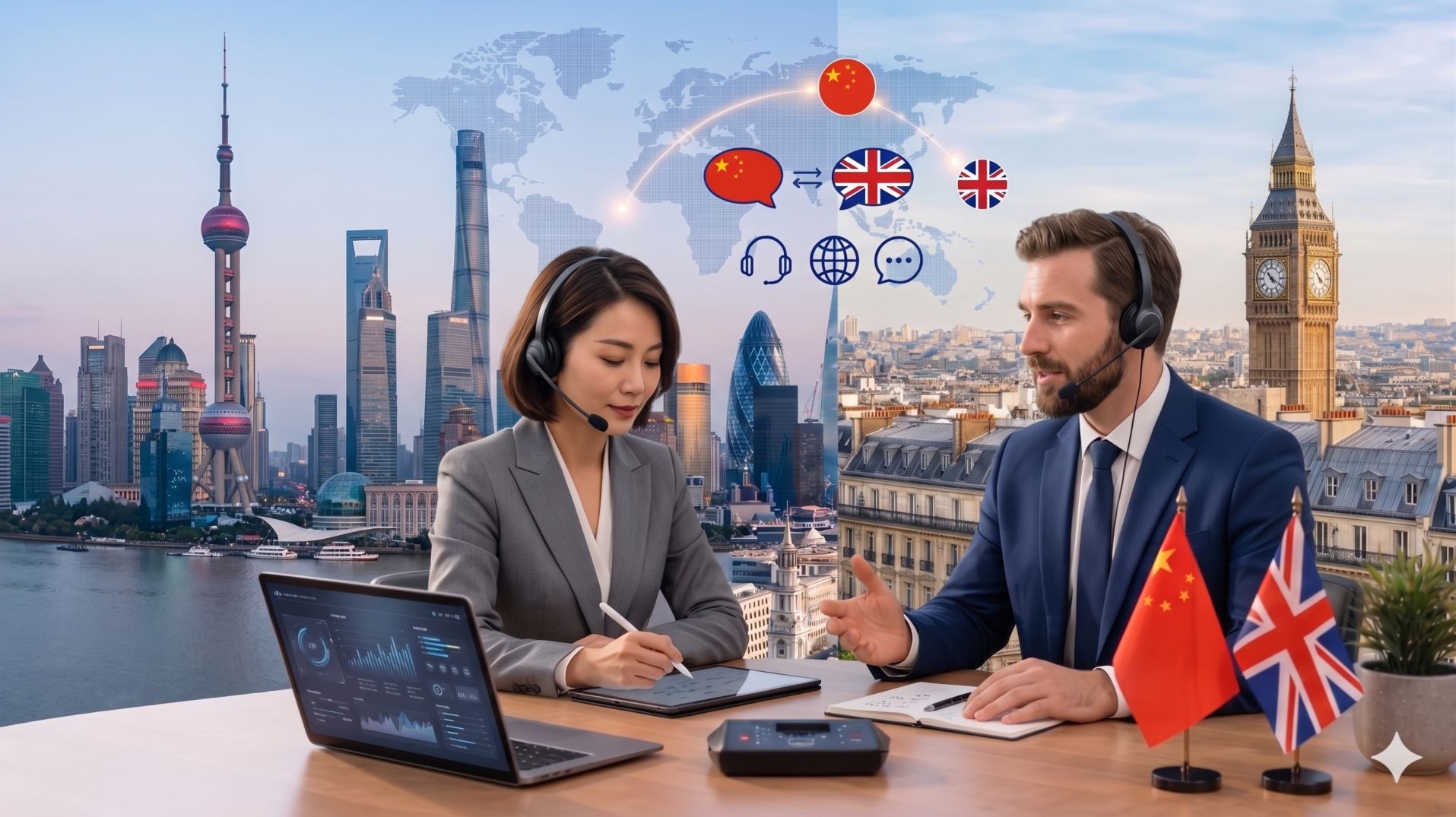

Securing a qualified Korean interpreter in Luton is paramount for effective communication across a diverse range of professional sectors, from legal proceedings and healthcare appointments to vital business negotiations. Luton, a dynamic hub within the UK’s economic landscape, requires specialised linguistic support to bridge cultural and language divides. This is particularly true for the Korean language, where precision and cultural nuance are critical. Whether you are a legal professional engaging with clients, an NHS trust ensuring patient safety, or a business seeking to expand its reach, the availability of accredited interpreters is indispensable. For residents and organisations in Luton, accessing these services often involves connecting with professionals who understand the intricacies of both the Korean language and the UK’s regulatory and institutional frameworks. Key NHS trusts serving the Luton area, such as the Bedfordshire Hospitals NHS Foundation Trust (https://www.bedfordshirehospitals.nhs.uk/) and the East London NHS Foundation Trust (https://www.elft.nhs.uk/), rely on professional interpretation to uphold their commitment to equitable patient care, adhering strictly to NHS England’s Language Services guidelines and UK GDPR principles.
Translation vs Interpretation
While often used interchangeably, translation and interpretation are distinct disciplines requiring different skill sets and methodologies. Translation involves the conversion of written text from one language to another, demanding meticulous attention to detail, grammar, and stylistic consistency. This is crucial for documents such as legal contracts, medical reports, or technical manuals. Interpretation, on the other hand, deals with the spoken word, converting live speech from one language to another in real-time or near real-time. This requires not only linguistic proficiency but also exceptional short-term memory, cultural awareness, and the ability to think quickly under pressure. For a Korean translator in Luton, the focus would be on producing accurate written renditions of documents. Conversely, a Korean interpreter in Luton would facilitate spoken communication in settings like courtrooms, hospitals, or business meetings. The professional standards for interpreters in the UK are rigorous, often governed by bodies like the National Register of Public Service Interpreters (NRPSI), ensuring that interpreters possess the necessary qualifications and adhere to a strict code of conduct. This distinction is vital for corporate buyers and public sector organisations in Luton to procure the correct linguistic support, ensuring clarity and accuracy in all forms of communication.
Legal Defence, Immigration, and Courtroom Interpretation
The UK’s legal system, administered by His Majesty’s Courts and Tribunals Service (HMCTS), demands absolute clarity and fairness for all parties involved, regardless of their language. For individuals who speak Korean, access to qualified legal interpreters is not merely a convenience but a fundamental right. In Luton, as across the UK, court proceedings, police interviews, and legal consultations necessitate interpreters who are not only fluent in Korean and English but also possess a deep understanding of legal terminology and courtroom etiquette. The His Majesty’s Courts and Tribunals Service (HMCTS) mandates the use of accredited interpreters to ensure that justice is served impartially. This is particularly critical in immigration cases, where individuals may be navigating complex procedures with the UK Visas and Immigration (UKVI) or appearing before the First-tier Immigration Tribunal. Professional interpreters play a vital role in ensuring that evidence is presented accurately, defendants understand the charges against them, and witnesses can communicate effectively. Bodies like the NRPSI and the Diploma in Public Service Interpreting (DPSI) set stringent standards for interpreters working within the justice system. These qualifications ensure that interpreters are proficient in legal vocabulary and understand the ethical obligations, including confidentiality and impartiality, which are paramount in such sensitive environments. Law firms in Luton and surrounding areas often require the services of a Korean interpreter in Luton for client consultations, case preparation, and courtroom appearances, ensuring that their Korean-speaking clients receive the full benefit of legal representation.
Healthcare and NHS Patient Safety
Patient safety and equitable access to healthcare are cornerstones of the National Health Service (NHS). For Korean-speaking patients in Luton, effective communication with medical professionals is essential for accurate diagnosis, treatment, and overall well-being. The Care Quality Commission (CQC), the independent regulator of health and social care services in England, emphasises the importance of effective communication in ensuring high-quality care. NHS trusts serving Luton, such as Bedfordshire Hospitals NHS Foundation Trust and East London NHS Foundation Trust, are committed to providing language support to patients who require it. This includes offering professional Korean interpretation services for consultations, hospital admissions, and the explanation of complex medical information. Adherence to NHS England’s Language Services guidelines ensures that interpretation services are accessible, appropriate, and of a high standard. Interpreters working within the NHS must not only be linguistically competent but also possess a strong understanding of medical terminology, ethical considerations, and the sensitive nature of healthcare interactions. Compliance with UK GDPR is also critical, ensuring that patient confidentiality is maintained at all times. A qualified Korean interpreter in Luton can facilitate crucial conversations between patients and clinicians, leading to better health outcomes and a more positive patient experience. This is vital for building trust and ensuring that all patients, regardless of their language, receive the best possible care.
Technical Interpretation Modalities
The effective delivery of interpretation services relies on selecting the appropriate modality to suit the specific context and requirements of the communication. For Korean interpretation in Luton, several key modalities are employed:
- Simultaneous Interpretation: This is the most demanding form, where the interpreter speaks the target language almost concurrently with the source language speaker, typically with only a few seconds’ delay. It requires specialised equipment (booths, headsets, microphones) and is commonly used in large conferences, international meetings, and parliamentary sessions where seamless flow of information is crucial.
- Consecutive Interpretation: In this mode, the interpreter listens to a segment of speech, renders it into the target language, and then pauses while the other speaker responds. This is suitable for smaller meetings, one-on-one discussions, and legal depositions where detailed note-taking might be involved. It allows for more reflection and accuracy in conveying complex ideas.
- Escort Interpretation (Liaison Interpretation): This involves the interpreter accompanying a client or group to facilitate communication in various settings, such as business meetings, factory tours, or social events. The interpreter acts as a bridge between parties, often translating short segments of speech back and forth. This is ideal for building rapport and ensuring smooth interactions in less formal, but still professional, environments.
- Remote Interpretation (Video/Telephone Interpretation): With advancements in technology, remote interpretation has become increasingly prevalent. This modality allows clients to connect with interpreters via video conferencing or telephone, offering flexibility and cost-effectiveness, especially for situations where an on-site interpreter is not feasible or necessary. This is particularly useful for routine medical appointments or quick business calls.
Choosing the correct modality ensures that the communication objectives are met efficiently and effectively, whether for a high-profile conference or a routine business meeting requiring a Korean translator in Luton for supporting documentation or a Korean interpreter in Luton for live discussions.
Economic and Social Fabric of Luton
Luton’s economy is diverse and dynamic, with a significant presence in sectors ranging from advanced manufacturing and logistics to retail and professional services. Understanding the local economic landscape is crucial for businesses and organisations seeking to engage effectively with the community and leverage linguistic support.
Corporate and Industry
Luton boasts a strong industrial heritage and continues to be a hub for various industries. Companies involved in aerospace, automotive, and technology often require professional Korean interpretation and translation services for international collaborations, supply chain management, and market expansion into Korean-speaking regions. The presence of multinational corporations and a growing number of small and medium-sized enterprises (SMEs) means there is a consistent demand for accurate communication solutions. Professional bodies such as the Chartered Institute of Linguists (CIOL) and the International Association of Conference Interpreters (AIIC) UK & Ireland set high standards for linguists operating in the corporate sphere, ensuring professionalism and quality.
Tourism
While not its primary economic driver, Luton’s proximity to London and its international airport contribute to its role as a gateway for travellers. For businesses in the hospitality and tourism sectors, providing multilingual services, including Korean, can enhance visitor experience and attract a broader clientele. This might involve translating marketing materials, website content, or providing interpretation for international guests.
Legal Infrastructure
Luton has a well-established legal sector, with numerous law firms serving local and national clients. The need for Korean legal interpreters and translators is significant, particularly in areas such as immigration law, family law, and commercial litigation. The First-tier Immigration Tribunal and HMCTS regularly require accredited interpreters to ensure fair legal processes for Korean speakers. The NRPSI plays a crucial role in accrediting interpreters who meet the rigorous standards required for public service roles.
NHS Healthcare
As previously detailed, the healthcare sector in Luton, served by trusts like Bedfordshire Hospitals NHS Foundation Trust and East London NHS Foundation Trust, places a high priority on accessible communication. The demand for Korean interpreters in GP surgeries, hospitals, and mental health services is substantial, ensuring that all patients can understand their care plans and communicate their needs effectively, in line with NHS England’s guidelines and UK GDPR.
Local Infrastructure and Transport
Luton’s strategic location and robust infrastructure are key factors in its economic vitality. The town benefits from excellent transport links, including:
- Luton Airport: A major international airport providing extensive global connectivity, facilitating business travel and international trade.
- Rail Services: Frequent train services connect Luton to London, the Midlands, and other major UK cities, making it an attractive location for commuters and businesses.
- Road Networks: Proximity to the M1 motorway ensures efficient road transport for goods and people.
This well-developed infrastructure supports the seamless movement of people and goods, underpinning the demand for professional linguistic services that facilitate international business and ensure accessibility for diverse populations within the Luton area. The availability of a reliable Korean interpreter in Luton is therefore supported by the town’s strong logistical capabilities.
Conclusion
For any organisation or individual in Luton requiring precise and professional communication, engaging a qualified Korean interpreter in Luton is essential. From navigating the complexities of the UK legal system under HMCTS and ensuring patient safety within the NHS, to facilitating critical business negotiations, the role of the interpreter is indispensable. By adhering to the stringent professional standards set by bodies like the NRPSI and understanding the specific needs of the Luton economic environment, accredited interpreters provide the vital link for effective cross-cultural communication. Ensure your communication needs are met with expertise and reliability.