Securing a qualified Polish interpreter in Wolverhampton is paramount for effective communication across critical sectors, from legal proceedings and healthcare access to business negotiations and public services. Wolverhampton, a city with a rich industrial heritage and a diverse, growing population, relies heavily on accurate and nuanced language services to ensure all residents and businesses can engage fully with UK institutions and the wider economy. This is particularly true for the Polish community, a significant demographic within the city. Access to professional interpretation is not merely a matter of convenience; it is a fundamental requirement for justice, patient safety, and economic participation. For residents in Wolverhampton, accessing vital NHS services means interacting with trusts such as the Midlands Partnership University NHS Foundation Trust and the The Royal Wolverhampton NHS Trust, where clear communication with healthcare professionals is essential for accurate diagnosis and treatment. This guide explores the vital role of professional Polish interpretation services in Wolverhampton, highlighting their application within the UK’s legal, healthcare, and commercial landscapes, and underscoring the importance of adhering to UK professional standards.
Translation vs Interpretation
While often used interchangeably, translation and interpretation are distinct linguistic disciplines, each requiring specialised skills and adhering to different professional standards. Understanding this difference is crucial when seeking language support, particularly for professional services in the UK. Interpretation involves the real-time, spoken conversion of one language to another. This can occur simultaneously, where the interpreter speaks concurrently with the source speaker, or consecutively, where the interpreter speaks after the source speaker has finished their statement. The primary keyword, Polish interpreter in Wolverhampton, directly addresses this need for spoken language services. In contrast, translation deals with the written word, converting text from one language to another. This requires meticulous attention to detail, cultural nuance, and often specialised subject matter knowledge. For businesses and legal professionals in Wolverhampton, engaging a Polish translator in Wolverhampton for documents, contracts, or official correspondence ensures that written information is accurately conveyed, maintaining legal and commercial integrity. Both professions are governed by stringent UK professional bodies, ensuring quality and ethical practice. For interpreters, the National Register of Public Service Interpreters (NRPSI) sets benchmarks for qualifications and conduct, particularly vital in public service settings like courts and the NHS. For translators, while the landscape is more varied, professional bodies like the Chartered Institute of Linguists (CIOL) offer pathways to accreditation and uphold professional standards.
Legal Defence, Immigration, and Courtroom Interpretation
The UK’s justice system is built on the principle of fairness and equal access to justice for all, regardless of linguistic background. For Polish speakers involved in legal matters in Wolverhampton, the availability of qualified interpreters is non-negotiable. His Majesty’s Courts and Tribunals Service (HMCTS) mandates the provision of interpreters in criminal and civil proceedings to ensure defendants, witnesses, and victims can fully understand proceedings and participate effectively. This includes cases heard at local Wolverhampton Magistrates’ Court or Crown Courts further afield. The role of a Polish interpreter in these settings is critical, demanding not only linguistic fluency but also a deep understanding of legal terminology, courtroom etiquette, and the strict ethical codes of conduct set by bodies like the NRPSI. Interpreters must remain impartial, confidential, and accurate, ensuring that no nuance or meaning is lost, which could have profound consequences for the outcome of a case. Immigration law is another area where expert Polish interpretation is vital. The UK Visas and Immigration (UKVI) department, part of the Home Office, handles a vast array of applications and appeals. Polish nationals navigating this complex system, whether for work, family, or asylum purposes, often require interpreters for interviews, tribunal hearings at the First-tier Immigration Tribunal, and for understanding official documentation. Engaging interpreters accredited by the NRPSI or holding a Diploma in Public Service Interpreting (DPSI) is often a requirement for official proceedings, guaranteeing a high standard of competence. Furthermore, solicitors and barristers in Wolverhampton rely on these professional interpreters to build robust cases, conduct client interviews effectively, and present arguments clearly in court. The integrity of the legal process hinges on the interpreter’s ability to bridge the language gap accurately and impartially, upholding the principles of justice as administered by HMCTS and other UK legal bodies.
Healthcare and NHS Patient Safety
Patient safety and effective healthcare delivery within the National Health Service (NHS) are critically dependent on clear communication between healthcare providers and patients. For the Polish-speaking population in Wolverhampton, accessing timely and accurate medical advice and treatment requires the support of professional Polish interpreters. The NHS has a legal and ethical obligation to ensure that all patients, including those with limited English proficiency, receive equitable care. This is reinforced by NHS England’s Language Access guidelines and the UK’s commitment to data protection under UK GDPR. Interpreters play a crucial role in consultations, diagnostic procedures, hospital admissions, and mental health services, ensuring patients understand their conditions, treatment options, and medication instructions. Misunderstandings can lead to delayed diagnoses, incorrect treatments, and adverse health outcomes. Therefore, engaging interpreters who are not only linguistically proficient but also understand medical terminology and the sensitive nature of healthcare interactions is essential. The The Royal Wolverhampton NHS Trust and the Midlands Partnership University NHS Foundation Trust, serving Wolverhampton, both recognise the importance of language services. Professional interpreters working within these trusts must adhere to strict confidentiality agreements and ethical standards, often aligning with the principles set by the NRPSI for public service interpreters. The Care Quality Commission (CQC) also inspects healthcare providers on their ability to meet the diverse needs of their patient population, including providing adequate language support. Ensuring that Polish-speaking patients can communicate effectively with their GPs, hospital specialists, and other healthcare professionals is a cornerstone of providing high-quality, patient-centred care in Wolverhampton and across the UK.
Technical Interpretation Modalities
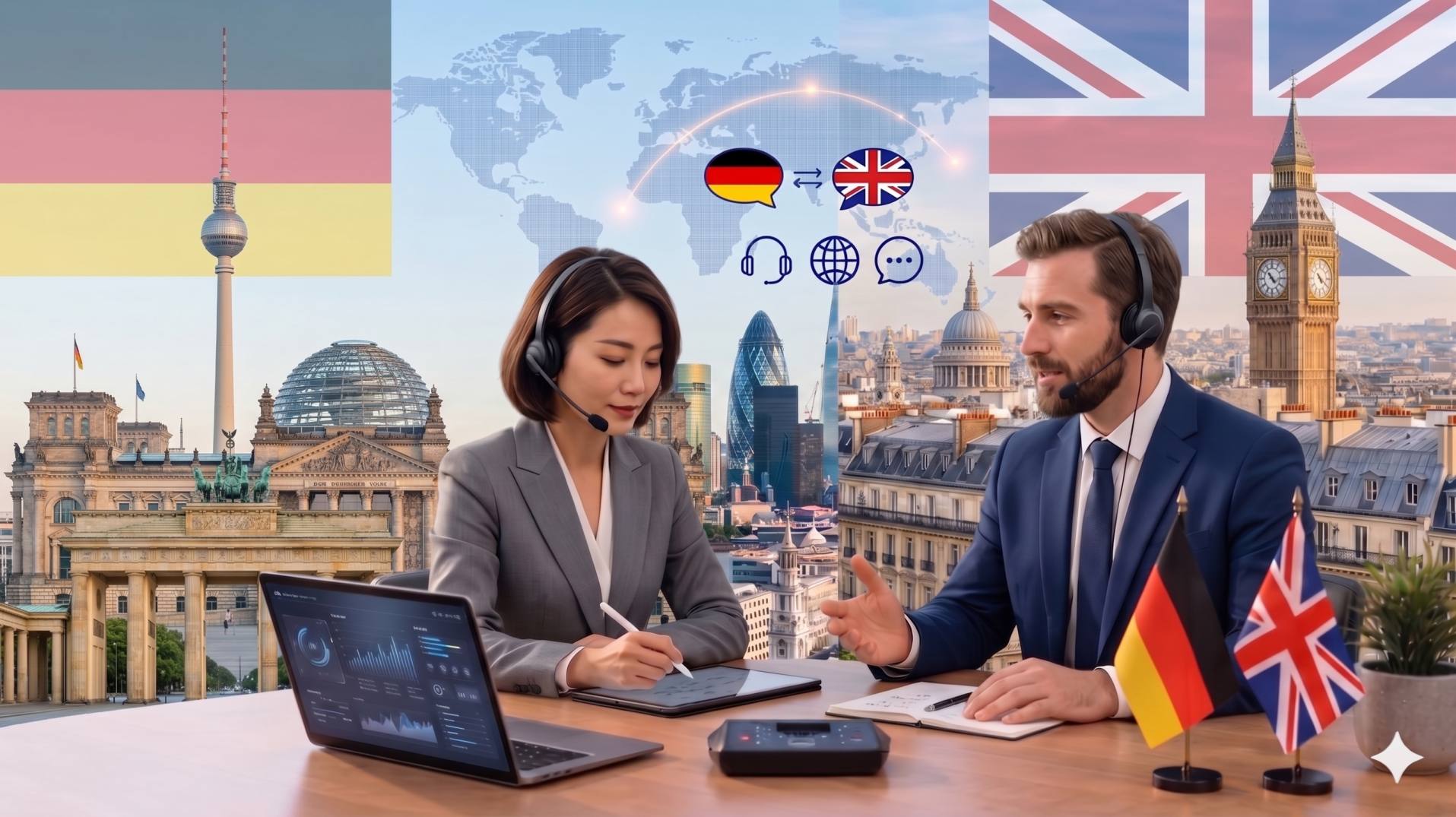
Professional Polish interpretation services in Wolverhampton are offered across a spectrum of modalities, each suited to different contexts and communication needs. The choice of modality significantly impacts the flow and effectiveness of communication. Simultaneous interpretation is commonly used in conferences, large meetings, or live broadcasts where the interpreter conveys the message in the target language with minimal delay, often using specialised equipment like booths and headsets. This allows for continuous communication and is ideal for situations where time is critical and participants need to engage in real-time. Consecutive interpretation, on the other hand, is employed in smaller settings such as one-on-one meetings, legal consultations, or medical appointments. Here, the interpreter listens to a segment of speech, then renders it in the target language after the speaker has finished. This method allows for more natural conversation flow and is often preferred for in-depth discussions where precision is paramount. Escort interpretation, also known as liaison interpretation, facilitates communication between parties speaking different languages in informal settings, such as business meetings, site visits, or social events. The interpreter acts as a bridge, ensuring smooth interaction and understanding. Finally, with the rise of digital communication, remote interpretation services have become increasingly prevalent. This modality leverages technology, such as video conferencing platforms and telephone lines, to connect interpreters with clients regardless of geographical location. Remote simultaneous interpretation (RSI) and remote consecutive interpretation are now standard offerings, providing flexibility and cost-effectiveness while maintaining professional standards. For businesses and organisations in Wolverhampton, understanding these different modalities ensures they can select the most appropriate service for their specific requirements, whether for international business calls, local community engagement, or complex legal and medical interactions.
Economic and Social Fabric of Wolverhampton
Wolverhampton’s vibrant economic and social landscape is shaped by its diverse population, including a significant Polish community, and its ongoing regeneration efforts. Professional Polish interpretation and translation services are integral to fostering inclusive growth and ensuring all residents can participate fully in the city’s development.
Corporate and Industry
As Wolverhampton continues to attract investment and foster business growth, particularly in sectors like advanced manufacturing, digital technologies, and professional services, the need for effective cross-cultural communication is escalating. Polish entrepreneurs and businesses operating within the city, or those looking to engage with the Polish market, require reliable Polish translators for contracts, marketing materials, and business correspondence. Similarly, Polish interpreters are essential for facilitating negotiations, client meetings, and internal communications within diverse workforces. Adherence to UK business standards and legal frameworks is crucial, and accurate language services ensure that all parties understand their obligations and opportunities. Professional bodies like the Association of Translation Companies (ATC) and the Institute of Translation and Interpreting (ITI) in the UK provide frameworks for quality assurance in this sector, ensuring that businesses in Wolverhampton can source reliable language partners.
Tourism
Wolverhampton’s rich history and cultural attractions, from its industrial past to its modern arts and leisure facilities, draw visitors from across the UK and beyond. While English is the primary language, providing multilingual information and support can enhance the visitor experience for Polish tourists. Professional Polish interpreters can assist in guided tours, at visitor information centres, and in hospitality settings, ensuring that Polish-speaking visitors feel welcomed and can fully engage with the city’s offerings. This not only improves individual experiences but also contributes to Wolverhampton’s reputation as an inclusive and accessible destination.
Legal Infrastructure
The legal sector in Wolverhampton, encompassing local law firms, legal aid services, and branches of national firms, serves a diverse clientele. The presence of a substantial Polish community means that legal professionals frequently encounter clients who require Polish interpretation services. This is critical for initial consultations, client interviews, and representation in matters before His Majesty’s Courts and Tribunals Service (HMCTS). Law firms specialising in areas such as family law, criminal defence, and immigration are particularly reliant on accredited Polish interpreters to ensure their Polish-speaking clients receive fair representation and understand the intricacies of UK law. The availability of qualified interpreters, often certified by the NRPSI or holding a DPSI qualification, is fundamental to the equitable functioning of Wolverhampton’s legal infrastructure.
NHS Healthcare
As previously detailed, the healthcare system in Wolverhampton, spearheaded by trusts like The Royal Wolverhampton NHS Trust and Midlands Partnership University NHS Foundation Trust, is committed to providing accessible care to all residents. The Polish community’s health and well-being are directly supported by the availability of professional Polish interpreters. These interpreters facilitate communication between patients and clinicians, ensuring accurate medical histories are taken, diagnoses are clearly explained, and treatment plans are understood. This is vital for preventative care, chronic disease management, and emergency services, directly contributing to better health outcomes for Polish speakers and reinforcing the NHS’s commitment to equitable healthcare provision across the UK. Compliance with NHS England’s Language Access guidelines and UK GDPR is paramount in these sensitive interactions.
Local Infrastructure and Transport
Wolverhampton’s infrastructure, including its transport networks and public services, plays a vital role in connecting its communities and facilitating economic activity. For Polish speakers, navigating these systems can be challenging without adequate language support. Professional Polish interpreters can assist in interactions with local council services, housing associations, and transport providers, ensuring that essential information is understood and that residents can access the services they need. Wolverhampton’s transport links, including its railway station and extensive bus network, are key to the city’s connectivity. Interpreters can help Polish-speaking individuals understand travel information, ticketing, and safety instructions, promoting independent mobility and integration. Furthermore, public services, from libraries to community centres, benefit from the availability of interpreters to engage effectively with the Polish-speaking population, fostering a more inclusive and cohesive community. The city council, Wolverhampton City Council, is a key institution that benefits from and often commissions such language support to ensure its services are accessible to all residents.
In conclusion, the demand for a skilled Polish interpreter in Wolverhampton is multifaceted, underpinning the effective functioning of the city’s legal, healthcare, commercial, and public service sectors. Ensuring access to professional, accredited interpreters is not just about overcoming a language barrier; it is about upholding fundamental rights, ensuring patient safety, facilitating economic opportunity, and fostering social cohesion within the UK’s diverse society. For any organisation or individual requiring precise and reliable Polish interpretation services in Wolverhampton, engaging with qualified professionals who adhere to UK standards is essential for achieving successful outcomes and building trust.