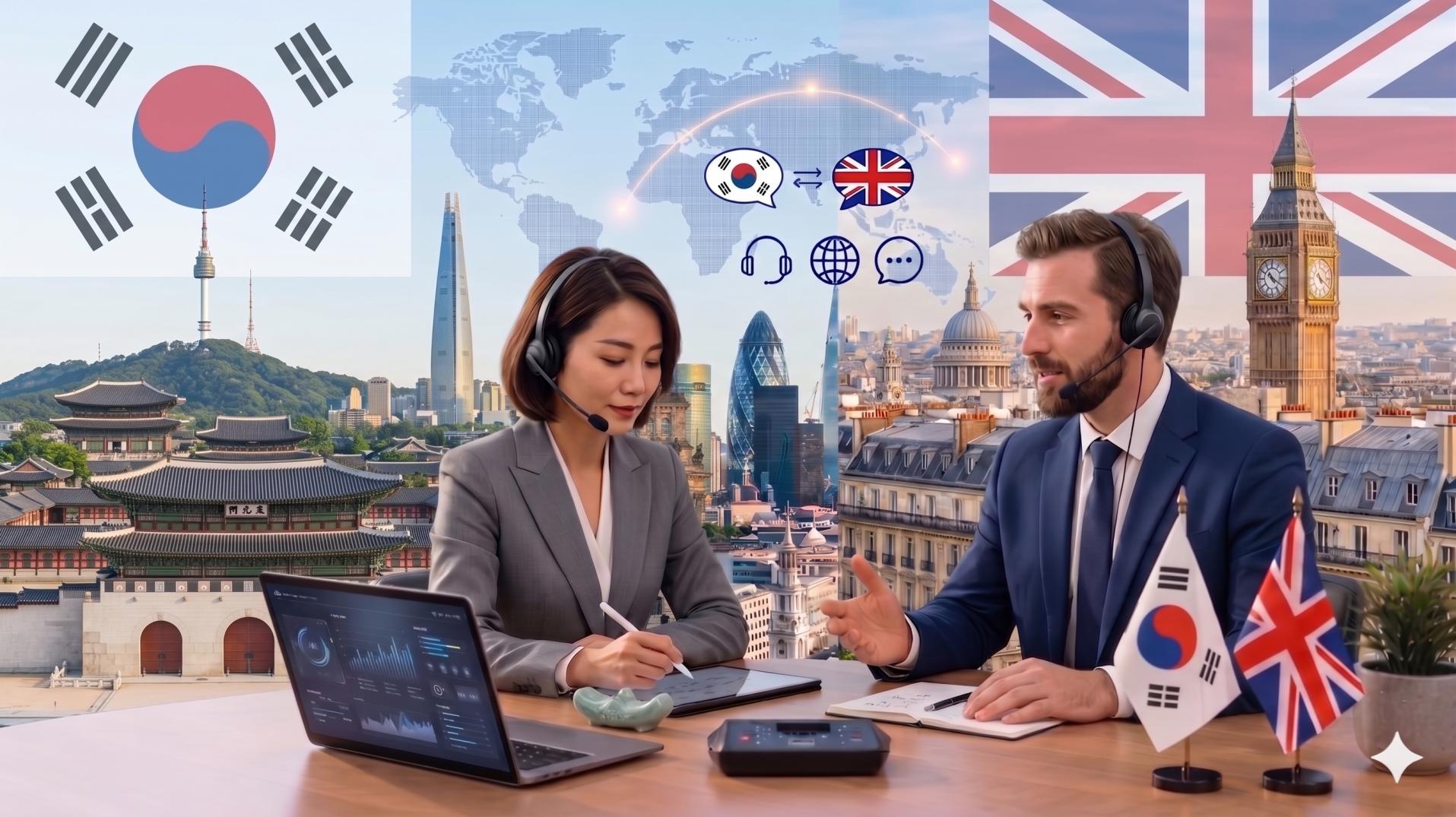
Securing a qualified Mandarin interpreter in County Durham is paramount for effective communication across diverse sectors, from legal proceedings to critical healthcare interactions. In a region like County Durham, which benefits from the services of the County Durham and Darlington NHS Foundation Trust and the North East North Cumbria Integrated Care Board, ensuring that language barriers do not impede access to justice or essential medical care is a fundamental requirement. This document outlines the strategic importance of professional Mandarin interpretation and translation services, specifically tailored to the economic and legal landscape of County Durham and the wider United Kingdom, adhering strictly to UK professional standards and institutional frameworks.
Translation vs Interpretation
While often used interchangeably, translation and interpretation are distinct disciplines, each requiring a unique skill set and adherence to specific professional standards within the UK. Interpretation involves the live, oral conversion of spoken or signed language from one language to another. This is crucial in real-time interactions such as court hearings, medical consultations, or business meetings. A professional Mandarin interpreter in County Durham, for instance, must possess not only linguistic fluency but also a deep understanding of cultural nuances, legal terminology, and the specific context of the communication. They are bound by strict codes of conduct, often regulated by bodies like the National Register of Public Service Interpreters (NRPSI), ensuring impartiality, accuracy, and confidentiality. Conversely, translation deals with the written word, converting documents, reports, or websites from one language to another. This process allows for more time for research, editing, and proofreading, often leading to a more polished final product. A skilled Mandarin translator in County Durham will ensure that legal documents, medical records, or business contracts are accurately rendered into English, or vice versa, maintaining the original intent and legal standing. Both professions are vital for the smooth functioning of public services and commerce in the UK, with interpreters facilitating immediate understanding and translators ensuring comprehensive written records and communication.
Legal Defence, Immigration, and Courtroom Interpretation
The UK’s justice system, overseen by His Majesty’s Courts and Tribunals Service (HMCTS), mandates that all individuals have the right to understand proceedings and communicate effectively, regardless of their language. For Mandarin speakers involved in legal matters in County Durham, access to qualified interpreters is not a luxury but a necessity. This applies to criminal trials, civil litigation, family law cases, and administrative hearings before tribunals. Professional interpreters must be proficient in legal terminology and understand the procedural aspects of UK courts. Bodies such as the Ministry of Justice and the His Majesty’s Courts and Tribunals Service (HMCTS) rely on interpreters accredited by recognised bodies. The NRPSI, for example, sets rigorous standards for public service interpreters, ensuring they meet the demanding requirements of legal environments. This includes adherence to a strict code of professional conduct, covering impartiality, accuracy, and confidentiality, all of which are critical when dealing with sensitive legal information. Furthermore, immigration law is a significant area where Mandarin interpretation is frequently required. Individuals navigating the UK Visas and Immigration (UKVI) application process, or facing appeals before the First-tier Tribunal (Immigration and Asylum Chamber), need interpreters who can accurately convey complex legal requirements and personal testimonies. Solicitors and legal professionals in County Durham often engage interpreters certified by the Home Office or holding qualifications such as the Diploma in Public Service Interpreting (DPSI), which is a recognised standard for legal interpreters in the UK. The integrity of the legal process hinges on the ability of all parties to communicate freely and accurately, making the role of a professional Mandarin interpreter indispensable.
Healthcare and NHS Patient Safety
Patient safety and equitable access to healthcare are cornerstones of the National Health Service (NHS) in the UK. For Mandarin-speaking patients in County Durham, effective communication with healthcare professionals is vital for accurate diagnosis, treatment adherence, and overall well-being. The County Durham and Darlington NHS Foundation Trust, along with other NHS providers, is committed to providing language support to ensure that no patient is disadvantaged due to a language barrier. Professional Mandarin interpreters play a critical role in consultations, hospital admissions, discharge planning, and emergency situations. These interpreters must not only be linguistically competent but also understand medical terminology and the sensitive nature of healthcare interactions. They operate under strict confidentiality agreements, in line with UK data protection laws, including the UK General Data Protection Regulation (UK GDPR). The Care Quality Commission (CQC), the independent regulator of health and social care in England, emphasizes the importance of effective communication in ensuring high-quality care. NHS England also provides guidelines on language services, promoting the use of qualified interpreters over family members or untrained staff, who may lack the necessary skills or impartiality. Engaging a professional Mandarin interpreter ensures that patients can fully understand their conditions, treatment options, and consent to procedures, thereby upholding their rights and promoting better health outcomes. The use of professional interpreters is a key component of delivering person-centred care and maintaining the highest standards of patient safety across the NHS.
Technical Interpretation Modalities
The effective delivery of Mandarin interpretation services in County Durham requires an understanding of various modalities, each suited to different communication contexts. Simultaneous interpretation is perhaps the most demanding, requiring the interpreter to speak the target language almost concurrently with the source language speaker, typically with the aid of specialised equipment in settings like conferences or large meetings. This modality demands exceptional concentration and rapid cognitive processing. Consecutive interpretation involves the interpreter listening to a segment of speech, then rendering it into the target language once the speaker has finished. This is common in smaller meetings, one-on-one consultations, or legal depositions where precise recall is crucial. Escort interpretation, also known as liaison interpretation, facilitates communication between two or more parties who speak different languages, often in informal settings like business negotiations, site visits, or social events. The interpreter acts as a bridge, ensuring smooth dialogue. In recent years, remote interpretation has gained significant traction, particularly with advancements in technology. This can take the form of telephone interpreting (over-the-phone interpretation, OPI) or video remote interpreting (VRI). VRI, using platforms like Zoom or dedicated secure systems, allows interpreters to connect with clients in County Durham from anywhere in the world, offering flexibility and cost-effectiveness while maintaining high professional standards. The choice of modality depends on the specific requirements of the situation, the number of participants, the environment, and the desired level of immediacy and accuracy. Professional interpreting agencies can advise on the most appropriate modality for any given scenario, ensuring that communication objectives are met efficiently and effectively.
Economic and Social Fabric of County Durham
County Durham, a region with a rich industrial heritage and a forward-looking economy, presents a dynamic environment for businesses and public services. The presence of a skilled Mandarin-speaking workforce and the availability of professional interpretation services are increasingly important for fostering international connections and ensuring inclusivity within the local community.
Corporate and Industry
The economic landscape of County Durham is diversifying, with sectors such as advanced manufacturing, digital technology, and renewable energy showing growth. Businesses operating in or looking to engage with markets in China, or those with Chinese investment or partnerships, require robust communication solutions. Professional Mandarin interpretation and translation services are essential for facilitating international trade negotiations, technical collaborations, investor relations, and marketing efforts. Accurate translation of contracts, product specifications, and marketing materials, alongside seamless interpretation during business meetings and conferences, can significantly impact the success of international ventures. Adherence to UK business law and professional standards ensures that these communications are legally sound and culturally appropriate, building trust and fostering strong commercial relationships.
Tourism
County Durham boasts significant cultural and historical attractions, including Durham Cathedral and Castle (a UNESCO World Heritage Site), Beamish, The Living Museum of the North, and a stunning coastline. As international tourism, including from Mandarin-speaking countries, continues to recover and grow, providing accessible information and services in Mandarin becomes a competitive advantage. Professional translation of tourist information, websites, brochures, and signage, as well as interpretation services for tour guides and visitor centres, can enhance the visitor experience. This not only benefits the tourists but also contributes to the local economy by encouraging longer stays and greater spending. Ensuring that visitors from China feel welcomed and understood is key to promoting County Durham as a premier tourist destination.
Legal Infrastructure
The legal sector in County Durham, like elsewhere in the UK, relies heavily on clear and accurate communication. Law firms, barristers’ chambers, and legal aid agencies frequently encounter clients and cases involving individuals who speak Mandarin. The ability to provide accredited Mandarin interpreters for client consultations, court appearances before His Majesty’s Courts and Tribunals Service (HMCTS), and immigration proceedings is crucial. Professional interpreters, often registered with the NRPSI or holding a DPSI qualification, ensure that justice is accessible to all, regardless of linguistic background. This commitment to linguistic access upholds the principles of fairness and due process within the UK legal framework.
NHS Healthcare
The National Health Service (NHS) in County Durham, served by trusts like the County Durham and Darlington NHS Foundation Trust, is committed to providing high-quality care to all residents. For the Mandarin-speaking population, access to competent interpreters is vital for effective patient care. Whether in general practice surgeries, hospital wards, or specialist clinics, professional interpreters ensure that patients can communicate their symptoms, understand diagnoses, and participate in treatment decisions. This adherence to patient safety and communication standards, as overseen by the Care Quality Commission (CQC) and guided by NHS England’s language access policies, is fundamental to equitable healthcare delivery. Ensuring that medical information is accurately conveyed protects patient confidentiality and promotes better health outcomes, aligning with UK GDPR principles.
Local Infrastructure and Transport
County Durham is supported by a network of local infrastructure and transport links that facilitate both economic activity and community cohesion. Major road networks, including the A1(M), connect the region to other parts of the UK, while local public transport services, such as bus routes operated by companies like Go North East, serve towns and villages across the county. For businesses requiring Mandarin interpretation services, accessibility is key. Whether for meetings at corporate offices, site visits to industrial estates, or consultations with local authorities, reliable transport ensures that interpreters can reach their destinations efficiently. The presence of well-maintained infrastructure supports the seamless operation of professional services, including those requiring language support. Furthermore, digital infrastructure, including broadband connectivity, is increasingly important for enabling remote interpretation services, bridging geographical distances and providing flexible solutions for clients across County Durham and beyond.
In conclusion, the strategic importance of professional Mandarin interpretation and translation services cannot be overstated for County Durham. From ensuring access to justice within the UK legal system, including proceedings before HMCTS, to safeguarding patient safety within the NHS, and facilitating international business engagement, a qualified Mandarin interpreter in County Durham is an essential asset. By adhering to UK professional standards and leveraging the expertise of accredited interpreters and translators, individuals and organisations can overcome language barriers, foster understanding, and achieve their objectives effectively and ethically.