Securing a qualified Mandarin interpreter in West Lothian is paramount for effective communication across diverse sectors, from legal proceedings and healthcare appointments to business negotiations and public services. In a region like West Lothian, which is increasingly integrated into the global economy, the need for precise and culturally nuanced language services cannot be overstated. This is particularly true when engaging with official bodies such as His Majesty’s Courts and Tribunals Service (HMCTS), the Home Office, and the National Health Service (NHS). For residents and businesses in West Lothian, access to professional Mandarin interpretation ensures that language barriers do not impede access to justice, essential healthcare, or commercial opportunities. The local NHS trusts serving West Lothian, including NHS Lothian and NHS 24 (which provides remote consultations and health information across Scotland), play a vital role in community well-being, and their services must be accessible to all, regardless of linguistic background. Ensuring that Mandarin-speaking individuals can fully understand and participate in their healthcare journey is a core principle of equitable service delivery within the UK’s National Health Service.
Translation vs Interpretation: Precision in Communication
While often used interchangeably, translation and interpretation are distinct linguistic disciplines, each requiring specialised skills and adherence to professional standards. A professional Mandarin translator in West Lothian works with written text, converting documents, contracts, websites, and other written materials from Mandarin to English or vice versa. This process demands not only linguistic accuracy but also a deep understanding of the subject matter, cultural context, and stylistic conventions of the target language. Translators often utilise sophisticated translation memory software and glossaries to ensure consistency and precision, particularly in technical or legal documents. Conversely, a Mandarin interpreter facilitates spoken communication in real-time. This can occur in face-to-face meetings, court hearings, medical consultations, or telephone conversations. The interpreter must possess exceptional listening skills, a strong command of both Mandarin and English, and the ability to convey meaning, tone, and intent accurately and instantaneously. Professional interpreters adhere to strict codes of conduct, including impartiality, confidentiality, and accuracy, as mandated by bodies like the National Register of Public Service Interpreters (NRPSI), which sets the benchmark for public service interpreters in the UK. For legal and medical settings, the distinction is critical; a mistranslated document can lead to contractual disputes, while a misinterpreted statement in court or a hospital can have severe consequences for individuals involved.
Legal Defence, Immigration, and Courtroom Interpretation
The UK’s justice system, overseen by His Majesty’s Courts and Tribunals Service (HMCTS), relies heavily on accurate communication to ensure fairness and due process. For individuals who speak Mandarin, access to qualified interpreters is not a luxury but a fundamental right. Whether navigating family law, criminal proceedings, or civil disputes, the presence of a professional Mandarin interpreter is essential. These interpreters must be proficient in legal terminology and understand the procedural nuances of the UK court system. They are often required to hold qualifications recognised by bodies such as the NRPSI or the Diploma in Public Service Interpreting (DPSI), demonstrating their competence in handling sensitive legal matters. In immigration law, the stakes are exceptionally high. Individuals seeking asylum or applying for visas through the UK Visas and Immigration (UKVI) department of the Home Office often need to recount complex personal histories or provide detailed evidence. A Mandarin interpreter facilitates these crucial interviews and hearings before the First-tier Immigration Tribunal, ensuring that the applicant’s narrative is understood without distortion. The interpreter’s role is to convey spoken words accurately and impartially, enabling judges, solicitors, and Home Office officials to make informed decisions based on clear communication. Failure to provide adequate interpretation can lead to miscarriages of justice, unlawful detentions, or the rejection of legitimate claims. Professional bodies like the International Association of Conference Interpreters (AIIC) also set global standards that many UK professionals adhere to, ensuring a high calibre of service across all sectors, including the legal field.
Healthcare and NHS Patient Safety
Patient safety and equitable access to healthcare are cornerstones of the National Health Service (NHS) in the UK. For Mandarin-speaking patients in West Lothian, effective communication with healthcare professionals is vital for accurate diagnosis, treatment, and ongoing care. This is where the expertise of a Mandarin interpreter becomes indispensable. NHS trusts are legally and ethically bound to provide interpretation services to patients who require them, as outlined in guidelines such as those from the NHS England Language Services. Interpreters working within the NHS must not only be linguistically proficient but also understand medical terminology and the sensitive nature of healthcare interactions. They must adhere to strict confidentiality agreements, in line with UK GDPR regulations, ensuring that patient information remains private. The Care Quality Commission (CQC), the independent regulator of health and social care in England, also emphasises the importance of effective communication in ensuring high-quality patient care. While the CQC primarily regulates services in England, its principles regarding patient safety and communication are widely adopted across the UK. Professional interpreters working with NHS Lothian or other regional health boards ensure that patients can articulate their symptoms, understand treatment plans, and provide informed consent. This is crucial for building trust between patients and clinicians and for achieving the best possible health outcomes. Remote interpretation services are also increasingly utilised, allowing patients to connect with interpreters via video or telephone, ensuring timely access to language support even in remote areas or during out-of-hours periods.
Technical Interpretation Modalities
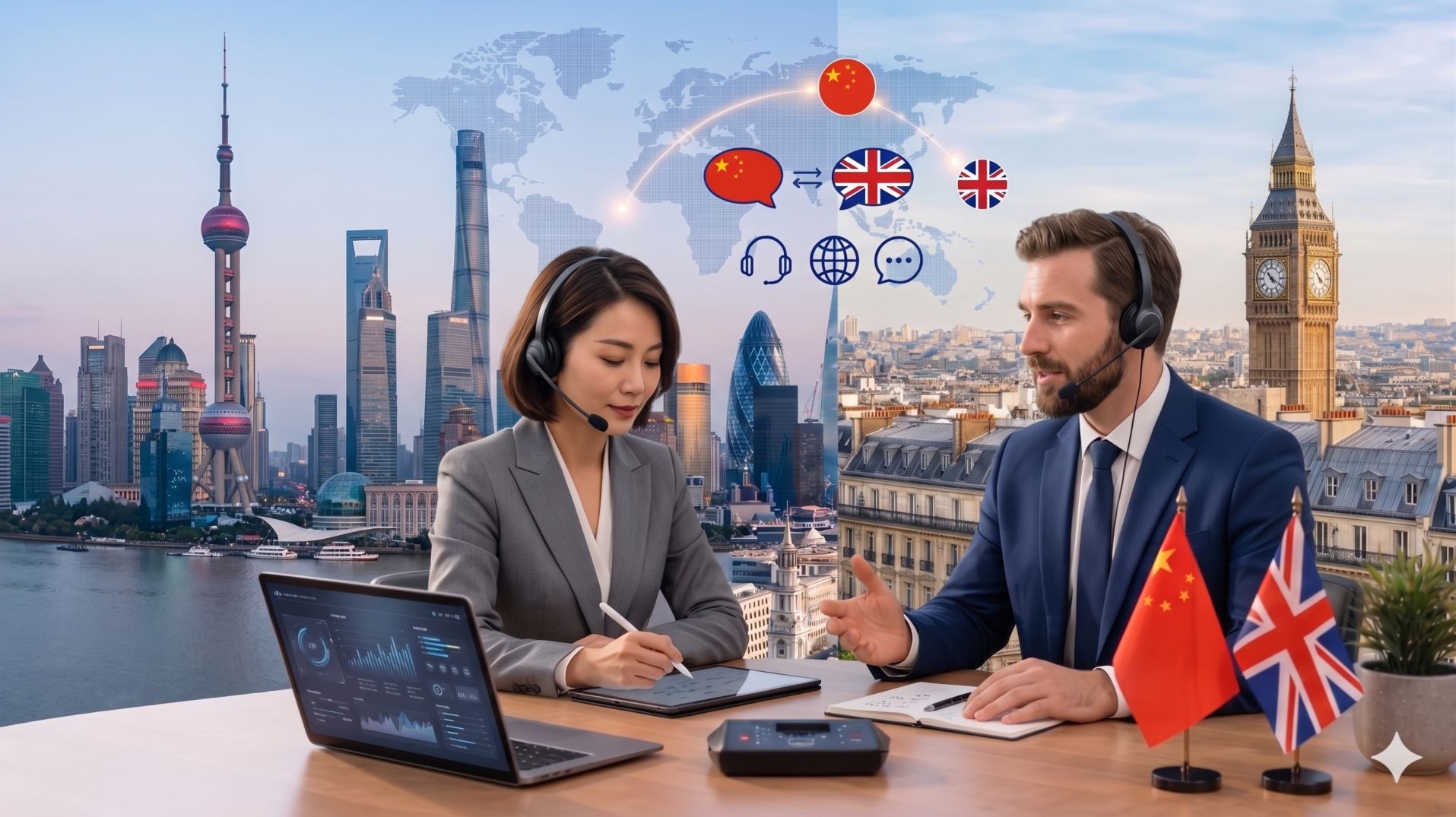
The delivery of Mandarin interpretation services in West Lothian can take various forms, each suited to different contexts and requirements. Simultaneous interpretation is commonly used in conferences, large meetings, or parliamentary sessions. The interpreter listens to the speaker through a headset and interprets the message into Mandarin or English with only a few seconds’ delay, speaking into a microphone. This requires intense concentration and is typically performed by highly experienced professionals working in pairs. Consecutive interpretation is more common in smaller settings such as one-on-one meetings, medical consultations, or legal interviews. The interpreter listens to a segment of speech, then pauses to render the message in the target language. This allows for a more natural flow of conversation but takes longer than simultaneous interpretation. Escort interpretation, also known as liaison interpretation, facilitates communication between two or more parties who speak different languages during business trips, factory visits, or social events. The interpreter acts as a cultural bridge, ensuring smooth interaction and understanding. Finally, remote interpretation, including telephone interpreting (OPI) and video remote interpreting (VRI), has become increasingly prevalent. This modality allows clients to access interpreters on demand, regardless of geographical location, offering flexibility and cost-effectiveness, particularly for urgent or infrequent requirements. Professional bodies like the Chartered Institute of Linguists (CIOL) provide qualifications and professional development for linguists across all these modalities, ensuring that practitioners meet rigorous UK standards.
Economic and Social Fabric of West Lothian
West Lothian, situated between Edinburgh and Glasgow, is a region with a dynamic economic landscape and a diverse population. Understanding its key sectors and infrastructure is crucial for businesses and public services seeking to engage effectively with Mandarin-speaking communities and partners.
Corporate and Industry
The region boasts a strong presence in sectors such as advanced manufacturing, technology, and life sciences. Companies operating in these fields often engage in international trade, requiring Mandarin translation and interpretation for contracts, technical manuals, and business negotiations. The presence of skilled Mandarin-speaking professionals can facilitate smoother international collaborations, attract foreign investment, and enhance the competitiveness of local businesses on the global stage. The Scottish Development International (SDI) agency, part of the Scottish Government, actively promotes trade and investment, and effective communication is key to its success in connecting Scottish businesses with markets like China.
Tourism
West Lothian offers a range of historical sites, natural beauty, and cultural attractions that draw visitors from around the world. As Chinese tourism to the UK continues to grow, providing Mandarin language support—from translated visitor information and signage to Mandarin-speaking guides—can significantly enhance the visitor experience. This not only benefits the tourism sector directly but also enhances the region’s reputation as a welcoming destination. Local tourism boards and heritage sites can leverage professional interpretation and translation services to cater to this important market segment.
Legal Infrastructure
The presence of robust legal services is fundamental to any thriving community. West Lothian is served by local courts and legal practices that interact with a diverse clientele. For law firms and legal professionals, having access to accredited Mandarin interpreters is essential for serving clients involved in civil litigation, criminal defence, family law, and property transactions. This ensures compliance with legal obligations and upholds the principles of justice for all residents. The His Majesty’s Courts and Tribunals Service (HMCTS) operates within the region, necessitating qualified interpreters for court proceedings.
NHS Healthcare
As previously highlighted, the National Health Service (NHS) is a critical component of West Lothian’s social infrastructure. The local NHS trusts, such as NHS Lothian, are committed to providing accessible healthcare to all residents. This includes ensuring that Mandarin-speaking patients can fully engage with their healthcare providers. Professional Mandarin interpreters play a vital role in GP surgeries, hospitals, and community health centres, facilitating consultations, explaining diagnoses, and ensuring informed consent for treatments. This commitment to language access is crucial for maintaining patient safety and promoting health equity across the region.
Local Infrastructure and Transport
West Lothian benefits from its strategic location within Scotland’s central belt, offering excellent transport links. Its proximity to Edinburgh International Airport facilitates international travel and business connections. Major road networks, including the M8 motorway, connect West Lothian to key economic hubs like Edinburgh and Glasgow, making it accessible for business meetings and client visits. Public transport, including rail services connecting towns within West Lothian to major cities, further enhances connectivity. For businesses requiring Mandarin interpretation services, these well-developed transport links ensure that interpreters can reach client locations efficiently, whether for on-site interpretation at corporate offices, legal chambers, or healthcare facilities across the region and beyond. The availability of reliable transport infrastructure supports the seamless delivery of professional language services, underpinning the economic and social vitality of West Lothian.
Conclusion
In conclusion, the need for professional Mandarin interpretation and translation services in West Lothian is clear and multifaceted. From ensuring access to justice within the UK’s legal framework, including proceedings before HMCTS, to facilitating vital communication within the NHS and supporting international business ventures, the role of qualified Mandarin interpreters is indispensable. By engaging certified professionals who adhere to UK standards set by bodies like the NRPSI and CIOL, organisations can guarantee accuracy, confidentiality, and cultural sensitivity. If your organisation requires a reliable Mandarin interpreter in West Lothian, investing in professional language services is a strategic decision that enhances communication, ensures compliance, and fosters stronger relationships within the diverse communities and global markets you serve.