Securing a qualified Norwegian interpreter in Liverpool is paramount for effective communication across a multitude of critical sectors, from legal proceedings and healthcare consultations to vital business interactions. Liverpool, a city with a rich maritime history and a dynamic modern economy, requires specialised linguistic support to bridge communication gaps for its Norwegian-speaking residents and visitors. This need is particularly acute within the UK’s robust legal framework and its esteemed National Health Service (NHS). For instance, accessing services from the Liverpool University Hospitals NHS Foundation Trust (https://www.liverpoolft.nhs.uk/) or the Mersey Care NHS Foundation Trust (https://www.merseycare.nhs.uk/) necessitates clear, accurate interpretation to ensure patient safety and equitable access to care, adhering strictly to NHS England’s Language Access guidelines and UK GDPR principles.
Translation vs Interpretation
While often used interchangeably, translation and interpretation are distinct linguistic disciplines, each requiring specialised skills and adherence to different professional standards. Interpretation involves the real-time, oral conversion of spoken or signed language from one language to another. This is crucial in live environments such as courtrooms, medical appointments, or business meetings. A professional Norwegian interpreter in Liverpool must possess not only fluency in both Norwegian and English but also a deep understanding of cultural nuances, legal terminology, and the specific context of the interaction. They must maintain impartiality and confidentiality, adhering to the strict codes of conduct set by professional bodies like the National Register of Public Service Interpreters (NRPSI) (https://www.nrpsi.uk/) or the Chartered Institute of Linguists (CIOL) (https://www.ciol.org.uk/). Conversely, translation deals with the written word, converting documents, websites, or other textual materials from one language to another. This process allows for more time for research, editing, and proofreading to ensure accuracy and fidelity to the source text. For legal documents, medical records, or corporate literature, professional Norwegian translation services in Liverpool are essential for ensuring clarity and compliance with UK regulations.
Legal Defence, Immigration, and Courtroom Interpretation
The UK’s justice system, overseen by His Majesty’s Courts and Tribunals Service (HMCTS) (https://www.gov.uk/government/organisations/hm-courts-and-tribunals-service), relies heavily on the availability of qualified interpreters to ensure fair trials and access to justice for all. For individuals involved in criminal or civil proceedings, or those navigating immigration matters with the UK Visas and Immigration (UKVI) (https://www.gov.uk/government/organisations/uk-visas-and-immigration), a skilled Norwegian interpreter is indispensable. These interpreters must be proficient in legal terminology and understand the protocols of UK courts, including the First-tier Tribunal (Immigration and Asylum Chamber). Professional bodies like the NRPSI and the Diploma in Public Service Interpreting (DPSI) (https://www.dpsi.org.uk/) set rigorous standards for interpreters working in this sensitive field. Ensuring interpreters are registered with these bodies guarantees their competence and adherence to ethical guidelines, including strict confidentiality and impartiality. The integrity of legal proceedings, from initial police interviews conducted under the Police and Criminal Evidence Act 1984 (PACE) to final judgments delivered in the Royal Courts of Justice, depends on accurate interpretation. Law firms in Liverpool, and indeed across the UK, must engage interpreters who meet these stringent requirements to safeguard their clients’ rights and ensure the smooth functioning of the legal process.
Healthcare and NHS Patient Safety
Patient safety and equitable access to healthcare are cornerstones of the NHS. For Norwegian-speaking patients in Liverpool, effective communication with healthcare professionals is not merely a matter of convenience but a critical component of safe and effective medical care. The NHS mandates that all patients have the right to access interpretation services when needed, as outlined by NHS England’s Language Access guidelines. This is particularly vital when dealing with complex diagnoses, treatment plans, or sensitive medical histories. Interpreters must be adept at conveying medical information accurately, understanding the specific terminology used by clinicians, and respecting patient confidentiality under UK GDPR. The Care Quality Commission (CQC) (https://www.cqc.org.uk/), the independent regulator of health and social care in England, emphasises the importance of effective communication in ensuring high-quality care. Services provided by trusts such as Liverpool University Hospitals NHS Foundation Trust and Mersey Care NHS Foundation Trust must ensure that Norwegian-speaking patients can fully participate in their care decisions. Engaging a certified Norwegian interpreter ensures that misunderstandings are minimised, leading to better health outcomes and greater patient satisfaction. This commitment to linguistic accessibility reflects the broader UK commitment to inclusivity and equal access to essential public services.
Technical Interpretation Modalities
The demands of communication in professional settings necessitate a range of interpretation modalities, each suited to different situations. A professional Norwegian interpreter in Liverpool may be required to provide services in various formats:
- Simultaneous Interpretation: This is commonly used in conferences, large meetings, or court proceedings where the interpreter speaks almost concurrently with the speaker, often using specialised equipment like booths and headsets. It requires intense concentration and rapid cognitive processing.
- Consecutive Interpretation: Here, the interpreter waits for the speaker to pause before rendering the message in the target language. This is suitable for smaller meetings, one-on-one discussions, or medical consultations where a more natural conversational flow is desired.
- Escort Interpretation: This involves accompanying a client to various appointments or meetings, providing interpretation throughout the day. It is common in business negotiations, site visits, or during international delegations.
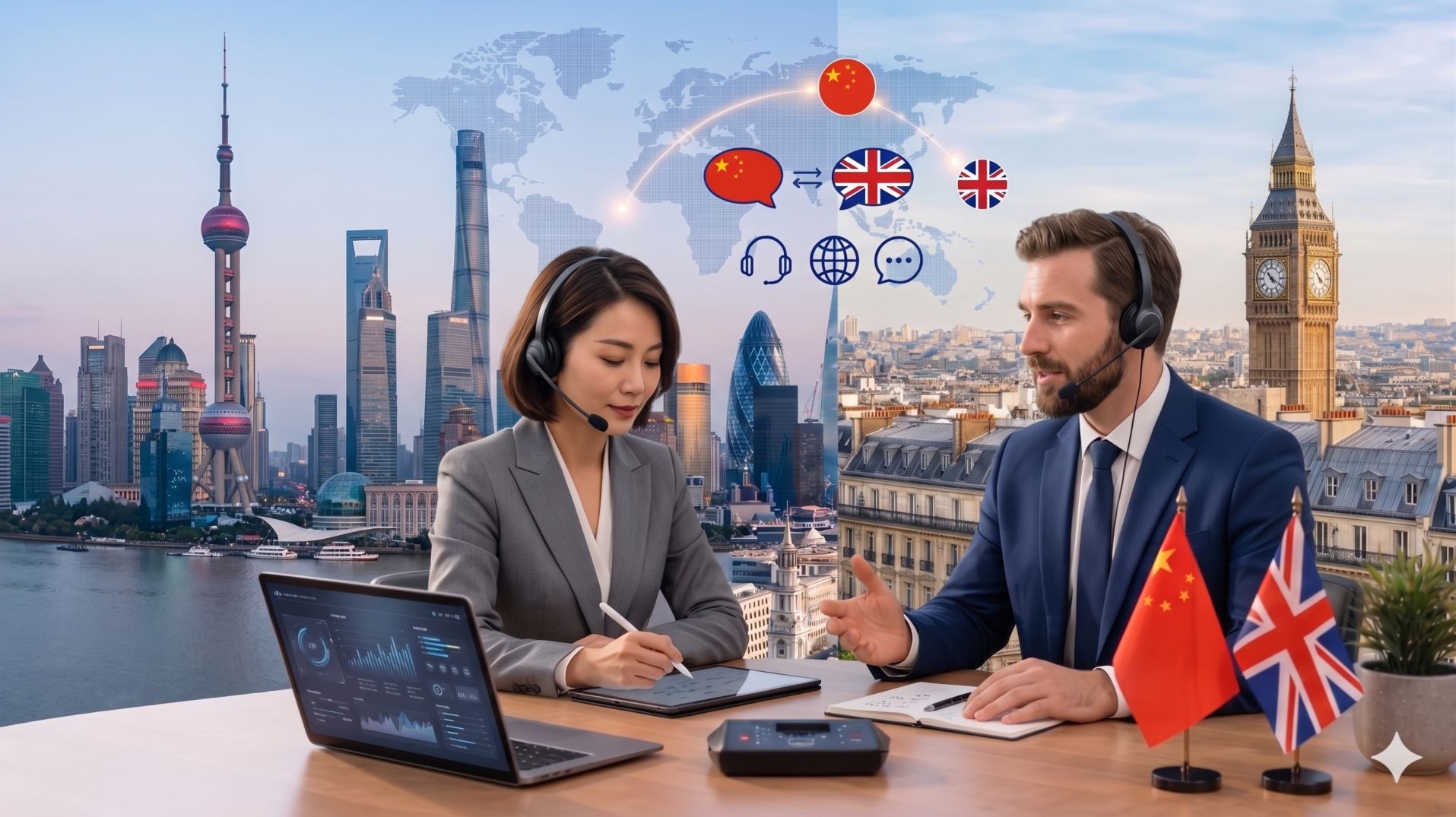
- Remote Interpretation (ROH): With advancements in technology, remote simultaneous and consecutive interpretation are increasingly common. This allows interpreters to connect to events or appointments via telephone or video conferencing platforms, offering flexibility and cost-effectiveness while maintaining professional standards. This modality is particularly useful for connecting clients with specialised interpreters regardless of geographical location, ensuring access to a Norwegian interpreter in Liverpool or beyond.
The choice of modality depends on the context, the number of participants, and the desired level of interaction. Professional interpreting agencies and independent interpreters will advise clients on the most appropriate method to ensure effective communication.
Economic and Social Fabric of Liverpool
Liverpool’s vibrant economy and diverse social landscape present numerous opportunities and challenges for linguistic services. The city’s historical ties to international trade, its burgeoning digital and creative sectors, and its significant healthcare and legal infrastructure all contribute to a demand for skilled Norwegian interpreters and translators.
Corporate and Industry
As a key port city with a strong industrial heritage, Liverpool continues to attract international investment and foster business relationships. Norwegian companies looking to establish a presence, engage in trade, or collaborate with UK businesses require seamless communication. This includes interpreting services for contract negotiations, technical consultations, product launches, and internal communications. The Chamber of Commerce for the Liverpool City Region (https://www.liverpoolchamber.org.uk/) can provide insights into the local business environment and potential opportunities for Norwegian enterprises. Professional interpreters ensure that business dealings are conducted with clarity, precision, and cultural sensitivity, fostering trust and facilitating successful partnerships.
Tourism
Liverpool is a major cultural and tourist destination, drawing visitors from around the globe. Its rich musical heritage, iconic waterfront, and numerous museums and attractions make it a popular choice for international travellers. While English is widely spoken, providing Norwegian language support can significantly enhance the visitor experience. This can range from translated visitor information and signage to interpretation services for Norwegian tour groups or individual travellers requiring assistance. The VisitLiverpool tourism board (https://www.visitliverpool.com/) highlights the city’s appeal, and linguistic services play a role in making it accessible to a wider audience.
Legal Infrastructure
Liverpool boasts a well-established legal sector, with numerous law firms specialising in areas such as maritime law, corporate law, and criminal defence. The presence of HMCTS facilities in the city means that legal professionals frequently require the services of qualified interpreters. Norwegian individuals or businesses involved in legal matters in Liverpool will need access to interpreters who are not only fluent in Norwegian and English but also possess a thorough understanding of UK legal procedures and terminology. This ensures that all parties can fully understand and participate in legal proceedings, upholding the principles of justice and due process.
NHS Healthcare
As previously detailed, the NHS in Liverpool, encompassing major trusts like Liverpool University Hospitals NHS Foundation Trust and Mersey Care NHS Foundation Trust, serves a diverse population. The need for Norwegian interpretation services within healthcare settings is critical for ensuring that all patients receive the highest standard of care, regardless of their language proficiency. This includes consultations with GPs, specialists, and hospital staff, as well as accessing mental health services and community care. Adherence to NHS England’s Language Access policy and UK GDPR is paramount, underscoring the importance of professional, certified interpreters.
Local Infrastructure and Transport
Liverpool’s infrastructure supports its role as a major economic and cultural hub in the North West of England. The city is well-connected by road, rail, and air, facilitating both domestic and international travel. Liverpool John Lennon Airport (https://www.liverpoolairport.com/) provides international connections, and the city’s rail network offers extensive links across the UK. Efficient public transport within the city, including buses and the Merseyrail network, ensures accessibility for residents and visitors alike. For businesses and individuals requiring interpretation services, the city’s robust transport links make it easy to engage interpreters for on-site assignments across various locations. The Liverpool City Council (https://www.liverpool.gov.uk/) oversees local infrastructure development and public services, contributing to the city’s overall connectivity and ease of access.
In conclusion, the demand for a skilled Norwegian interpreter in Liverpool is driven by the city’s dynamic economic landscape, its vital public services, and its commitment to inclusivity. Whether for legal proceedings at HMCTS, critical healthcare consultations within the NHS, or complex business negotiations, professional interpretation is essential. Engaging certified interpreters who adhere to UK professional standards ensures accuracy, confidentiality, and effective communication, underpinning the successful operation of these vital sectors. For organisations and individuals requiring expert linguistic support, partnering with reputable interpreting services guarantees that communication barriers are overcome, fostering understanding and facilitating positive outcomes.