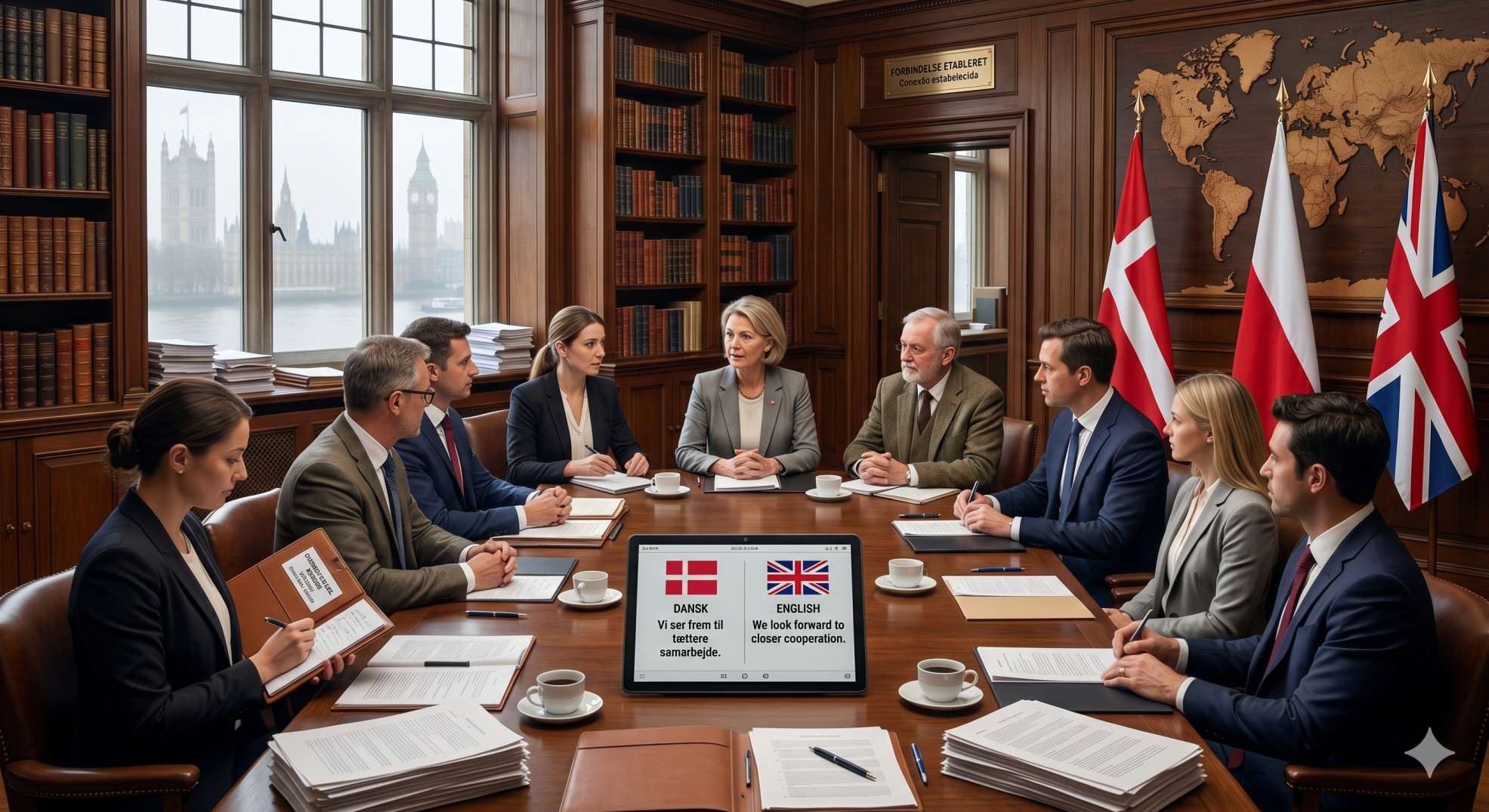
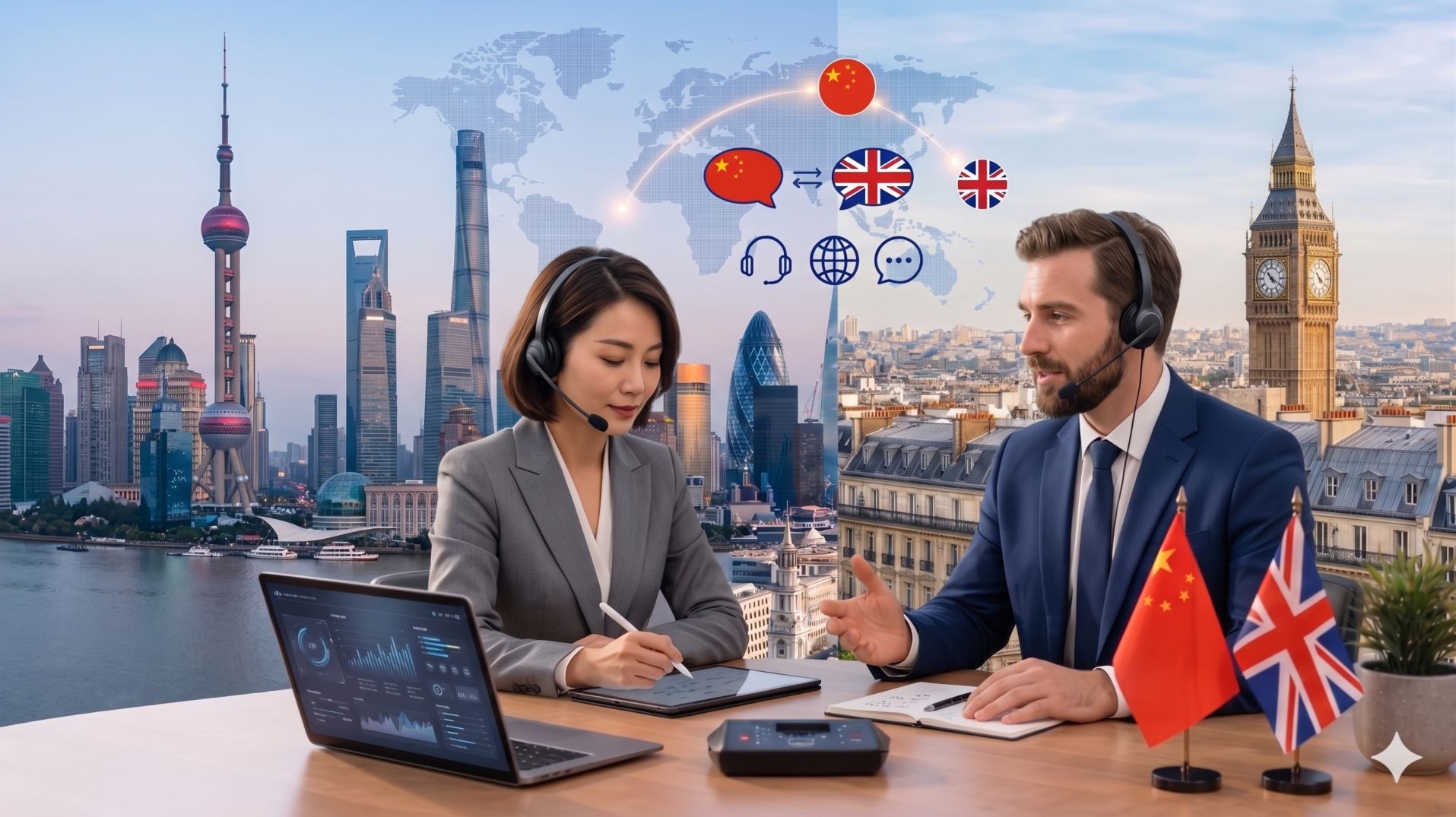
Securing a qualified Polish interpreter in Aberdeen City is paramount for effective communication across vital sectors of the UK economy and public services. Whether navigating the complexities of His Majesty’s Courts and Tribunals Service (HMCTS), ensuring patient safety within the NHS Grampian system, or facilitating business transactions, professional interpretation bridges linguistic divides. Aberdeen City, a hub of economic activity in Scotland, relies on accurate and culturally sensitive communication to serve its diverse population. This includes ensuring access to essential services for Polish speakers, supported by organisations such as NHS Grampian, which serves the Grampian region, and the Aberdeen City Council, both integral to the local infrastructure. Access to skilled interpreters is not merely a convenience; it is a fundamental requirement for justice, healthcare, and economic participation within the United Kingdom.
Translation vs Interpretation
While often used interchangeably, translation and interpretation are distinct disciplines requiring different skill sets and methodologies. Interpretation involves the real-time, oral conversion of spoken or signed language from one language to another. This demands not only linguistic fluency but also exceptional listening skills, memory, cultural understanding, and the ability to think quickly under pressure. A Polish translator in Aberdeen City, conversely, works with written text, converting documents, websites, and other written materials. The nuances of legal documents, medical reports, or business contracts require meticulous attention to detail and a deep understanding of both source and target languages, as well as the specific terminology of the field. For professional services, particularly in legal and medical contexts, the distinction is critical. An interpreter facilitates immediate spoken communication, essential in courtrooms, hospitals, and business meetings, while a translator ensures the accuracy and fidelity of written records and communications. Both roles are vital for the smooth functioning of professional services in Aberdeen City and across the UK, ensuring that all parties can understand and be understood, upholding standards set by bodies like the National Register of Public Service Interpreters (NRPSI) and the Chartered Institute of Linguists (CIOL).
Legal Defence, Immigration, and Courtroom Interpretation
The UK’s legal system is built on principles of fairness and access to justice for all. For individuals who do not speak English as a first language, the role of a qualified Polish interpreter is indispensable. Within the framework of His Majesty’s Courts and Tribunals Service (HMCTS), interpreters ensure that defendants, witnesses, and legal professionals can fully comprehend proceedings. This is crucial in criminal trials, civil litigation, and family law matters heard in courts across Scotland, including those within Aberdeen City. The His Majesty’s Courts and Tribunals Service (HMCTS) mandates the provision of interpreters where necessary, adhering to strict standards of impartiality and accuracy. Professional interpreters often hold qualifications recognised by bodies such as the NRPSI or the Diploma in Public Service Interpreting (DPSI), ensuring they meet the rigorous demands of legal environments. In immigration law, the UK Visas and Immigration (UKVI), part of the Home Office, processes applications and hears appeals. Polish speakers interacting with UKVI or appearing before the First-tier Immigration Tribunal require interpreters to present their cases effectively and understand decisions. The integrity of these processes hinges on clear communication, preventing miscarriages of justice and upholding the UK’s commitment to human rights. Professional interpreters are bound by codes of conduct that ensure confidentiality and professional ethics, vital in sensitive legal contexts.
Healthcare and NHS Patient Safety
Patient safety and effective care within the National Health Service (NHS) are paramount, and linguistic barriers can pose significant risks. For Polish-speaking patients in Aberdeen City, access to qualified interpreters is essential for accurate diagnosis, informed consent, and adherence to treatment plans. NHS Grampian, serving the region, is committed to providing accessible healthcare, and this includes ensuring that language is not a barrier to receiving high-quality care. The Care Quality Commission (CQC), the independent regulator of health and social care in England, also sets standards that implicitly require providers to address language needs to ensure safe and effective care. While the CQC primarily regulates services in England, its principles guide best practices across the UK. NHS England’s Language Access guidelines, which are influential across the UK, outline the importance of providing interpretation and translation services to meet the needs of diverse patient populations. Compliance with UK GDPR is also crucial, as patient confidentiality must be maintained, and this extends to the secure handling of information during interpretation sessions. Professional Polish interpreters working within the NHS are trained to understand medical terminology and ethical considerations, ensuring that patient information is conveyed accurately and confidentially. This is vital for consultations, emergency care, and ongoing treatment, directly impacting patient outcomes and satisfaction. The NHS Grampian trust, like all NHS bodies, must ensure that all patients, regardless of their primary language, receive the best possible care, making the role of a skilled Polish interpreter indispensable.
Technical Interpretation Modalities
The effective delivery of interpretation services in professional settings relies on selecting the appropriate modality. For a Polish interpreter in Aberdeen City, understanding these different modes is key to meeting client needs. Simultaneous interpretation is used in conferences, large meetings, or court proceedings where the interpreter speaks almost concurrently with the speaker, often using specialised equipment like booths and headsets. This requires intense concentration and rapid processing. Consecutive interpretation is more common in smaller meetings, interviews, or medical consultations, where the interpreter speaks after the original speaker has finished a segment of speech, allowing for pauses and note-taking. Escort interpretation, also known as liaison interpretation, facilitates communication between two or more parties in informal settings, such as business negotiations, site visits, or social events, where the interpreter acts as a cultural bridge as well as a linguistic one. Increasingly, remote interpretation services are being utilised, allowing interpreters to work from a distance via telephone or video conferencing. This modality offers flexibility and can be cost-effective, but requires robust technology and careful consideration of audio quality and privacy. Each modality has its strengths and is suited to different scenarios, from high-stakes legal proceedings requiring the precision of simultaneous interpretation to business meetings where consecutive or escort interpretation might be more appropriate. Professional interpreting agencies in the UK, adhering to standards set by organisations like the International Association of Conference Interpreters (AIIC), can advise on the best modality for specific requirements.
Economic and Social Fabric of Aberdeen City
Aberdeen City, historically known as the ‘Granite City’ and a major centre for the UK’s oil and gas industry, possesses a dynamic and diverse economic landscape. The presence of a significant Polish community and the city’s role as a business hub necessitate robust linguistic support services. A skilled Polish interpreter in Aberdeen City plays a crucial role in facilitating communication across various sectors, contributing to the city’s economic vitality and social cohesion.
Corporate and Industry
The energy sector, while undergoing transition, remains a cornerstone of Aberdeen’s economy. International collaboration and investment are common, requiring clear communication in business negotiations, technical discussions, and project management. Polish professionals and businesses operating within or engaging with Aberdeen’s industrial base rely on accurate interpretation for contracts, site meetings, and operational briefings. Beyond energy, sectors like technology, finance, and professional services are growing, all of which benefit from seamless communication with international partners and a diverse workforce. Professional interpreters ensure that business objectives are met without linguistic impediments, fostering stronger commercial ties and supporting the UK’s global trade relationships.
Tourism
Aberdeen City and its surrounding region attract tourists interested in its unique heritage, stunning landscapes, and cultural attractions. The Polish community contributes to the local tourism sector, both as visitors and as service providers. For Polish tourists, having access to local information and services in their language enhances their experience. For businesses in the hospitality sector, employing or contracting Polish-speaking staff or providing interpretation services can significantly improve customer service and attract a wider range of visitors, contributing to the local economy. Professional interpretation services can also support cultural exchange events and festivals, enriching the visitor experience.
Legal Infrastructure
Aberdeen City hosts a well-established legal community, serving both local needs and broader Scottish and UK legal matters. Law firms specialising in corporate law, energy law, and private client services frequently engage with international clients or require interpreters for court appearances and client consultations. The presence of qualified Polish interpreters is vital for ensuring that Polish-speaking individuals have equitable access to legal advice and representation, as mandated by UK legal standards. This includes interactions with local solicitors, advocates, and potentially proceedings before Scottish courts or UK-wide tribunals overseen by HMCTS.
NHS Healthcare
As detailed previously, the healthcare sector in Aberdeen City, primarily served by NHS Grampian, relies heavily on effective communication. The Polish population, like any other community, requires access to healthcare services without language barriers. Interpreters ensure that patients can communicate their symptoms, understand diagnoses, and participate in their treatment decisions. This not only improves health outcomes but also upholds the NHS’s commitment to equitable patient care and safety, aligning with national guidelines and regulatory standards overseen by bodies like the CQC and NHS England’s Language Access policies.
Local Infrastructure and Transport
Aberdeen City benefits from a robust local infrastructure that supports its economic and social functions. The city is served by Aberdeen Airport, providing international connections, and a comprehensive public transport network, including local bus services managed by Aberdeen City Council and regional rail links. For Polish residents and visitors, navigating this infrastructure can be made smoother with access to information and services in their language. Interpreters can assist with understanding transport schedules, booking services, and participating in community events. The availability of professional Polish interpretation services ensures that all residents can fully engage with and benefit from the city’s infrastructure, contributing to a more inclusive and functional urban environment. This local support network is crucial for integrating communities and ensuring that essential services are accessible to everyone, regardless of their linguistic background, reinforcing the UK’s commitment to equal opportunity.
In conclusion, the need for a professional Polish interpreter in Aberdeen City cannot be overstated. From ensuring justice within the UK’s legal system and safeguarding patient well-being in the NHS, to facilitating international business and enhancing community integration, expert linguistic services are fundamental. Engaging certified and experienced interpreters guarantees accuracy, confidentiality, and cultural sensitivity, upholding the high standards expected by UK professional bodies and institutions.