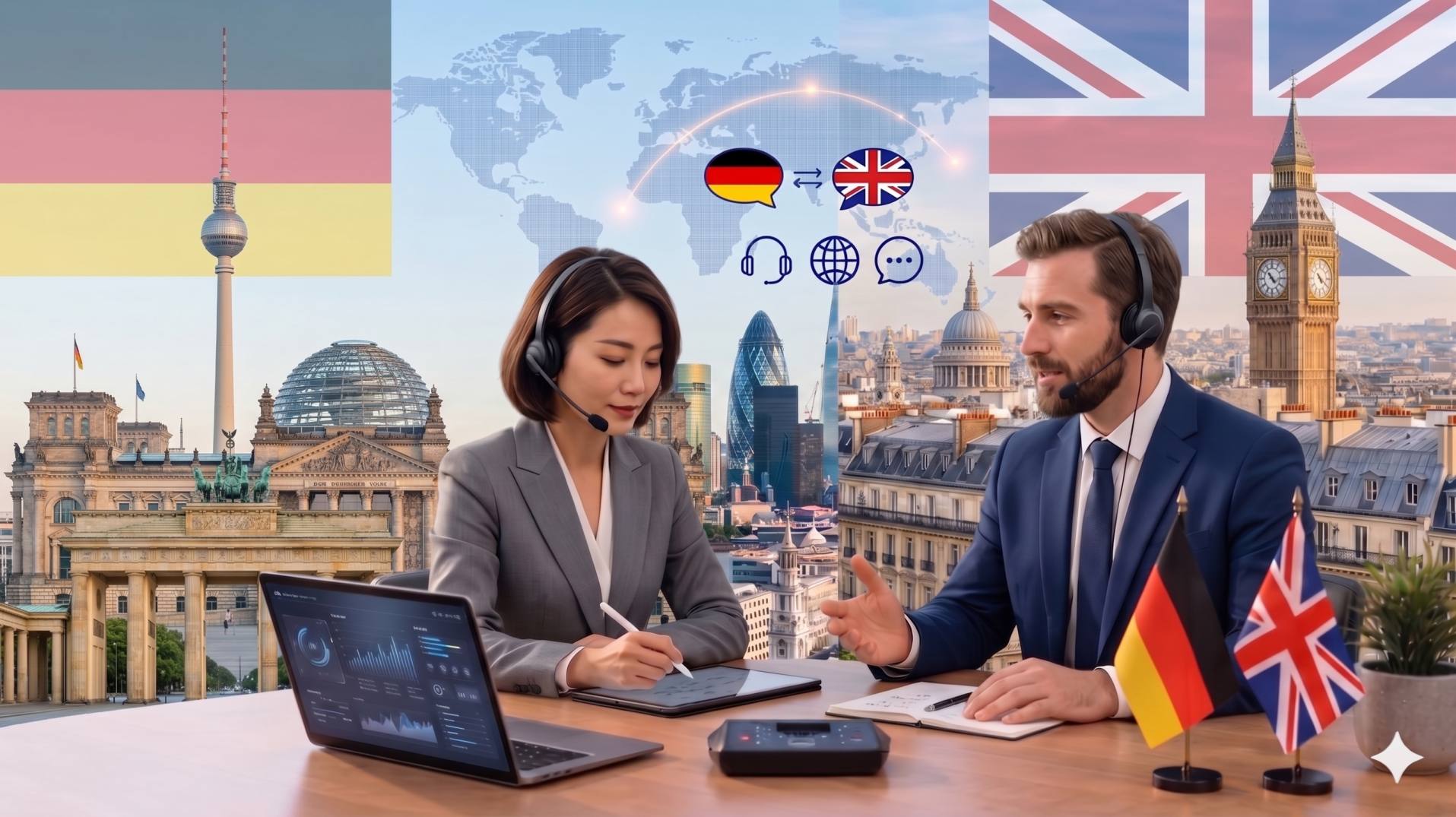
Securing a qualified Portuguese interpreter in Croydon is paramount for effective communication across a multitude of critical sectors within the UK. Whether navigating the complexities of His Majesty’s Courts and Tribunals Service (HMCTS), ensuring patient safety within the National Health Service (NHS), or facilitating international business dealings, the need for precise and culturally sensitive interpretation cannot be overstated. Croydon, a vibrant and diverse borough in South London, serves as a hub for numerous professional services, and its significant Portuguese-speaking community requires dedicated linguistic support. This is particularly true when engaging with local NHS trusts such as South London and Maudsley NHS Foundation Trust and Epsom and St Helier University Hospitals NHS Trust, both of which serve the Croydon area and are committed to providing accessible healthcare for all residents, irrespective of their primary language.
Translation vs Interpretation
While often used interchangeably, translation and interpretation are distinct linguistic disciplines, each requiring specialised skills and qualifications. Interpretation involves the real-time, oral rendition of spoken language from one language to another. This demands not only fluency in both Portuguese and English but also the ability to think quickly, maintain accuracy under pressure, and understand the nuances of spoken discourse. A professional Portuguese interpreter in Croydon must be adept at various interpretation modes, including consecutive, simultaneous, and whispered interpretation, depending on the context. Conversely, translation deals with the written word, converting documents, websites, and other textual materials from one language to another. This process allows for more deliberation, research, and editing to ensure accuracy and fidelity to the source text. For legal documents, medical records, or business contracts, a certified Portuguese translator in Croydon is essential. However, for live interactions such as court hearings, medical appointments, or business meetings, the services of a skilled interpreter are indispensable. Professional standards for interpreters in the UK are often governed by bodies like the National Register of Public Service Interpreters (NRPSI), ensuring a high level of competence and ethical conduct.
Legal Defence, Immigration, and Courtroom Interpretation
The administration of justice in the United Kingdom relies heavily on clear and accurate communication, especially in legal proceedings. For individuals who speak Portuguese and are involved in any aspect of the UK legal system, access to a qualified Portuguese interpreter is a fundamental right. This is critically important in cases heard before His Majesty’s Courts and Tribunals Service (HMCTS), encompassing everything from criminal trials in the Crown Court to civil disputes and family law matters. Interpreters play a vital role in ensuring that defendants, witnesses, and victims can fully understand proceedings and express themselves without impediment. The Home Office and its UK Visas and Immigration (UKVI) department also require certified interpreters for asylum claims, visa applications, and other immigration-related interviews. The accuracy provided by a professional Portuguese interpreter is not merely a matter of convenience but a cornerstone of natural justice and adherence to UK law. Professional interpreters working in the legal sector often hold qualifications such as the Diploma in Public Service Interpreting (DPSI), demonstrating their proficiency in legal terminology and courtroom etiquette. The Royal Courts of Justice, along with all other HMCTS venues, mandates the use of accredited interpreters to uphold the integrity of legal processes. Failure to provide adequate interpretation can lead to miscarriages of justice, making the selection of a registered and experienced interpreter crucial.
Healthcare and NHS Patient Safety
Patient safety and equitable access to healthcare are core principles of the National Health Service (NHS). For Portuguese-speaking patients in Croydon, effective communication with healthcare professionals is essential for accurate diagnosis, informed consent, and appropriate treatment. The NHS has established guidelines, often overseen by Care Quality Commission (CQC), to ensure that language barriers do not compromise patient care. This includes the provision of qualified interpreters for consultations, hospital admissions, and discussions regarding treatment plans. Services like those provided by South London and Maudsley NHS Foundation Trust and Epsom and St Helier University Hospitals NHS Trust, which serve Croydon, are committed to adhering to these standards. A professional Portuguese interpreter ensures that medical information is conveyed accurately, respecting patient confidentiality and adhering to UK GDPR regulations regarding sensitive personal data. Interpreters working within the NHS must possess not only linguistic skills but also a strong understanding of medical terminology and the ethical considerations involved in healthcare settings. This ensures that patients can fully participate in their care decisions and receive the best possible outcomes. NHS England also provides guidance on language services, emphasizing the importance of using qualified professionals rather than relying on family members or untrained staff, who may lack the necessary skills or impartiality.
Technical Interpretation Modalities
The effectiveness of interpretation hinges on selecting the appropriate modality for the specific situation. For a Portuguese interpreter in Croydon, understanding these technical differences is key to providing seamless communication. Consecutive interpretation is commonly used in one-on-one meetings, doctor’s appointments, or smaller group discussions. The interpreter listens to a segment of speech, then renders it in the target language after the speaker has finished. Simultaneous interpretation, often seen in conferences, large meetings, or courtrooms, requires the interpreter to speak the target language almost concurrently with the source language, typically using specialised equipment like soundproof booths and headsets. This is a highly demanding skill requiring intense concentration and rapid processing. Escort interpretation (also known as liaison interpretation) facilitates communication between parties speaking different languages in informal settings, such as business negotiations, site visits, or social events. The interpreter acts as a bridge, ensuring smooth dialogue. In recent years, remote interpretation has become increasingly prevalent, utilising telephone or video conferencing platforms. This modality requires interpreters to be proficient with technology and to maintain accuracy and professionalism in a virtual environment. Each modality demands specific training and experience, and professional interpreters will advise clients on the most suitable option based on the event’s nature, audience size, and technical requirements.
Economic and Social Fabric of Croydon
Croydon’s dynamic economic landscape and diverse social structure necessitate robust linguistic support. As a significant commercial and cultural centre in South London, it attracts businesses, visitors, and residents from across the globe, including a substantial Portuguese-speaking population. Providing access to professional Portuguese interpretation and translation services is therefore vital for the borough’s continued growth and inclusivity.
Corporate and Industry
Croydon boasts a thriving business community, with sectors ranging from finance and technology to retail and creative industries. International companies operating in or trading with Portuguese-speaking countries, or those with Portuguese-speaking employees, require reliable interpretation services for meetings, client interactions, training sessions, and international collaborations. A skilled Portuguese interpreter can facilitate smoother business operations, enhance client relationships, and ensure compliance with UK business regulations. The presence of professional Portuguese translators is also crucial for adapting marketing materials, contracts, and technical documentation for Portuguese markets, thereby supporting local businesses in their global outreach.
Tourism
While not a primary tourist destination in the same vein as central London, Croydon attracts visitors for its shopping, entertainment, and proximity to major transport links. Portuguese-speaking tourists benefit greatly from accessible information and services. Local businesses, hotels, and cultural attractions can enhance their visitor experience by offering multilingual support, including the availability of Portuguese interpreters for guided tours or customer service interactions. This not only improves the visitor’s experience but also positions Croydon as a welcoming and accessible destination.
Legal Infrastructure
Croydon hosts a number of legal practices and is served by the HMCTS. The borough’s diverse population means that Portuguese speakers frequently interact with the legal system, whether through criminal proceedings, civil disputes, family matters, or immigration applications. Law firms in Croydon that specialise in areas such as immigration law, family law, or criminal defence rely on qualified Portuguese interpreters to represent their clients effectively. Ensuring that all parties understand legal proceedings, as mandated by UK law and overseen by bodies like the NRPSI, is fundamental to the fair administration of justice. The availability of certified interpreters is a key component of Croydon’s legal infrastructure, ensuring access to justice for all.
NHS Healthcare
As previously highlighted, the healthcare sector in Croydon is a significant area where Portuguese interpretation is indispensable. The NHS Integrated Care System for South West London, which covers Croydon, works to ensure equitable access to health services. Portuguese-speaking residents interacting with local NHS trusts, such as South London and Maudsley NHS Foundation Trust or Epsom and St Helier University Hospitals NHS Trust, require professional interpreters to facilitate clear communication with doctors, nurses, and other healthcare professionals. This is crucial for everything from routine check-ups and emergency care to mental health services and specialist treatments, ensuring that all patients receive the highest standard of care as per CQC standards and NHS England Language Access guidelines.
Local Infrastructure and Transport
Croydon’s robust local infrastructure and extensive transport network, including its status as a major rail hub, facilitate access to services across London and beyond. This connectivity is vital for professional interpreters and translators who may be travelling to various locations within Croydon and the wider metropolitan area to serve their clients. The presence of well-established transport links, such as the Tramlink, numerous bus routes, and major train stations, ensures that interpreters can reach courtrooms, hospitals, corporate offices, and private residences efficiently. This logistical advantage supports the timely delivery of interpretation services, which is often critical in time-sensitive environments like legal proceedings or medical emergencies. Furthermore, Croydon’s ongoing regeneration and development projects continue to enhance its infrastructure, making it an increasingly accessible and well-connected borough, further supporting the professional services market, including linguistic support.
In conclusion, the demand for a professional Portuguese interpreter in Croydon spans critical public services, legal frameworks, healthcare provisions, and the broader economic landscape. Ensuring access to qualified, certified interpreters is not merely a matter of language facilitation but a fundamental requirement for justice, safety, and effective communication within the UK’s established professional and institutional structures. Engaging with accredited interpreters guarantees adherence to the highest standards of accuracy, confidentiality, and ethical practice, as upheld by UK professional bodies.