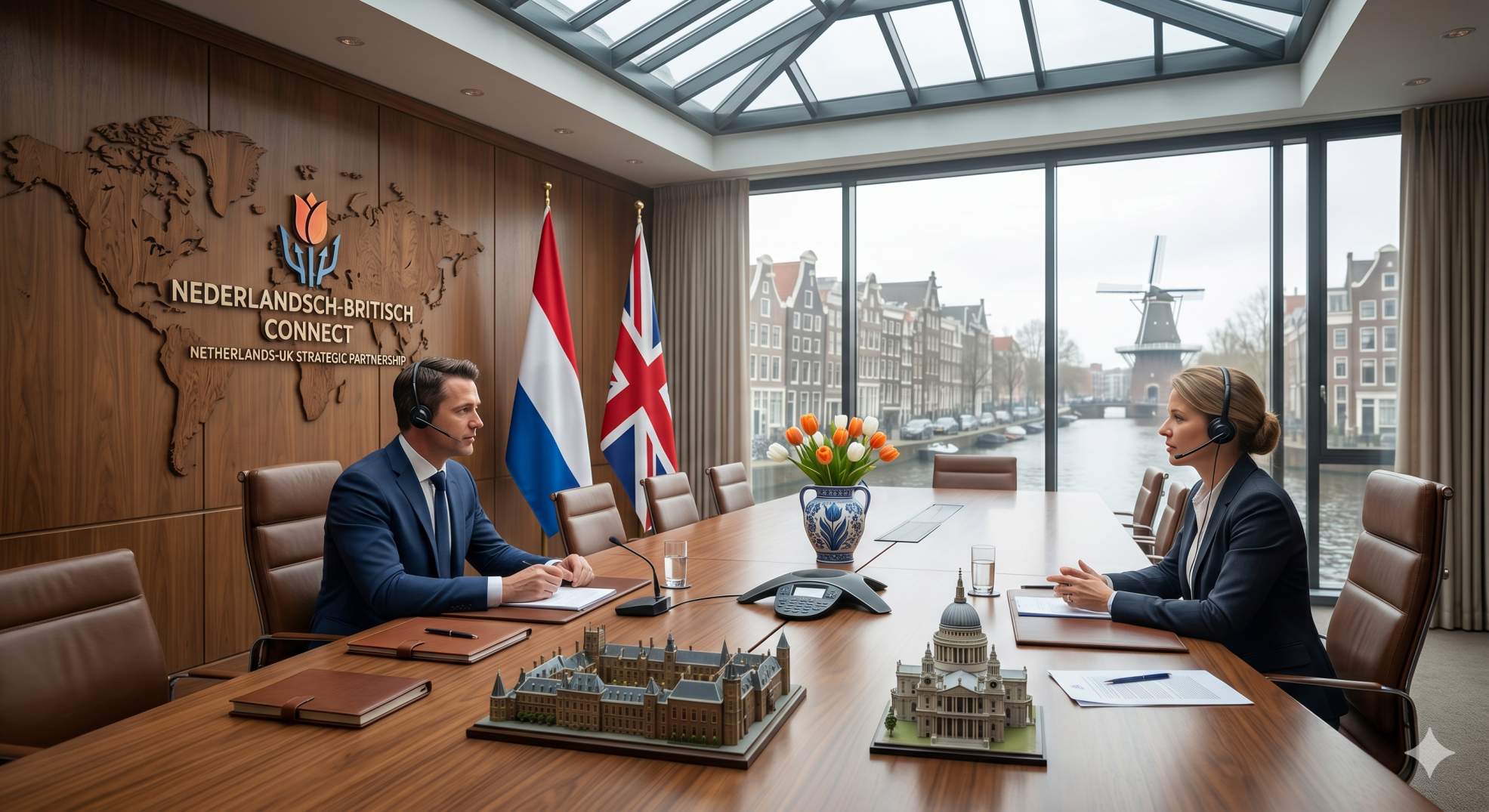
Securing a qualified Portuguese interpreter in Inverness is paramount for effective communication across vital sectors, from legal proceedings to critical healthcare interactions. In a city like Inverness, which serves as a hub for the Scottish Highlands, the need for accurate and culturally sensitive language services is increasingly recognised. This is particularly true when engaging with institutions such as NHS Highland and the NHS Inform service, both of which are integral to the health and well-being of residents and visitors. Professional interpretation ensures that all parties, regardless of their primary language, can fully understand and participate in important discussions, upholding standards of fairness, safety, and access to services mandated by UK law and professional bodies.
Translation vs Interpretation
While often used interchangeably, translation and interpretation are distinct linguistic disciplines, each requiring specialised skills and adherence to professional standards. Interpretation involves the real-time, oral conversion of spoken or signed language from one language to another. This is a dynamic process that demands not only linguistic fluency but also acute listening skills, cultural understanding, and the ability to convey nuance and tone accurately. A skilled interpreter acts as a bridge, facilitating immediate comprehension and interaction. Conversely, translation deals with the written word, converting text from a source language to a target language. This process allows for more deliberation, research, and editing to ensure accuracy and fidelity to the original document. For instance, translating legal documents or medical records requires meticulous attention to detail and specialised terminology. In Inverness, the demand for both services is significant, with businesses, legal firms, and healthcare providers requiring both accurate written translations and seamless oral interpretation. Engaging a Portuguese translator in Inverness for written materials ensures that official documents, contracts, and patient information are correctly rendered, while a Portuguese interpreter is essential for live interactions.
Legal Defence, Immigration, and Courtroom Interpretation
The UK’s legal system places a strong emphasis on access to justice, which inherently requires effective communication for all participants. For Portuguese speakers involved in legal matters in Inverness, access to qualified interpreters is not merely a convenience but a fundamental right. His Majesty’s Courts and Tribunals Service (HMCTS) mandates the provision of interpreters in criminal and civil proceedings to ensure fair trials. This includes cases heard in local sheriff courts and any appeals proceeding to higher courts. Professional interpreters working within the legal sphere must adhere to strict codes of conduct, often holding qualifications recognised by bodies such as the National Register of Public Service Interpreters (NRPSI) or the Diploma in Public Service Interpreting (DPSI). These qualifications ensure a high level of competence, impartiality, and confidentiality. For immigration matters, which are often handled by the First-tier Immigration Tribunal and overseen by the Home Office and UK Visas and Immigration (UKVI), accurate interpretation is critical. Portuguese nationals navigating the complexities of visa applications, asylum claims, or residency permits rely heavily on interpreters to articulate their circumstances clearly and understand the legal requirements and decisions. The integrity of the legal process hinges on the interpreter’s ability to convey information precisely, without omission or addition, maintaining the exact meaning and intent of the speaker. This is crucial for ensuring that all parties, including defendants, witnesses, and legal representatives, can fully engage with the proceedings. Professional bodies like the NRPSI set the benchmark for public service interpreters, ensuring they possess the necessary skills and ethical grounding to operate effectively within the sensitive environment of the UK’s justice system.
Healthcare and NHS Patient Safety
Patient safety and equitable access to healthcare are cornerstones of the National Health Service (NHS) in the UK. For Portuguese-speaking patients in Inverness, effective communication with healthcare professionals is vital for accurate diagnosis, treatment, and overall well-being. The NHS operates under stringent guidelines, including those set by the Care Quality Commission (CQC), which monitors and inspects health and social care services to ensure they are safe, effective, and provide high-quality care. Language barriers can pose significant risks, leading to misunderstandings about symptoms, medication instructions, or consent for procedures. Therefore, the availability of professional Portuguese interpreters is essential for NHS trusts serving Inverness, such as NHS Highland. These interpreters must not only be linguistically proficient but also understand medical terminology and the cultural nuances that can influence patient-doctor interactions. Adherence to UK GDPR (General Data Protection Regulation) is also paramount, ensuring that patient confidentiality is maintained at all times. NHS England’s Language Access guidelines further underscore the importance of providing accessible communication support for patients with limited English proficiency. Professional interpreters working within the NHS are expected to uphold the highest standards of impartiality and accuracy, ensuring that patients can fully participate in their care decisions and receive the best possible treatment. This commitment to clear communication is a fundamental aspect of providing person-centred care and upholding the principles of the NHS constitution.
Technical Interpretation Modalities
The effective delivery of interpretation services in Inverness relies on understanding and applying various technical modalities, each suited to different contexts and communication needs. Consecutive interpretation is commonly used in one-on-one settings, such as medical consultations or legal interviews, where the interpreter speaks after the source speaker has finished their statement. This allows for a more natural flow of conversation, with the interpreter taking notes to ensure accuracy. Simultaneous interpretation is employed in larger settings like conferences, meetings, or court proceedings where speed and efficiency are critical. Here, the interpreter speaks almost concurrently with the source speaker, often using specialised equipment such as soundproof booths and headsets. This modality requires intense concentration and rapid processing. Escort interpretation, also known as liaison interpretation, facilitates communication between parties speaking different languages in informal settings, such as business meetings, site visits, or social events. The interpreter acts as a cultural mediator, ensuring smooth interaction. In today’s increasingly digital world, remote interpretation has become a vital option. Utilising telephone or video conferencing platforms, remote interpreters can provide immediate access to language support, overcoming geographical barriers and reducing costs. This modality is particularly useful for urgent situations or when on-site interpreters are not readily available. For businesses and public services in Inverness, understanding these different modes allows for the selection of the most appropriate and cost-effective interpretation solution to meet their specific requirements, ensuring clarity and efficiency in all communications.
Economic and Social Fabric of Inverness
Inverness, the capital of the Scottish Highlands, possesses a dynamic economic and social landscape where linguistic diversity plays an increasingly important role. As a centre for business, tourism, and public services, the city’s growth is intrinsically linked to its ability to foster inclusive communication. The presence of a Portuguese-speaking community, whether through immigration, study, or business ties, necessitates robust language support infrastructure to ensure full participation in civic and economic life.
Corporate and Industry
The economic development of Inverness is driven by a diverse range of industries, including technology, renewable energy, and advanced manufacturing. International trade and collaboration are becoming more prevalent, creating a need for professional Portuguese translation and interpretation services. Businesses operating in or engaging with Portuguese-speaking markets require accurate documentation, effective negotiation support, and seamless communication with clients and partners. This includes translating marketing materials, technical manuals, and contractual agreements, as well as providing interpreters for business meetings, conferences, and site visits. The ability to communicate effectively in Portuguese can unlock new market opportunities and strengthen existing business relationships, contributing to the overall economic vitality of the region.
Tourism
Tourism is a significant contributor to Inverness’s economy, attracting visitors from across the globe. Portuguese-speaking tourists represent a valuable segment of this market. Providing accessible information and services in Portuguese, from hotel bookings and visitor guides to museum exhibits and local attractions, enhances the visitor experience and encourages repeat business. Professional interpretation services can also support tour operators and hospitality staff in interacting with Portuguese-speaking visitors, ensuring they have a positive and memorable experience in the Highlands. This focus on linguistic inclusivity can differentiate Inverness as a welcoming destination and boost the local tourism sector.
Legal Infrastructure
The legal sector in Inverness, serving both local residents and the wider Highland region, requires reliable language support. As previously discussed, Portuguese interpreters are essential for cases involving Portuguese speakers within the HMCTS framework, including criminal defence, family law, and civil disputes. Immigration law firms also rely on these services to assist clients navigating UK immigration procedures. The availability of qualified interpreters ensures that justice is accessible to all, regardless of their linguistic background, upholding the principles of fairness and due process within the UK legal system. Professional standards set by bodies like the NRPSI are critical in maintaining the integrity and effectiveness of these legal services.
NHS Healthcare
The healthcare system in Inverness, primarily delivered through NHS Highland, serves a diverse population. Ensuring that Portuguese-speaking patients can communicate effectively with medical professionals is a priority for patient safety and quality of care. This involves providing interpreters for GP appointments, hospital visits, diagnostic procedures, and health consultations. The adherence to CQC standards and NHS England’s Language Access guidelines means that professional interpretation is a vital component of healthcare delivery, ensuring that all patients receive appropriate and understandable medical advice and treatment, in line with UK healthcare regulations and the principles of patient-centred care.
Local Infrastructure and Transport
Inverness benefits from a developing infrastructure that supports its role as a regional centre. The city is served by Inverness Airport (INV), providing air links both domestically and internationally, which is crucial for business travel and tourism. Rail services connect Inverness to major UK cities, including London, Edinburgh, and Glasgow, facilitating easy access for professionals and visitors. The road network, including the A9, is vital for connecting Inverness to the rest of Scotland. For Portuguese speakers, understanding transport information, booking tickets, and navigating services can be challenging. Professional interpreters can assist in these situations, whether for individual travel planning or for businesses involved in logistics and transportation. Furthermore, the availability of interpretation services can support the integration of Portuguese speakers into the local community, helping them access essential services and participate more fully in the social and economic life of Inverness.
In conclusion, the need for professional Portuguese interpreter in Inverness is multifaceted, underpinning the effective functioning of legal, healthcare, business, and public services. By engaging certified and experienced interpreters, organisations can ensure compliance with UK standards, enhance patient safety, uphold legal rights, and foster stronger economic and social connections. Professional interpretation is not merely a language service; it is an essential tool for inclusivity, fairness, and success in a diverse and interconnected world.