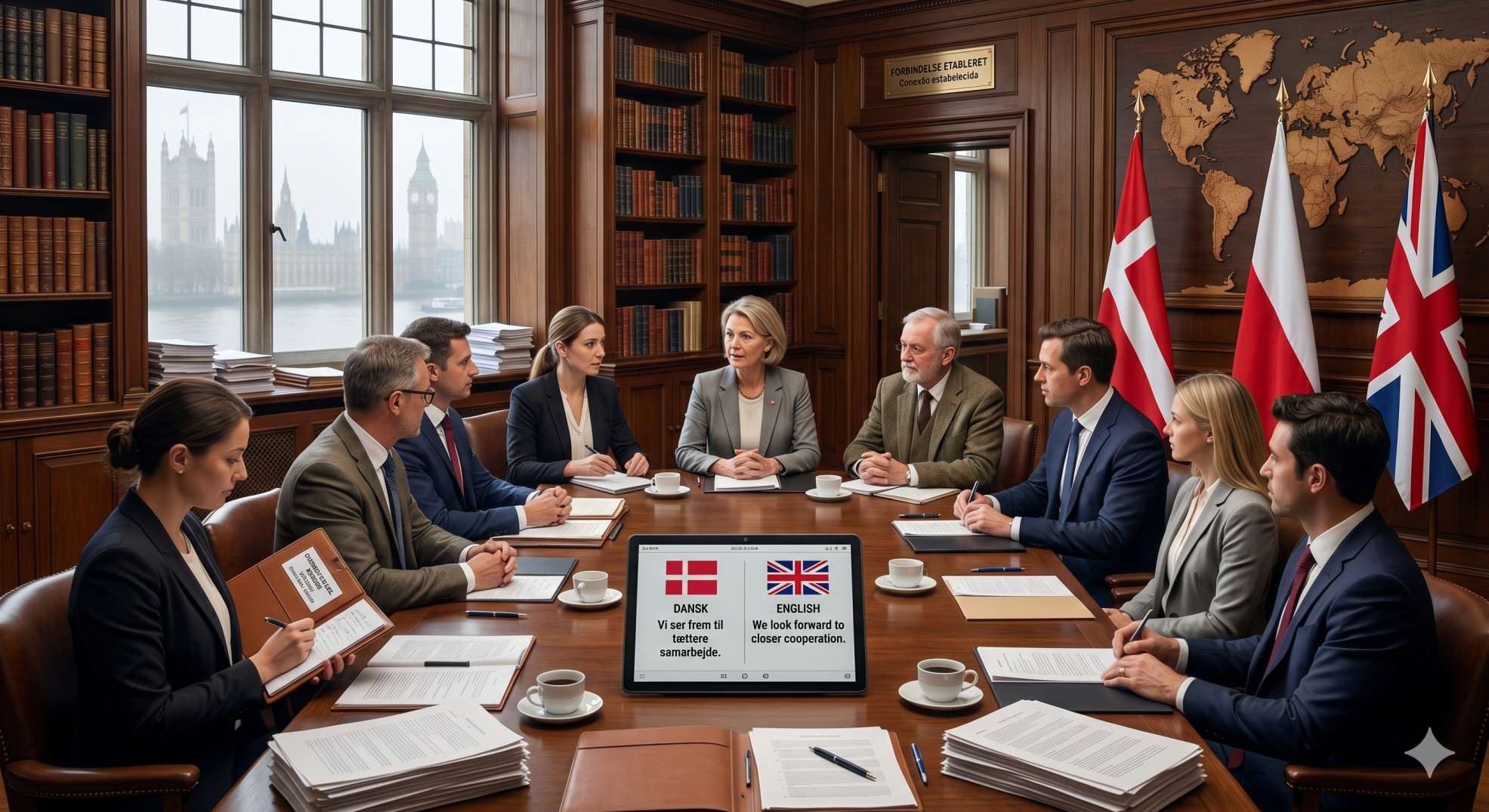

Securing a qualified Arabic interpreter in Worcester is paramount for effective communication across diverse sectors, from legal proceedings to critical healthcare interactions. Worcester, a city steeped in history and with a growing professional services landscape, requires linguistic support that is not only accurate but also culturally sensitive and compliant with stringent UK standards. This is particularly vital when engaging with public services such as the University Hospitals Birmingham NHS Foundation Trust, which may serve residents, or the Worcestershire Acute Hospitals NHS Trust, ensuring that all patients, regardless of their primary language, receive equitable and safe care. The demand for professional Arabic interpretation services in Worcester underscores the city’s connection to a globalised economy and its commitment to inclusivity within its local framework.
Translation vs Interpretation: Ensuring Clarity in Arabic Communication
While often used interchangeably, translation and interpretation are distinct linguistic disciplines, each requiring specialised skills and adherence to professional standards. Understanding this difference is crucial for corporate buyers, legal professionals, and healthcare providers seeking Arabic language support in Worcester. Interpretation involves the live, spoken rendering of one language into another. This can occur in real-time, such as in a courtroom or during a medical consultation, or with a slight delay. An Arabic interpreter in Worcester must possess not only fluency in both Arabic and English but also a deep understanding of the cultural nuances, idiomatic expressions, and subject-specific terminology relevant to the context. Professional bodies like the National Register of Public Service Interpreters (NRPSI) and the Chartered Institute of Linguists (CIOL) set rigorous standards for public service interpreters, ensuring competence and ethical conduct. Conversely, translation deals with the written word, converting documents, websites, or other textual materials from one language to another. A skilled Arabic translator in Worcester, often certified by bodies such as the International Association of Conference Interpreters (AIIC) or holding qualifications like the Diploma in Public Service Interpreting (DPSI), ensures that written communications maintain their original meaning, tone, and legal or technical accuracy. For businesses and institutions in Worcester, selecting the appropriate service—whether it’s an interpreter for a face-to-face meeting or a translator for a vital legal document—is the first step towards effective cross-cultural engagement.
Legal Defence, Immigration, and Courtroom Interpretation
The administration of justice within the United Kingdom relies heavily on the principle of fairness and equal access to legal representation. For individuals who speak Arabic, navigating the complexities of the UK legal system, including proceedings before His Majesty’s Courts and Tribunals Service (HMCTS), necessitates the support of highly qualified interpreters. These professionals are indispensable in ensuring that defendants, witnesses, and victims can fully understand proceedings and express themselves without impediment. The His Majesty’s Courts and Tribunals Service (HMCTS) mandates the use of accredited interpreters in many legal contexts to uphold the rule of law and Article 6 of the European Convention on Human Rights, which guarantees the right to a fair trial. Arabic interpreters working within this domain must be registered with bodies like the NRPSI or hold the DPSI qualification, demonstrating their proficiency and adherence to a strict code of ethics. This ensures confidentiality, impartiality, and accuracy, which are non-negotiable in legal settings. Immigration law, a significant area requiring specialised interpretation, involves interactions with the Home Office and the UK Visas and Immigration (UKVI) department, as well as hearings at the First-tier Immigration Tribunal. Arabic speakers seeking asylum, applying for visas, or facing deportation proceedings depend on interpreters to articulate their cases effectively. The accuracy provided by a professional interpreter is critical, as misinterpretations can have profound consequences on the outcome of these life-altering cases. Law firms in Worcester and across the UK that specialise in immigration, family law, or criminal defence must partner with reputable interpreting agencies or directly engage NRPSI-qualified interpreters to guarantee the integrity of their clients’ cases and comply with legal obligations. The Royal Courts of Justice, as the venue for the High Court, Court of Appeal, and the Supreme Court, also requires the highest calibre of interpreters for complex cases that may set legal precedents.
Healthcare and NHS Patient Safety
Patient safety and effective communication are cornerstones of the National Health Service (NHS) in the UK. For Arabic-speaking patients in Worcester, accessing healthcare services without linguistic barriers is a fundamental right, ensuring they receive appropriate diagnosis, treatment, and care. The Care Quality Commission (CQC), the independent regulator of health and social care services in England, emphasises the importance of effective communication in maintaining high standards of care. NHS trusts, including those serving Worcester such as the Worcestershire Acute Hospitals NHS Trust and potentially others within the wider region like University Hospitals Birmingham NHS Foundation Trust, are obligated to provide access to qualified interpreters for patients who do not speak English fluently. NHS England’s Language Access guidelines mandate that language support should be readily available and that staff should not rely on family members, especially children, to interpret during sensitive medical consultations. This is crucial for maintaining patient confidentiality and ensuring the accuracy of medical information exchanged. An Arabic interpreter in a clinical setting must not only be linguistically proficient but also possess an understanding of medical terminology and the sensitive nature of healthcare discussions. They must adhere to strict confidentiality protocols, in line with UK GDPR regulations, protecting patient data and privacy. The use of professional interpreters prevents potentially dangerous misunderstandings that could arise from relying on untrained individuals, thereby enhancing patient safety and improving health outcomes. For healthcare providers in Worcester, ensuring access to professional Arabic interpretation is a critical component of delivering equitable, high-quality care and meeting their statutory obligations.
Technical Interpretation Modalities
The effectiveness of an Arabic interpreter in Worcester is significantly influenced by the modality of interpretation employed, which must be tailored to the specific requirements of the situation. Several key modes exist, each suited to different environments and communication objectives. Simultaneous interpretation is perhaps the most demanding, requiring the interpreter to listen, comprehend, and render the spoken message into the target language with minimal delay, often while the speaker is still talking. This is typically performed using specialised equipment, such as booths and headsets, and is essential for large conferences, international meetings, or parliamentary sessions where real-time communication is critical. Consecutive interpretation involves the interpreter speaking after the original speaker has finished a segment of their speech. The interpreter takes notes and then delivers the message in the target language. This mode is suitable for smaller meetings, interviews, or legal depositions where the flow of conversation is less rapid and requires more detailed recall. Escort interpretation, also known as liaison interpretation, facilitates communication between two or more parties who speak different languages during informal settings, such as business negotiations, site visits, or social events. The interpreter acts as a bridge, ensuring smooth dialogue and cultural understanding. Finally, remote interpretation, including telephone interpreting (OPI) and video remote interpreting (VRI), has become increasingly prevalent, offering flexibility and cost-effectiveness. This modality allows clients in Worcester to access qualified Arabic interpreters regardless of geographical location, connecting them via phone or video conferencing platforms. Professional interpreters, whether working on-site or remotely, must maintain the highest standards of accuracy, impartiality, and confidentiality, as governed by professional bodies like the NRPSI and AIIC. Choosing the correct interpretation modality is vital for achieving the desired communication outcomes in any professional context.
Economic and Social Fabric of Worcester
Worcester, a city with a rich heritage and a dynamic present, benefits from a diverse economic and social landscape. The presence of skilled Arabic interpreters and translators is increasingly important in supporting the city’s growth and ensuring inclusivity for its Arabic-speaking residents and visitors. The city’s economic vitality is underpinned by several key sectors, each with its own linguistic needs.
Corporate and Industry
Worcester hosts a range of businesses, from established manufacturing firms to emerging tech companies and professional services. International trade and collaboration are becoming more common, necessitating clear communication with Arabic-speaking partners, clients, or employees. Whether it’s negotiating contracts, providing technical support, or conducting market research, professional Arabic interpretation and translation services are essential for businesses looking to expand their reach into Arabic-speaking markets or to better serve their local Arabic-speaking customer base. Adherence to UK business law and standards is paramount, and accurate communication ensures compliance and fosters strong commercial relationships.
Tourism
As a historic cathedral city, Worcester attracts tourists from around the globe. While English is the primary language of tourism, providing information and services in Arabic can significantly enhance the experience for Arabic-speaking visitors. This includes translated visitor guides, multilingual signage, and interpretation services for guided tours or at key attractions like the Worcester Cathedral or the Commandery. Facilitating easier communication can boost visitor numbers and contribute to the local tourism economy, aligning with the UK’s broader strategy to promote heritage tourism.
Legal Infrastructure
Worcester’s legal sector, like that in other UK cities, requires robust linguistic support. With the presence of local law firms and proximity to regional legal centres, there is a consistent need for Arabic interpreters and translators in matters related to civil litigation, criminal defence, family law, and immigration. Ensuring that Arabic-speaking individuals have full access to justice through qualified interpreters registered with bodies like the NRPSI is a critical function of the local legal infrastructure, upholding the principles of fairness mandated by HMCTS.
NHS Healthcare
The National Health Service (NHS) is a major employer and service provider in Worcester. The Worcestershire Acute Hospitals NHS Trust and associated primary care services serve a diverse population. Providing culturally competent and linguistically appropriate healthcare is a priority. Professional Arabic interpreters are vital for consultations, patient education, and ensuring that all patients, including those from Arabic-speaking backgrounds, receive safe and effective care, in line with CQC standards and NHS England’s Language Access policies.
Local Infrastructure and Transport
Worcester’s infrastructure plays a crucial role in its connectivity and the accessibility of its services. The city is served by a network of roads, including the M5 motorway, providing links to major UK cities. Public transport options include local bus services and rail connections operated by companies like Great Western Railway and West Midlands Railway, linking Worcester to London, Birmingham, and other key destinations. For businesses and individuals requiring Arabic interpretation services, the city’s transport links ensure that interpreters can reach various locations efficiently, whether for on-site assignments at corporate offices, legal chambers, or healthcare facilities. The availability of remote interpretation services further enhances accessibility, allowing for seamless communication regardless of physical location within Worcester or beyond. Understanding the local transport network is beneficial for planning interpretation assignments, ensuring timely arrival and efficient service delivery, thereby supporting the smooth functioning of the city’s professional and public services.
Conclusion
For any organisation or individual in Worcester requiring precise and professional linguistic support, engaging a qualified Arabic interpreter in Worcester is not merely a matter of convenience but a necessity for compliance, equity, and success. From the critical demands of the courtroom and immigration proceedings under HMCTS and the Home Office, to the life-saving interactions within the NHS trusts serving the city, and the nuanced requirements of international business, accuracy and cultural understanding are paramount. By partnering with accredited interpreters and translators, businesses, legal firms, and healthcare providers in Worcester can ensure that communication barriers are overcome, fostering trust, upholding legal and ethical standards, and ultimately contributing to a more inclusive and prosperous community. We are committed to providing expert Arabic interpretation services that meet the highest UK professional standards.