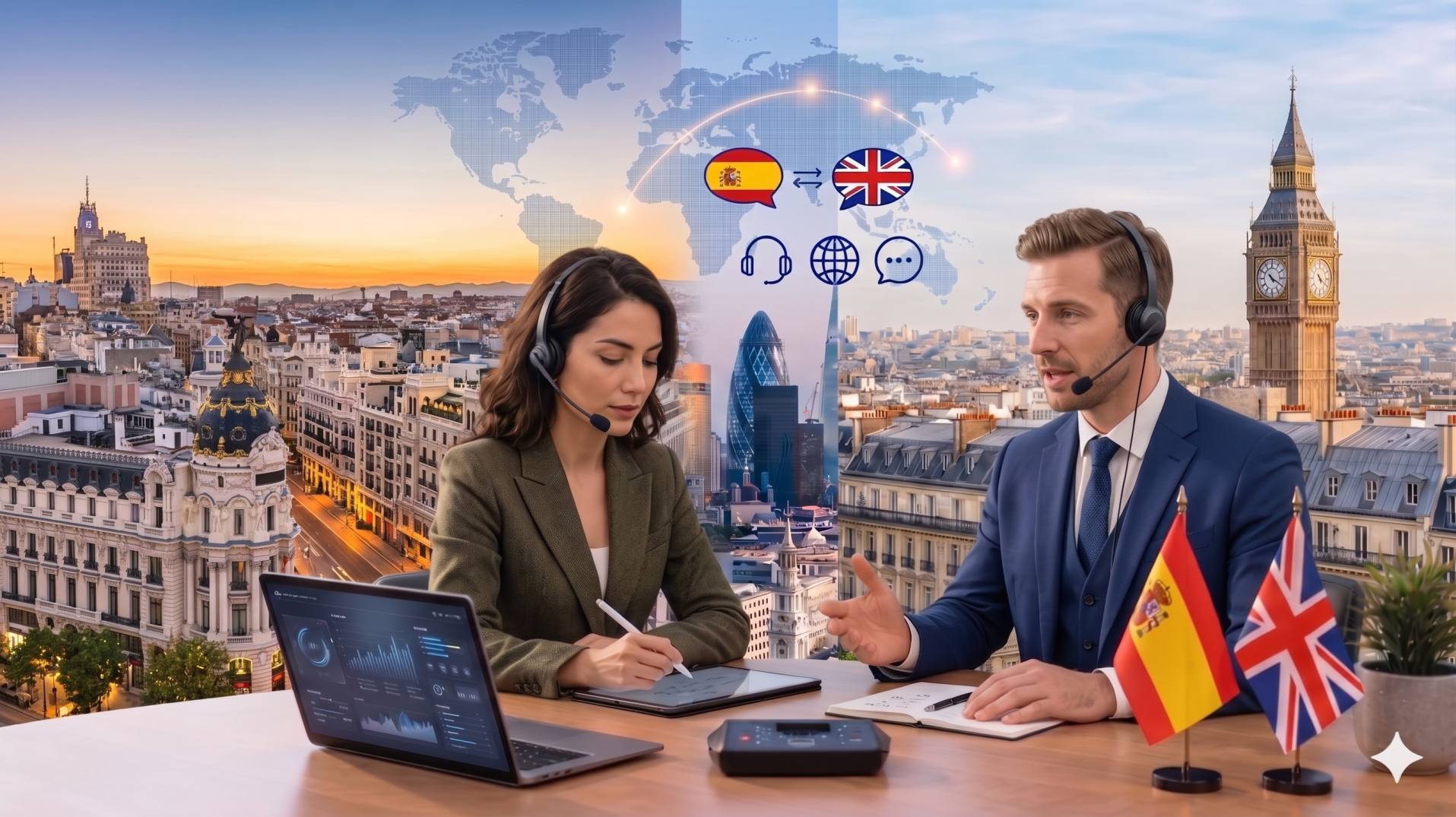
Securing a qualified Portuguese interpreter in Manchester is paramount for effective communication across a multitude of critical sectors within the UK. Manchester, a vibrant hub of commerce, culture, and public services, relies heavily on accurate language provision to ensure equitable access to justice, healthcare, and business opportunities for its diverse population. Whether engaging with the intricacies of His Majesty’s Courts and Tribunals Service (HMCTS), navigating the vital services provided by the NHS, such as those offered by Manchester University NHS Foundation Trust (https://www.mft.nhs.uk/) and Northern Care Alliance NHS Group (https://www.northerncare.org.uk/), or facilitating international business dealings, the need for professional linguistic support cannot be overstated. This page explores the essential role of Portuguese interpreters and translators in Manchester, highlighting their significance in upholding UK legal and medical standards, and contributing to the city’s dynamic economic landscape.
Translation vs Interpretation: Understanding the Nuances
While often used interchangeably, translation and interpretation are distinct linguistic disciplines, each requiring specialised skills and qualifications. A Portuguese interpreter in Manchester facilitates real-time spoken communication, bridging language barriers in live settings such as courtrooms, medical appointments, or business meetings. This requires not only fluency in both Portuguese and English but also an acute understanding of cultural nuances, idiomatic expressions, and the specific terminology pertinent to the context. Interpreters must possess exceptional listening skills, memory recall, and the ability to convey messages accurately and impartially, often under pressure. The professional standards for interpreters in the UK are rigorously maintained by bodies like the National Register of Public Service Interpreters (NRPSI) and the Diploma in Public Service Interpreting (DPSI), ensuring a high calibre of service delivery in sensitive public service environments. Conversely, a Portuguese translator works with written text, converting documents, reports, websites, and other materials from one language to another. This process allows for more time for research, editing, and proofreading, aiming for a polished and precise written output. The demand for a skilled Portuguese translator in Manchester is equally significant, particularly for legal firms handling documentation, businesses engaging in international trade, and academic institutions disseminating research. Both professions are vital, but their application and the skill sets required differ significantly, with interpreters focusing on the spoken word and translators on the written word.
Legal Defence, Immigration, and Courtroom Interpretation
The UK legal system, governed by principles of natural justice and fairness, mandates that all individuals, regardless of their linguistic background, have access to justice. For Portuguese speakers involved in legal proceedings in Manchester, this means access to qualified interpreters is not a luxury but a fundamental right. His Majesty’s Courts and Tribunals Service (HMCTS) operates under strict guidelines to ensure that all parties can understand proceedings and present their case effectively. This includes criminal trials, civil disputes, family law matters, and administrative hearings before various tribunals. A professional Portuguese interpreter plays a crucial role in ensuring the integrity of these proceedings. They must adhere to a strict code of conduct, maintaining confidentiality, impartiality, and accuracy, as stipulated by bodies like the NRPSI. The accuracy of interpretation in legal settings is critical; a misinterpretation can have profound consequences, affecting the outcome of a case, leading to wrongful convictions, or miscarriages of justice. This is why legal professionals, including solicitors and barristers operating in Manchester, often require interpreters who hold qualifications such as the DPSI or are registered with the NRPSI. Furthermore, the complexities of UK immigration law, overseen by the Home Office and UK Visas and Immigration (UKVI), necessitate clear communication. Portuguese nationals seeking to live, work, or study in the UK, or those facing deportation proceedings, will interact with the First-tier Immigration Tribunal and potentially higher courts. Professional interpreters facilitate these interactions, ensuring that applications, appeals, and hearings are understood by all parties. The Royal Courts of Justice in London, and indeed all courts and tribunals across the UK, rely on the availability of skilled interpreters to uphold the rule of law. The role of a Portuguese interpreter in Manchester’s legal landscape is therefore indispensable, underpinning the fairness and accessibility of the UK’s justice system.
Healthcare and NHS Patient Safety
Patient safety and effective communication are cornerstones of the National Health Service (NHS) in the UK. For Portuguese-speaking patients in Manchester, accessing healthcare services without a language barrier is essential for receiving appropriate diagnosis, treatment, and care. The NHS has established guidelines, in line with NHS England’s Language Access guidelines, to ensure that patients with limited English proficiency are provided with necessary interpretation and translation services. This is not only a matter of patient comfort but a critical component of clinical governance and patient safety, as mandated by the Care Quality Commission (CQC). Misunderstandings arising from language barriers can lead to medication errors, delayed diagnoses, incorrect treatment plans, and a general erosion of trust between patients and healthcare providers. Professional Portuguese interpreters working within Manchester’s NHS trusts, such as Manchester University NHS Foundation Trust and Northern Care Alliance NHS Group, are trained to handle sensitive medical information with the utmost confidentiality, adhering to UK GDPR regulations and professional codes of conduct. They facilitate consultations between doctors, nurses, and patients, interpret discharge summaries, and assist in obtaining informed consent for medical procedures. The availability of qualified interpreters ensures that Portuguese-speaking individuals can fully participate in their healthcare decisions, understand treatment options, and comply with medical advice. The use of untrained bilingual staff or family members as interpreters is strongly discouraged by the NHS due to the inherent risks of inaccuracy, bias, and breaches of confidentiality. Therefore, engaging professional Portuguese interpreters is a vital step for NHS trusts and private healthcare providers in Manchester to meet their legal and ethical obligations, ensuring equitable and safe healthcare for all.
Technical Interpretation Modalities
The effective delivery of interpretation services in Manchester relies on understanding and deploying various technical modalities, each suited to different communication scenarios. Simultaneous interpretation is perhaps the most demanding, where the interpreter conveys the message in Portuguese almost as soon as the speaker finishes a sentence in English, often requiring specialised equipment like soundproof booths and headsets. This is typically used in large conferences, international summits, or parliamentary sessions where seamless flow of information is critical. Consecutive interpretation, on the other hand, involves the interpreter listening to a segment of speech, understanding it, and then rendering it in Portuguese. This is common in smaller meetings, one-on-one discussions, or legal depositions where the pace can be more controlled. Escort interpretation, also known as liaison interpretation, facilitates communication between parties speaking different languages in informal settings, such as business negotiations, site visits, or social events. The interpreter acts as a cultural bridge, ensuring smooth interaction. In recent years, remote interpretation (also known as telephonic or video remote interpretation) has gained significant traction, especially in the UK’s public services. This modality allows for immediate access to interpreters via phone or video conferencing platforms, proving invaluable for urgent medical consultations, brief legal discussions, or customer service interactions when a face-to-face interpreter is not readily available or cost-effective. For a Portuguese interpreter in Manchester, proficiency in these different modes is essential. Whether providing simultaneous interpretation at a corporate event, consecutive interpretation for a solicitor’s client meeting, or facilitating a remote NHS consultation, the interpreter must adapt their skills to the specific requirements of the situation, ensuring clarity, accuracy, and cultural appropriateness.
Economic and Social Fabric of Manchester
Corporate and Industry
Manchester’s economy is robust and diverse, with thriving sectors in finance, technology, advanced manufacturing, and creative industries. For businesses operating in or looking to engage with this dynamic market, Portuguese language services are increasingly important. Companies seeking to expand into Portuguese-speaking markets (Portugal, Brazil, etc.) require accurate translation of marketing materials, contracts, and technical documentation. Conversely, Portuguese-speaking entrepreneurs and investors looking to establish a presence in Manchester need reliable interpretation for business meetings, negotiations, and networking events. The presence of a skilled Portuguese interpreter in Manchester facilitates these cross-border collaborations, fostering economic growth and innovation. Professional bodies like the Chartered Institute of Linguists (CIOL) promote high standards in business translation and interpretation, ensuring that commercial interactions are conducted with precision and cultural sensitivity.
Tourism
As a major tourist destination, Manchester attracts visitors from across the globe, including a significant number from Portuguese-speaking countries. The hospitality sector, including hotels, restaurants, attractions, and cultural institutions, benefits greatly from having access to Portuguese language services. This can range from translated visitor information and menus to on-site interpretation for tour guides or customer service staff. Enhancing the visitor experience for Portuguese speakers not only boosts the local tourism economy but also reinforces Manchester’s reputation as a welcoming and accessible city. Ensuring that key information is available in Portuguese contributes to a positive visitor experience, encouraging repeat visits and positive word-of-mouth referrals.
Legal Infrastructure
Manchester boasts a well-established legal sector, with numerous law firms, chambers, and legal support services. The city’s courts, including the Manchester Civil Justice Centre and the Manchester Crown Court, handle a significant caseload. For Portuguese-speaking individuals involved in legal matters, whether as defendants, plaintiffs, witnesses, or parties to civil disputes, access to qualified legal interpreters is non-negotiable. Law firms specialising in areas such as personal injury, immigration, and commercial law frequently require the services of a Portuguese interpreter in Manchester to ensure their clients fully understand proceedings and can effectively communicate their needs. The adherence to standards set by HMCTS and professional bodies like the NRPSI ensures that these services are delivered with the required professionalism and accuracy.
NHS Healthcare
The healthcare provision in Manchester is extensive, with multiple NHS trusts and private healthcare facilities serving a large population. As previously mentioned, the need for Portuguese interpretation within the NHS is critical for patient safety and equitable access to care. This includes general practitioners’ surgeries, hospital appointments, mental health services, and emergency care. The commitment of Manchester’s NHS trusts to providing language support, in line with national guidelines from NHS England and CQC, underscores the importance of professional interpreters in maintaining high standards of patient care for the Portuguese-speaking community.
Local Infrastructure and Transport
Manchester’s infrastructure plays a vital role in its connectivity and economic function. The city is served by a comprehensive transport network, including Manchester Airport (MAN), a major international gateway, and extensive rail and tram services operated by Transport for Greater Manchester (TfGM). For Portuguese-speaking business travellers, tourists, and residents, navigating this infrastructure can be challenging without language support. Interpretation services can be crucial for understanding travel information, booking tickets, and communicating with transport staff. Furthermore, as Manchester continues to develop, interpretation services are essential for public consultations regarding new infrastructure projects, ensuring that the views of all community members, including Portuguese speakers, are heard and considered. The availability of reliable Portuguese interpretation and translation services supports the smooth operation of these essential services and facilitates engagement with the wider community.
Conclusion
In conclusion, the demand for a professional Portuguese interpreter in Manchester is multifaceted and deeply integrated into the city’s economic, legal, and social fabric. From ensuring fair access to justice within HMCTS and the UK’s immigration system, to safeguarding patient well-being within the NHS trusts of Manchester, and facilitating seamless international business transactions, the role of skilled linguists is indispensable. Upholding the rigorous standards set by UK professional bodies like the NRPSI and CIOL, and adhering to the specific requirements of UK institutions, guarantees the accuracy, impartiality, and confidentiality essential in these critical fields. For any organisation or individual in Manchester requiring expert Portuguese interpretation or translation services, engaging qualified professionals is not merely a matter of convenience but a necessity for compliance, effective communication, and successful outcomes. Contacting a reputable agency or directly engaging certified interpreters ensures that the linguistic needs of the Portuguese-speaking community are met with the highest degree of professionalism and expertise.