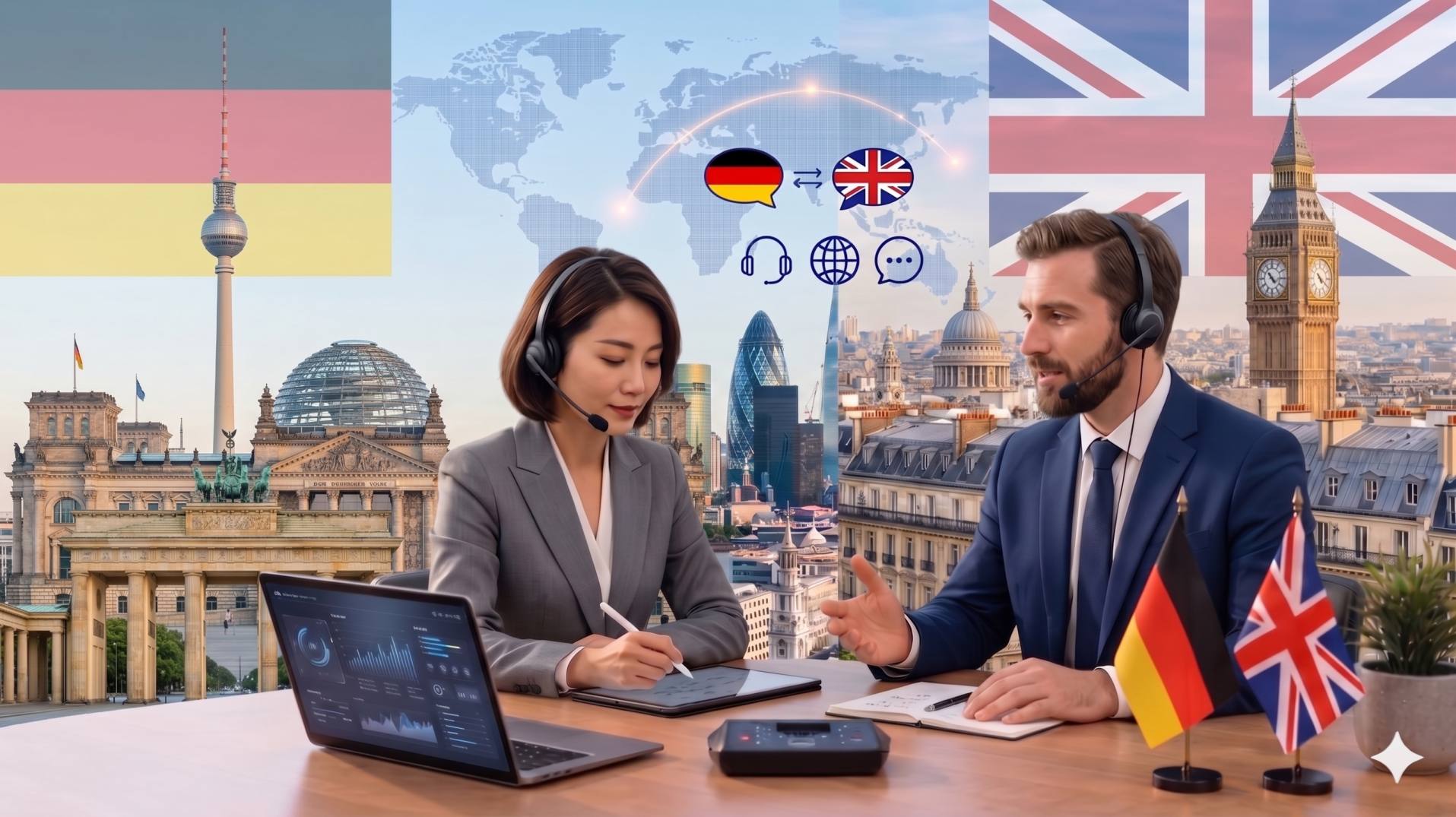
Securing a qualified Portuguese interpreter in Salford is paramount for effective communication across a multitude of critical sectors within the UK. Whether navigating the complexities of His Majesty’s Courts and Tribunals Service (HMCTS), ensuring patient safety within the National Health Service (NHS) via trusts such as Manchester University NHS Foundation Trust and Salford Royal NHS Foundation Trust, or facilitating business interactions, the need for precise and culturally sensitive interpretation cannot be overstated. This service is vital for individuals and organisations operating within Salford and the wider Greater Manchester region, ensuring that language barriers do not impede access to justice, healthcare, or economic opportunities. Our commitment is to provide highly skilled, vetted professionals who adhere to the strictest UK professional standards, guaranteeing accuracy and confidentiality.
Translation vs Interpretation
While often used interchangeably, translation and interpretation are distinct disciplines, each requiring unique skill sets and methodologies. Interpretation involves the live, oral conversion of spoken or signed language from one language to another. This is a dynamic process that demands not only linguistic proficiency but also cultural understanding, quick thinking, and the ability to convey nuance and tone accurately in real-time. A Portuguese translator in Salford, conversely, works with written text, converting documents, websites, or other written materials from Portuguese to English or vice versa. The meticulous nature of translation allows for greater deliberation, research, and revision, ensuring a polished and precise final product. However, for immediate communication needs, such as in legal proceedings, medical consultations, or business meetings, a professional interpreter is indispensable. The demand for a skilled Portuguese interpreter in Salford is driven by the city’s diverse population and its growing role as a hub for international business and public services. Both professions are governed by professional bodies in the UK, such as the Chartered Institute of Linguists (CIOL), which sets standards for professional conduct and competence.
Legal Defence, Immigration, and Courtroom Interpretation
The UK’s legal system is built on principles of fairness and equal access to justice. For individuals who do not speak English fluently, this principle can only be upheld through the provision of qualified interpreters. In Salford, as across the UK, legal proceedings within His Majesty’s Courts and Tribunals Service (HMCTS) mandate the presence of accredited interpreters when required. This includes criminal courts, civil courts, family courts, and tribunals. The Ministry of Justice, through HMCTS, oversees the provision of these vital services. Professional interpreters working in this domain must often hold qualifications recognised by bodies such as the National Register of Public Service Interpreters (NRPSI) or the Diploma in Public Service Interpreting (DPSI). These qualifications ensure a high standard of accuracy, impartiality, and adherence to a strict code of ethics. Immigration law is another area where expert interpretation is critical. Individuals navigating the complex application processes managed by the UK Visas and Immigration (UKVI), part of the Home Office, or appealing decisions at the First-tier Immigration Tribunal, rely heavily on interpreters to articulate their cases effectively. The accuracy of interpretation in these contexts can have profound implications for an individual’s right to remain in the UK. Furthermore, solicitors and barristers in Salford require interpreters for client consultations, police station interviews, and case preparation, ensuring that all parties understand the legal advice and proceedings fully. The Royal Courts of Justice, while a London institution, sets the precedent for judicial standards nationwide, underscoring the importance of professional interpretation in all UK courts.
Healthcare and NHS Patient Safety
Patient safety and equitable access to healthcare are cornerstones of the NHS. In Salford, the delivery of high-quality care to its diverse population, including Portuguese speakers, is facilitated by professional medical interpreters. The Care Quality Commission (CQC), the independent regulator of health and social care in England, emphasises effective communication as a key aspect of safe and high-quality care. NHS trusts serving Salford, such as Manchester University NHS Foundation Trust and Salford Royal NHS Foundation Trust, are committed to providing language support to ensure that all patients, regardless of their primary language, can understand their diagnosis, treatment options, and care plans. This is not merely a matter of convenience but a critical component of informed consent and patient autonomy, as mandated by NHS England’s Language Access guidelines and underpinned by UK law. Interpreters in healthcare settings must possess not only linguistic skills but also a deep understanding of medical terminology and the sensitive nature of health-related discussions. Adherence to confidentiality, as stipulated by UK GDPR, is paramount. Professional bodies like the NRPSI and CIOL provide frameworks for the training and accreditation of medical interpreters, ensuring they meet the rigorous standards expected within the NHS. Failure to provide adequate interpretation can lead to misdiagnosis, incorrect treatment, and adverse patient outcomes, highlighting the indispensable role of a qualified Portuguese interpreter in Salford within the healthcare ecosystem.
Technical Interpretation Modalities
The effectiveness of interpretation hinges on selecting the appropriate modality for the specific context. Several technical interpretation methods are employed in Salford and across the UK, each suited to different communication scenarios:
- Simultaneous Interpretation: This is the most demanding form, where the interpreter speaks almost concurrently with the source speaker, often using specialised equipment like booths and headsets. It is typically used in large conferences, international meetings, or parliamentary sessions where seamless, real-time communication is essential.
- Consecutive Interpretation: Here, the interpreter waits for the speaker to pause or finish a segment before rendering the message in the target language. This is common in smaller meetings, legal depositions, or medical consultations where direct interaction and clarity are prioritised over speed.
- Escort Interpretation (Liaison Interpretation): This involves facilitating communication between two or more parties who speak different languages in more informal settings, such as business negotiations, site visits, or social events. The interpreter acts as a bridge, ensuring smooth dialogue and understanding.
- Remote Interpretation (Video/Telephone Interpretation): With advancements in technology, remote interpretation has become increasingly prevalent. Using video conferencing or telephone lines, interpreters can provide services to clients anywhere, offering flexibility and cost-effectiveness, particularly for situations where an on-site interpreter is not feasible or necessary. This modality is increasingly used for routine medical appointments and customer service interactions, adhering to the same professional standards as in-person interpretation.
The choice of modality depends on factors such as the number of participants, the setting, the urgency of the communication, and the required level of formality. Professional interpreting agencies in the UK will advise clients on the most suitable method to ensure effective communication.
Economic and Social Fabric of Salford
Salford is a city undergoing significant regeneration and economic diversification, making it an increasingly important centre for business and public services in the North West. The presence of a skilled Portuguese-speaking workforce and the availability of professional interpretation services are crucial for its continued growth and integration.
Corporate and Industry
Salford’s economy is bolstered by a growing presence in sectors such as digital media, advanced manufacturing, and financial services. Companies operating in these fields, whether expanding into Portuguese-speaking markets or engaging with local Portuguese-speaking talent, benefit immensely from accurate interpretation and translation services. This facilitates smoother business negotiations, effective team collaboration, and successful market entry. The Salford City Council actively supports business growth, and access to multilingual communication services is a key enabler for local and international enterprises.
Tourism
With attractions like MediaCityUK and a rich industrial heritage, Salford attracts visitors from around the globe. While English is the primary language, providing information and services in multiple languages, including Portuguese, enhances the visitor experience and supports the local tourism economy. Interpreters can assist tour operators, hospitality businesses, and cultural institutions in engaging with Portuguese-speaking tourists, ensuring they have a welcoming and informative visit.
Legal Infrastructure
Salford’s legal sector, like that of Greater Manchester, is robust. Law firms and legal professionals frequently require the services of qualified Portuguese interpreters for a wide range of matters, from assisting clients with personal injury claims to handling complex commercial disputes. The efficient functioning of the local HMCTS courts and the Home Office’s presence in the region necessitate reliable interpretation to uphold justice for all residents.
NHS Healthcare
As previously detailed, the healthcare system in Salford, served by trusts like Salford Royal NHS Foundation Trust, is a major employer and service provider. Ensuring that Portuguese-speaking patients can fully access and understand healthcare services is a priority. Professional interpreters play a vital role in GP surgeries, hospitals, and community health centres, bridging communication gaps and contributing to better health outcomes for the Portuguese community in Salford.
Local Infrastructure and Transport
Salford boasts a well-developed infrastructure that supports its economic and social functions. Its strategic location within Greater Manchester provides excellent connectivity. The city is served by a comprehensive public transport network, including bus routes and tram services operated by Transport for Greater Manchester (TfGM), connecting residents and visitors to key areas within Salford, Manchester city centre, and beyond. Major road networks provide easy access for private vehicles and commercial transport. For international travel, Manchester Airport is conveniently located nearby, offering direct flights to numerous global destinations, including those in Portuguese-speaking countries. This connectivity is vital for businesses engaged in international trade and for individuals travelling for personal or professional reasons. The availability of reliable transport infrastructure, coupled with professional interpretation services, ensures that Salford remains an accessible and functional city for its diverse population and its international partners.
Conclusion
In conclusion, the need for a professional and accredited Portuguese interpreter in Salford is multifaceted, underpinning access to justice, effective healthcare, and successful business operations within this dynamic UK city. Adherence to UK professional standards, as upheld by bodies like the NRPSI, is non-negotiable for ensuring accuracy, confidentiality, and ethical conduct. Whether you are a legal firm requiring assistance with HMCTS proceedings, an NHS trust committed to patient-centred care, a business seeking to expand its reach, or an individual navigating essential public services, engaging a qualified interpreter is a critical investment. We provide expert Portuguese interpretation services tailored to the specific requirements of Salford’s corporate, legal, and public sectors, ensuring clear, precise, and culturally appropriate communication. Contact us today to discuss your interpretation needs and experience the difference that professional expertise makes.