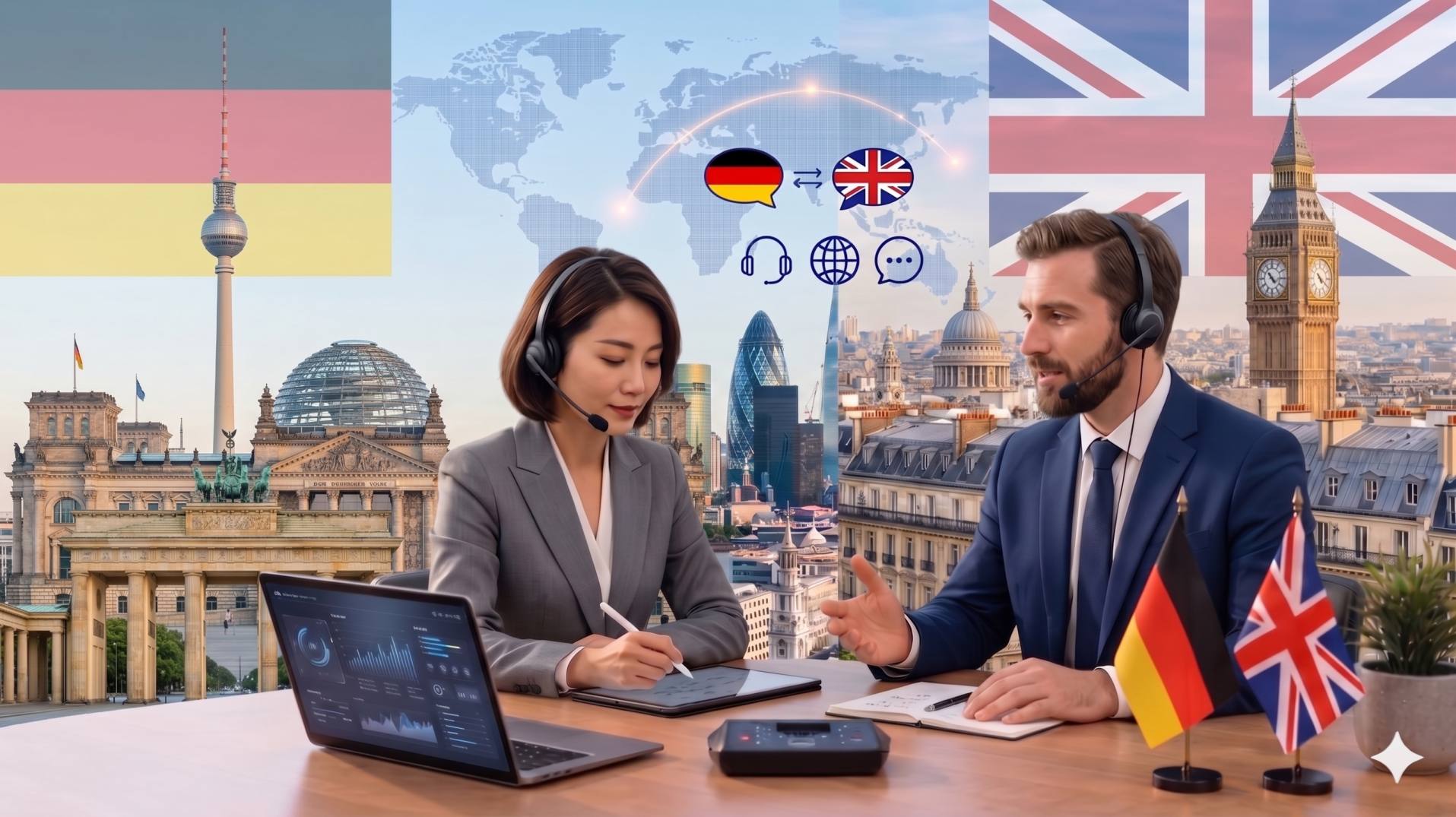
Securing a qualified Portuguese interpreter in Southwark is paramount for effective communication across a multitude of critical sectors within the UK. Southwark, a vibrant and economically significant borough in London, hosts a diverse population and a thriving business environment, necessitating seamless linguistic support. Whether engaging with His Majesty’s Courts and Tribunals Service (HMCTS) for legal proceedings, navigating the complexities of the National Health Service (NHS) with trusts like Guy’s and St Thomas’ NHS Foundation Trust or King’s College Hospital NHS Foundation Trust, or facilitating international business transactions, the need for accurate and culturally sensitive interpretation is undeniable. This service ensures that language barriers do not impede justice, patient care, or commercial success, upholding the high professional standards expected within the United Kingdom.
Translation vs Interpretation
While often used interchangeably, translation and interpretation are distinct disciplines, each requiring specialised skills and adherence to professional standards. Interpretation involves the live, oral conversion of spoken language from one tongue to another. This demands not only fluency but also an acute understanding of cultural nuances, immediate recall, and the ability to convey meaning accurately and instantaneously. A Portuguese translator in Southwark, conversely, works with written text, converting documents, websites, and other written materials. Both professions are vital, but the context of immediate, face-to-face or remote spoken communication in legal, medical, or business settings highlights the critical role of the interpreter. Professional bodies such as the National Register of Public Service Interpreters (NRPSI) and the Chartered Institute of Linguists (CIOL) set rigorous standards for both translators and interpreters, ensuring quality and ethical practice across the UK. For instance, in legal contexts, an interpreter must possess a deep understanding of legal terminology and procedures as defined by UK law and regulated by bodies like the Ministry of Justice. Similarly, in healthcare, adherence to NHS guidelines and UK GDPR is non-negotiable.
Legal Defence, Immigration, and Courtroom Interpretation
The administration of justice in the UK relies heavily on the principle of equal access to legal representation and fair trial. For individuals who speak Portuguese, this means access to qualified interpreters is not a luxury but a fundamental right. His Majesty’s Courts and Tribunals Service (HMCTS) mandates the provision of interpreters in criminal, civil, and family courts. A professional Portuguese interpreter working within this framework must be registered with a recognised body, such as the NRPSI, or hold a qualification like the Diploma in Public Service Interpreting (DPSI), ensuring they meet the stringent requirements for accuracy, impartiality, and confidentiality. This is crucial in cases heard before the Royal Courts of Justice or any local Magistrates’ or Crown Court. In immigration matters, the UK Visas and Immigration (UKVI) section of the Home Office, and the First-tier Immigration Tribunal, frequently require Portuguese interpretation. Accurate interpretation is vital during interviews, appeals, and asylum hearings, directly impacting the outcome of cases. Solicitors and barristers in Southwark rely on these interpreters to effectively represent their Portuguese-speaking clients, ensuring that all evidence and testimony are understood without distortion. The professional standards set by the NRPSI and the Professional Services Advisory Committee (PSAC) guide the conduct of interpreters in these high-stakes environments. Furthermore, the His Majesty’s Courts and Tribunals Service (HMCTS) operates under strict protocols to ensure that all parties, including witnesses and defendants, can participate fully in proceedings, irrespective of their language proficiency. This commitment to linguistic access underpins the fairness and integrity of the UK’s legal system.
Healthcare and NHS Patient Safety
Patient safety and effective healthcare delivery are cornerstones of the National Health Service (NHS) in the UK. For the Portuguese-speaking community in Southwark, accessing healthcare services without linguistic barriers is essential for receiving timely and appropriate treatment. The NHS is committed to providing equitable care, and this includes ensuring that patients can communicate their symptoms, understand diagnoses, and consent to treatment. Professional Portuguese interpreters play a critical role in NHS trusts, including those serving Southwark, such as Guy’s and St Thomas’ NHS Foundation Trust and King’s College Hospital NHS Foundation Trust. These interpreters must adhere to the strict confidentiality and impartiality standards mandated by the NHS and regulated by the Care Quality Commission (CQC). They must also be aware of and comply with NHS England’s Language Access guidelines and the principles of UK GDPR, ensuring that patient data is protected. Miscommunication in a healthcare setting can have severe consequences, leading to diagnostic errors, incorrect medication, or delayed treatment. Therefore, the engagement of qualified interpreters, often holding qualifications like the DPSI or being registered with the NRPSI, is crucial. These professionals are trained to handle sensitive medical terminology and understand the cultural context of health beliefs, facilitating a more effective patient-practitioner relationship. The NHS Business Services Authority also provides resources and guidance on language services to ensure consistency and quality across the service. The commitment to providing accessible healthcare for all residents, including the Portuguese-speaking population, is a testament to the inclusive nature of the UK’s healthcare system.
Technical Interpretation Modalities
The effective delivery of interpretation services in Southwark, particularly for professional clients, requires an understanding of various technical modalities. The choice of modality depends on the specific context, the number of participants, and the desired level of immediacy. Simultaneous interpretation is commonly used in conferences, large meetings, and parliamentary settings, where the interpreter conveys the message in the target language with minimal delay, often using specialised equipment like booths and headsets. This is ideal for situations where participants need to follow the proceedings in real-time. Consecutive interpretation is typically employed in smaller meetings, one-on-one discussions, or legal depositions. Here, the interpreter speaks after the source speaker has finished a segment of their speech, allowing for more detailed and nuanced communication. Escort interpretation, also known as liaison interpretation, facilitates communication between two or more parties who speak different languages in informal settings, such as business meetings, site visits, or social events. The interpreter acts as a bridge, ensuring smooth dialogue. In recent years, remote interpretation (also known as tele-interpretation or video remote interpretation – VRI) has gained significant traction. This modality leverages technology to connect interpreters with clients via phone or video conferencing platforms. It offers flexibility, cost-effectiveness, and rapid access to interpreters, proving invaluable for urgent consultations or when in-person interpreters are not readily available. Professional interpreters in Southwark are proficient in all these modalities, ensuring that clients receive the most appropriate and effective service for their specific needs, whether for a high-level corporate negotiation or a routine medical appointment. The International Association of Conference Interpreters (AIIC) provides global standards for simultaneous interpretation, which are reflected in the practices of UK-based professionals.
Economic and Social Fabric of Southwark
Southwark’s dynamic economic landscape and rich social tapestry necessitate robust linguistic support. As a borough with a significant international presence and a thriving professional services sector, Southwark benefits immensely from the availability of skilled Portuguese interpreters and translators. This linguistic infrastructure is crucial for fostering business growth, ensuring access to essential services, and promoting social cohesion.
Corporate and Industry
Southwark is home to numerous multinational corporations, financial institutions, and innovative tech companies. For these businesses, effective communication with Portuguese-speaking clients, partners, or employees is vital for international trade, contract negotiations, and market expansion into Portuguese-speaking economies. Professional interpretation services ensure that business dealings are conducted with clarity and precision, avoiding costly misunderstandings. The presence of a reliable Portuguese interpreter in Southwark supports the borough’s status as a global business hub, facilitating seamless cross-border commerce and investment. Professional bodies like the London Chamber of Commerce and Industry often highlight the importance of multilingual capabilities in today’s globalised marketplace.
Tourism
With iconic landmarks such as Shakespeare’s Globe, Borough Market, and Tate Modern, Southwark is a major tourist destination. Portuguese-speaking tourists contribute significantly to the local economy. Providing interpretation services, even in an informal capacity through multilingual signage or readily available interpreters at key attractions and hotels, enhances the visitor experience. This not only benefits the tourists but also reinforces Southwark’s reputation as a welcoming and accessible city for international visitors. The Visit London tourism board often promotes the city’s diverse appeal, and language services are a key component of that.
Legal Infrastructure
Southwark’s legal sector is robust, with many law firms and legal support services operating within the borough. The demand for Portuguese interpretation in legal settings, from initial client consultations to courtroom appearances before HMCTS, is substantial. Ensuring that Portuguese speakers have full access to justice through qualified interpreters is a fundamental aspect of the UK’s legal framework. The Law Society of England and Wales emphasises the importance of access to justice for all.
NHS Healthcare
As detailed previously, the healthcare sector in Southwark, served by major NHS trusts, relies heavily on professional interpreters to ensure patient safety and equitable access to medical services. The Portuguese-speaking population, like all communities, deserves and requires clear communication with healthcare providers to manage their health effectively. The NHS England‘s commitment to integrated care systems underscores the need for accessible communication across all health services.
Local Infrastructure and Transport
Southwark boasts excellent local infrastructure and transport links, making it an accessible and well-connected borough. Major transport hubs, including parts of London Bridge station and numerous bus routes, facilitate movement within and beyond the borough. This connectivity is vital for professional interpreters and their clients, enabling efficient travel to various locations for assignments. The presence of reliable public transport, managed by Transport for London (TfL), ensures that interpreters can reach courtrooms, hospitals, corporate offices, and other venues promptly. Furthermore, Southwark’s digital infrastructure is also well-developed, supporting the increasing demand for remote interpretation services. This combination of physical and digital connectivity underpins the efficient operation of professional language services within the borough, ensuring that the Portuguese-speaking community and businesses can access the support they need without delay.
Conclusion
In conclusion, the demand for professional and certified Portuguese interpreter in Southwark is multifaceted, spanning critical areas such as legal proceedings under HMCTS, vital healthcare services within the NHS, and the dynamic commercial landscape. Upholding the highest standards of accuracy, impartiality, and confidentiality is non-negotiable, as mandated by UK professional bodies like the NRPSI and CIOL. By engaging qualified interpreters, businesses, legal professionals, and healthcare providers in Southwark can ensure effective communication, uphold legal rights, guarantee patient safety, and foster stronger international relationships. If you require expert Portuguese interpretation services in Southwark or across the UK, seeking accredited professionals is the key to achieving your objectives with confidence and clarity.