Securing a qualified Punjabi interpreter in Barnet is paramount for effective communication across a multitude of professional sectors within the borough and the wider United Kingdom. The demand for accurate and culturally sensitive interpretation services is driven by Barnet’s diverse population and its integral role within the UK’s economic and legal frameworks. Whether engaging with His Majesty’s Courts and Tribunals Service (HMCTS), navigating the complexities of the National Health Service (NHS) with trusts such as the Royal Free London NHS Foundation Trust or the Whittington Health NHS Trust, or facilitating international business, the need for professional Punjabi language support is undeniable. This guide outlines the critical importance of accredited interpreters and translators, focusing on their role in upholding legal standards, ensuring patient safety, and fostering robust economic activity in Barnet.
Translation vs Interpretation
While often used interchangeably in casual conversation, translation and interpretation are distinct linguistic disciplines, each requiring specialised skills and qualifications. Understanding this difference is crucial when seeking language support, particularly for professional services in Barnet. Interpretation involves the real-time, oral conversion of spoken or signed language from one language to another. This requires immediate comprehension, accurate recall, and fluent delivery, often under pressure. A professional Punjabi interpreter in Barnet must possess not only linguistic proficiency but also a deep understanding of cultural nuances and the specific terminology relevant to the context, be it legal, medical, or commercial. Conversely, translation deals with the written word. A Punjabi translator in Barnet converts written documents, such as legal contracts, medical reports, or technical manuals, from one language to another. This process allows for more time for research, editing, and refinement to ensure accuracy and fidelity to the source text. Both services are vital, but their application differs significantly. For instance, a court hearing necessitates an interpreter, while a translated legal document for a business transaction requires a translator. Ensuring the correct service is engaged is the first step towards effective cross-cultural communication.
Legal Defence, Immigration, and Courtroom Interpretation
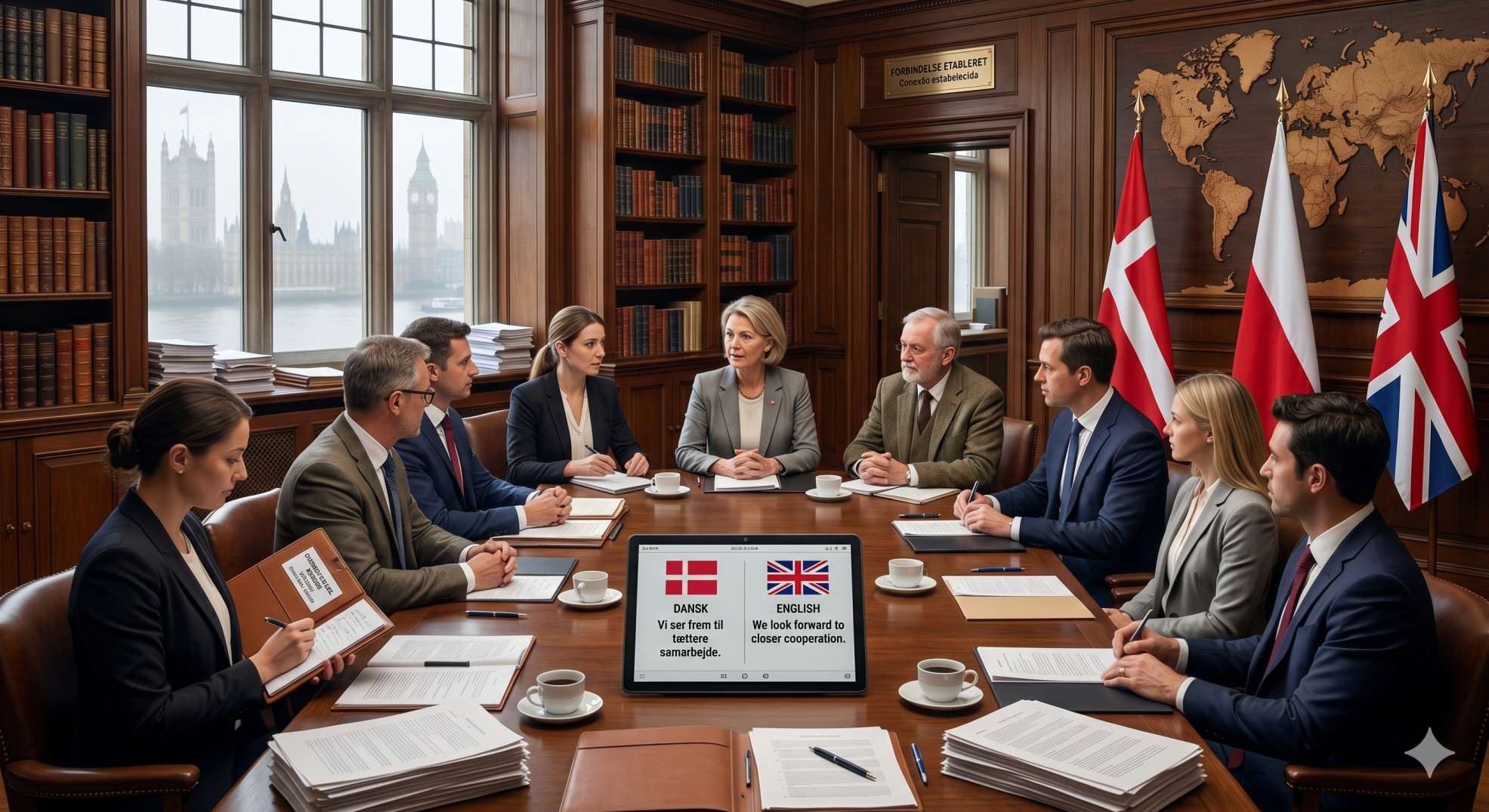
The administration of justice in the UK relies heavily on clear and accurate communication, especially in legal proceedings involving individuals who do not speak English as their first language. For the Punjabi-speaking community in Barnet, access to qualified legal interpreters is not merely a convenience but a fundamental right, ensuring fair trial and due process under UK law. His Majesty’s Courts and Tribunals Service (HMCTS) mandates the provision of interpreters for all court and tribunal hearings where a party or witness requires language assistance. These interpreters must adhere to strict professional standards, often requiring accreditation from bodies such as the National Register of Public Service Interpreters (NRPSI) or holding qualifications like the Diploma in Public Service Interpreting (DPSI). The accuracy of an interpreter in legal settings is critical; misinterpretations can lead to wrongful convictions, miscarriages of justice, or the inability to adequately present a defence. This is particularly relevant in immigration cases, where individuals may need to communicate with the Home Office, UK Visas and Immigration (UKVI), or present their case before the First-tier Immigration Tribunal. A professional Punjabi interpreter ensures that the nuances of testimony, legal arguments, and judicial instructions are conveyed precisely, safeguarding the rights of individuals and the integrity of the UK’s legal system. Law firms in Barnet and across the UK frequently engage Punjabi interpreters to represent clients in criminal defence, civil litigation, family law matters, and asylum claims, underscoring the indispensable role these professionals play in the legal infrastructure.
Healthcare and NHS Patient Safety
Patient safety and equitable access to healthcare are cornerstones of the National Health Service (NHS) in the UK. For Punjabi-speaking patients in Barnet, effective communication with healthcare professionals is essential for accurate diagnosis, treatment, and overall patient well-being. The NHS is committed to providing language support to ensure that all patients, regardless of their linguistic background, can understand their medical conditions, treatment options, and discharge instructions. This commitment is guided by NHS England’s Language Access guidelines and is crucial for compliance with UK data protection laws, including the UK General Data Protection Regulation (UK GDPR), which mandates the secure and accurate handling of personal health information. Professional Punjabi interpreters working within NHS trusts serving Barnet, such as the Royal Free London NHS Foundation Trust and the Whittington Health NHS Trust, play a vital role in bridging communication gaps. They facilitate consultations between doctors and patients, explain complex medical procedures, and ensure that consent for treatment is fully informed. The Care Quality Commission (CQC) also emphasises the importance of effective communication in its inspections, recognising that language barriers can significantly impact the quality and safety of care. Without qualified interpreters, patients may experience delayed diagnoses, incorrect treatments, or a lack of understanding regarding their health, leading to adverse outcomes. Therefore, engaging accredited Punjabi interpreters is not just a matter of patient comfort but a critical component of delivering safe, effective, and person-centred care within the NHS framework.
Technical Interpretation Modalities
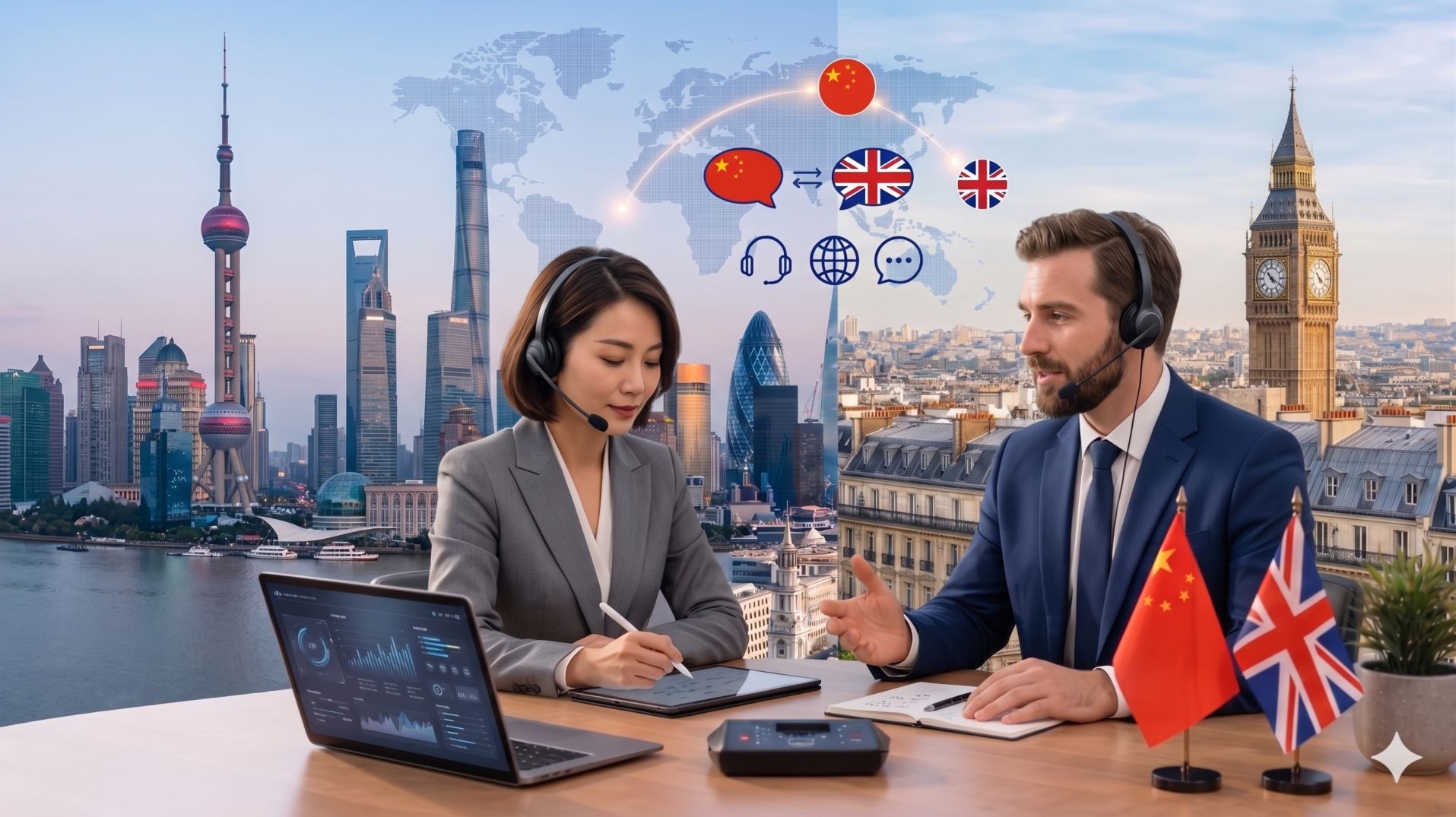
The effective delivery of Punjabi interpretation services in Barnet encompasses various modalities, each suited to different professional contexts and communication needs. Understanding these distinctions allows organisations to select the most appropriate form of interpretation for their specific requirements. Consecutive interpretation is commonly used in one-on-one meetings, doctor-patient consultations, or small group discussions. The interpreter listens to a segment of speech, then renders it into the target language while the speaker pauses. This method allows for a natural flow of conversation but can extend the duration of the interaction. Simultaneous interpretation is employed in larger settings such as conferences, seminars, or formal presentations. The interpreter, typically using specialised equipment like booths and headsets, listens to the speaker and interprets almost instantaneously, with only a few seconds’ delay. This is highly efficient for conveying information to large audiences in real-time. Escort interpretation, also known as liaison interpretation, is often used during business meetings, site visits, or social gatherings. The interpreter acts as a cultural and linguistic bridge, facilitating communication between parties who do not share a common language. This role often involves a degree of informal translation and cultural mediation. Finally, remote interpretation, facilitated by telephone (Video Remote Interpreting – VRI) or audio conferencing platforms, has become increasingly prevalent. This modality offers flexibility and cost-effectiveness, allowing access to interpreters regardless of geographical location. For businesses and public services in Barnet, choosing the right interpretation modality, supported by qualified professionals, is key to achieving clear, accurate, and efficient communication, whether in person or remotely.
Economic and Social Fabric of Barnet
Barnet, a large borough in North London, boasts a vibrant and diverse economic and social landscape. Its strategic location and robust infrastructure make it an attractive hub for businesses and a desirable place to live for a multicultural population, including a significant Punjabi-speaking community. The demand for professional language services, such as a Punjabi interpreter in Barnet, is intrinsically linked to the borough’s economic vitality and social cohesion.
Corporate and Industry
Barnet hosts a diverse range of businesses, from multinational corporations to small and medium-sized enterprises (SMEs), operating in sectors such as finance, technology, retail, and professional services. Many of these organisations engage with international markets or serve a multilingual customer base. For businesses looking to expand into markets where Punjabi is spoken, or to better serve their Punjabi-speaking clientele within Barnet, professional translation and interpretation services are indispensable. This includes facilitating international trade negotiations, marketing campaigns, customer support, and internal communications. The presence of a reliable Punjabi interpreter in Barnet ensures that businesses can operate effectively in a globalised economy, fostering stronger relationships and maximising commercial opportunities.
Tourism
While perhaps not a primary tourist destination in the same vein as central London, Barnet offers attractions and experiences that draw visitors from across the UK and abroad. For Punjabi-speaking tourists, having access to local information and services in their language can significantly enhance their experience. This could range from translated visitor guides and information at local attractions to interpretation services for guided tours or interactions with local businesses. Facilitating such communication contributes to a more welcoming environment and can indirectly support the local tourism economy.
Legal Infrastructure
Barnet is served by a network of legal professionals, including solicitors’ firms and access to His Majesty’s Courts and Tribunals Service (HMCTS) facilities. The borough’s diverse population means that legal practitioners frequently encounter clients who require Punjabi interpretation. This is crucial for everything from initial client consultations and advice to representation in various legal proceedings, including family law, civil disputes, and criminal matters. The availability of accredited Punjabi interpreters ensures that justice is accessible to all members of the community, reinforcing the UK’s commitment to equality and fairness within its legal system. Professional bodies like the NRPSI set the standards for such interpreters, ensuring competence and ethical conduct.
NHS Healthcare
As previously detailed, the NHS trusts serving Barnet, such as the Royal Free London NHS Foundation Trust and Whittington Health NHS Trust, cater to a significant Punjabi-speaking population. Ensuring effective communication between healthcare providers and patients is a critical aspect of healthcare delivery. Professional Punjabi interpreters are essential for consultations, obtaining informed consent, explaining treatment plans, and ensuring patient understanding, thereby directly contributing to better health outcomes and patient satisfaction within the borough.
Local Infrastructure and Transport
Barnet’s well-developed infrastructure, including its transport network, plays a vital role in its economic and social functioning. Excellent transport links, including the London Underground, Overground, and extensive bus services, connect Barnet to central London and surrounding areas, facilitating business, commuting, and access to services. This connectivity is crucial for the seamless operation of professional services, including the deployment of Punjabi interpreters across various locations within the borough and beyond. Whether attending a meeting at a corporate office in Finchley, a legal consultation in Hendon, or a medical appointment at a clinic in Edgware, reliable transport ensures that interpreters can reach their assignments promptly. Furthermore, the increasing adoption of remote interpretation technologies is supported by Barnet’s robust digital infrastructure, allowing for high-quality audio and video communication. This blend of physical and digital connectivity ensures that language support services are accessible and efficient, catering to the dynamic needs of Barnet’s diverse community and its professional sectors.
In conclusion, the need for a skilled and accredited Punjabi interpreter in Barnet is multifaceted, underpinning the effective functioning of the borough’s legal, healthcare, and commercial sectors. Engaging professional interpretation services ensures compliance with UK regulations, enhances patient safety within the NHS, facilitates access to justice through HMCTS, and supports economic growth by enabling clear communication in business dealings. For any organisation or individual requiring Punjabi language support in Barnet, seeking out NRPSI-accredited professionals or those with equivalent qualifications is the surest way to guarantee accuracy, confidentiality, and cultural sensitivity. Ensure your communication needs are met with the highest standards of professional integrity.