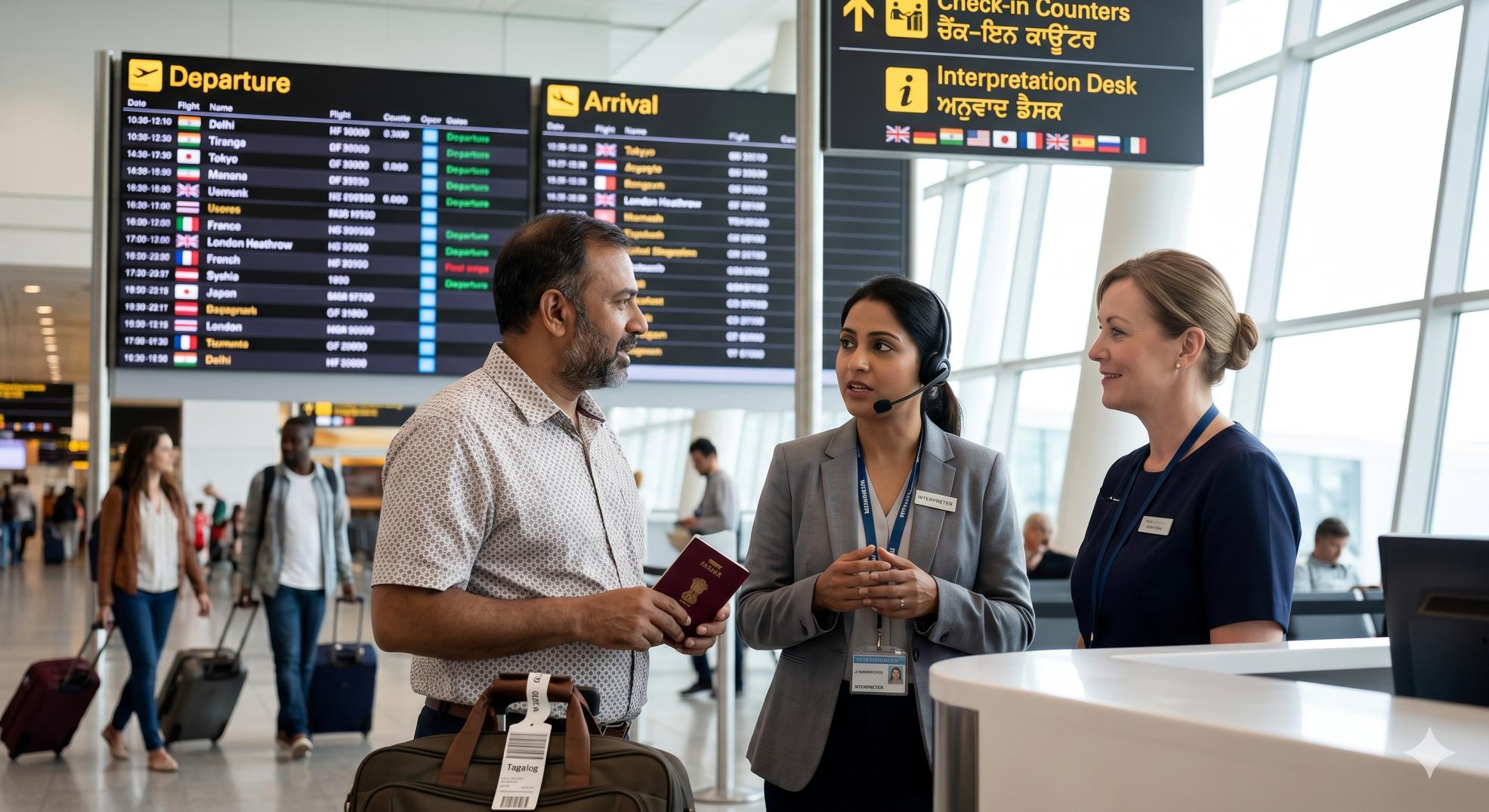
Securing a qualified Punjabi interpreter in Enfield is paramount for effective communication across diverse sectors, from legal proceedings and healthcare access to business negotiations and public services within the United Kingdom. Enfield, a borough rich in cultural diversity, relies heavily on professional language services to bridge communication gaps, ensuring that all residents, regardless of their primary language, can access essential services and participate fully in civic life. This is particularly critical when interacting with vital public bodies such as the Royal Free London NHS Foundation Trust, which serves parts of Enfield, and the Whittington Health NHS Trust, both integral to the local healthcare landscape. Professional interpreters ensure that sensitive information is conveyed accurately, upholding legal standards, patient safety, and the principles of natural justice. This document outlines the critical role of professional Punjabi interpretation and translation services in Enfield, focusing on their application within the UK’s legal, healthcare, and commercial frameworks.
Translation vs Interpretation
While often used interchangeably, translation and interpretation are distinct linguistic disciplines, each requiring specialised skills and qualifications. Interpretation involves the real-time, oral conversion of spoken language from one tongue to another. This can occur in various settings, including live court hearings, medical consultations, business meetings, and community events. A Punjabi interpreter in Enfield must possess not only fluency in both Punjabi and English but also a deep understanding of cultural nuances, legal terminology, and the specific context of the communication. They must be adept at conveying not just the words, but also the tone, intent, and cultural implications. This is crucial for accuracy and to prevent misunderstandings that could have significant consequences. For instance, in a legal context, a misinterpretation could lead to a wrongful conviction or an unfair judgment. In a medical setting, it could result in a misdiagnosis or incorrect treatment. Professional interpreters often hold qualifications recognised by UK bodies such as the National Register of Public Service Interpreters (NRPSI) or have achieved the Diploma in Public Service Interpreting (DPSI), demonstrating their competence in handling complex public service interactions.
Translation, conversely, deals with the written word. A Punjabi translator in Enfield will convert written documents, such as legal contracts, medical records, academic papers, or business correspondence, from Punjabi to English or vice versa. This process allows for more time to ensure accuracy, consistency, and appropriate style, often involving research into specialised terminology. While both roles require linguistic expertise, the demands of live interpretation, especially in high-stakes environments, are particularly intense. The ability to think on one’s feet, maintain impartiality, and adhere to strict ethical codes is fundamental for interpreters. Professional bodies like the Chartered Institute of Linguists (CIOL) and the International Association of Professional Translators and Interpreters (AIIC) set standards for both professions, ensuring quality and ethical practice within the UK.
Legal Defence, Immigration, and Courtroom Interpretation
The UK justice system is built on the principle of fairness and equal access to justice for all. For individuals who speak Punjabi, this principle is upheld through the provision of qualified interpreters in various legal settings. This includes interactions with the police, solicitors, barristers, and appearances before His Majesty’s Courts and Tribunals Service (HMCTS). The His Majesty’s Courts and Tribunals Service (HMCTS) mandates the use of accredited interpreters to ensure that defendants, witnesses, and victims can fully understand proceedings and express themselves clearly. This is vital in criminal trials, civil litigation, family law cases, and administrative hearings.
Immigration law is another area where Punjabi interpretation is indispensable. The UK Visas and Immigration (UKVI), part of the Home Office, handles applications for visas, asylum, and citizenship. Applicants often require interpreters for interviews, to understand complex application forms, and to present evidence effectively. Failure to provide adequate interpretation can lead to detrimental outcomes for individuals seeking to regularise their status in the UK. Solicitors specialising in immigration law in Enfield frequently engage professional Punjabi interpreters to assist their clients during consultations, document preparation, and appearances before the First-tier Immigration Tribunal. The NRPSI maintains a register of qualified public service interpreters, including those specialising in legal fields, ensuring that individuals can find interpreters who meet stringent professional standards. Adherence to the code of conduct set by the NRPSI is essential, guaranteeing impartiality, confidentiality, and accuracy.
Healthcare and NHS Patient Safety
Effective communication is the cornerstone of safe and effective healthcare. In Enfield, where a significant portion of the population speaks Punjabi, the need for professional Punjabi interpreters within the National Health Service (NHS) is critical. The Care Quality Commission (CQC), the independent regulator of health and social care services in England, emphasises the importance of clear communication in ensuring patient safety and dignity. Misunderstandings arising from language barriers can lead to serious medical errors, including incorrect diagnoses, inappropriate treatments, and adverse drug reactions. This is particularly concerning in emergency situations or when discussing complex medical conditions and treatment plans.
NHS trusts serving Enfield, such as the Royal Free London NHS Foundation Trust and Whittington Health NHS Trust, are committed to providing language support in line with NHS England’s Language Access guidelines. These guidelines stipulate that patients have the right to receive information in a format they can understand. Professional Punjabi interpreters facilitate consultations between patients and healthcare professionals, ensuring that patients can articulate their symptoms, understand medical advice, and provide informed consent for procedures. This also extends to mental health services, where sensitive communication is paramount. Compliance with UK GDPR is also essential, ensuring that patient confidentiality is maintained by interpreters.
Technical Interpretation Modalities
Professional Punjabi interpretation services in Enfield are offered across a spectrum of modalities, each suited to different communication contexts. Understanding these modalities is crucial for selecting the most appropriate service for a given situation:
- Consecutive Interpretation: This is perhaps the most common mode in one-on-one settings, such as doctor’s appointments or legal consultations. The interpreter listens to a segment of speech, then renders it into the target language. This allows for a natural flow of conversation, with pauses for interpretation.
- Simultaneous Interpretation: Utilised in larger settings like conferences, public meetings, or court hearings, simultaneous interpretation involves rendering the speech in the target language with minimal delay, often using specialised equipment such as booths and headsets. The interpreter speaks almost concurrently with the original speaker. This requires intense concentration and is typically performed by highly skilled professionals, often holding DPSI or NRPSI qualifications.
- Escort Interpretation (Liaison Interpretation): This mode is common in business meetings, site visits, or social gatherings. The interpreter acts as a facilitator, interpreting short segments of speech between parties, often moving with the client. It requires cultural mediation skills as well as linguistic proficiency.
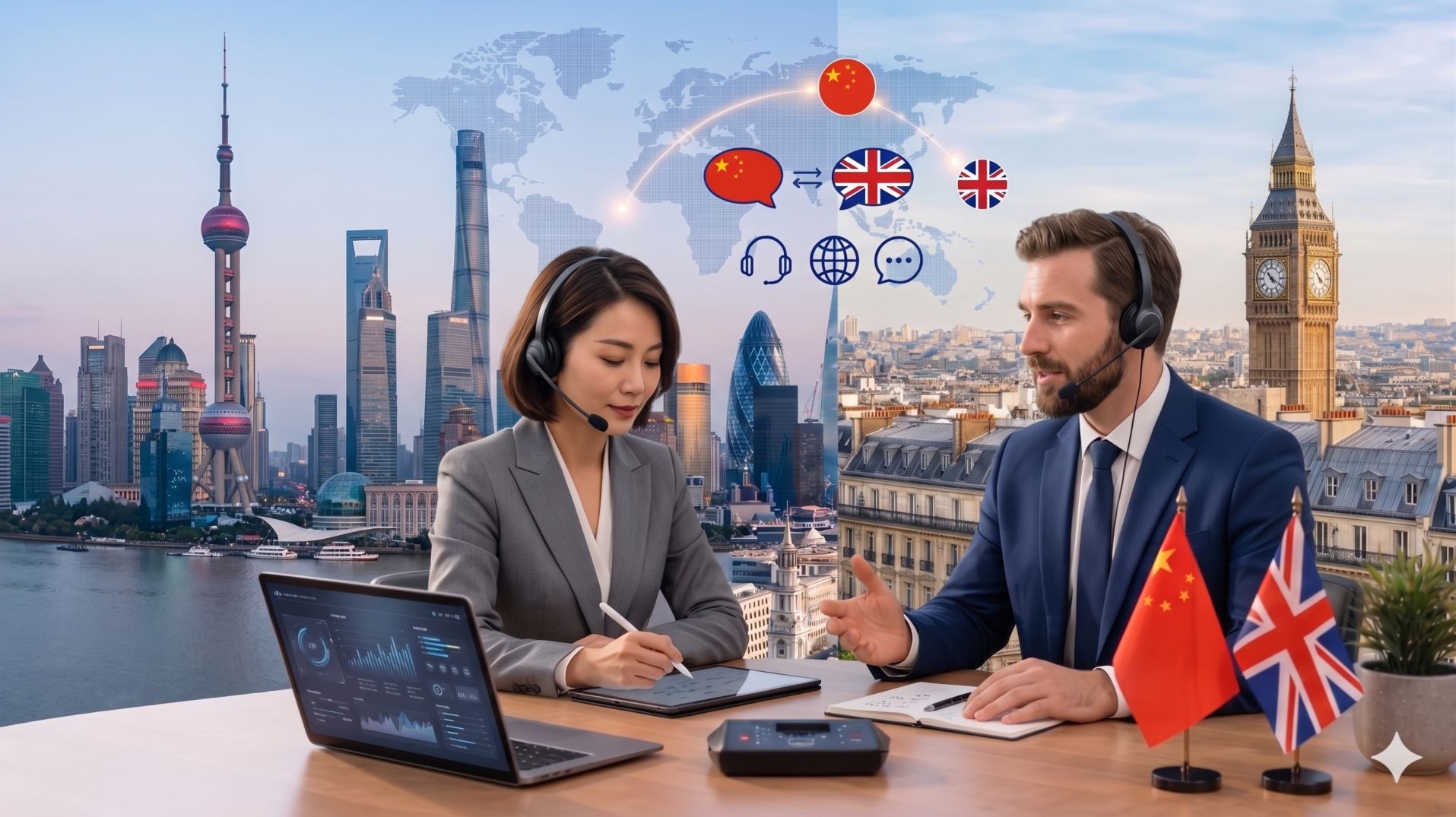
- Remote Interpretation (Video/Telephone): With advancements in technology, remote interpretation has become increasingly prevalent. This allows clients to access interpreters via telephone or video conferencing platforms. While convenient and often cost-effective, it requires careful consideration of audio quality and the complexity of the subject matter to ensure effectiveness. This modality is increasingly used for routine appointments and less complex legal or business discussions.
The choice of modality depends on factors such as the number of participants, the setting, the urgency, and the technical requirements. Professional interpreting agencies in the UK can advise on the best approach for specific needs, ensuring that the chosen method aligns with the required standards of accuracy and professionalism.
Economic and Social Fabric of Enfield
Enfield’s vibrant community is a microcosm of the UK’s multicultural society. The effective integration of its diverse population hinges on accessible communication, making professional language services a vital component of the borough’s infrastructure. The demand for Punjabi interpreters and translators is driven by the borough’s dynamic economic and social landscape.
Corporate/Industry
Enfield hosts a variety of businesses, from multinational corporations to local enterprises. For companies operating in or engaging with the Punjabi-speaking community, professional translation and interpretation services are essential for marketing, customer service, internal communications, and international trade. Accurate translation of marketing materials, websites, and product information ensures brand integrity and effective market penetration. Interpretation services facilitate business meetings, negotiations, and client interactions, fostering stronger commercial relationships. The ability to communicate effectively in Punjabi can provide a significant competitive advantage for businesses in Enfield looking to tap into this demographic.
Tourism
While not a primary tourist hub, Enfield attracts visitors for various reasons, including its historical sites and cultural events. For Punjabi-speaking tourists, access to information and services in their language enhances their experience. Local businesses, hotels, and cultural institutions can benefit from translated signage, brochures, and multilingual staff or interpretation services to cater to a wider audience. This inclusivity promotes a welcoming environment and supports the local tourism economy.
Legal Infrastructure
Enfield’s legal sector, like the rest of the UK, relies on the precise application of law and procedure. The presence of numerous law firms and access to HMCTS facilities necessitates a robust network of qualified legal interpreters. Punjabi interpreters are crucial for immigration solicitors assisting clients with visa applications and appeals, for criminal defence lawyers representing clients in police stations and courts, and for family law practitioners navigating sensitive domestic matters. The availability of NRPSI- or DPSI-qualified interpreters ensures that legal professionals can represent their Punjabi-speaking clients effectively and that the justice system remains accessible to all.
NHS Healthcare
As previously detailed, the healthcare sector in Enfield is a major consumer of Punjabi interpretation services. The diverse population served by NHS trusts like the Royal Free London and Whittington Health requires continuous access to interpreters to ensure equitable care. From GP surgeries and hospital wards to community health clinics and mental health services, professional interpreters play a critical role in patient safety, adherence to treatment, and the overall patient experience. The NHS’s commitment to providing language support underscores its dedication to serving all communities within its remit.
Local Infrastructure and Transport
Enfield benefits from a well-developed infrastructure that supports its diverse population and economic activity. The borough is served by a comprehensive transport network, including London Underground stations (Piccadilly Line), London Overground services, and numerous bus routes, managed by Transport for London (TfL). This connectivity facilitates access to essential services, employment, and educational institutions for residents, including those who rely on Punjabi interpreters. For businesses and public services, the transport links ensure that interpreters can reach their assignments efficiently. The local council, Enfield Council, plays a key role in managing local services and infrastructure, often requiring translation and interpretation to communicate effectively with its Punjabi-speaking residents regarding local planning, social services, and community initiatives.
Effective communication infrastructure, including the availability of professional language services, is as vital as physical transport links. It ensures that all residents can navigate the borough’s services, participate in civic life, and contribute to its economic prosperity. The integration of Punjabi language support into the fabric of Enfield’s public and private sectors is a testament to the UK’s commitment to diversity and inclusion.
Conclusion
In conclusion, the need for a professional Punjabi interpreter in Enfield is multifaceted, extending across critical sectors including legal, healthcare, and commerce. Ensuring access to qualified interpreters is not merely a matter of convenience but a fundamental requirement for upholding justice, patient safety, and equitable access to services within the United Kingdom. Whether navigating the complexities of His Majesty’s Courts and Tribunals Service, seeking medical care from local NHS trusts, or engaging in business, accurate communication facilitated by expert Punjabi interpreters is indispensable. For organisations and individuals in Enfield requiring reliable and certified Punjabi interpretation or translation services, engaging with accredited professionals is the surest way to guarantee clarity, accuracy, and adherence to the highest UK professional standards.