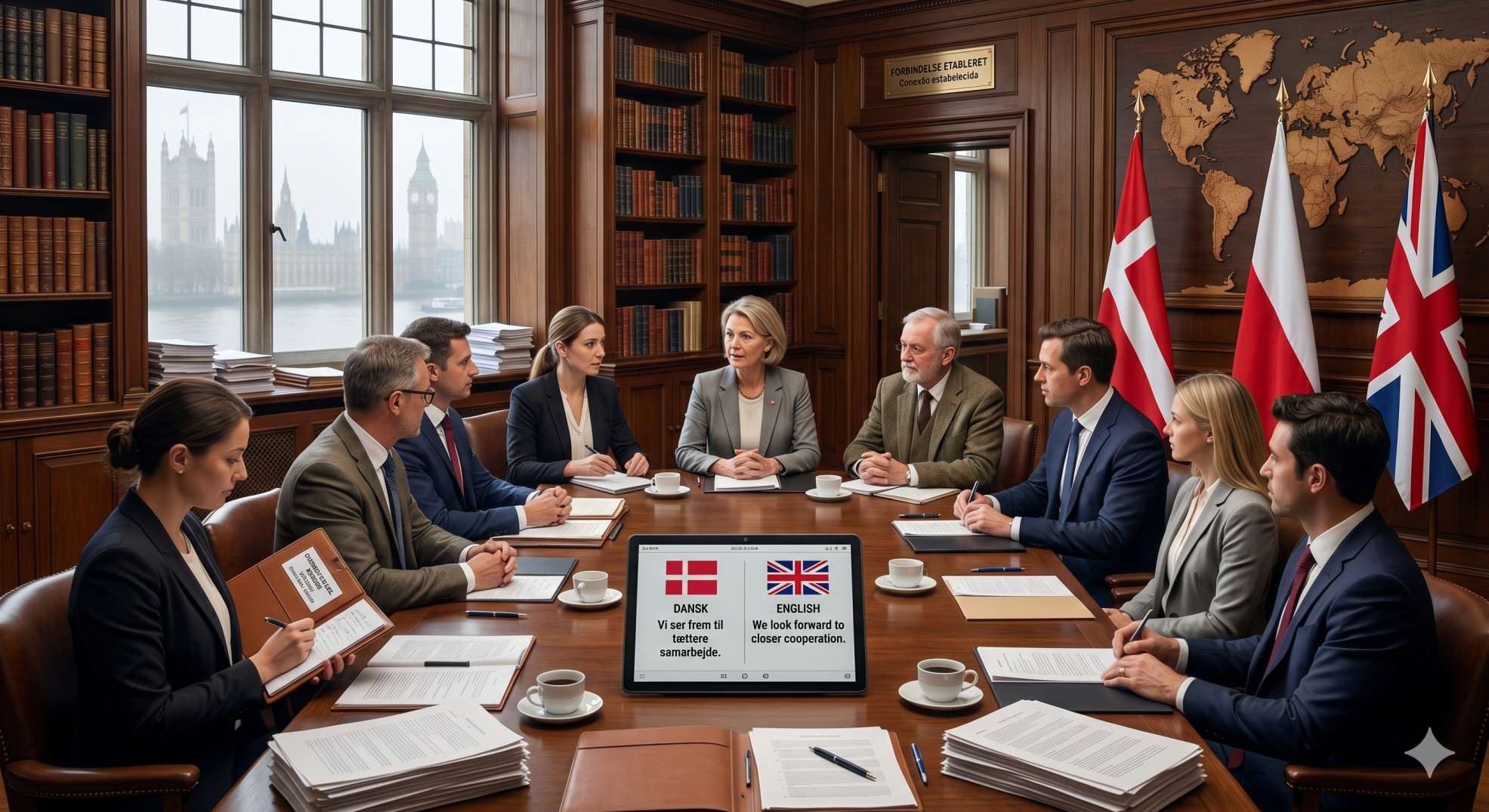
Securing a qualified Punjabi interpreter in Leeds is paramount for effective communication across vital sectors, from legal proceedings and healthcare to business and immigration. Leeds, a vibrant economic hub in West Yorkshire, relies heavily on its diverse population, making professional language services essential for ensuring accessibility and adherence to UK standards. Whether you are a legal professional requiring certified interpretation for His Majesty’s Courts and Tribunals Service (HMCTS) cases, a healthcare provider needing to communicate with patients under the Leeds Community Healthcare NHS Trust or Leeds Teaching Hospitals NHS Trust, or a business engaging with international clients, the need for accuracy and cultural nuance is non-negotiable. This guide explores the critical role of Punjabi interpreters and translators in Leeds, highlighting their importance within the UK’s legal, medical, and economic frameworks.
Translation vs Interpretation
While often used interchangeably, translation and interpretation are distinct disciplines requiring different skill sets and methodologies. A Punjabi translator in Leeds works with written text, converting documents, contracts, websites, and official papers from Punjabi to English or vice versa. This process demands meticulous attention to detail, an understanding of linguistic subtleties, and often, specialised knowledge of the subject matter, such as legal terminology or medical jargon. Translators typically work independently, using dictionaries, glossaries, and translation memory software to ensure consistency and accuracy. The output is a written document that has been reviewed and edited. In contrast, a Punjabi interpreter in Leeds facilitates spoken communication in real-time. Interpreters bridge language barriers during live interactions, such as court hearings, medical appointments, business meetings, or conferences. They must possess exceptional listening skills, a strong command of both languages, and the ability to convey meaning, tone, and intent accurately and instantaneously. Professional interpreters adhere to strict ethical codes, ensuring confidentiality and impartiality. For legal and medical settings in the UK, adherence to standards set by bodies like the National Register of Public Service Interpreters (NRPSI) is crucial for ensuring the quality and reliability of interpretation services. Understanding this distinction is the first step for any organisation in Leeds seeking appropriate language support.
Legal Defence, Immigration, and Courtroom Interpretation
The UK’s justice system is built on the principle of fairness and equal access to justice for all. For individuals who do not speak English as a first language, this principle can only be upheld through the provision of professional, qualified Punjabi interpreters. In Leeds, as across the UK, His Majesty’s Courts and Tribunals Service (HMCTS) mandates the use of accredited interpreters for all legal proceedings where a party’s understanding of the language is in question. This includes criminal trials, civil litigation, family court hearings, and tribunals. The HM Courts and Tribunals Service operates a rigorous system for vetting and booking interpreters, often requiring them to be registered with the NRPSI or hold equivalent qualifications such as the Diploma in Public Service Interpreting (DPSI). Failure to provide adequate interpretation can lead to miscarriages of justice, appeals, and significant delays, impacting the reputation and efficiency of legal firms and the courts themselves. Immigration law is another critical area where Punjabi interpretation is indispensable. Solicitors and barristers in Leeds representing clients before the First-tier Immigration Tribunal or dealing with applications to the Home Office’s UK Visas and Immigration (UKVI) rely on interpreters to ensure their clients fully understand the proceedings and can articulate their case effectively. The Home Office itself requires accurate interpretation during interviews and assessments. Professional bodies like the NRPSI and the DPSI set the benchmark for the qualifications and ethical conduct expected of public service interpreters, ensuring that individuals in Leeds and beyond receive the linguistic support necessary to navigate the complexities of the UK legal system.
Healthcare and NHS Patient Safety
Patient safety and effective care are cornerstones of the National Health Service (NHS) in the UK. In a diverse city like Leeds, ensuring that patients with limited English proficiency, including those who speak Punjabi, can fully understand their medical conditions, treatment options, and consent forms is a legal and ethical imperative. NHS trusts serving Leeds, such as Leeds Community Healthcare NHS Trust and Leeds Teaching Hospitals NHS Trust, are committed to providing accessible healthcare, which includes offering professional interpretation services. NHS England’s Language Access guidelines mandate that healthcare providers must ensure patients can communicate effectively with medical professionals. This is not merely about convenience; it is about clinical accuracy and patient well-being. Misunderstandings due to language barriers can lead to incorrect diagnoses, medication errors, non-compliance with treatment plans, and ultimately, adverse health outcomes. Qualified Punjabi interpreters play a vital role in GP surgeries, hospital wards, outpatient clinics, and mental health services across Leeds. They facilitate consultations, explain complex medical information, and ensure that patients can provide informed consent, all while adhering to the strict confidentiality requirements governed by UK data protection laws, including the UK General Data Protection Regulation (UK GDPR). The Care Quality Commission (CQC) also inspects healthcare providers on their ability to meet the diverse needs of their patients, including those requiring language support. Therefore, engaging certified Punjabi interpreters is essential for NHS trusts and private healthcare providers in Leeds to meet their statutory obligations and uphold the highest standards of patient care.
Technical Interpretation Modalities
The effective delivery of Punjabi interpretation services in Leeds depends on selecting the appropriate modality for the specific context. Different situations call for different approaches to ensure seamless communication. Consecutive interpretation is commonly used in one-on-one settings, such as medical consultations or legal interviews, where the interpreter listens to a segment of speech, waits for the speaker to finish, and then renders the message in the target language. This allows for a natural flow of conversation, with pauses for interpretation. Simultaneous interpretation is employed in more formal settings like conferences, large meetings, or court hearings where speed and efficiency are critical. Here, the interpreter speaks almost concurrently with the source speaker, often using specialised equipment such as soundproof booths and headsets. This requires a high degree of concentration and linguistic dexterity. Escort interpretation, also known as liaison interpretation, is used for informal settings or during tours and business visits, where the interpreter acts as a cultural bridge and facilitates communication between parties who may not share a common language. Finally, remote interpretation, facilitated by technology, has become increasingly prevalent. This includes Video Remote Interpreting (VRI) and Over-the-Phone Interpreting (OPI), allowing Punjabi interpreters to connect with clients in Leeds or elsewhere via phone or video link. While offering flexibility and cost-effectiveness, the suitability of remote interpretation depends on the complexity of the subject matter, the availability of technology, and the need for visual cues. Professional interpreting agencies in Leeds can advise on the most suitable modality to meet specific client requirements, ensuring accuracy and professionalism regardless of the setting.
Economic and Social Fabric of Leeds
Leeds is a dynamic and multifaceted city, with a thriving economy and a rich cultural tapestry. The presence of a significant Punjabi-speaking community, alongside a robust professional services sector, necessitates a strong infrastructure of language support. Professional Punjabi interpreters and translators are integral to the city’s continued growth and inclusivity.
Corporate/Industry
As a major financial and business centre in the North of England, Leeds attracts international investment and hosts numerous multinational corporations. Businesses operating in sectors such as finance, technology, manufacturing, and retail often require Punjabi language services for market research, client communication, international trade negotiations, and employee training. Accurate translation of marketing materials, contracts, and technical documentation ensures that businesses in Leeds can effectively engage with Punjabi-speaking markets and partners, fostering international collaboration and economic development. Professional bodies like the Chartered Institute of Linguists (CIOL) promote professional standards in this sector.
Tourism
Leeds boasts a rich history, vibrant arts scene, and numerous attractions, drawing visitors from across the globe. While English is the primary language of tourism, providing information and services in multiple languages, including Punjabi, can enhance the visitor experience for a segment of the population. This can involve translating visitor guides, website content, and signage, making the city more accessible and welcoming to Punjabi-speaking tourists. This contributes to the local economy by encouraging longer stays and greater engagement with cultural attractions.
Legal Infrastructure
Leeds has a well-established legal sector, with numerous law firms specialising in various areas of practice, including immigration, commercial law, and personal injury. The city is home to regional offices of national firms and a strong contingent of specialist boutiques. The presence of a significant Punjabi-speaking population means that legal professionals frequently require the services of qualified Punjabi interpreters and translators to represent clients effectively in matters before HMCTS, the First-tier Immigration Tribunal, and other legal forums. Adherence to the standards set by the NRPSI is critical for ensuring the integrity of legal processes.
NHS Healthcare
The National Health Service (NHS) in Leeds, comprising trusts like Leeds Community Healthcare NHS Trust and Leeds Teaching Hospitals NHS Trust, serves a diverse population. Ensuring equitable access to healthcare for Punjabi speakers is a priority. Professional interpretation services are essential for patient consultations, diagnostic procedures, and treatment explanations. This not only improves patient outcomes but also ensures compliance with Care Quality Commission (CQC) standards and NHS England’s Language Access policies. The NHS England Integrated Care System for Leeds, West Yorkshire, plays a role in coordinating these services.
Local Infrastructure and Transport
Leeds is a major transport hub in the North of England, with excellent connectivity via road, rail, and air. Leeds Bradford Airport serves numerous international destinations, and the city’s central railway station is a key stop on national rail networks, facilitating travel for business and personal reasons. The city also has a comprehensive public transport system, including buses and a developing trolleybus network. For businesses and individuals requiring Punjabi interpretation services, the city’s robust infrastructure ensures that interpreters can easily reach various locations, whether for on-site interpretation at corporate offices, legal chambers, hospitals, or other venues. The availability of reliable transport links also supports the growth of remote interpretation services, as clients can easily connect via video conferencing platforms from any location within the city or its environs. This seamless integration of language services with the city’s physical and digital infrastructure is vital for maintaining Leeds’s status as a leading professional services market.
In conclusion, the demand for a skilled Punjabi interpreter in Leeds is driven by the city’s diverse population and its role as a key economic and professional centre within the UK. From ensuring justice in the courts and safety in healthcare settings to facilitating international business and supporting community cohesion, professional language services are indispensable. Organisations in Leeds requiring these critical services should prioritise engaging interpreters and translators who are certified, adhere to UK professional standards, and understand the specific regulatory and cultural contexts of the United Kingdom. Ensuring access to qualified Punjabi language professionals is not just a matter of compliance; it is fundamental to effective communication, equitable access, and the overall prosperity of Leeds.
Additional Local Resources
- Leeds City Council
- Leeds Community Healthcare NHS Trust
- Leeds Teaching Hospitals NHS Trust
- His Majesty’s Courts and Tribunals Service (HMCTS)
- National Register of Public Service Interpreters (NRPSI)
- West Yorkshire Police
- West Yorkshire Fire and Rescue Service
- West Yorkshire Police and Crime Commissioner
- Leeds Beckett University
- University of Leeds
- Home Office
- NHS England