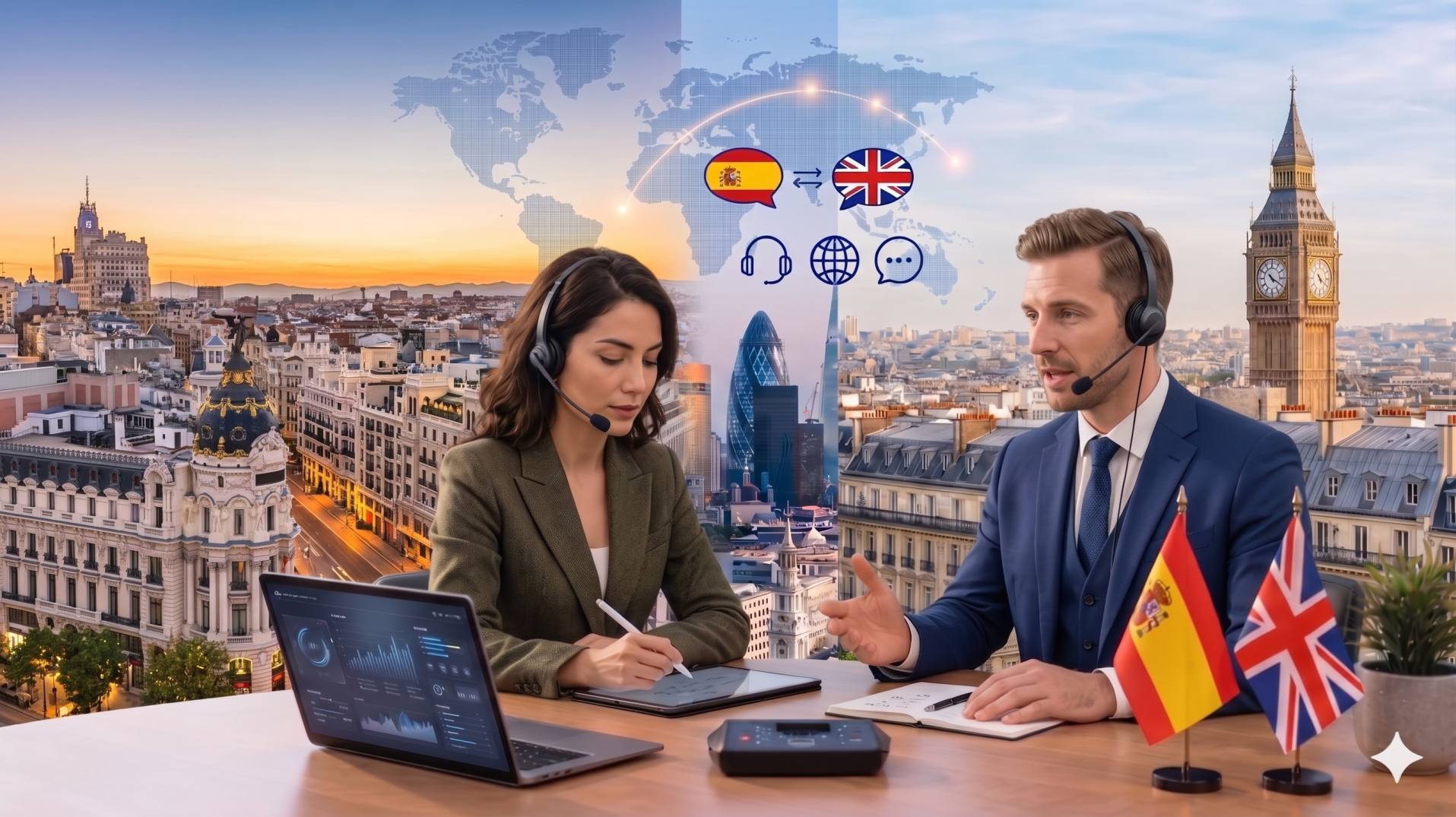
Securing a qualified Spanish interpreter in East Devon is paramount for effective communication across diverse sectors, from legal proceedings and healthcare appointments to business negotiations and public services. Ensuring accuracy, cultural nuance, and adherence to professional standards is critical, especially when dealing with sensitive matters governed by UK law and institutional protocols. This guide outlines the essential considerations for engaging professional Spanish interpretation services tailored to the specific needs of East Devon and its surrounding economic landscape, highlighting the importance of accredited professionals who understand the intricacies of the UK’s regulatory framework and public services. For residents and organisations in East Devon, accessing reliable interpretation is vital, particularly when interacting with key NHS trusts such as the Torbay and South Devon NHS Foundation Trust and the University Hospitals Plymouth NHS Trust, both of which serve significant portions of the region and are committed to providing accessible care to all patients, irrespective of their language background.
Translation vs Interpretation
While often used interchangeably, translation and interpretation are distinct linguistic disciplines, each requiring specialised skills and qualifications. Interpretation involves the real-time, oral conversion of spoken language from one language to another. This can occur simultaneously (interpreting as the speaker talks), consecutively (interpreting after the speaker pauses), or through whispered interpretation. A professional Spanish translator in East Devon, conversely, works with written text, converting documents, websites, or other written materials from Spanish to English or vice versa. The demand for both services is significant within East Devon. For instance, legal firms may require certified translations of case documents, while healthcare providers need immediate interpretation services during patient consultations. The accuracy and fidelity of both processes are crucial, particularly in legal and medical contexts where misunderstandings can have severe consequences. Professional bodies like the National Register of Public Service Interpreters (NRPSI) and the Chartered Institute of Linguists (CIOL) set rigorous standards for both translators and interpreters, ensuring that practitioners possess the necessary linguistic competence, ethical grounding, and understanding of UK professional contexts. Engaging a qualified Spanish translator in East Devon or a certified interpreter ensures compliance with these standards and facilitates clear communication.
Legal Defence, Immigration, and Courtroom Interpretation
The UK’s legal system mandates that all parties have access to justice, which includes the provision of qualified interpreters when language barriers exist. For individuals involved in proceedings before His Majesty’s Courts and Tribunals Service (HMCTS), the presence of a professional interpreter is not merely a convenience but a fundamental right. This applies to criminal trials, civil litigation, family law matters, and administrative hearings. Interpreters working in these environments must possess a deep understanding of legal terminology, courtroom etiquette, and the specific procedural rules of the UK justice system. Professional bodies like the NRPSI and the Diploma in Public Service Interpreting (DPSI) provide qualifications recognised by legal authorities. Interpreters accredited by these bodies adhere to a strict code of conduct, ensuring impartiality, confidentiality, and accuracy. This is particularly critical in immigration cases, where individuals interacting with UK Visas and Immigration (UKVI) at the Home Office, or appealing decisions at the First-tier Immigration Tribunal, rely heavily on accurate interpretation to present their case effectively. A failure to provide adequate interpretation can lead to miscarriages of justice. Law firms in East Devon and across the UK frequently require the services of specialised interpreters for client interviews, police station attendances, and court appearances. The Royal Courts of Justice and other judicial centres across the UK depend on a pool of highly skilled interpreters to facilitate proceedings, ensuring that justice is accessible to all, regardless of their primary language. The integrity of the legal process hinges on the precise communication facilitated by these professionals.
Healthcare and NHS Patient Safety
Patient safety and effective communication are cornerstones of the National Health Service (NHS). For Spanish-speaking patients in East Devon, accessing healthcare services requires the availability of competent interpreters to ensure they can fully understand diagnoses, treatment options, and medical advice, and to express their concerns accurately. The NHS has established guidelines, often informed by NHS England’s Language Access guidelines, to ensure that language barriers do not impede patient care. The Care Quality Commission (CQC) also scrutinises the accessibility and quality of care provided, including how effectively healthcare providers manage communication needs. Interpreters working within the NHS must not only be linguistically proficient but also understand medical terminology and the sensitive nature of healthcare interactions. They are bound by strict confidentiality agreements, underpinned by UK GDPR regulations, ensuring patient privacy is maintained. Professional interpreters often hold qualifications such as the DPSI or are registered with the NRPSI, demonstrating their competence in public service settings, including healthcare. For organisations like the Torbay and South Devon NHS Foundation Trust and University Hospitals Plymouth NHS Trust, engaging accredited interpreters is essential for providing equitable care. Remote interpretation services, facilitated by secure platforms, are also increasingly used to provide timely access to interpreters, especially for less common language needs or during emergencies. Ensuring that all patients, including those who speak Spanish, receive clear, accurate, and culturally sensitive communication is a fundamental aspect of delivering high-quality NHS care and upholding patient rights within the UK healthcare system.
Technical Interpretation Modalities
The effective delivery of interpretation services relies on selecting the appropriate modality to suit the specific context and requirements of the communication. For a Spanish interpreter in East Devon, understanding these modalities is key to providing seamless service. Simultaneous interpretation is used in formal settings such as conferences, large meetings, or parliamentary sessions, where the interpreter, often working from a soundproof booth with specialised equipment, translates the speaker’s words almost instantaneously. Consecutive interpretation is more common in smaller meetings, one-on-one discussions, or legal interviews, where the interpreter listens to a segment of speech, then renders it in the target language after the speaker has finished. This allows for more detailed and nuanced communication. Escort interpretation, also known as liaison interpretation, facilitates communication between parties speaking different languages in informal settings, such as business negotiations, site visits, or social events. The interpreter acts as a cultural bridge, ensuring smooth interaction. Increasingly, remote interpretation services are being utilised. This can include Video Remote Interpreting (VRI) or Over-the-Phone Interpreting (OPI), offering flexibility and rapid access to interpreters. These services are particularly valuable for situations where an on-site interpreter is not immediately available or practical, such as during out-of-hours medical consultations or for urgent legal advice. Regardless of the modality, the interpreter’s adherence to professional standards, including accuracy, impartiality, and confidentiality, remains paramount, ensuring that the integrity of the communication is preserved across all contexts, whether in a courtroom, a hospital ward, or a corporate boardroom.
Economic and Social Fabric of East Devon
East Devon, a region characterised by its stunning natural beauty and vibrant communities, possesses a diverse economic and social fabric that necessitates robust communication support. The presence of professional language services, including Spanish interpretation and translation, plays a crucial role in fostering economic growth, supporting community cohesion, and ensuring equitable access to essential services for its Spanish-speaking population.
Corporate and Industry
The economic landscape of East Devon includes a range of businesses, from agricultural enterprises and manufacturing firms to burgeoning tech startups and established service providers. For companies engaged in international trade, seeking to expand into Spanish-speaking markets, or employing a multilingual workforce, professional Spanish interpretation and translation are indispensable. This facilitates smoother business negotiations, effective marketing campaigns, and improved internal communications. Accurate translation of contracts, technical manuals, and marketing materials, alongside interpretation for meetings and client interactions, can significantly enhance a business’s competitive edge and operational efficiency within the UK market and beyond. Adherence to UK business standards and legal frameworks is crucial, and professional linguists ensure that all communications are culturally appropriate and legally sound.
Tourism
East Devon is a popular destination for both domestic and international tourists, drawn by its Jurassic Coast World Heritage Site, charming towns, and picturesque countryside. While English is the primary language, a growing number of visitors and residents speak Spanish. Providing multilingual information, signage, and customer service in Spanish can significantly enhance the visitor experience, boost local tourism revenue, and foster a more inclusive environment. Hotels, restaurants, visitor attractions, and local authorities can benefit from professional translation of promotional materials and interpretation services for international guests, ensuring that East Devon is welcoming and accessible to a wider range of visitors.
Legal Infrastructure
The legal infrastructure supporting East Devon, while perhaps not as concentrated as in major metropolitan areas, is vital for its residents and businesses. This includes local solicitors’ offices, legal aid services, and access to regional HMCTS facilities. Spanish-speaking individuals navigating the UK legal system, whether for civil disputes, family matters, or criminal proceedings, require the assistance of accredited interpreters. Ensuring access to qualified Spanish interpreters is essential for upholding the principles of justice and due process within the UK legal framework. Law firms and legal professionals in the area must be equipped to provide or source these services to meet their clients’ needs and comply with legal obligations.
NHS Healthcare
As previously highlighted, the NHS is a critical service provider in East Devon, serving a diverse population. The Torbay and South Devon NHS Foundation Trust and University Hospitals Plymouth NHS Trust, along with local GP practices and community health services, are committed to providing accessible healthcare. For Spanish-speaking patients, access to qualified interpreters is fundamental for receiving appropriate medical care, understanding health advice, and participating in treatment decisions. This commitment to language access is a key component of patient safety and equitable healthcare delivery within the NHS, aligning with national guidelines and regulatory requirements.
Local Infrastructure and Transport
East Devon benefits from a developing local infrastructure that supports its communities and economy. This includes road networks, public transport services, and digital connectivity, all of which are essential for residents and businesses. For individuals and organisations relying on Spanish interpretation and translation services, the accessibility of these linguistic resources is as important as physical infrastructure. Reliable communication channels, facilitated by professional interpreters and translators, ensure that all members of the community can engage with local services, participate in civic life, and access economic opportunities. Whether it’s understanding public transport information, accessing local government services, or participating in community events, professional language support ensures inclusivity. The integration of digital platforms for accessing interpretation services further enhances the reach and efficiency of communication support across the region, mirroring the advancements in other essential local services.
In conclusion, the need for a professional Spanish interpreter in East Devon is multifaceted, extending across legal, healthcare, corporate, and community spheres. Engaging accredited professionals who understand the specific regulatory and cultural landscape of the UK is not just a matter of convenience but a necessity for ensuring accuracy, fairness, and effective communication. Whether you require a Spanish interpreter in East Devon for court proceedings, medical appointments, business meetings, or any other public service interaction, prioritising qualified and certified linguists guarantees that communication barriers are overcome, fostering trust and facilitating successful outcomes within the UK context. Contacting a reputable agency or directly engaging with NRPSI-registered interpreters ensures the highest standards of service.