Securing a qualified Spanish interpreter in Torfaen is paramount for effective communication across diverse sectors, from legal proceedings and healthcare consultations to business negotiations and public services. In a region like Torfaen, where the economic landscape is evolving and the need for clear, accurate language services is ever-present, professional interpreters bridge critical communication gaps. This is particularly vital when engaging with UK institutions, adhering to UK law, and ensuring patient safety within the National Health Service (NHS). For residents and businesses in Torfaen, accessing reliable Spanish interpretation ensures that language barriers do not impede access to justice, healthcare, or economic opportunities. The NHS in Torfaen is served by trusts such as Aneurin Bevan University Health Board and other regional providers, all of whom are committed to providing accessible services, including vital language support for non-English speakers.
Translation vs Interpretation: Ensuring Clarity for Spanish Speakers
While often used interchangeably, translation and interpretation are distinct linguistic disciplines, each requiring specialised skills and adherence to professional standards. A Spanish translator in Torfaen works with written text, converting documents, websites, and other materials from Spanish to English or vice versa. This process demands meticulous attention to detail, an understanding of cultural nuances, and the ability to maintain the original text’s tone and intent. Conversely, a Spanish interpreter in Torfaen facilitates spoken communication in real-time. This involves listening to a speaker in one language and rendering the message accurately and fluently in another. The interpreter must possess not only linguistic proficiency but also cultural awareness, impartiality, and the ability to convey complex information under pressure. For legal and medical settings in the UK, the distinction is critical. Legal documents require precise translation, while courtroom or hospital consultations necessitate skilled interpretation to ensure understanding and prevent miscommunication. Professional bodies like the Chartered Institute of Linguists (CIOL) and the National Register of Public Service Interpreters (NRPSI) set the standards for both professions, ensuring that practitioners are qualified and adhere to strict ethical codes. For corporate buyers and public sector organisations in Torfaen, understanding this difference is the first step in procuring the appropriate language service to meet their specific needs, whether it’s translating a contract or interpreting a patient’s medical history.
Legal Defence, Immigration, and Courtroom Interpretation in the UK
The UK’s legal system, governed by His Majesty’s Courts and Tribunals Service (HMCTS), places a strong emphasis on fairness and access to justice for all, regardless of their linguistic background. For Spanish-speaking individuals involved in legal matters in Torfaen or elsewhere in the UK, the availability of qualified interpreters is not merely a convenience but a fundamental right. This applies to all stages of the legal process, from initial police interviews and consultations with solicitors to appearances before magistrates, Crown Courts, and specialised tribunals. The Home Office and UK Visas and Immigration (UKVI) also rely heavily on accurate interpretation during application processes and interviews. Professional interpreters must be registered with bodies like the NRPSI or hold qualifications such as the Diploma in Public Service Interpreting (DPSI), ensuring they meet rigorous standards of competence and ethical conduct. These interpreters are trained to handle sensitive legal terminology, maintain strict confidentiality, and remain impartial, which is crucial in proceedings before the First-tier Immigration Tribunal or any of His Majesty’s Courts and Tribunals Service (HMCTS) venues. Failure to provide adequate interpretation can lead to miscarriages of justice, making the role of a skilled Spanish interpreter in Torfaen indispensable for legal professionals and their clients. Law firms and legal aid agencies across the UK recognise the importance of engaging NRPSI-qualified interpreters to uphold client rights and ensure the integrity of legal proceedings. The Royal Courts of Justice, as the UK’s senior court, also demands the highest standards of linguistic support for international cases and diverse populations.
Healthcare and NHS Patient Safety: The Role of Spanish Interpreters
Patient safety and effective communication are cornerstones of the National Health Service (NHS) in the UK. For Spanish-speaking patients in Torfaen, accessing healthcare services without language barriers is essential for receiving accurate diagnoses, understanding treatment plans, and providing informed consent. The NHS, guided by NHS England’s Language Access guidelines and the principles of UK GDPR, mandates that healthcare providers ensure appropriate language support is available. This includes providing qualified interpreters for consultations, medical examinations, and hospital stays. The Care Quality Commission (CQC) inspects healthcare services to ensure they meet standards of safety and effectiveness, which includes the provision of accessible communication. For Spanish-speaking patients interacting with NHS trusts serving Torfaen, such as Aneurin Bevan University Health Board, the presence of a professional interpreter ensures that medical information is conveyed accurately, reducing the risk of medical errors. Interpreters working within the NHS must not only be linguistically proficient but also understand medical terminology and ethical considerations, such as patient confidentiality. The NHS Wales framework emphasizes equitable access to care, and this extends to ensuring that language is not a barrier. Professional bodies like the NRPSI and CIOL provide pathways for interpreters to gain qualifications specifically for the healthcare sector, ensuring they are equipped to handle the complexities of medical communication. A qualified Spanish interpreter in Torfaen plays a vital role in upholding patient rights and ensuring the delivery of high-quality, safe healthcare for all members of the community.
Technical Interpretation Modalities: Simultaneous, Consecutive, and Escort
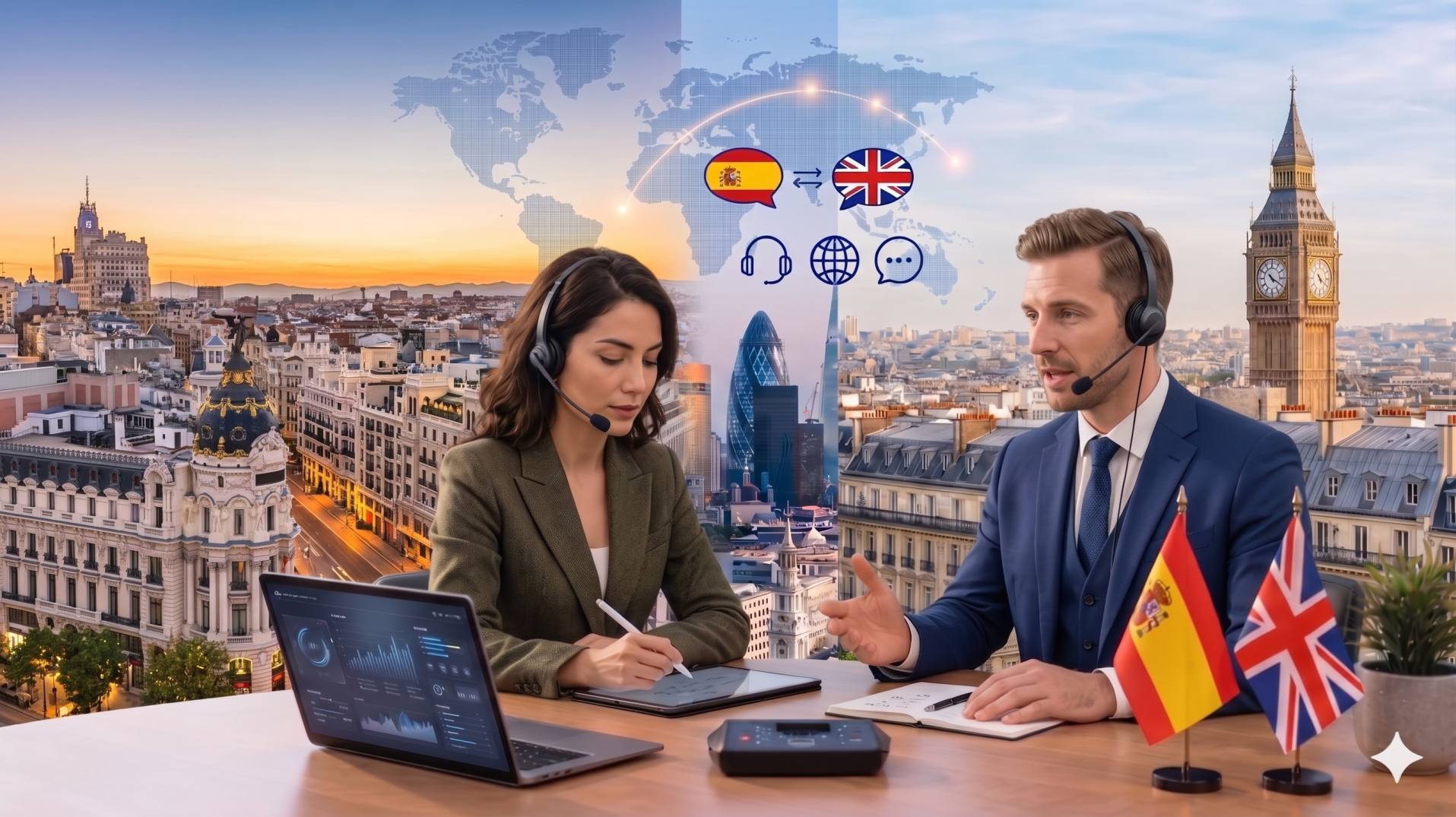
The effectiveness of interpretation hinges on selecting the appropriate modality for the specific context. For a Spanish interpreter in Torfaen, understanding these modalities is crucial for delivering optimal communication solutions. Simultaneous interpretation is typically used in conferences, large meetings, or parliamentary settings where speakers talk continuously, and the interpreter renders the speech with minimal delay, often using specialised equipment like soundproof booths and headsets. This requires intense concentration and rapid cognitive processing. Consecutive interpretation is employed in smaller settings, such as legal depositions, medical consultations, or one-on-one business meetings. Here, the interpreter listens to a segment of speech, pauses, and then relays the message in the target language. This allows for more detailed note-taking and a slightly slower pace, ensuring accuracy. Escort interpretation (also known as liaison interpretation) is more informal and facilitates communication in social settings, business tours, or during travel. The interpreter acts as a cultural bridge, helping individuals navigate conversations and understand social cues. In recent years, remote interpretation has gained prominence, allowing interpreters to connect with clients via phone or video conferencing platforms. This modality offers flexibility and cost-effectiveness, particularly for urgent or less complex assignments, but requires reliable technology and a suitable environment for both the interpreter and the client. For UK corporate buyers and public sector bodies in Torfaen, choosing the right interpretation mode ensures that communication objectives are met efficiently and effectively, whether for international trade negotiations, diplomatic events, or essential public service interactions.
The Economic and Social Fabric of Torfaen
Torfaen, a county borough in South Wales, possesses a rich industrial heritage and a dynamic contemporary economy. Understanding its local economic and social fabric is essential for businesses and organisations seeking to engage with the community and its diverse population. The presence of Spanish speakers, whether long-term residents, recent arrivals, or visitors, necessitates professional language services to foster integration and facilitate economic activity. The ability to communicate effectively in Spanish can unlock new markets, enhance customer service, and ensure compliance with UK regulations across various sectors.
Corporate and Industry in Torfaen
Torfaen’s economy is characterised by a mix of manufacturing, service industries, and a growing digital sector. Companies operating in Torfaen, whether local enterprises or international corporations with a presence in the region, often engage in cross-border trade or collaborate with Spanish-speaking partners. This requires accurate translation of business documents, contracts, and marketing materials, as well as skilled interpretation for meetings, negotiations, and international conferences. Professional Spanish translation and interpretation services are vital for businesses looking to expand their reach into Spanish-speaking markets or to effectively serve Spanish-speaking clients and employees within the UK. Adherence to UK corporate law and professional standards is paramount, and clear communication in Spanish supports these objectives.
Tourism in Torfaen
While perhaps not as prominent as some other Welsh regions, Torfaen offers attractions and natural beauty that can appeal to international visitors, including those from Spanish-speaking countries. The tourism sector relies on effective communication to attract and serve visitors. Providing information in Spanish, whether through translated brochures, multilingual websites, or on-site interpretation services, can significantly enhance the visitor experience. This includes assisting Spanish-speaking tourists with accommodation, transport, and local attractions, thereby contributing to the local economy and promoting Torfaen as a welcoming destination. Professional Spanish interpreters can facilitate interactions at visitor centres, hotels, and heritage sites, ensuring a positive experience for all.
Legal Infrastructure in Torfaen
The legal infrastructure supporting Torfaen, under the purview of His Majesty’s Courts and Tribunals Service (HMCTS), requires accessible language services for Spanish speakers involved in legal matters. This includes criminal defence, civil litigation, family law, and immigration cases. Law firms and legal aid providers in the area must ensure that their Spanish-speaking clients fully understand proceedings and can communicate effectively with their legal representatives. The availability of qualified Spanish interpreters registered with the NRPSI or holding DPSI qualifications is crucial for upholding the principles of justice and ensuring compliance with UK legal standards. This ensures that all individuals, regardless of their language, have fair access to the UK’s legal system.
NHS Healthcare in Torfaen
The provision of healthcare services by NHS trusts serving Torfaen, such as Aneurin Bevan University Health Board, is a critical component of the local social fabric. Ensuring equitable access to these services for the Spanish-speaking population is a priority. This involves providing professional Spanish interpreters for doctor’s appointments, hospital visits, and public health campaigns. Accurate interpretation is vital for patient safety, informed consent, and effective treatment, aligning with NHS England’s Language Access guidelines and the requirements of the Care Quality Commission (CQC). Professional interpreters help bridge the communication gap, ensuring that Spanish-speaking patients receive the highest standard of care, in line with UK healthcare regulations and the principles of the UK GDPR.
Local Infrastructure and Transport
Torfaen’s infrastructure, including its transport networks, plays a vital role in connecting its communities and facilitating economic activity. For Spanish-speaking residents, workers, and visitors, navigating these systems can present challenges if language barriers exist. Professional Spanish interpretation and translation services can assist in making public transport information, road signage, and official communications more accessible. This includes translating information for local bus and train services, council announcements, and emergency service communications. Furthermore, for businesses operating within Torfaen, understanding and communicating with local authorities and service providers in Spanish can streamline operations and foster better community relations. The availability of skilled interpreters ensures that language is not an impediment to accessing essential services or participating fully in the life of Torfaen. Reliable transport links, such as those connecting to major Welsh cities and beyond, are critical, and clear communication in multiple languages enhances their usability for a diverse population.
Conclusion
For any organisation or individual in Torfaen requiring precise and professional language services, engaging a qualified Spanish interpreter in Torfaen is essential. Whether navigating the complexities of UK legal proceedings with HMCTS, ensuring patient safety within the NHS, or conducting international business, the need for accurate communication cannot be overstated. Professional interpreters and translators, adhering to the stringent standards set by UK bodies like the NRPSI and CIOL, provide the linguistic bridge necessary for success and compliance. By prioritising clear, culturally sensitive communication, businesses, legal firms, and healthcare providers in Torfaen can enhance their services, build stronger relationships, and ensure that all members of the community have equitable access to essential services and opportunities within the United Kingdom.