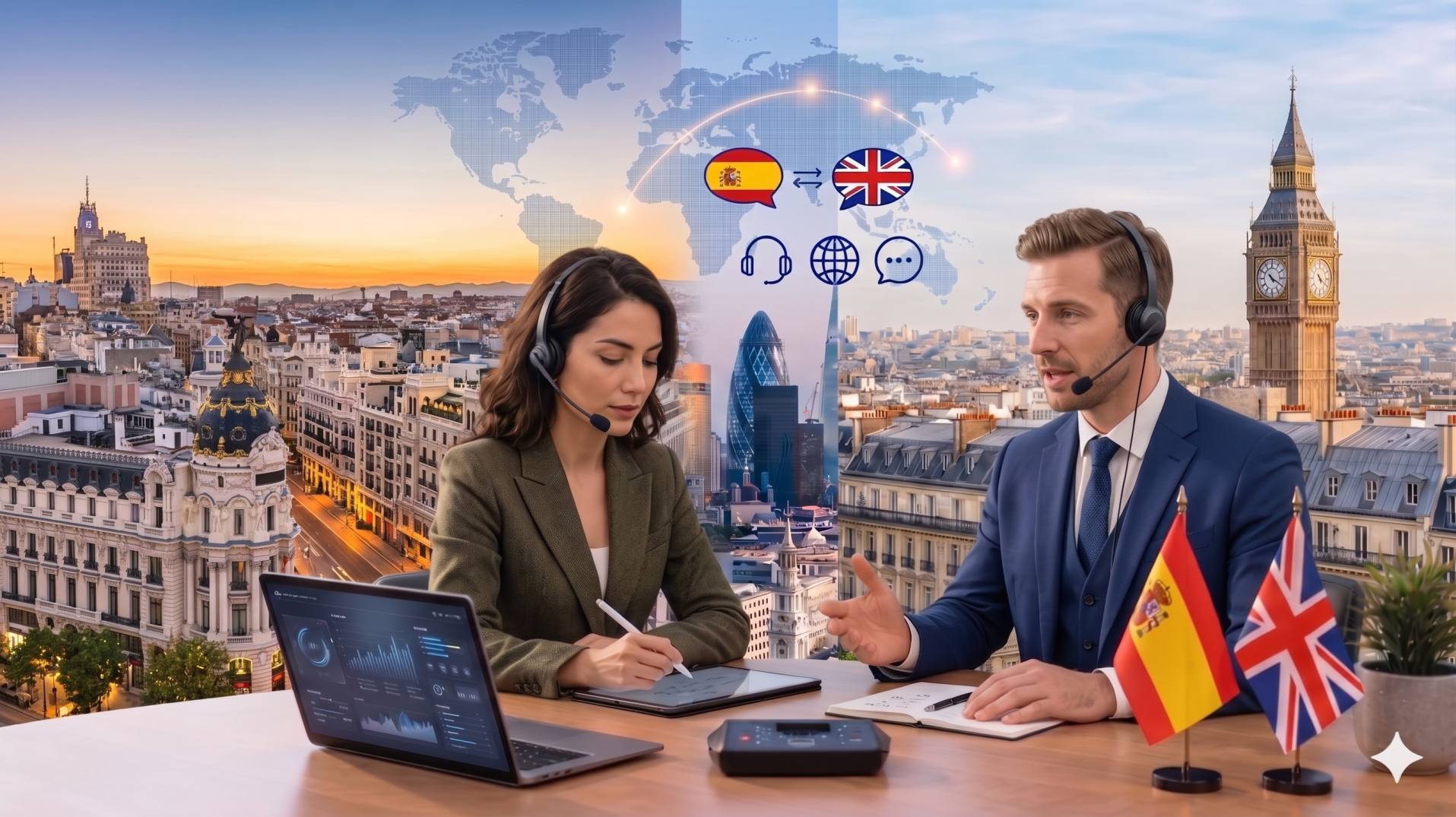
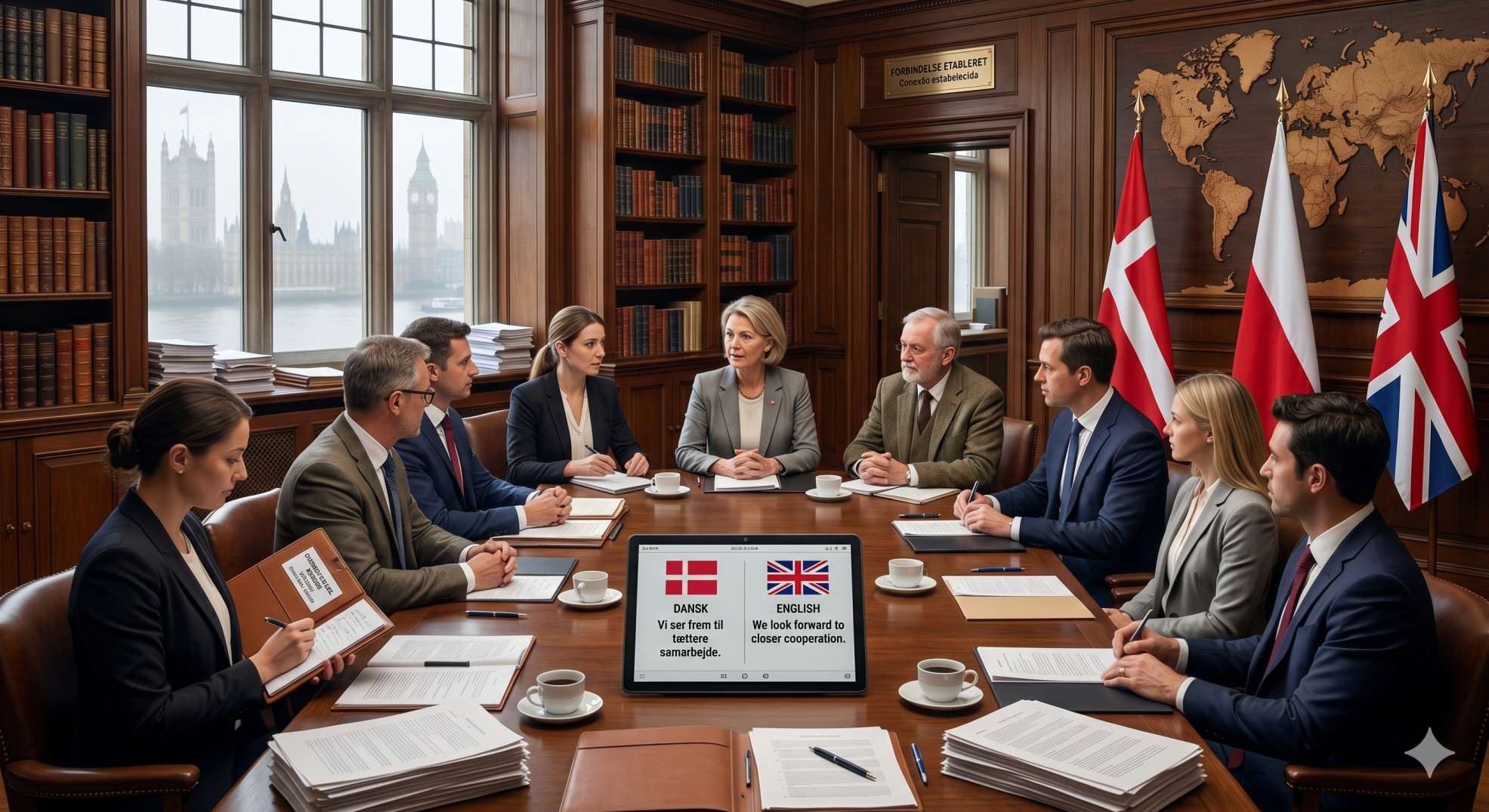
Securing a qualified Swedish interpreter in Leeds is paramount for effective communication across a multitude of professional sectors within the city and the wider UK. Leeds, a vibrant economic hub in Yorkshire, hosts a diverse population and a dynamic business environment, necessitating seamless linguistic support for its Swedish-speaking residents and visitors. Whether engaging with the National Health Service, navigating the complexities of the UK legal system, or conducting international business, the availability of professional Swedish interpretation is critical. This service ensures that all parties, regardless of their native tongue, can understand and be understood, upholding principles of fairness, accuracy, and patient safety. For instance, individuals requiring medical attention in Leeds can access services supported by trusts such as the Leeds Teaching Hospitals NHS Trust and the Leeds Community Healthcare NHS Trust, where language access is a key component of patient care, guided by NHS England’s Language Access guidelines.
Translation vs Interpretation: Understanding the Nuances
While often used interchangeably, translation and interpretation are distinct linguistic disciplines, each requiring specialised skills and adherence to professional standards. A Swedish translator in Leeds works with written text, converting documents, reports, and other written materials from Swedish to English or vice versa. This process demands meticulous attention to detail, a deep understanding of both source and target languages, and often, subject-specific knowledge to ensure accuracy and fidelity to the original meaning. Professional translators in the UK typically adhere to standards set by bodies like the Chartered Institute of Linguists (CIOL). Conversely, a Swedish interpreter in Leeds facilitates spoken communication in real-time. This involves listening to a speaker in one language and rendering their message orally in another. The interpreter must possess not only linguistic fluency but also cultural awareness, the ability to think quickly, maintain confidentiality, and remain neutral. Professional interpreters often hold qualifications recognised by the National Register of Public Service Interpreters (NRPSI) or the Diploma in Public Service Interpreting (DPSI), ensuring they meet the rigorous standards required for public service settings.
Legal Defence, Immigration, and Courtroom Interpretation
The UK’s legal landscape is complex, and access to justice is a fundamental right. For Swedish speakers involved in legal proceedings in Leeds, the role of a professional Swedish interpreter is indispensable. This applies to a wide range of scenarios, from criminal defence cases heard at the County Court or the Crown Court in Leeds, to civil disputes and family law matters. Interpreters must be adept at handling legal terminology and understanding the procedural nuances of His Majesty’s Courts and Tribunals Service (HMCTS). They play a crucial role in ensuring that defendants, witnesses, and victims can fully participate in proceedings, understand charges, present their case, and comprehend court decisions. The NRPSI maintains a register of qualified interpreters who have demonstrated competence in legal settings, providing assurance to legal professionals and the courts. Furthermore, for individuals navigating immigration processes, whether applying for visas, seeking asylum, or attending interviews with the UK Visas and Immigration (UKVI), a skilled Swedish interpreter is vital. Accurate interpretation ensures that all information is conveyed correctly, preventing misunderstandings that could have significant consequences. The First-tier Immigration Tribunal also relies on qualified interpreters to ensure fair hearings.
Healthcare and NHS Patient Safety
Patient safety and equitable access to healthcare are cornerstones of the NHS. For Swedish-speaking patients in Leeds, effective communication with healthcare professionals is not merely a matter of convenience but a critical aspect of receiving safe and effective care. The Leeds Teaching Hospitals NHS Trust and the Leeds Community Healthcare NHS Trust, along with other NHS providers across the region, are committed to meeting the language needs of their diverse patient population. This commitment is underpinned by NHS England’s Language Access guidelines, which mandate the provision of qualified interpreters when needed. A professional Swedish interpreter ensures that patients can articulate their symptoms, understand diagnoses, discuss treatment options, and provide informed consent. Misunderstandings in a healthcare setting can lead to incorrect treatment, adverse drug reactions, and a breakdown in the patient-provider relationship. Professional interpreters working within the NHS are expected to adhere to strict codes of conduct, including confidentiality, impartiality, and accuracy, often holding qualifications recognised by the NRPSI or equivalent. Compliance with UK GDPR is also essential, ensuring patient data and sensitive health information are handled with the utmost discretion. The Care Quality Commission (CQC) also inspects healthcare providers on their ability to meet the needs of all patients, including those with communication barriers.
Technical Interpretation Modalities
The demand for Swedish interpretation in Leeds spans various contexts, each potentially requiring different modes of interpretation to suit the specific situation. Simultaneous interpretation is often employed in large conferences, international meetings, or parliamentary settings where speakers talk continuously, and interpreters render the speech with minimal delay, typically using specialised equipment like booths and headsets. This mode requires exceptional concentration and speed. Consecutive interpretation is more common in smaller meetings, legal consultations, or medical appointments. Here, the interpreter speaks after the source speaker has finished a segment of their speech, allowing for more detailed and precise rendering. Escort interpretation, also known as liaison interpretation, facilitates communication between two or more parties who speak different languages in less formal settings, such as business negotiations, site visits, or social events. The interpreter acts as a bridge, ensuring smooth interaction. In recent years, remote interpretation services have gained prominence, utilising telephone or video conferencing platforms. This modality offers flexibility and cost-effectiveness, allowing access to Swedish interpreters regardless of geographical location, provided a stable internet connection and appropriate technology are available. Professional bodies like the International Association of Conference Interpreters (AIIC) set standards for these various modes.
Economic and Social Fabric of Leeds
Leeds is a city with a robust and diverse economy, a rich cultural heritage, and a significant presence in various sectors. Understanding the local economic landscape is crucial for businesses and organisations requiring Swedish language services.
Corporate and Industry
Leeds boasts a thriving corporate sector, with strengths in finance, legal services, digital industries, and advanced manufacturing. Many international companies have a presence in the city, and UK-based firms increasingly engage in global trade. For Swedish businesses looking to invest in Leeds, or for local companies collaborating with Swedish partners, professional Swedish interpretation and translation are essential for successful negotiations, contract finalisation, technical discussions, and ongoing business relationships. This ensures that all parties are aligned on objectives and contractual obligations, fostering trust and efficiency. The Department for Business and Trade supports UK businesses in international trade, highlighting the importance of effective cross-cultural communication.
Tourism
As a major tourist destination in the North of England, Leeds attracts visitors from around the globe, including from Sweden. The hospitality sector, including hotels, restaurants, cultural attractions, and retail outlets, benefits from having access to Swedish-speaking staff or interpretation services. This enhances the visitor experience, making Swedish tourists feel welcome and enabling them to fully enjoy the city’s offerings, from the Royal Armouries Museum to the vibrant nightlife and shopping districts. Accurate translation of marketing materials and visitor information also plays a key role in attracting Swedish visitors.
Legal Infrastructure
Leeds has a well-established legal sector, with numerous law firms, barristers’ chambers, and associated professional services. The presence of HMCTS courts and tribunals means that legal interpretation is in constant demand. Swedish individuals or businesses involved in legal matters in Leeds, whether as parties, witnesses, or legal representatives, require the services of qualified Swedish interpreters. This ensures that the principles of natural justice and due process are upheld for all individuals, irrespective of their language proficiency. The Law Society provides resources for legal professionals, underscoring the importance of clear communication.
NHS Healthcare
The healthcare system in Leeds, led by the aforementioned NHS trusts, serves a large and diverse population. The need for Swedish interpretation within healthcare settings is significant, covering everything from routine GP appointments and hospital visits to emergency care and specialist consultations. Ensuring that Swedish-speaking patients can communicate effectively with doctors, nurses, and other healthcare providers is vital for accurate diagnosis, effective treatment, and overall patient well-being. The NHS Commissioning Board (NHS England) sets national standards for language services, which are implemented locally by trusts like those in Leeds.
Local Infrastructure and Transport
Leeds is a major transport hub in the North of England, with excellent connectivity via road, rail, and air. Leeds Bradford Airport serves numerous international destinations, including those in Sweden, facilitating business and leisure travel. The city’s public transport network, managed by West Yorkshire Combined Authority, includes extensive bus services and a railway station that connects Leeds to major cities across the UK. For Swedish visitors and residents, navigating this infrastructure is made easier with clear signage and information, often available in multiple languages. Professional interpretation services can also assist in situations requiring communication with transport authorities or in resolving travel-related issues. The city council’s commitment to accessibility, as outlined on the Leeds City Council website, extends to ensuring services are accessible to all residents, including those who require language support.
Conclusion
For any organisation or individual in Leeds requiring precise and reliable communication with Swedish speakers, engaging a professional Swedish interpreter in Leeds is not just beneficial but essential. From the critical demands of legal proceedings at HMCTS and sensitive consultations within the NHS, to the nuanced requirements of international business and corporate dealings, the integrity of communication hinges on linguistic expertise. By utilising qualified interpreters who adhere to the highest professional standards, such as those registered with the NRPSI, Leeds can ensure that its diverse population and dynamic economy continue to thrive on a foundation of clear, accurate, and confidential communication. Whether you need a Swedish interpreter in Leeds for a court case, a medical appointment, or a business meeting, investing in professional services guarantees that language barriers are overcome, fostering understanding and achieving desired outcomes.