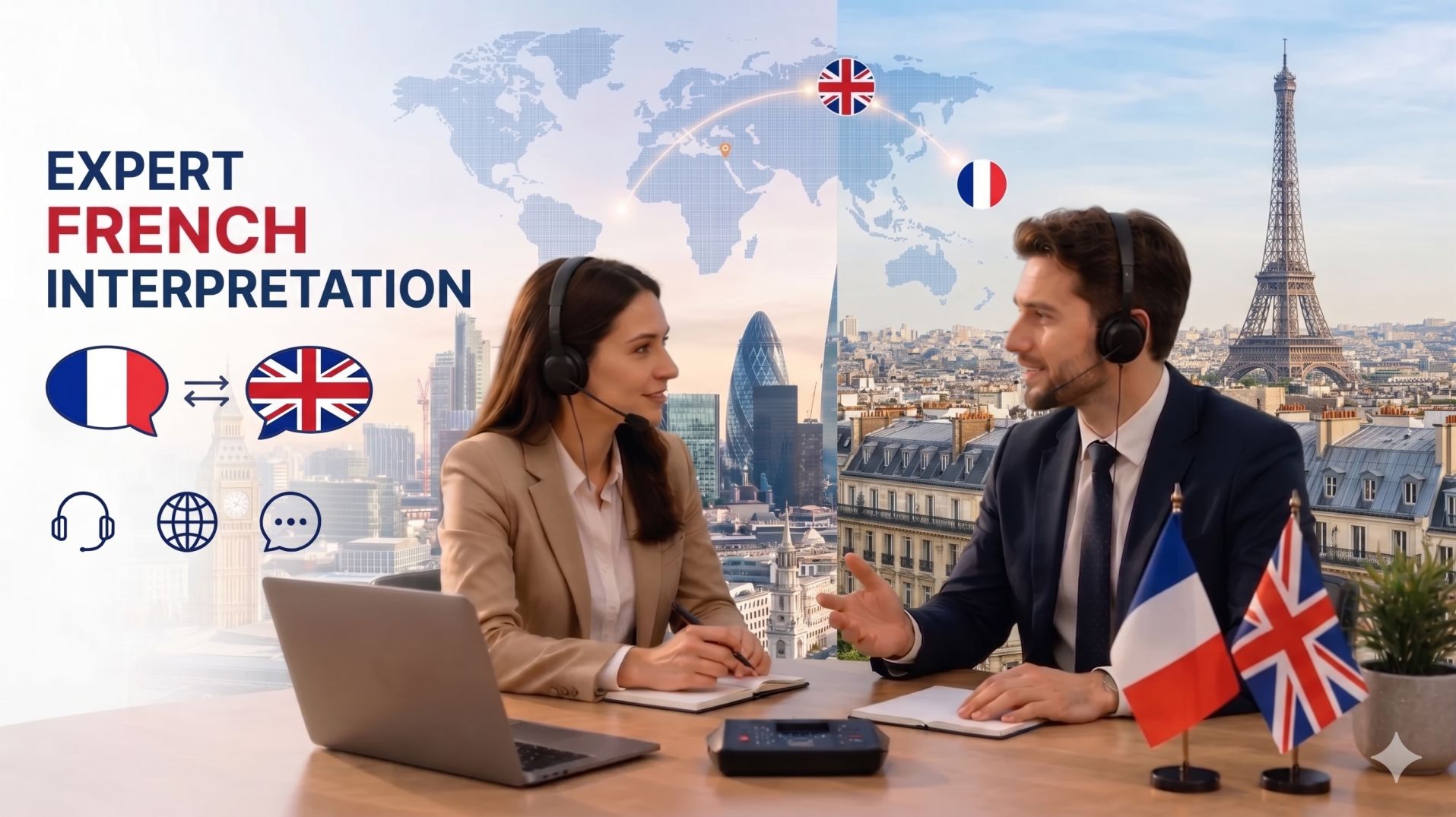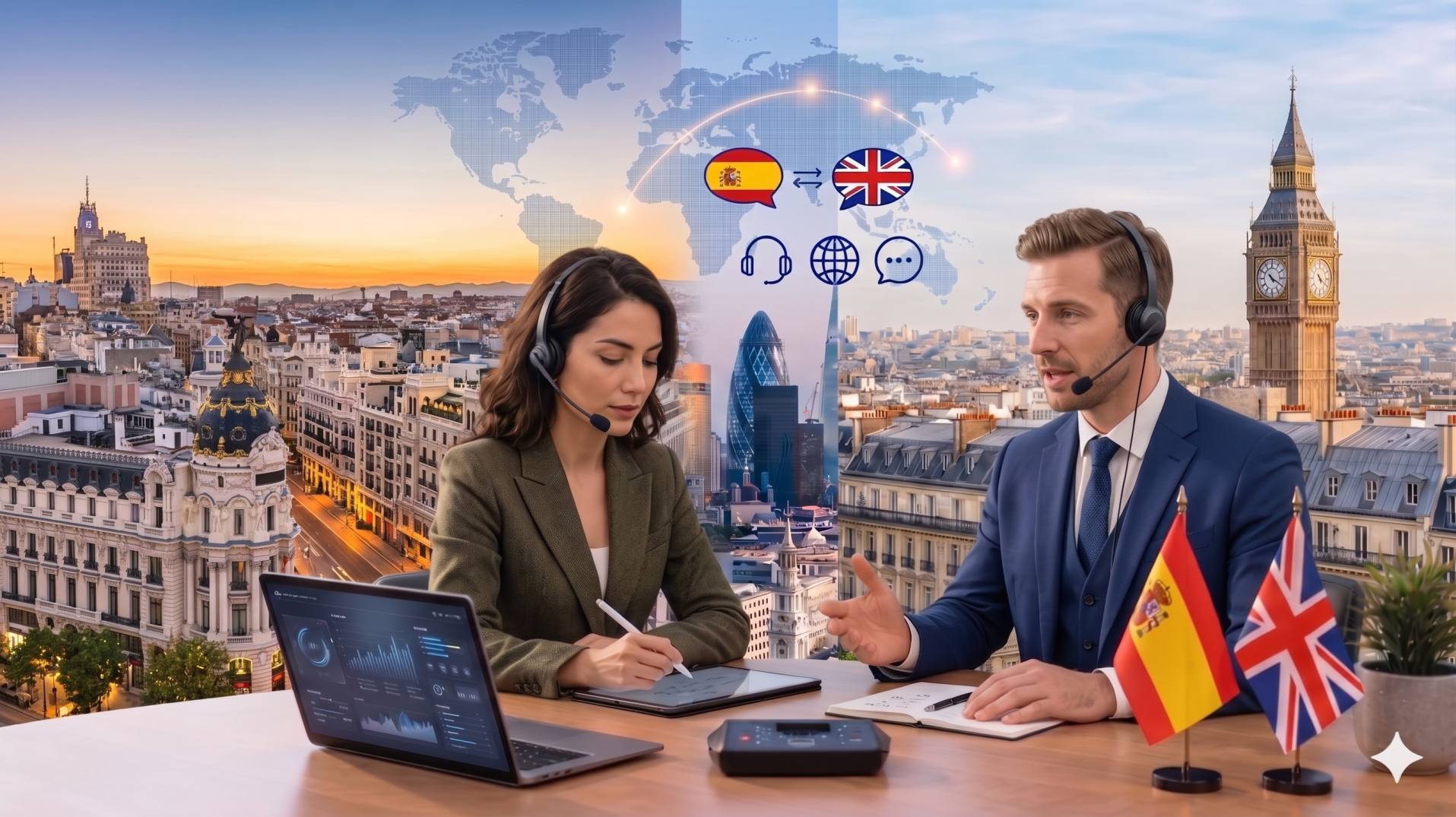

Securing a qualified French interpreter in Flintshire is paramount for effective communication across a diverse range of professional sectors within the United Kingdom. Whether engaging with His Majesty’s Courts and Tribunals Service (HMCTS), navigating complex healthcare scenarios with the NHS, or facilitating international business dealings, the need for precise and culturally nuanced interpretation is undeniable. Flintshire, a county in the northeast of Wales, is served by several key NHS trusts, including [Betsi Cadwaladr University Health Board](https://www.wales.nhs.uk/sitesplus/895/home) and [Powys Teaching Health Board](https://www.powysthb.wales.nhs.uk/), both of which operate services that may require linguistic support. Ensuring that all parties understand and are understood is not merely a matter of convenience but a legal and ethical imperative, particularly within the stringent regulatory frameworks governing UK professional services. This guide explores the critical role of professional French interpretation and translation services in Flintshire, highlighting their importance in legal, healthcare, and business contexts, and underscoring the adherence to UK professional standards.
Translation vs Interpretation
While often used interchangeably, translation and interpretation are distinct disciplines, each requiring specialised skills and qualifications. A French translator in Flintshire works with written text, converting documents, reports, websites, and other written materials from French to English or vice versa. This process demands meticulous attention to detail, an understanding of idiomatic expressions, and the ability to maintain the original text’s tone and intent. Professional translators often specialise in specific fields, such as legal, medical, or technical translation, ensuring accuracy within that domain. Conversely, a French interpreter in Flintshire facilitates spoken communication in real-time. Interpreters work with live conversations, whether in person, over the phone, or via video conference. They must possess exceptional listening skills, a deep understanding of both languages and cultures, and the ability to convey messages accurately and instantaneously. The professional standards for interpreters in the UK are high, with bodies like the National Register of Public Service Interpreters (NRPSI) setting benchmarks for competence and ethical conduct. For legal and public service settings, holding qualifications such as the Diploma in Public Service Interpreting (DPSI) or equivalent is often a prerequisite, ensuring a high level of proficiency and adherence to professional codes of conduct. The choice between a translator and an interpreter depends entirely on the communication medium and the specific requirements of the task at hand.
Legal Defence, Immigration, and Courtroom Interpretation
The administration of justice in the UK relies heavily on accurate communication, especially when individuals involved do not speak English as a first language. For French speakers in Flintshire, access to qualified interpreters is vital for ensuring fair proceedings within His Majesty’s Courts and Tribunals Service (HMCTS). This includes appearances in criminal courts, civil litigation, family law matters, and tribunals. The legal framework in the UK mandates that individuals have the right to understand proceedings and to be understood by the court. This right is enshrined in various pieces of legislation and is overseen by bodies such as the Ministry of Justice. Professional interpreters working in this sector must adhere to strict codes of conduct, often requiring registration with bodies like the NRPSI. These interpreters are trained to maintain impartiality, confidentiality, and accuracy, which are non-negotiable in legal settings. For immigration matters, French speakers interacting with the Home Office, UK Visas and Immigration (UKVI), or the First-tier Immigration Tribunal will also require expert interpretation. Whether attending interviews, submitting evidence, or participating in hearings, the interpreter ensures that the nuances of their statements are correctly conveyed, preventing misunderstandings that could have significant consequences for their immigration status. Law firms in Flintshire and across the UK frequently engage French interpreters to assist their clients during consultations, case preparation, and court appearances, ensuring that legal advice is fully comprehended and that client instructions are accurately recorded. The integrity of the legal process hinges on the reliability of these linguistic services, making the engagement of NRPSI-qualified or DPSI-certified interpreters a critical component of legal defence and immigration representation.
Healthcare and NHS Patient Safety
Patient safety and effective healthcare delivery are cornerstones of the National Health Service (NHS) in the UK. For French-speaking patients in Flintshire, accessing healthcare services without a language barrier is essential for receiving appropriate diagnosis, treatment, and care. NHS trusts, including those serving Flintshire such as [Betsi Cadwaladr University Health Board](https://www.wales.nhs.uk/sitesplus/895/home), are committed to providing language support to ensure equitable access to medical services. This commitment aligns with NHS England’s Language Access guidelines and the broader requirements of UK GDPR concerning the protection of personal data and the right to clear communication. Qualified French medical interpreters play a crucial role in bridging the communication gap between healthcare professionals and patients. They facilitate consultations, explain diagnoses, discuss treatment options, obtain informed consent, and ensure that patients understand discharge instructions. The accuracy of medical interpretation is paramount; a misunderstanding of symptoms, allergies, or medication instructions can have severe health consequences. Professional medical interpreters are trained not only in language proficiency but also in medical terminology and the ethical considerations specific to healthcare settings. They must maintain strict confidentiality, as mandated by UK law and NHS policies. The Care Quality Commission (CQC) also emphasises effective communication as a key aspect of high-quality care. Therefore, engaging professional French medical interpreters ensures that patients’ rights are upheld, their safety is prioritised, and that healthcare providers can deliver the best possible care, regardless of the patient’s primary language. This is particularly important in emergency situations, mental health services, and when dealing with chronic conditions where detailed communication is vital for effective management and patient well-being.
Technical Interpretation Modalities
The effective delivery of French interpretation services in Flintshire encompasses various modalities, each suited to different contexts and requirements. Consecutive interpretation is commonly used in one-on-one meetings, interviews, or small group discussions. The interpreter listens to a segment of speech, waits for the speaker to pause, and then renders the message in the target language. This method allows for a more natural flow of conversation but takes longer than simultaneous interpretation. Simultaneous interpretation is typically employed in larger settings such as conferences, seminars, or formal presentations. The interpreter listens to the speaker through specialised equipment (e.g., headsets and microphones) and interprets the message almost instantaneously into the target language. This requires intense concentration and highly developed skills. Escort interpretation, also known as liaison interpretation, is often used in business negotiations, site visits, or social events. The interpreter acts as a cultural bridge, facilitating communication between parties who may not share a common language. This role often involves a degree of cultural mediation and informal translation. Remote interpretation, including telephone interpreting (OPI) and video remote interpreting (VRI), has become increasingly prevalent. This modality offers flexibility and cost-effectiveness, allowing access to interpreters regardless of geographical location. For businesses and public services in Flintshire, understanding these different interpretation modes is key to selecting the most appropriate service for their specific needs, ensuring that communication is both efficient and effective, while always adhering to UK professional standards and data protection regulations.
Economic and Social Fabric of Flintshire
Flintshire, situated in the northeast of Wales, possesses a dynamic economic and social landscape that benefits significantly from robust communication channels. The presence of a skilled French interpreter and translator workforce is instrumental in supporting various sectors within the county and its surrounding regions.
Corporate and Industry
Flintshire hosts a diverse industrial base, including manufacturing, technology, and service industries. Many of these businesses engage in international trade or collaborate with French-speaking partners. The need for accurate translation of technical documents, contracts, marketing materials, and websites is crucial for market penetration and maintaining strong business relationships. Similarly, French interpreters are essential for facilitating meetings, negotiations, and technical support, ensuring that business operations run smoothly and that UK companies can compete effectively on a global stage. Adherence to UK commercial law and international trade regulations requires precise communication in all business dealings.
Tourism
While Flintshire may not be as prominent a tourist destination as some other UK regions, it offers historical sites, natural beauty, and industrial heritage that attract visitors. For French-speaking tourists, having access to information in their language – from websites and brochures to on-site interpretation at heritage attractions – enhances their experience. Local tourism businesses, hotels, and visitor centres can benefit from translation services to cater to this market, thereby boosting local revenue and promoting Flintshire as a welcoming destination. Professional translation ensures that the unique offerings of Flintshire are accurately represented to a French-speaking audience.
Legal Infrastructure
The legal sector in Flintshire, like elsewhere in the UK, requires reliable language support. Law firms dealing with international clients, cross-border disputes, or cases involving French nationals depend on qualified French interpreters and translators. This ensures compliance with UK legal procedures, including those managed by His Majesty’s Courts and Tribunals Service (HMCTS). The accuracy provided by certified interpreters is vital for client consultations, evidence gathering, and courtroom proceedings, upholding the principles of justice and due process as defined by UK law.
NHS Healthcare
As previously highlighted, the National Health Service (NHS) in Flintshire relies on effective communication to provide high-quality patient care. French-speaking residents and visitors require access to interpreters to navigate the healthcare system, from GP appointments to hospital treatments. The [Betsi Cadwaladr University Health Board](https://www.wales.nhs.uk/sitesplus/895/home) and other regional health providers must ensure that language barriers do not impede patient safety or the delivery of care. Professional medical interpretation, adhering to NHS guidelines and UK GDPR, is indispensable for ensuring that all patients receive the care they need, regardless of their linguistic background.
Local Infrastructure and Transport
Flintshire benefits from a well-developed local infrastructure that supports its economic activities and facilitates connectivity. Major road networks, including the A55 North Wales Expressway, provide excellent links to the rest of Wales and England, including major ports and airports. This connectivity is crucial for businesses involved in import and export, requiring seamless communication with international partners. Public transport services, including rail links, further enhance accessibility. For businesses and individuals requiring French interpretation or translation services, the ease of access to Flintshire means that professional linguistic support can be readily deployed. Whether for business meetings at local industrial estates, legal consultations in town centres, or healthcare appointments across the region, the established infrastructure ensures that interpreters can reach their destinations efficiently. Furthermore, the increasing adoption of remote interpretation technologies means that geographical location is less of a barrier, allowing for instant access to French interpreters for any location within Flintshire, supported by the region’s reliable digital infrastructure.
Conclusion
In conclusion, the demand for professional French interpreter in Flintshire services is substantial and spans critical sectors including legal, healthcare, and business. Upholding the standards of UK professional bodies, ensuring patient safety within the NHS, and facilitating fair justice through HMCTS all depend on accurate and reliable linguistic support. Engaging certified and experienced French interpreters and translators is not merely a service requirement but a fundamental necessity for organisations operating within Flintshire and across the United Kingdom. For any organisation requiring expert French interpretation or translation, seeking services that adhere to the highest professional standards is paramount to achieving clear, effective, and legally compliant communication. Contact us today to discuss your specific needs and ensure seamless communication for your operations in Flintshire.