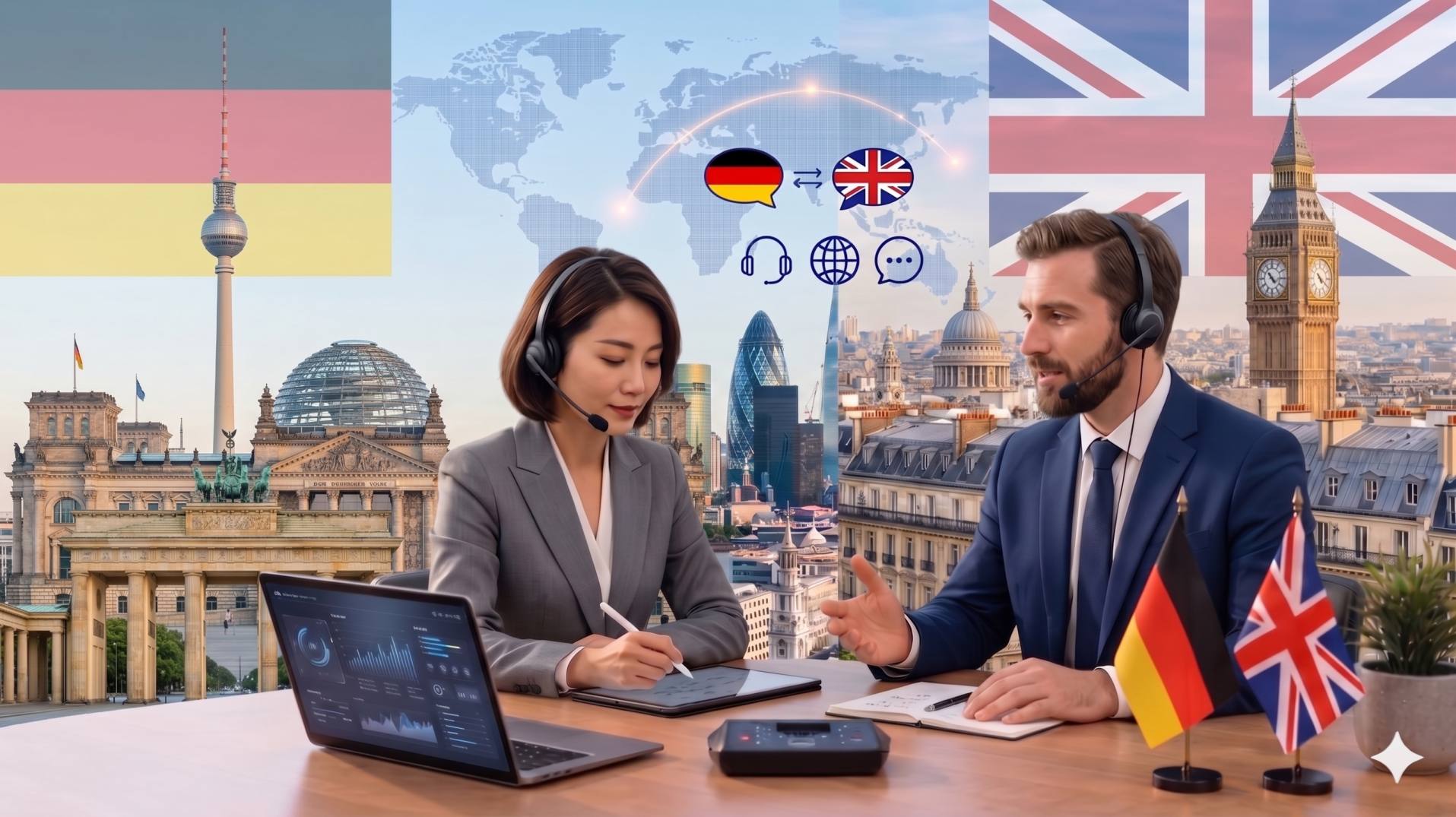
Securing a qualified German interpreter in Swansea is paramount for effective communication across a diverse range of professional sectors within the United Kingdom. Whether engaging with His Majesty’s Courts and Tribunals Service (HMCTS), navigating the complexities of the National Health Service (NHS) with trusts such as Swansea Bay University Health Board (https://www.swansea.gov.uk/) and Hywel Dda University Health Board (https://hduhb.nhs.wales/), or facilitating international business dealings, the need for precise and culturally nuanced interpretation is undeniable. This service ensures that legal proceedings, medical consultations, and commercial negotiations are conducted with the utmost clarity and adherence to UK standards, safeguarding rights and fostering trust.
Translation vs Interpretation: Understanding the Nuances
While often used interchangeably in casual conversation, translation and interpretation are distinct disciplines, each requiring specialised skills and qualifications. A German translator in Swansea works with written text, converting documents, reports, websites, and other written materials from German to English or vice versa. This process demands meticulous attention to detail, a deep understanding of linguistic nuances, and often, subject-specific knowledge to ensure accuracy and preserve the original intent. Professional translators adhere to standards set by bodies like the Chartered Institute of Linguists (CIOL), ensuring the quality and reliability of their output.
Conversely, a German interpreter in Swansea facilitates spoken communication in real-time. This involves listening to a speaker in one language and rendering their message accurately and fluently in another. Interpretation requires not only linguistic proficiency but also exceptional listening skills, memory retention, cultural awareness, and the ability to remain neutral and objective. Interpreters are crucial in live settings where immediate understanding is vital. The professional standards for interpreters in the UK are rigorously maintained by organisations such as the National Register of Public Service Interpreters (NRPSI) and the Diploma in Public Service Interpreting (DPSI), ensuring that interpreters working in sensitive public service environments, including legal and healthcare settings, meet stringent competency requirements.
Legal Defence, Immigration, and Courtroom Interpretation
The UK’s legal system, overseen by His Majesty’s Courts and Tribunals Service (HMCTS), mandates that all individuals have the right to understand proceedings and be understood, regardless of their language. For German speakers involved in any legal matter, from criminal defence to civil disputes, the presence of a qualified German interpreter is not merely beneficial but a fundamental legal right. This is particularly critical in cases heard before the Magistrates’ Courts, Crown Court, and various tribunals under the HMCTS umbrella. The Home Office and its UK Visas and Immigration (UKVI) department also rely heavily on accurate interpretation for interviews, asylum claims, and other immigration-related processes. Failure to provide adequate interpretation can lead to miscarriages of justice, breaches of human rights, and significant delays within the legal process.
Professional interpreters working in the legal field must possess a thorough understanding of legal terminology, courtroom etiquette, and the specific procedures of UK courts. They must adhere to a strict code of conduct, ensuring confidentiality and impartiality. Registration with the NRPSI or holding a DPSI qualification is often a prerequisite for interpreters engaged in public service, including work with the police, solicitors, and HMCTS. These qualifications attest to an interpreter’s competence in handling complex legal discourse, ensuring that evidence is presented accurately and that defendants fully comprehend the charges against them and the proceedings of the First-tier Immigration Tribunal. The integrity of the justice system depends on the accuracy and professionalism of these linguistic intermediaries.
Healthcare and NHS Patient Safety
Patient safety within the NHS is a cornerstone of healthcare delivery in the UK, and effective communication is central to achieving this. For German-speaking patients accessing services within Swansea and the wider region, including those served by Swansea Bay University Health Board and Hywel Dda University Health Board, the availability of a professional German interpreter is essential. This ensures that patients can accurately describe their symptoms, understand diagnoses, discuss treatment options, and provide informed consent, all of which are critical for effective medical care and adherence to UK GDPR principles regarding data protection and patient rights.
The Care Quality Commission (CQC), the independent regulator of health and social care in England, emphasises the importance of accessible communication for all patients. NHS England’s Language Access guidelines further stipulate the need for appropriate language support services. A qualified German interpreter facilitates clear communication between patients and healthcare professionals, reducing the risk of medical errors, improving patient satisfaction, and ensuring equitable access to care. Interpreters working within the NHS must not only be linguistically proficient but also possess a strong understanding of medical terminology, ethical considerations, and the sensitive nature of healthcare interactions. Their role is vital in bridging communication gaps, particularly in emergency situations or when discussing complex health conditions, thereby upholding the highest standards of patient care and safety mandated by UK healthcare regulations.
Technical Interpretation Modalities
The specific requirements of a situation dictate the most appropriate interpretation modality. For a German interpreter in Swansea, proficiency in several techniques is essential:
- Simultaneous Interpretation: This is commonly used in conferences, large meetings, and parliamentary settings. The interpreter listens to the speaker through headphones and interprets their speech into a microphone in real-time, with a slight delay. It requires highly specialised skills and often involves two interpreters working in shifts due to the intense concentration required.
- Consecutive Interpretation: In this mode, the interpreter listens to a segment of speech, takes notes, and then renders the message in the target language once the speaker has finished their segment. This is frequently used in smaller meetings, legal depositions, medical consultations, and one-on-one discussions where direct interaction is key.
- Escort Interpretation: Also known as liaison interpretation, this is used for business meetings, site visits, or social functions. The interpreter accompanies clients and facilitates communication between parties, often translating short segments of speech in a conversational manner.
- Remote Interpretation (ROH): With advancements in technology, remote simultaneous and consecutive interpretation are increasingly common. This allows clients to access interpreters via telephone or video conferencing platforms, offering flexibility and cost-effectiveness, especially for less frequent language needs or when immediate availability is required. Professional bodies like the Association of Interpreters and Translators (AIIC) provide guidance on best practices for remote interpreting.
Economic and Social Fabric of Swansea
Swansea, a vibrant coastal city in South Wales, possesses a dynamic economic landscape and a rich cultural heritage. Its strategic location and developing infrastructure make it an attractive hub for various industries and a popular destination for tourists. Understanding the local economic and social context is crucial for professional service providers, including German interpreters and translators.
Corporate and Industry
Swansea’s economy is diversifying, with strengths in sectors such as advanced manufacturing, digital technology, and professional services. The city is home to a growing number of businesses, including international companies, which may require German language support for market expansion, client relations, or internal communications. The presence of universities and research institutions also fosters innovation and collaboration, potentially leading to international partnerships that necessitate expert linguistic services. Professional interpreters and translators play a vital role in facilitating these cross-border business interactions, ensuring smooth negotiations, accurate contract translations, and effective communication with German-speaking stakeholders.
Tourism
As a gateway to the Gower Peninsula, an Area of Outstanding Natural Beauty, Swansea attracts a significant number of tourists. While English is the primary language of tourism, a growing number of German visitors explore the region. Providing multilingual information and services, including German translations of tourist materials and interpretation for tour guides or hospitality staff, can enhance the visitor experience and boost the local tourism economy. This aligns with the broader UK strategy to promote tourism and cultural exchange.
Legal Infrastructure
Swansea has a well-established legal infrastructure, including local law firms and access to regional courts. These legal entities frequently encounter cases involving individuals or businesses with connections to Germany. The demand for accurate German legal interpretation and translation services is therefore consistent, supporting solicitors, barristers, and HMCTS in ensuring justice is accessible to all. The adherence to UK legal standards and the qualifications recognised by bodies like the NRPSI are critical for legal professionals engaging these services.
NHS Healthcare
The National Health Service provides comprehensive healthcare services to the residents of Swansea and its surrounding areas. As mentioned previously, the Swansea Bay University Health Board serves a diverse population, and the need for German language support within its facilities is a key aspect of ensuring equitable access to healthcare. This includes interpretation for GP appointments, hospital visits, and specialist consultations, all operating under the strict guidelines of NHS England and UK GDPR.
Local Infrastructure and Transport
Swansea benefits from robust transport links, facilitating both local and national connectivity. The city is served by a major railway station providing direct services to London, Cardiff, and other key UK cities. The M4 motorway provides excellent road access, connecting Swansea to the rest of South Wales and beyond. For international travel, Cardiff Airport is within reasonable driving distance, offering flights to European destinations. This well-developed infrastructure supports the mobility of professional interpreters and translators, enabling them to reach clients efficiently across Swansea and the wider region, whether for in-person assignments at corporate offices, legal chambers, or NHS facilities.
The city also boasts a comprehensive public transport network, including bus services that connect various parts of Swansea and its suburbs. For remote interpretation services, reliable internet connectivity is essential, and Swansea’s digital infrastructure continues to develop, supporting the increasing use of video conferencing and remote communication platforms. This ensures that even when physical presence is not required, professional German interpretation and translation services can be delivered seamlessly and effectively, meeting the diverse needs of UK businesses, legal firms, and public sector organisations.
Conclusion
In conclusion, the provision of expert German interpretation and translation services is indispensable for the effective functioning of numerous sectors within Swansea and the broader UK. From ensuring fair justice within His Majesty’s Courts and Tribunals Service (HMCTS) and safeguarding patient well-being in the NHS, to facilitating international commerce and supporting immigration processes, the role of a qualified German interpreter in Swansea cannot be overstated. Adherence to UK professional standards, such as those set by the NRPSI and CIOL, guarantees the accuracy, confidentiality, and cultural sensitivity required in these critical fields. Engaging certified professionals ensures that communication barriers are overcome, fostering trust, promoting understanding, and upholding the integrity of UK institutions and services.