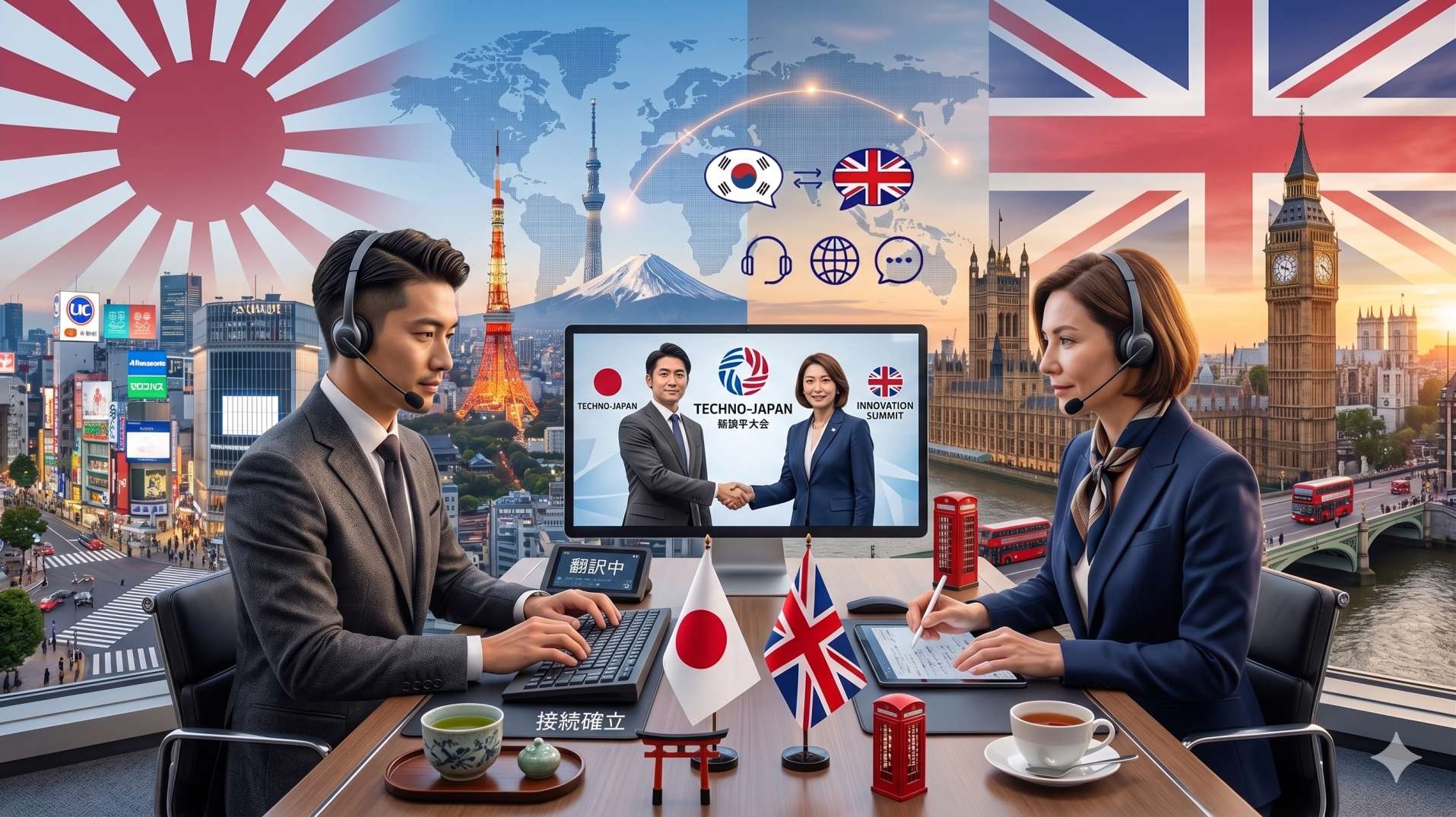
Securing a qualified Japanese interpreter in Norwich is paramount for effective communication across diverse sectors, from legal proceedings to critical healthcare interactions. In a city like Norwich, which boasts a rich history and a growing professional landscape, the need for accurate and culturally sensitive language services is increasingly vital. This is particularly true when navigating the complexities of the UK’s legal system, the National Health Service (NHS), and international business dealings. Our expert Japanese interpretation services ensure that language barriers are overcome, facilitating seamless understanding and adherence to UK professional standards. We understand the nuances required when working with institutions such as the NHS East of England, and specifically serving Norwich’s population through trusts like the Norfolk and Norwich University Hospitals NHS Foundation Trust and the Norfolk and Suffolk NHS Foundation Trust, where clear communication is a cornerstone of patient safety and effective care. Our commitment extends to providing reliable Japanese interpretation for all your professional needs within Norwich and beyond.
Translation vs Interpretation: Bridging the Language Divide
While often used interchangeably, translation and interpretation are distinct linguistic disciplines, each requiring specialised skills and adherence to rigorous professional standards within the UK. Interpretation involves the live, oral conversion of spoken or signed language from one language to another. This demands not only fluency in both Japanese and English but also exceptional listening skills, memory retention, and the ability to think quickly and accurately under pressure. A Japanese translator in Norwich, conversely, works with written text, converting documents, websites, and other written materials. The skills required for translation include a deep understanding of grammar, syntax, and cultural context in both languages, as well as proficiency in various translation software and tools. For professional services in the UK, particularly in legal and medical contexts, the distinction is critical. Misinterpretation can lead to significant misunderstandings, legal ramifications, and compromised patient care. Professional bodies such as the Chartered Institute of Linguists (CIOL) and the National Register of Public Service Interpreters (NRPSI) set the benchmark for qualified interpreters in the UK, ensuring that individuals engaged in critical public services meet stringent criteria for accuracy, impartiality, and ethical conduct. Engaging a certified interpreter is essential for any organisation operating within the UK’s regulated environments.
Legal Defence, Immigration, and Courtroom Interpretation
The UK’s legal system is complex and demands absolute precision in communication, especially when individuals involved do not speak English fluently. For Japanese speakers interacting with the UK justice system, a qualified Japanese interpreter is indispensable. This includes proceedings before His Majesty’s Courts and Tribunals Service (HMCTS), which oversees all courts and tribunals in England and Wales. Whether it is a civil dispute, a criminal trial, or an immigration hearing at the First-tier Tribunal (Immigration and Asylum Chamber), the interpreter’s role is to ensure that all parties, including defendants, witnesses, legal representatives, and judges, fully understand the proceedings and can communicate effectively. The HMCTS mandates the use of qualified interpreters to uphold the principles of justice and fairness. Professional interpreters adhere to a strict code of conduct, ensuring impartiality, confidentiality, and accuracy. Registration with the NRPSI or holding a Diploma in Public Service Interpreting (DPSI) are key indicators of a professional’s qualifications and commitment to these standards. Furthermore, interactions with the Home Office and UK Visas and Immigration (UKVI) for visa applications, asylum claims, or citizenship processes require accurate interpretation to ensure all information is correctly conveyed and understood, preventing potential errors that could have serious consequences. Law firms in Norwich and across the UK rely on these professional services to represent their Japanese-speaking clients effectively, ensuring access to justice is not impeded by language barriers. The Ministry of Justice also sets standards for the legal sector, underscoring the importance of qualified interpreters in maintaining the integrity of legal processes.
Healthcare and NHS Patient Safety
Patient safety within the NHS is a paramount concern, and effective communication is a critical component of delivering high-quality care. For Japanese-speaking patients in Norwich, accessing healthcare services requires the support of skilled interpreters who understand both the medical terminology and the cultural sensitivities involved. The Care Quality Commission (CQC), the independent regulator of health and social care in England, emphasises the importance of effective communication in its inspection frameworks. NHS trusts, including the Norfolk and Norwich University Hospitals NHS Foundation Trust and the Norfolk and Suffolk NHS Foundation Trust, are committed to providing language support to ensure all patients can understand their diagnosis, treatment options, and care plans. NHS England’s Language Access guidelines mandate that trusts provide interpretation and translation services to meet the needs of patients with limited English proficiency. This is not merely a matter of convenience but a legal and ethical obligation, underpinned by UK law and data protection regulations such as the UK General Data Protection Regulation (UK GDPR), which requires the secure and confidential handling of sensitive personal information. A professional Japanese interpreter working within the NHS ensures that consultations are clear, that consent is informed, and that patient-doctor relationships are built on trust and mutual understanding. This reduces the risk of medical errors, improves patient outcomes, and enhances the overall patient experience. The NHS East of England Integrated Care System (ICS) also plays a role in coordinating services and ensuring equitable access to care, including language support, for all communities within its geographical remit.
Technical Interpretation Modalities
The effective delivery of Japanese interpretation services in professional settings requires an understanding of various modalities, each suited to different contexts and communication needs. Simultaneous interpretation is perhaps the most demanding, where the interpreter conveys the message in the target language almost instantaneously as the speaker talks, typically using specialised equipment like booths and headsets. This is common in large conferences, international meetings, and parliamentary sessions. Consecutive interpretation involves the interpreter listening to a segment of speech, then rendering it in the target language once the speaker pauses. This is suitable for smaller meetings, interviews, and one-on-one discussions where immediate translation is not essential. Escort interpretation, also known as liaison interpretation, facilitates communication between two or more parties speaking different languages in informal settings, such as business meetings, site visits, or social events. The interpreter acts as a cultural bridge, ensuring smooth dialogue. Increasingly, remote interpretation (also known as telephonic or video interpretation) is becoming prevalent, allowing interpreters to provide services via phone or video conferencing platforms. This modality offers flexibility and cost-effectiveness, especially for urgent or infrequent needs, and is supported by secure platforms adhering to UK data protection standards. Each modality requires a different skill set and often different technological setups, but all demand the same high level of linguistic accuracy, cultural awareness, and professional ethics expected of interpreters registered with bodies like the NRPSI or members of professional organisations such as the International Association of Conference Interpreters (AIIC).
Economic and Social Fabric of Norwich
Norwich, a city steeped in history and vibrant with modern enterprise, presents a unique economic and social landscape where Japanese language proficiency can be a significant asset. Understanding the local context is key to leveraging professional interpretation services effectively.
Corporate and Industry
Norwich and its surrounding Norfolk region host a diverse range of industries, including advanced manufacturing, life sciences, technology, and finance. As businesses increasingly operate on a global scale, the need for clear communication with Japanese partners, clients, or investors is growing. Professional Japanese interpreters facilitate crucial business interactions, from negotiating contracts and conducting market research to managing supply chains and fostering international collaborations. Adherence to UK business law and professional standards is non-negotiable, and accurate interpretation ensures that all parties are fully informed and that agreements are legally sound. The Department for Business and Trade supports UK companies in their international ventures, highlighting the importance of effective cross-cultural communication.
Tourism
Norwich is a significant tourist destination, attracting visitors with its historic cathedral, medieval street plan, and vibrant cultural scene. While many tourists speak English, there is a growing demand for services catering to international visitors, including those from Japan. Japanese interpreters can enhance the visitor experience by providing guided tours, assisting with accommodation, and facilitating communication in restaurants and retail environments. This not only benefits the tourists but also supports the local tourism economy, encouraging repeat visits and positive word-of-mouth referrals. Ensuring that tourism businesses are equipped to communicate with Japanese visitors contributes to Norwich’s reputation as a welcoming and accessible city.
Legal Infrastructure
Norwich possesses a robust legal infrastructure, with numerous law firms serving local, regional, and national clients. These firms frequently encounter cases involving international elements, including Japanese individuals or businesses. The need for certified Japanese interpreters is critical for solicitors and barristers representing clients in matters ranging from commercial disputes and property transactions to family law and criminal defence. Ensuring compliance with the stringent requirements of HMCTS and other UK legal bodies is paramount. Professional interpreters registered with the NRPSI or holding a DPSI are essential for maintaining the integrity and fairness of the legal process.
NHS Healthcare
As previously highlighted, the Norfolk and Norwich University Hospitals NHS Foundation Trust and other local healthcare providers serve a diverse population. The presence of Japanese speakers, whether residents, students, or visitors, necessitates accessible and effective healthcare communication. Professional Japanese interpreters ensure that patients can fully engage with their healthcare providers, understand medical advice, and make informed decisions about their treatment. This commitment to language access aligns with the principles of patient-centred care promoted by NHS England and the CQC, ensuring equitable access to healthcare for all individuals within the UK.
Local Infrastructure and Transport
Norwich benefits from a well-developed local infrastructure that supports both its residents and its professional services sector. The city is served by a comprehensive public transport network, including bus services operated by companies like First Norfolk & Suffolk, and rail links connecting to London Liverpool Street and other major UK cities, managed by Greater Anglia. For professional interpreters, this means that reaching various locations within Norwich and the wider Norfolk region for assignments is generally feasible. The presence of key institutions, such as the University of East Anglia (UEA), further contributes to the city’s dynamic environment and its need for diverse professional services, including language support. The city council, Norwich City Council, plays a vital role in local governance and development, ensuring that infrastructure supports the needs of its growing population and business community. Reliable transport links are crucial for ensuring that interpreters can arrive punctually for critical appointments, whether at the courts, hospitals, or corporate offices, thereby maintaining the high standards of service expected by UK professional bodies.
Conclusion
For any organisation or individual in Norwich requiring precise and reliable communication with Japanese speakers, engaging a professional Japanese interpreter in Norwich is not just beneficial, but essential. From navigating the intricacies of UK legal frameworks under HMCTS and the Home Office, to ensuring patient safety within the Norfolk and Norwich University Hospitals NHS Foundation Trust, and facilitating international business, the role of a qualified interpreter is critical. Our commitment to excellence, adherence to UK professional standards set by bodies like the NRPSI, and deep understanding of the local Norwich context ensure that your communication needs are met with the utmost professionalism and accuracy. Contact us today to discuss your specific Japanese interpretation requirements and experience the difference that expert linguistic support can make.