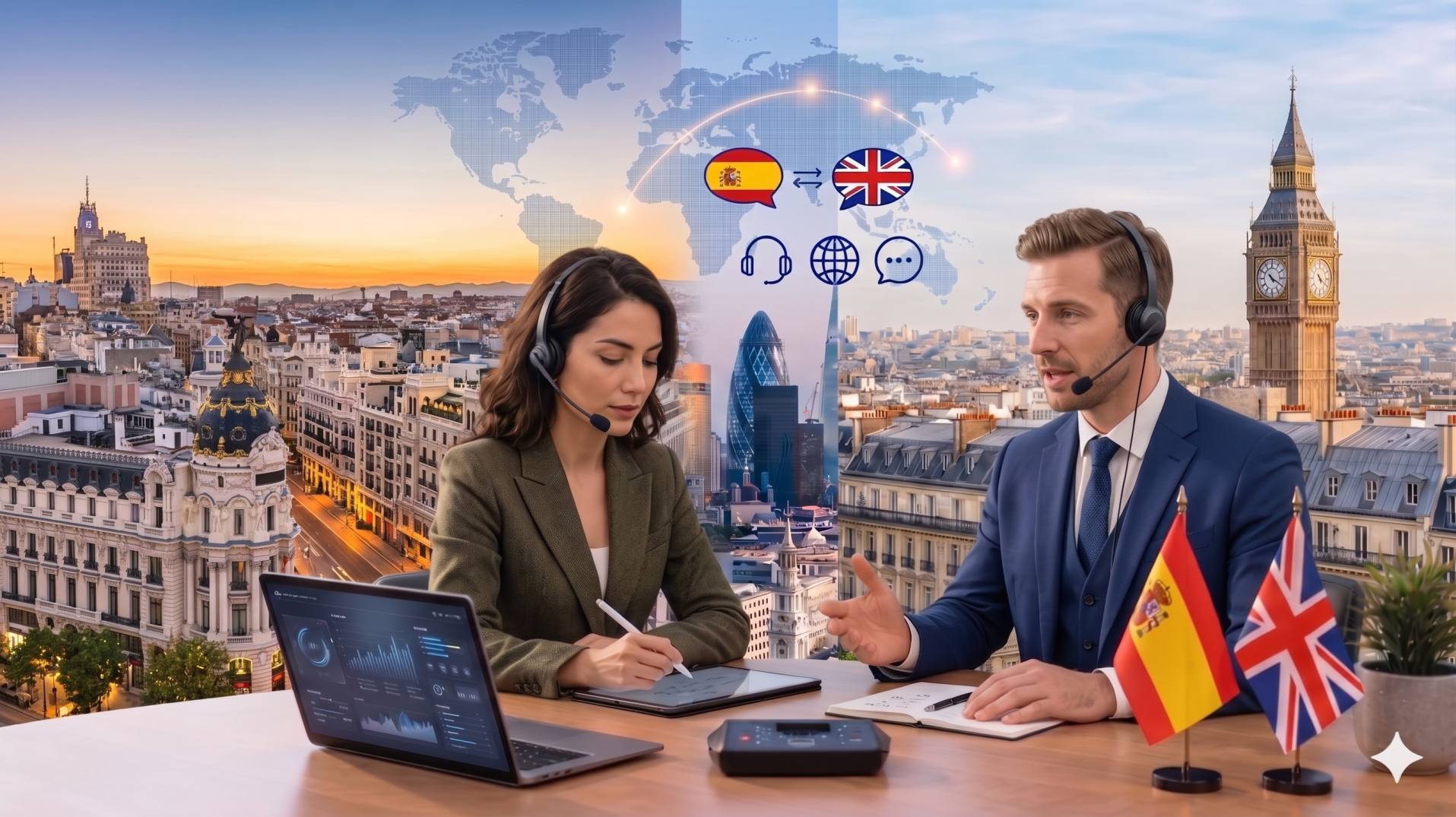

Securing a qualified Korean interpreter in Glasgow is paramount for effective communication across a diverse range of professional sectors, from intricate legal proceedings to vital healthcare consultations and dynamic business engagements. Glasgow, a city renowned for its rich industrial heritage and burgeoning modern economy, hosts a significant Korean-speaking population and attracts international business, necessitating specialised linguistic support. Ensuring clarity and accuracy in these sensitive environments is not merely a matter of convenience but a critical requirement for upholding legal standards, patient safety, and commercial success. For individuals requiring immediate medical attention, services are readily available through key NHS providers such as NHS Greater Glasgow and Clyde and NHS Greater Glasgow and Clyde, both of which are committed to providing accessible care to all patients, irrespective of their language.
Translation vs Interpretation
While often used interchangeably, translation and interpretation represent distinct linguistic disciplines, each requiring a unique skill set and adherence to professional standards. Interpretation involves the real-time, oral conversion of spoken or signed language from one tongue to another. This process demands not only linguistic fluency but also cultural understanding, rapid cognitive processing, and the ability to maintain neutrality and accuracy under pressure. A professional Korean translator in Glasgow, conversely, focuses on the written word, converting documents, websites, and other textual materials from Korean to English or vice versa. Both services are indispensable for businesses and organisations operating in a globalised environment. The distinction is crucial, particularly when engaging services for legal or medical contexts where precision is non-negotiable. For instance, a legal document might require meticulous translation by a certified translator, while a courtroom hearing necessitates the immediate, nuanced interpretation provided by a sworn interpreter registered with bodies like the National Register of Public Service Interpreters (NRPSI). Understanding this difference ensures that the correct linguistic support is procured, thereby safeguarding the integrity of communication and the outcomes of critical interactions.
Legal Defence, Immigration, and Courtroom Interpretation
The administration of justice within the United Kingdom relies heavily on the principle of fairness, which includes ensuring that all parties involved in legal proceedings can fully understand and participate in the process. For Korean speakers navigating the UK legal system, access to qualified interpreters is a fundamental right. This is particularly relevant in cases involving the His Majesty’s Courts and Tribunals Service (HMCTS), where misunderstandings can have severe consequences. Professional Korean interpreters play a vital role in various legal settings, including criminal defence, civil litigation, family law, and immigration tribunals. They ensure that evidence is accurately conveyed, witness testimonies are understood, and legal advice is comprehended. The His Majesty’s Courts and Tribunals Service (HMCTS) mandates the use of accredited interpreters in many situations to uphold due process. Furthermore, interpreters are essential for individuals interacting with the UK Visas and Immigration (UKVI), facilitating interviews, appeals, and other critical immigration procedures. Professional standards for public service interpreters in the UK are maintained by organisations such as the NRPSI and the Institute of Translation and Interpreting (ITI), ensuring interpreters possess the necessary qualifications, such as the Diploma in Public Service Interpreting (DPSI), and adhere to a strict code of conduct. This commitment to professional standards guarantees that legal professionals and their Korean-speaking clients can communicate with confidence and that justice is served equitably.
Healthcare and NHS Patient Safety
Patient safety and effective communication are cornerstones of the National Health Service (NHS) in the UK. For Korean-speaking patients receiving care within Glasgow, the availability of skilled medical interpreters is crucial for accurate diagnosis, informed consent, and adherence to treatment plans. The Care Quality Commission (CQC), the independent regulator of health and social care services in England, emphasises the importance of effective communication in ensuring high-quality care. While the CQC primarily oversees services in England, its principles resonate across the UK, influencing best practices in Scotland. NHS Greater Glasgow and Clyde, serving the city, is committed to providing language support services to ensure that all patients, including those who speak Korean, can access and understand the healthcare they need. This commitment aligns with NHS England’s Language Access guidelines, which promote equitable access to healthcare for all individuals, regardless of their primary language. Interpreters facilitate vital interactions between Korean-speaking patients and healthcare professionals, covering everything from initial consultations and emergency care to complex surgical procedures and ongoing chronic disease management. Adherence to the UK General Data Protection Regulation (UK GDPR) is also paramount, ensuring that patient confidentiality is maintained during interpretation services. Professional interpreters working within the NHS must possess not only linguistic proficiency but also a thorough understanding of medical terminology and ethical considerations, often holding qualifications recognised by bodies like the NRPSI or the Chartered Institute of Linguists (CIOL). This ensures that sensitive medical information is handled with the utmost care and professionalism, contributing directly to better health outcomes for Korean-speaking residents in Glasgow.
Technical Interpretation Modalities
The effective delivery of Korean interpretation services in Glasgow is achieved through various modalities, each suited to different contexts and requirements. Simultaneous interpretation is perhaps the most demanding, requiring interpreters to listen, process, and render the spoken message in the target language with minimal delay, often working in pairs in soundproof booths using specialised equipment. This is commonly employed in large conferences, international summits, and high-stakes legal proceedings where continuous communication is essential. Consecutive interpretation involves the interpreter listening to a segment of speech before rendering it in the target language. This method is more personal and is frequently used in smaller meetings, medical consultations, and one-on-one interviews, allowing for a more natural conversational flow. Escort interpretation, also known as liaison interpretation, facilitates communication between parties speaking different languages in informal settings, such as business negotiations, site visits, or social events. The interpreter acts as a bridge, ensuring smooth dialogue and cultural understanding. In recent years, remote interpretation (also known as telephonic or video interpretation) has gained significant traction, offering flexibility and cost-effectiveness. Using secure platforms, interpreters can provide services to clients anywhere in the world, connecting Korean speakers in Glasgow with linguistic support without the need for physical presence. This modality is particularly useful for routine medical appointments, customer service interactions, and urgent situations where immediate access to an interpreter is required. The choice of modality depends on factors such as the number of participants, the complexity of the subject matter, the required speed of communication, and budget considerations. Professional interpreting agencies in Glasgow can advise on the most appropriate modality to ensure optimal communication outcomes.
Economic and Social Fabric of Glasgow
Glasgow’s dynamic economic landscape and vibrant social tapestry are increasingly internationalised, creating a growing demand for specialised linguistic services, including Korean interpretation. The city’s transformation from an industrial powerhouse to a hub for finance, technology, and creative industries has attracted a diverse global workforce and fostered international business relationships.
Corporate and Industry
The presence of multinational corporations, burgeoning tech startups, and established financial institutions in Glasgow necessitates seamless communication with international partners, clients, and employees. Korean companies investing in or collaborating with Scottish businesses require interpreters for meetings, negotiations, product launches, and technical support. Professional Korean interpreters ensure that business objectives are clearly understood, contracts are accurately negotiated, and corporate culture is respected, thereby fostering strong and productive international partnerships. The Glasgow Chamber of Commerce actively supports businesses engaged in international trade, highlighting the importance of effective cross-cultural communication.
Tourism
Glasgow is a major tourist destination, attracting visitors from across the globe. While English is widely spoken, providing Korean-language information and services enhances the visitor experience for Korean tourists. Interpreters can assist in hotels, museums, cultural sites, and retail environments, ensuring that Korean visitors feel welcomed and can fully engage with the city’s offerings. This not only improves individual experiences but also boosts the local tourism economy, encouraging repeat visits and positive word-of-mouth referrals. The Glasgow Convention Bureau plays a key role in promoting the city as a destination, and language services are integral to its success in attracting diverse international visitors.
Legal Infrastructure
As previously discussed, Glasgow’s robust legal sector, encompassing solicitors, barristers, and various courts under the Scottish Courts and Tribunals Service, requires skilled interpreters for a wide array of cases. The presence of Korean nationals involved in legal matters, whether as defendants, witnesses, or victims, underscores the critical need for accredited Korean interpreters. These professionals ensure that the principles of natural justice are upheld, providing access to legal representation and fair trial for all individuals, irrespective of their language proficiency. The Solicitors Regulation Authority (SRA), while primarily for England and Wales, sets standards that influence the broader UK legal profession’s approach to client communication and diversity.
NHS Healthcare
The National Health Service in Glasgow, led by NHS Greater Glasgow and Clyde, serves a diverse population. For Korean-speaking residents, accessing healthcare services without language barriers is essential for their well-being. Professional medical interpreters ensure that patients can communicate their symptoms accurately, understand diagnoses and treatment options, and provide informed consent. This is vital for patient safety, effective treatment, and adherence to medical advice, contributing to a healthier community for all. The Healthcare Improvement Scotland works to ensure high standards of care across Scotland, with effective communication being a key component.
Local Infrastructure and Transport
Glasgow boasts a well-developed infrastructure that supports both its residents and its growing international connections. The city’s public transport network, managed by organisations like Strathclyde Partnership for Transport (SPT), includes extensive bus routes, a subway system, and rail links, facilitating easy movement across the urban area. For international travel, Glasgow Airport (GLA) provides direct and connecting flights to numerous global destinations. The presence of reliable transport links is crucial for business travellers, tourists, and residents alike, ensuring that individuals can reach their destinations efficiently. For those requiring interpretation services related to transport, such as navigating airport procedures or understanding travel advisories, professional interpreters can provide invaluable assistance. The accessibility of these services, whether in person or remotely, ensures that language is not a barrier to participating fully in the life and opportunities of Glasgow and the wider UK.
Conclusion
In conclusion, the demand for a professional Korean interpreter in Glasgow is driven by the city’s dynamic economic growth, its role as a cultural hub, and its commitment to equitable access across legal, healthcare, and commercial sectors. Ensuring accurate and nuanced communication is not just a service but a necessity for upholding justice, patient safety, and business integrity within the UK’s regulatory and professional frameworks. Organisations and individuals requiring linguistic support can rely on qualified interpreters who adhere to the stringent standards set by UK professional bodies. Engaging a certified Korean interpreter in Glasgow is a strategic investment in clear communication, robust legal defence, effective healthcare, and successful international business ventures.