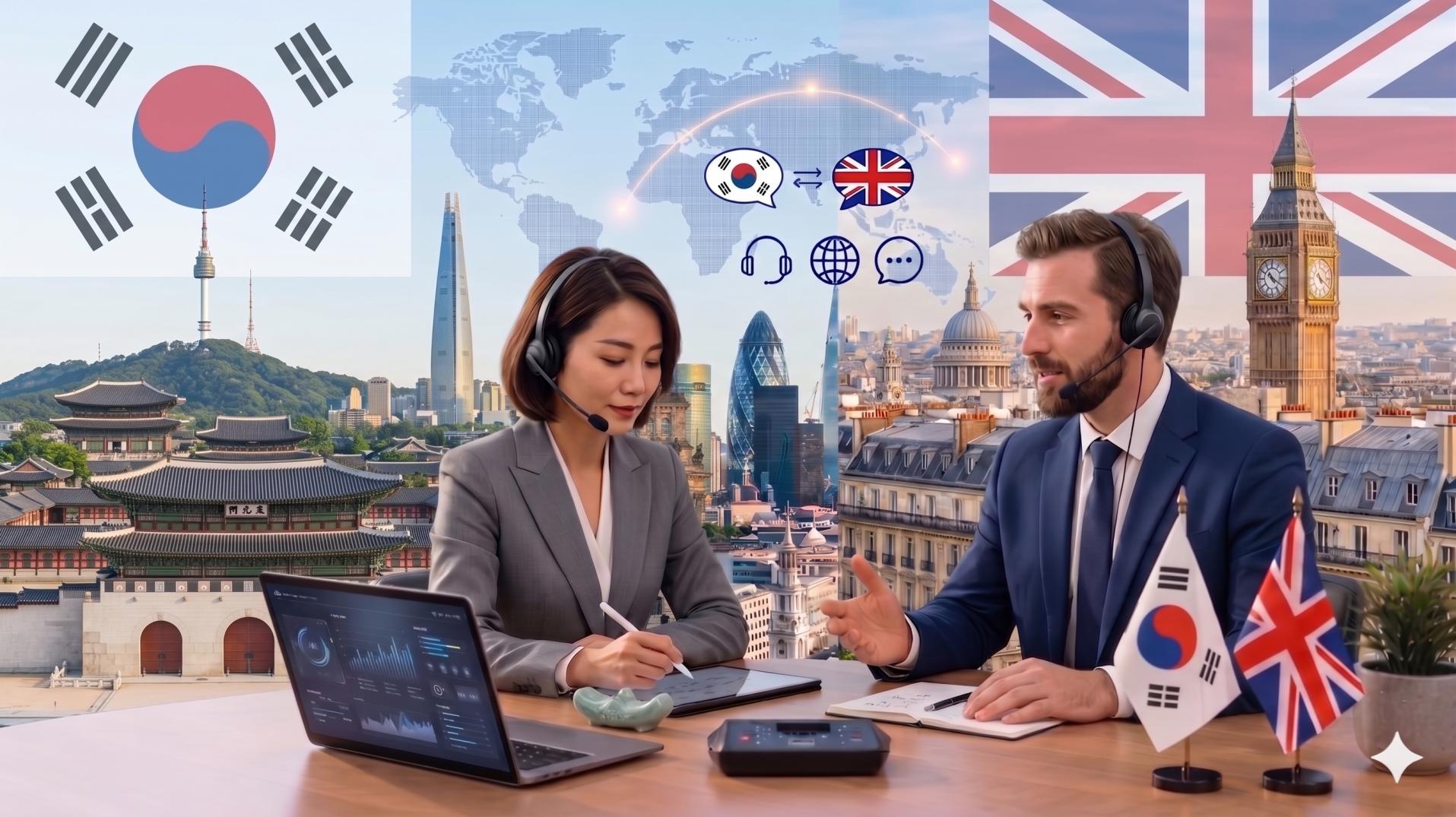
Securing a qualified Korean interpreter in Peterborough is paramount for effective communication across vital sectors, from legal proceedings to healthcare and business. In a city like Peterborough, which is increasingly diverse and economically dynamic, the need for precise and culturally sensitive language services cannot be overstated. Professional interpreters bridge linguistic divides, ensuring that individuals can access essential services and that organisations can operate efficiently and compliantly within the UK’s stringent regulatory framework. This is particularly crucial when dealing with sensitive matters such as legal cases heard before His Majesty’s Courts and Tribunals Service (HMCTS), immigration advice provided by Home Office-approved solicitors, or critical patient consultations within the National Health Service (NHS). For residents and businesses in Peterborough, engaging with accredited interpreters who understand the nuances of both Korean and English, as well as the specific legal and medical contexts in the UK, is essential for achieving fair outcomes and maintaining high standards of care and justice. This service is vital for the North West Anglia NHS Foundation Trust and the Cambridgeshire and Peterborough NHS Foundation Trust, ensuring all patients receive equitable and understandable communication.
Translation vs Interpretation
While often used interchangeably, translation and interpretation are distinct linguistic disciplines, each requiring specialised skills and adherence to professional standards. Interpretation involves the live, oral conversion of spoken or signed language from one language to another. This requires not only fluency in both Korean and English but also the ability to think quickly, maintain accuracy under pressure, and understand the cultural context. A professional Korean interpreter in Peterborough must possess these skills to facilitate real-time communication in settings such as courtrooms, medical appointments, or business meetings. Translation, conversely, deals with the written word, converting text from one language to another. This process allows for more time for research, editing, and proofreading to ensure accuracy and fidelity to the source material. For legal documents, medical reports, or corporate literature, a Korean translator in Peterborough would undertake this task. Both professions are governed by professional bodies in the UK, such as the National Register of Public Service Interpreters (NRPSI) and the Chartered Institute of Linguists (CIOL), which set rigorous standards for qualification and ethical conduct. Understanding this distinction is the first step for any organisation or individual seeking language support to ensure they engage the correct professional for their specific needs.
Legal Defence, Immigration, and Courtroom Interpretation
The UK’s legal system is built on principles of fairness and access to justice, which are fundamentally undermined without effective communication. For Korean speakers involved in legal matters in Peterborough, access to a qualified Korean interpreter is not merely a convenience but a legal necessity. His Majesty’s Courts and Tribunals Service (HMCTS) mandates the provision of interpreters in criminal and civil proceedings where a party does not understand English sufficiently. This ensures that defendants, witnesses, and victims can fully comprehend the proceedings, present their case, and understand the evidence against them. Professional interpreters working within the UK legal framework must adhere to strict codes of conduct, often requiring registration with bodies like the NRPSI or holding qualifications such as the Diploma in Public Service Interpreting (DPSI). These qualifications ensure a high level of linguistic competence and ethical understanding, including impartiality and confidentiality. Immigration law is another critical area where expert interpretation is vital. Individuals navigating the complexities of UK Visas and Immigration (UKVI) applications, asylum claims, or appeals before the First-tier Immigration Tribunal rely heavily on accurate interpretation to present their circumstances truthfully and effectively. Law firms specialising in immigration in Peterborough must engage interpreters who are not only linguistically proficient but also knowledgeable about the specific terminology and procedures of UK immigration law. The Royal Courts of Justice and other high courts across the UK also require interpreters for complex cases, underscoring the national importance of this service. Failure to provide adequate interpretation can lead to miscarriages of justice, wrongful convictions, or the denial of legitimate immigration status, highlighting the indispensable role of professional Korean interpreters in upholding the rule of law in the UK.
Healthcare and NHS Patient Safety
Patient safety and equitable access to healthcare are cornerstones of the National Health Service (NHS). For Korean-speaking patients in Peterborough, effective communication with healthcare professionals is essential for accurate diagnosis, informed consent, and adherence to treatment plans. The North West Anglia NHS Foundation Trust and the Cambridgeshire and Peterborough NHS Foundation Trust, serving the Peterborough area, are committed to providing language support in line with NHS England’s Language Access guidelines. These guidelines stipulate that patients have the right to access services in their preferred language, with interpreters provided free of charge for essential consultations. A professional Korean interpreter working within the NHS must possess not only linguistic skills but also a deep understanding of medical terminology, cultural sensitivities surrounding health, and the ethical obligations of confidentiality, as mandated by UK GDPR and NHS professional standards. The Care Quality Commission (CQC) also emphasises the importance of effective communication in ensuring the quality and safety of care. Inaccurate interpretation can lead to serious medical errors, such as incorrect medication dosages, misunderstandings about surgical procedures, or a failure to recognise critical symptoms. Therefore, engaging NRPSI-registered or similarly qualified interpreters is crucial for all healthcare interactions, from GP appointments and hospital visits to mental health services and emergency care. This ensures that all patients, regardless of their linguistic background, receive the highest standard of care and can fully participate in decisions about their health and well-being, upholding the fundamental principles of the NHS.
Technical Interpretation Modalities
The effectiveness of interpretation hinges on selecting the appropriate modality for the specific situation. Professional Korean interpreters in Peterborough are proficient in various techniques to meet diverse communication needs:
- Simultaneous Interpretation: This is the most demanding form, where the interpreter speaks the target language almost concurrently with the source language speaker, often requiring specialised equipment like booths and headsets. It is typically used in large conferences, international meetings, or parliamentary sessions where immediate comprehension is critical.
- Consecutive Interpretation: Here, the interpreter listens to a segment of speech, then renders it into the target language once the speaker pauses. This is common in smaller meetings, legal depositions, or medical consultations where direct, turn-based communication is more suitable.
- Escort Interpretation (Liaison Interpretation): This involves facilitating communication between two or more parties who speak different languages in informal settings, such as business negotiations, site visits, or social events. The interpreter acts as a cultural and linguistic bridge, ensuring smooth interaction.
- Remote Interpretation (Video/Telephone Interpretation): With advancements in technology, remote interpretation has become increasingly prevalent. This modality allows interpreters to connect with clients via phone or video conferencing platforms, offering flexibility and cost-effectiveness, especially for situations where an on-site interpreter is not feasible or necessary. This is particularly useful for routine follow-up appointments or quick consultations.
Each modality requires a distinct skill set and often specific technical knowledge. For instance, interpreting complex technical jargon in an engineering meeting or nuanced legal arguments in a courtroom demands a high degree of specialisation. Choosing the right interpretation mode ensures that the communication is not only accurate but also efficient and appropriate for the context, whether it’s a formal legal proceeding before HMCTS or a routine patient interaction within the NHS.
Economic and Social Fabric of Peterborough
Peterborough’s evolving economic landscape and diverse population necessitate robust language support services. The city’s growth is driven by various sectors, and effective communication is key to its continued prosperity and social cohesion.
Corporate and Industry
Peterborough boasts a significant presence in sectors such as advanced manufacturing, logistics, and digital technology. Businesses operating in these fields, whether local enterprises or international corporations with UK operations, often engage with Korean suppliers, partners, or clients. Professional Korean interpreters and translators are essential for facilitating international trade negotiations, technical consultations, product launches, and cross-cultural team collaboration. Ensuring clear communication in these contexts helps build strong business relationships, avoids costly misunderstandings, and enhances the city’s attractiveness as a hub for international commerce. Compliance with UK business regulations and standards also requires accurate documentation and communication, making professional translation services indispensable.
Tourism
While not a primary tourist destination on the scale of London or Edinburgh, Peterborough attracts visitors for its historical sites, such as Peterborough Cathedral, and its proximity to natural attractions. As international tourism recovers, providing multilingual information and services becomes increasingly important. Korean visitors, like all international tourists, benefit from accessible information in their native language, whether it’s signage, visitor guides, or customer service interactions. Professional Korean translators can assist local tourism bodies and businesses in creating welcoming materials, while interpreters can facilitate communication for tour groups or individual visitors, enhancing their experience and encouraging repeat visits. This contributes to the local economy and promotes Peterborough as a culturally aware destination.
Legal Infrastructure
Peterborough’s legal infrastructure, including its local courts and the presence of numerous law firms, requires reliable language support. The city’s diverse population means that Korean speakers may frequently interact with the legal system, whether through civil disputes, criminal proceedings, or immigration matters. Law firms in Peterborough must be equipped to serve these clients effectively, necessitating the engagement of qualified Korean interpreters registered with bodies like the NRPSI. Access to justice for all residents, as mandated by HMCTS, depends on the availability of skilled interpreters who can ensure understanding and due process in all legal arenas. This includes providing interpreters for police interviews, court hearings, and client consultations, ensuring that legal rights are protected regardless of language proficiency.
NHS Healthcare
The healthcare services in Peterborough, primarily delivered by the North West Anglia NHS Foundation Trust and Cambridgeshire and Peterborough NHS Foundation Trust, serve a multicultural population. Ensuring that Korean-speaking patients can communicate effectively with doctors, nurses, and other healthcare professionals is a critical aspect of patient care and safety. The NHS’s commitment to equal access means providing professional interpreters for consultations, diagnostic procedures, and treatment discussions. This not only improves health outcomes but also ensures patient dignity and trust in the healthcare system. Compliance with UK GDPR and NHS guidelines on language access is paramount, making professional Korean interpretation services a vital component of healthcare delivery in Peterborough.
Local Infrastructure and Transport
Peterborough’s infrastructure plays a crucial role in its connectivity and accessibility. The city is well-served by major transport links, including the East Coast Main Line railway, which provides fast connections to London, Leeds, and Edinburgh. The A1(M) and A47 roads offer excellent road connectivity, facilitating the movement of goods and people. For businesses requiring the services of a Korean interpreter in Peterborough, this robust transport network ensures that interpreters can reach various locations efficiently, whether it’s for on-site interpretation at a business premises, a legal appointment at His Majesty’s Courts and Tribunals Service, or a medical facility within the NHS. The availability of reliable public transport, including local bus services, further enhances accessibility for both clients and interpreters. This integrated infrastructure supports the smooth operation of professional services, including the critical need for accurate language support across all sectors of the Peterborough economy and public services.
Conclusion
In conclusion, the demand for a professional Korean interpreter in Peterborough is driven by the city’s diverse economy, legal landscape, and healthcare needs. Ensuring access to qualified, accredited interpreters is fundamental to upholding justice, promoting patient safety, and fostering successful business relationships within the UK’s regulatory framework. Organisations and individuals requiring language services should prioritise engaging interpreters who meet the rigorous standards set by UK professional bodies, guaranteeing accuracy, confidentiality, and cultural sensitivity. For all your interpretation needs in Peterborough and beyond, securing expert linguistic support is an investment in clear communication and successful outcomes.