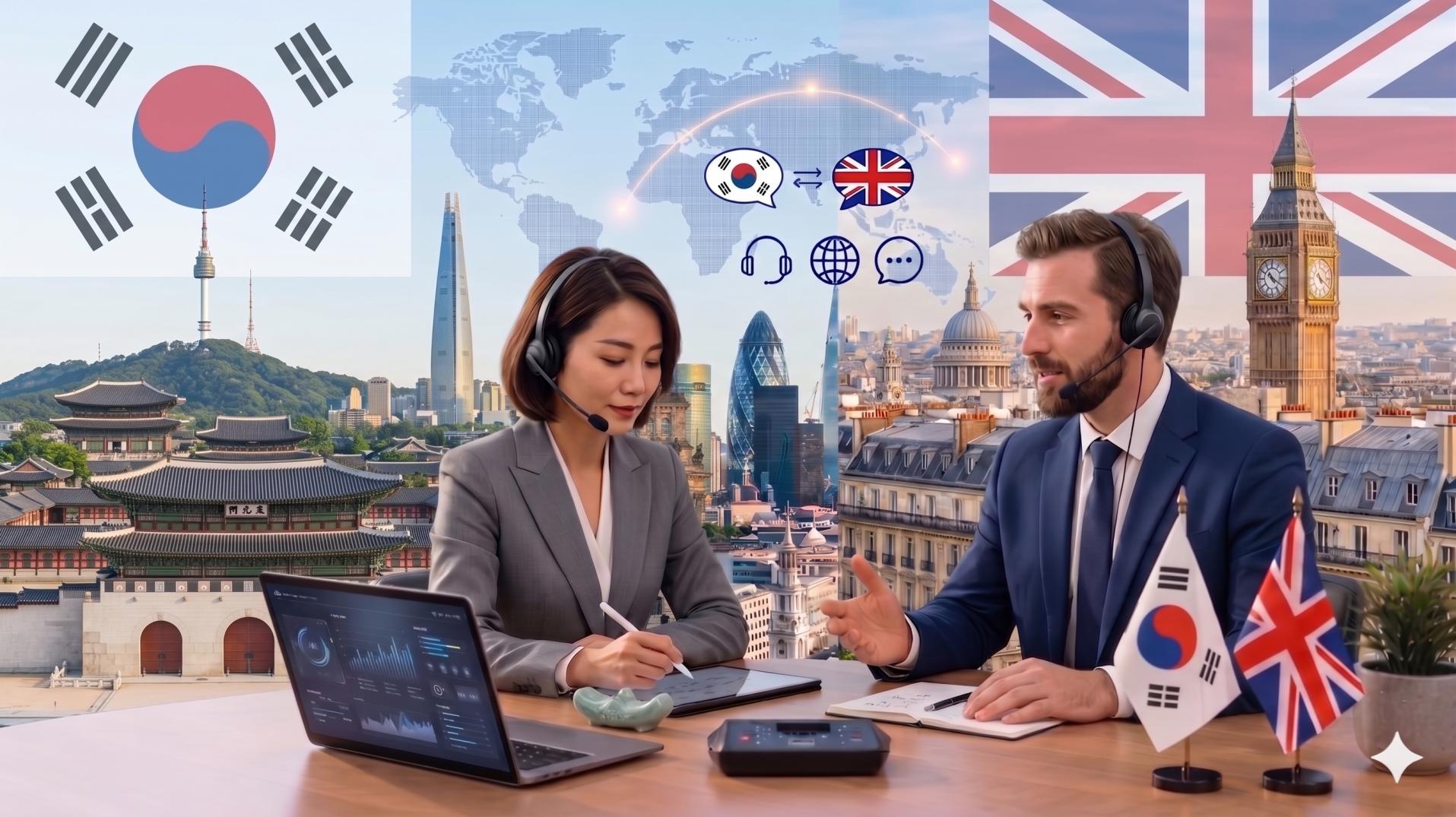
Securing a qualified Korean interpreter in Sheffield is paramount for effective communication across a multitude of professional sectors within the United Kingdom. Whether engaging with the National Health Service (NHS), navigating the complexities of the legal system, or facilitating international business relations, the need for precise and culturally sensitive interpretation is non-negotiable. Sheffield, a city with a rich industrial heritage and a growing diverse population, is served by key NHS trusts such as Sheffield Children’s NHS Foundation Trust and Sheffield Teaching Hospitals NHS Foundation Trust, both of which rely on professional language services to ensure equitable patient care. This document outlines the critical role of expert Korean interpretation and translation services, specifically tailored to the UK’s regulatory and professional landscape, ensuring compliance with UK law, NHS standards, and professional body accreditations.
Translation vs Interpretation
While often used interchangeably, translation and interpretation are distinct linguistic disciplines, each requiring specialised skills and adherence to professional standards. Interpretation involves the real-time, spoken rendition of a message from one language to another. This is crucial in live settings such as court hearings, medical consultations, or business meetings. A professional Korean interpreter in Sheffield must possess not only fluency in both Korean and English but also a deep understanding of the nuances, cultural contexts, and idiomatic expressions of both languages. They must also be adept at managing the flow of conversation, ensuring clarity and accuracy without adding or omitting information. This is particularly vital in high-stakes environments where miscommunication can have severe consequences. For instance, in legal proceedings, an error in interpretation could lead to a miscarriage of justice. In healthcare, it could result in misdiagnosis or inappropriate treatment. Therefore, engaging a certified Korean interpreter is essential for maintaining the integrity of communication.
Conversely, translation deals with the written word. A Korean translator in Sheffield will convert written documents, such as legal contracts, medical reports, technical manuals, or academic papers, from Korean to English or vice versa. This process allows for more time to ensure accuracy, consistency, and appropriate terminology, often involving research and consultation with subject matter experts. Professional translators adhere to strict quality control measures and often specialise in specific fields to guarantee the highest level of precision. Both roles are critical, but their application differs significantly based on the medium and immediacy of the communication required. For businesses and public services in Sheffield, understanding this distinction is the first step in procuring the correct linguistic support.
Legal Defence, Immigration, and Courtroom Interpretation
The UK legal system, governed by His Majesty’s Courts and Tribunals Service (HMCTS), mandates that all parties involved in legal proceedings have access to competent interpretation services if they do not speak English as a first language. This is a fundamental right enshrined in UK law, ensuring fairness and due process. For individuals involved in criminal or civil litigation, immigration appeals before the First-tier Immigration Tribunal, or family court matters, the presence of a qualified Korean interpreter is indispensable. These interpreters must not only be fluent but also impartial and adhere to a strict code of conduct. Professional bodies such as the National Register of Public Service Interpreters (NRPSI) and the Diploma in Public Service Interpreting (DPSI) set the benchmark for qualifications and ethical practice in the UK.
When engaging a Korean interpreter for legal matters in Sheffield, it is crucial to ensure they hold recognised qualifications and are registered with bodies like the NRPSI. This accreditation signifies that the interpreter has passed rigorous examinations covering legal terminology, ethical principles, and interpreting skills, as well as undergoing enhanced background checks. The Home Office and UK Visas and Immigration (UKVI) also require accurate interpretation for asylum claims, visa applications, and other immigration-related interviews. Failure to provide adequate interpretation can lead to delays, misunderstandings, and potentially adverse decisions for individuals seeking to live, work, or claim asylum in the UK. Law firms and legal aid agencies in Sheffield must prioritise sourcing interpreters who meet these stringent UK professional standards to uphold the integrity of the justice system and protect their clients’ rights. The Royal Courts of Justice and all HMCTS facilities across the UK expect the highest standards of linguistic support.
Healthcare and NHS Patient Safety
Patient safety and equitable access to healthcare are cornerstones of the NHS. The NHS England Language Access guidelines clearly state the requirement for professional interpretation services to ensure that patients with limited English proficiency can fully understand their medical conditions, treatment options, and consent to procedures. For Korean-speaking patients in Sheffield, this means having access to a qualified Korean interpreter during consultations with GPs, specialists, and during hospital stays. The CQC (Care Quality Commission), the independent regulator of health and social care services in England, inspects NHS trusts on their ability to provide accessible and high-quality care, which includes effective communication.
Sheffield Teaching Hospitals NHS Foundation Trust and Sheffield Children’s NHS Foundation Trust, among others, are committed to meeting these standards. Professional interpreters working within the NHS must understand medical terminology, maintain strict confidentiality under UK GDPR regulations, and adhere to ethical codes that prioritise patient well-being and autonomy. Interpreters are not merely conduits of language; they are facilitators of understanding, ensuring that patients can actively participate in their own care decisions. This is particularly critical in emergency situations, mental health assessments, and when discussing complex or sensitive diagnoses. Engaging a certified Korean interpreter ensures that communication barriers are overcome, leading to better health outcomes, increased patient satisfaction, and reduced risks of medical errors. The use of untrained bilingual staff or family members as interpreters is strongly discouraged by NHS guidelines due to potential conflicts of interest, lack of professional training, and the risk of inaccurate information being conveyed.
Technical Interpretation Modalities
The effectiveness of interpretation hinges on selecting the appropriate modality for the specific situation. For a Korean interpreter in Sheffield, understanding these different modes is crucial for delivering optimal service:
- Simultaneous Interpretation: This is the most demanding form, where the interpreter speaks the target language almost concurrently with the source language speaker, typically with a slight delay. It requires specialised equipment (booths, headsets, microphones) and is used in large conferences, international meetings, and live broadcasts where immediate comprehension is vital.
- Consecutive Interpretation: Here, the interpreter listens to a segment of speech, then renders it into the target language after the speaker has finished. This is common in smaller meetings, legal depositions, and medical appointments where direct interaction and note-taking are feasible. It allows for greater accuracy and reflection.
- Escort Interpretation (Liaison Interpretation): This mode is used for facilitating communication between two or three parties in more informal settings, such as business negotiations, factory tours, or social events. The interpreter acts as a bridge, interpreting short segments of speech back and forth, often without specialised equipment.
- Remote Interpretation (Video/Telephone): With advancements in technology, remote interpretation has become increasingly prevalent. This involves using telephone or video conferencing platforms to connect interpreters with clients. It offers flexibility and cost-effectiveness, particularly for situations where an in-person interpreter is not readily available or necessary. However, ensuring clear audio quality and appropriate professional conduct is paramount for effective remote interpretation.
Choosing the correct modality ensures that the communication objectives are met efficiently and effectively, whether for a high-level corporate negotiation or a routine medical check-up.
Economic and Social Fabric of Sheffield
Corporate and Industry
Sheffield’s economic landscape is diverse, with strengths in advanced manufacturing, digital technology, and creative industries. For businesses operating in or trading with South Korea, professional Korean interpretation and translation services are vital for market entry, partnership development, and ongoing operations. This includes translating marketing materials, negotiating contracts, and facilitating communication with Korean stakeholders. The presence of a skilled Korean interpreter can unlock new business opportunities and foster stronger international relationships, contributing to Sheffield’s economic growth and its position in the global marketplace.
Tourism
As a gateway to the Peak District and a city with a growing cultural and heritage offering, Sheffield attracts international visitors. While English is the primary language, providing multilingual information and services, including Korean, can enhance the visitor experience. This can range from translated signage and brochures to interpretation services for guided tours or at key attractions. Facilitating easier communication for Korean tourists can boost the local tourism economy and enhance Sheffield’s reputation as a welcoming destination.
Legal Infrastructure
Sheffield boasts a robust legal sector, with numerous law firms specialising in various areas, including immigration, corporate law, and commercial litigation. These firms frequently require the services of qualified Korean interpreters and translators to represent their clients effectively, whether they are individuals navigating the UK immigration system or businesses engaged in international trade. The availability of accredited Korean language professionals ensures that justice is accessible to all members of the community, regardless of their linguistic background, and supports the smooth functioning of the legal system under HMCTS.
NHS Healthcare
The healthcare system in Sheffield, represented by trusts like Sheffield Teaching Hospitals NHS Foundation Trust, serves a diverse population. Ensuring that Korean-speaking patients can communicate effectively with healthcare professionals is a critical aspect of providing equitable and safe care. Professional Korean interpreters play a vital role in GP surgeries, hospital wards, and specialist clinics, facilitating accurate diagnosis, informed consent, and adherence to treatment plans, thereby upholding the principles of the NHS and meeting the standards set by the CQC and NHS England.
Local Infrastructure and Transport
Sheffield’s infrastructure, including its transport network, plays a role in facilitating access to professional services. The city is well-connected by road and rail, with Sheffield station serving as a major hub. For businesses and individuals requiring a Korean interpreter, accessibility is key. Whether the interpretation is needed at a corporate office in the city centre, a legal firm near the courts, or a hospital across the region, the transport links ensure that interpreters can reach their destinations efficiently. Furthermore, the increasing adoption of remote interpretation technologies means that geographical barriers are less of an impediment, allowing for seamless communication regardless of location within Sheffield and its surrounding areas. The local council, Sheffield City Council, continually works to improve city infrastructure, which indirectly supports the seamless delivery of essential services, including professional language support.
In conclusion, the demand for a professional Korean interpreter in Sheffield is driven by the city’s dynamic economic environment, its diverse population, and the UK’s commitment to equal access to justice and healthcare. Engaging certified and qualified interpreters is not merely a matter of convenience but a legal and ethical imperative. By adhering to the standards set by UK professional bodies and regulatory authorities, individuals and organisations can ensure that communication is accurate, confidential, and culturally appropriate, fostering trust and achieving desired outcomes. For all your professional Korean interpretation needs in Sheffield, partnering with accredited linguistic service providers is the most reliable approach.